Table of Contents
- What Is a Chill Out Chair?
- What Is a Regular Bean Bag or Sensory Seat?
- Chill Out Chair vs. Regular Bean Bag: In Depth Comparison
- Therapeutic Goals: What Each Seat Can and Cannot Support
- Who Benefits Most from a Chill Out Chair?
- Chill Out Chair Customization Options
- Chill Out Chair Price and How to Budget for It
- How to Order a Chill Out Chair from eSpecial Needs
- FAQs
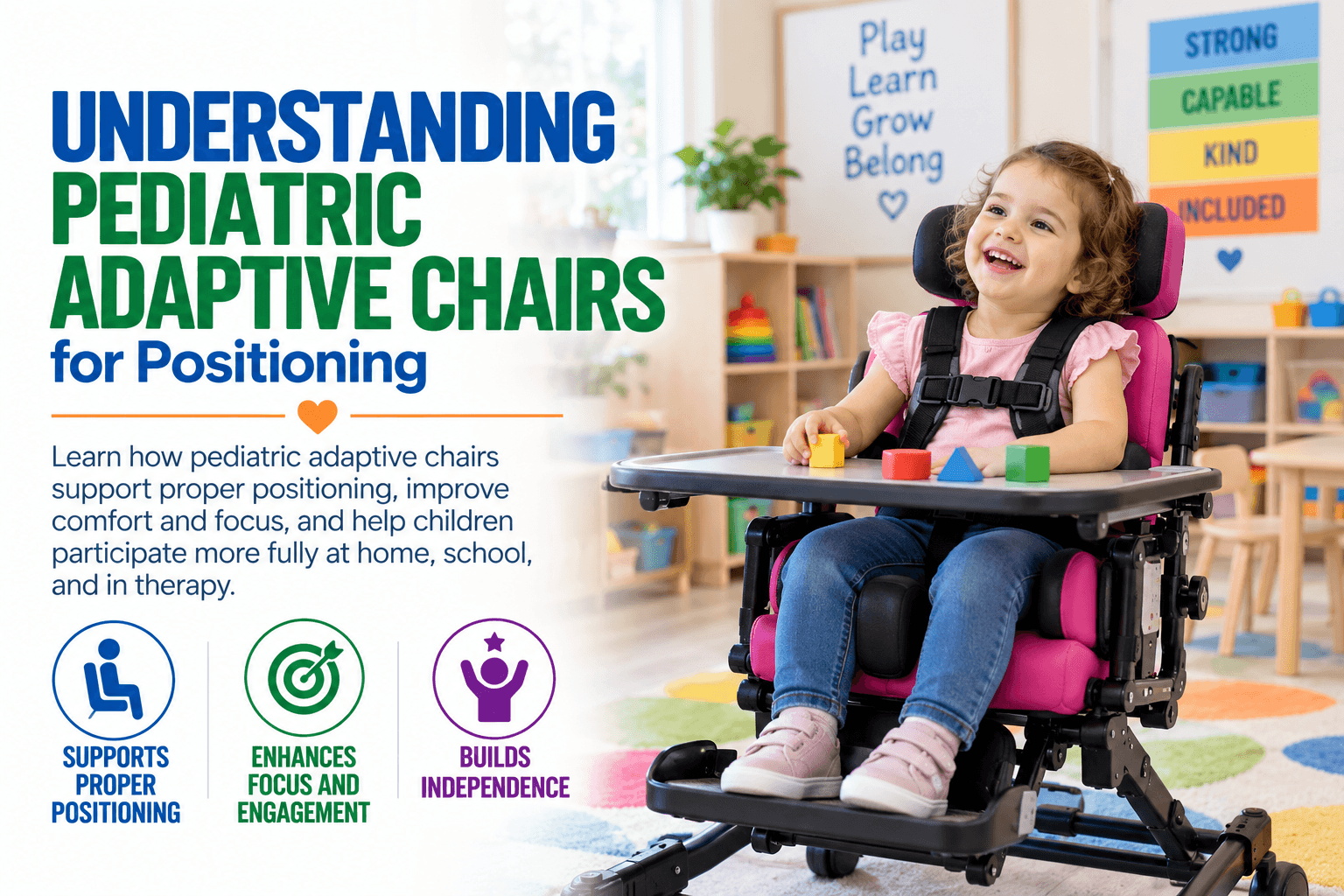
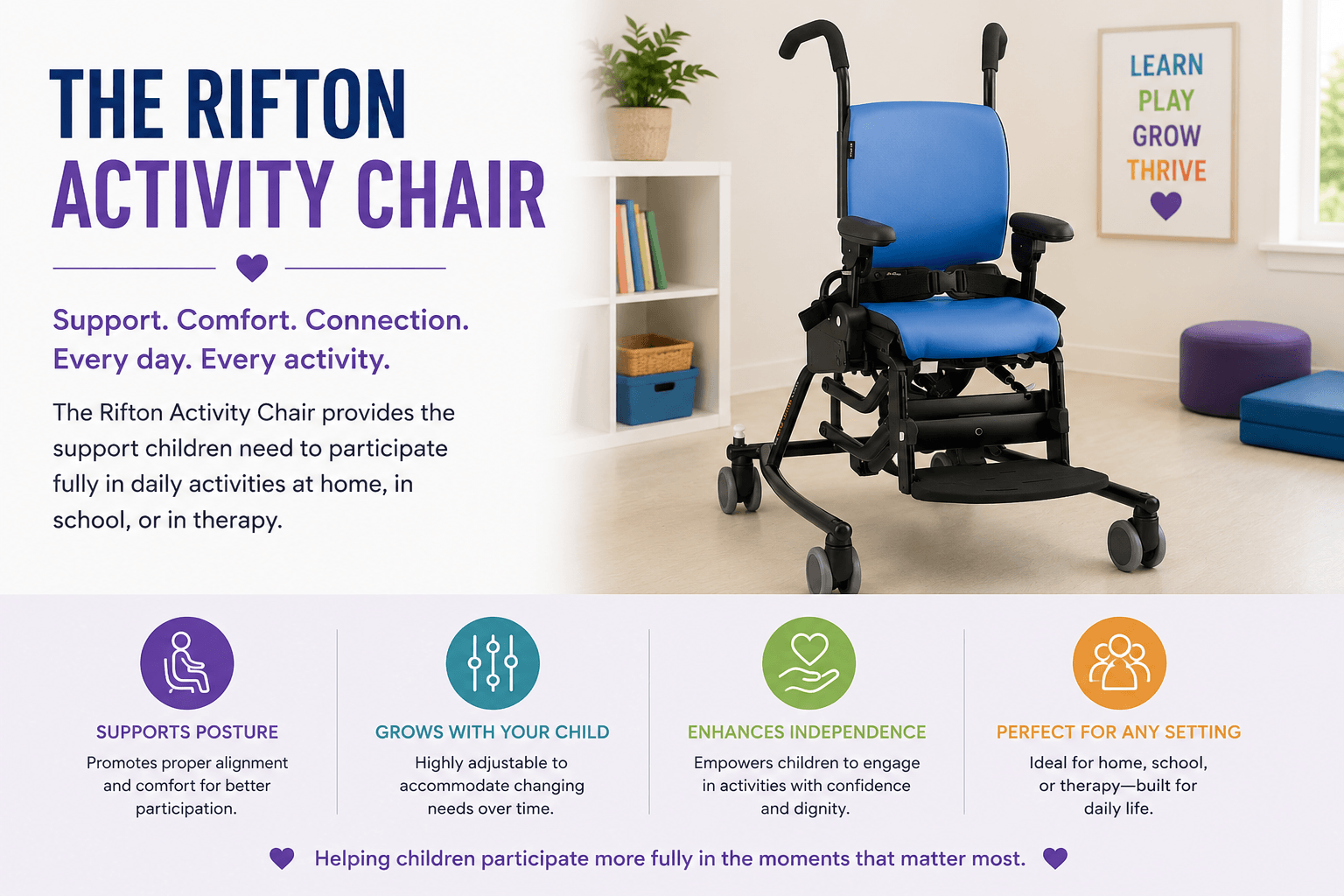
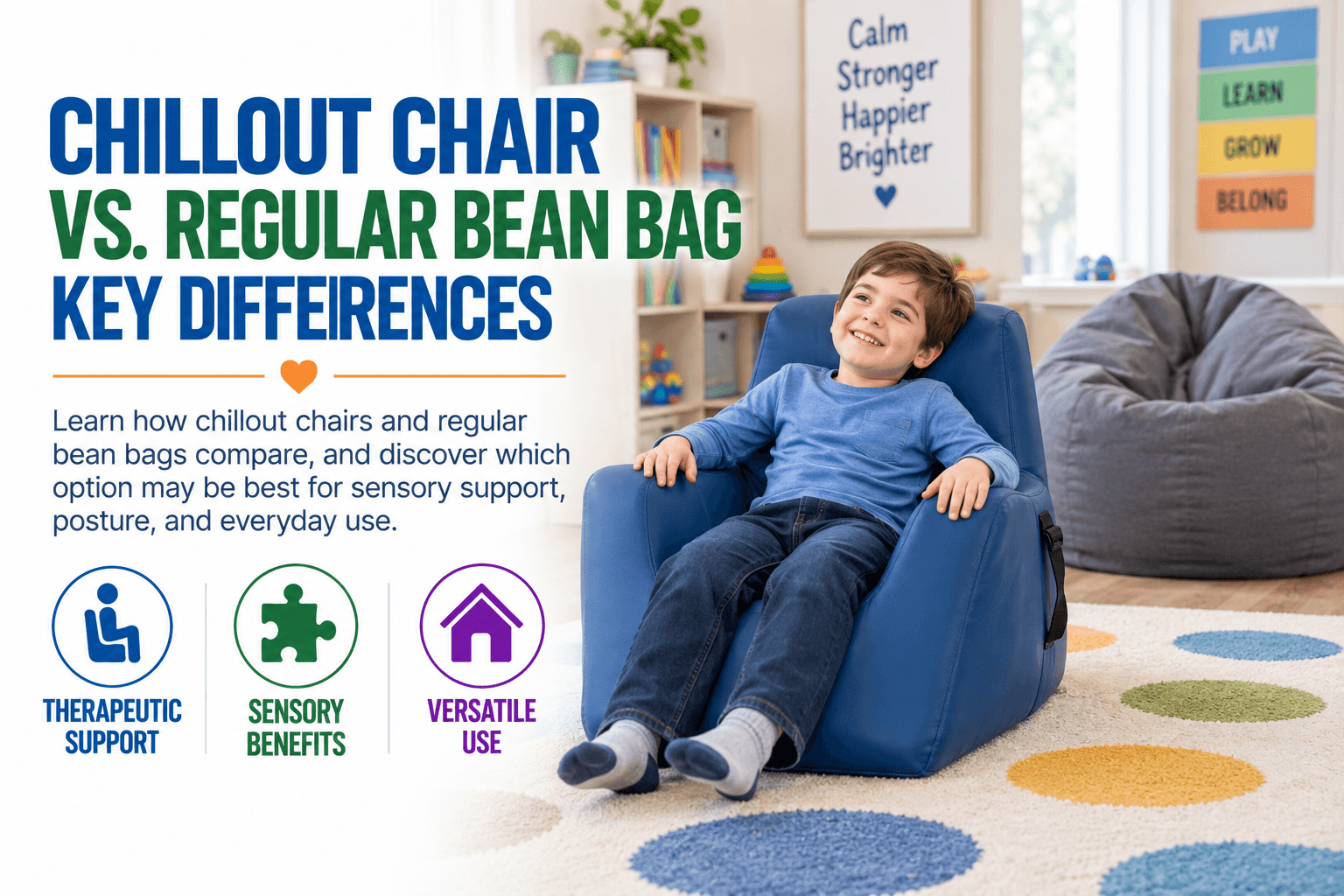
A chillout chair and a regular bean bag may both look like comfortable places to relax, but they serve very different purposes. A bean bag is primarily flexible lounge seating. A Freedom Concepts Chill Out Chair is adaptive seating designed around body support, sensory comfort, positioning, and participation for children and adults who may need more structure than a traditional soft seat provides. For families, schools, and therapists, the most important question is not simply which seat looks more comfortable. The better question is what the individual needs from the seat.
A child who wants a soft place to read, relax, or take a quiet break may do well with a quality bean bag. A child who needs more predictable positioning, gentle rocking, easier room to room mobility, head support, or adaptive accessories may benefit from a purpose built Chill Out Chair. The distinction is similar to the difference between sensory seating and positioning equipment. If you are deciding between those categories, Sensory Seating vs Positioning Chairs for Kids provides a helpful starting point.
What Is a Chill Out Chair?
A Chill Out Chair is a specialized adaptive seat created to offer more support and structure than a traditional bean bag or lounge chair.
Its shaped foam construction creates a defined seating area that surrounds and supports the body. Depending on the model and accessories selected, the chair can also provide rocking movement, mobility between rooms, head support, pelvic positioning, an activity tray, and other adaptive features.
Rather than collapsing unpredictably around the user like loose bean bag filling, the Chill Out Chair is designed to provide a more consistent seated position.
For children who need more than simple relaxation furniture, this can make the chair useful during:
- Sensory breaks
- Reading
- Quiet activities
- AAC use
- Classroom participation
- Fine motor activities
- Therapy sessions
- Calm down routines
- Supported rest
- Home sensory time
If you are trying to determine whether a child needs this type of support in an educational setting, When Does a Child Need Adaptive Seating at School? explains common signs that standard seating may no longer be enough.
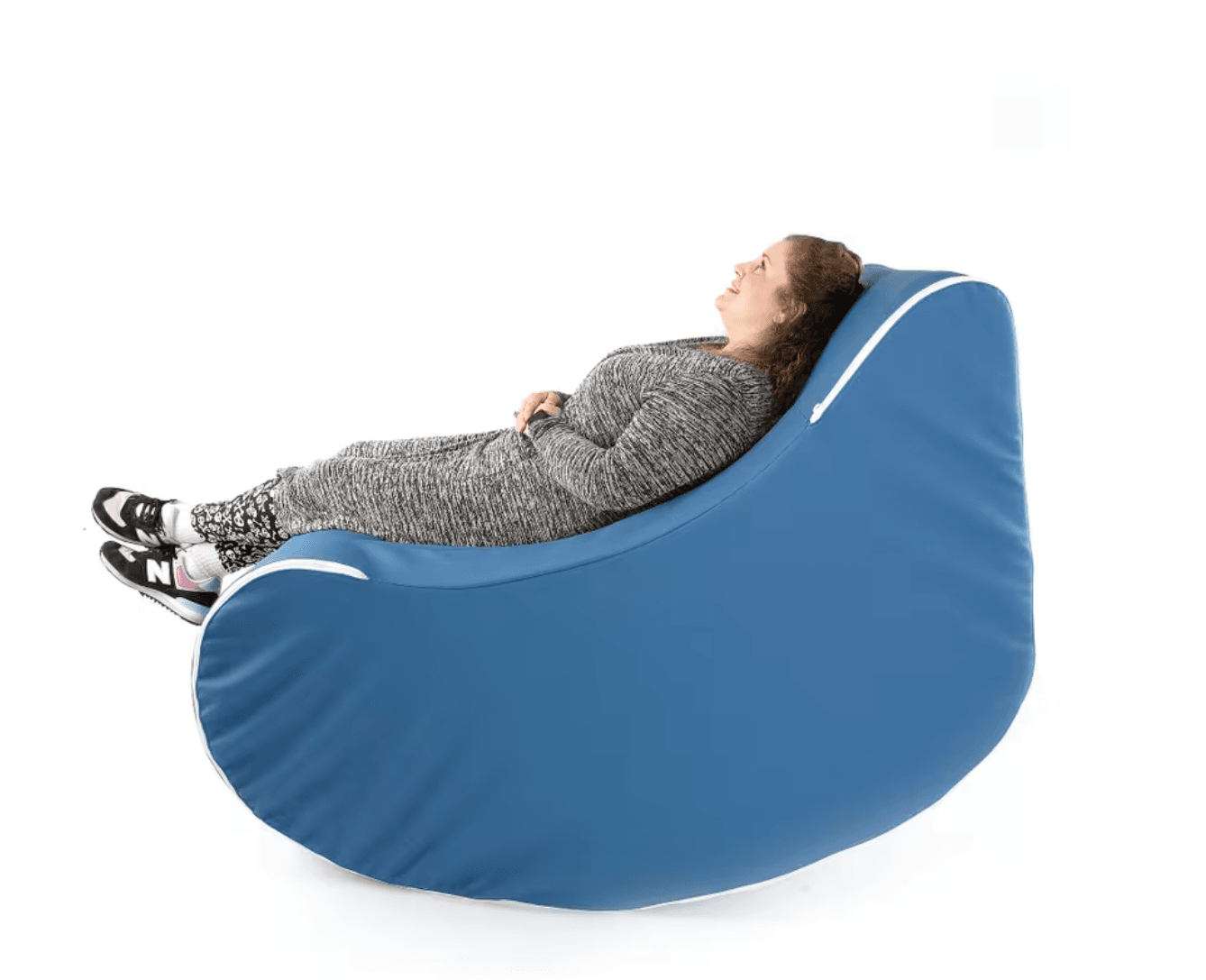
The Freedom Concepts Chill Out Chair: Origins and Purpose
Freedom Concepts develops adaptive mobility and seating equipment for children and adults with physical, developmental, and sensory support needs.
The Chill Out Chair was created as supportive alternative seating rather than ordinary recreational furniture. Its design centers around comfort, positioning, and participation.
The shaped foam helps create a cradled seating position while still allowing the user to interact with people and activities around them.
Depending on the configuration, the chair can also be adapted with:
- Head support
- Pelvic positioning
- Chest support
- Leg positioning
- Activity trays
- Different foam packages
- Multiple upholstery options
- Alternative ottomans
- Rocking or rolling bases
This flexibility is one reason the chair may be considered for sensory rooms, classrooms, therapy clinics, and home environments.
For a broader look at how adaptive seating fits into a child's support plan, Sensory vs Postural Support Seating for Children explains how regulation needs and physical positioning needs can overlap without being the same thing.
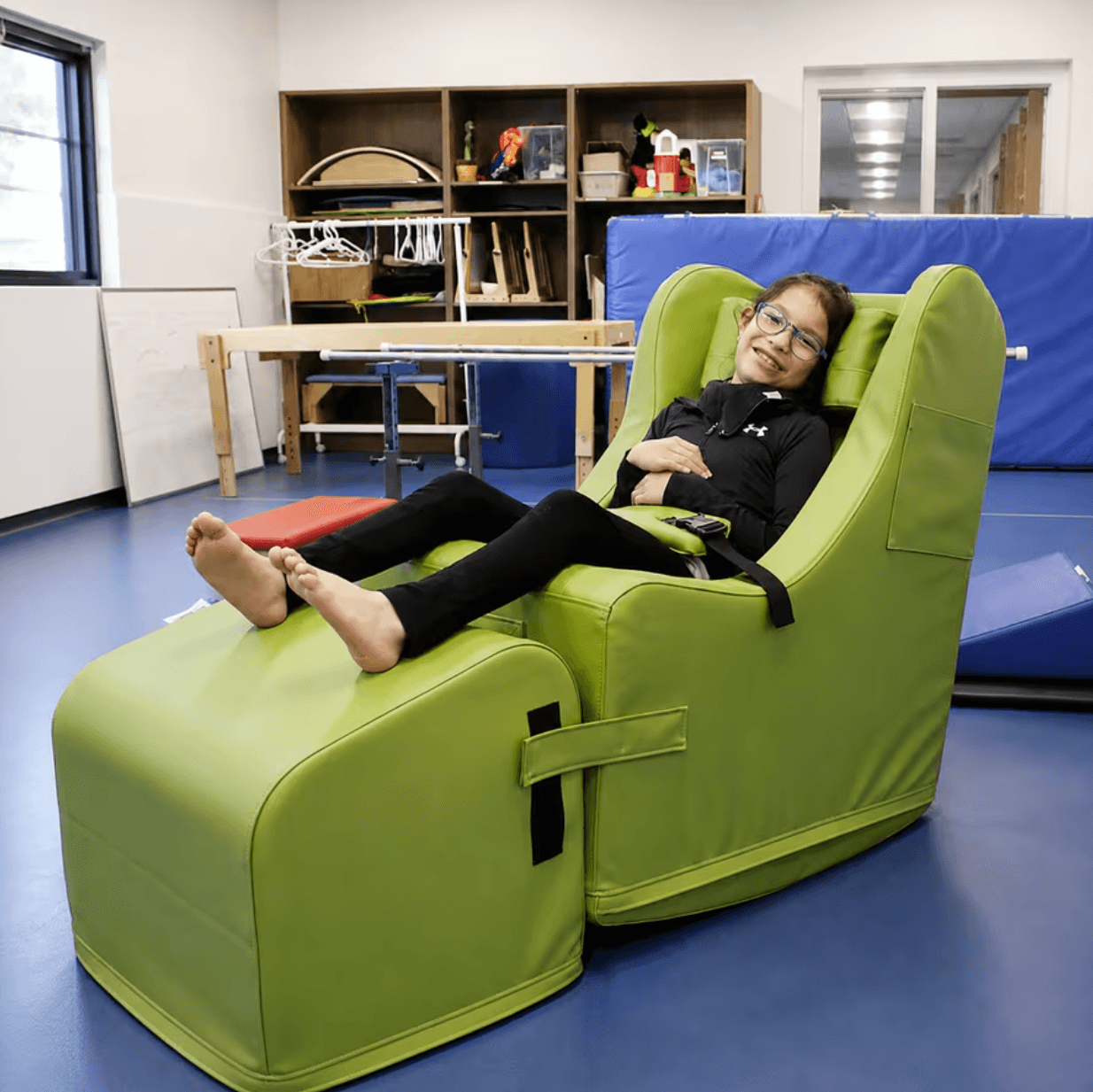
How It Differs from General Relaxation Furniture
A regular bean bag is usually designed around comfort and casual lounging.
A Chill Out Chair is designed around a more intentional seating position.
That distinction can affect:
- Pelvic stability
- Trunk support
- Head positioning
- Leg position
- Ease of transfers
- Ability to use a tray
- Access to communication devices
- Movement options
- Caregiver assistance
A traditional bean bag may allow the body to sink deeply into the filling. That can feel comfortable, but it may also make it harder for some users to maintain a functional position.
The Chill Out Chair maintains more structure while still providing a soft seating experience.
Chill Out Chair Models: Rock'er, Roll'er, and Standard Configuration
Freedom Concepts currently offers two primary Chill Out Chair configurations: the Rock'er and the Roll'er.
There is not a separate third model currently sold as the Standard Chill Out Chair. Instead, the chair has a standard core configuration that is then ordered as either the Rock'er or Roll'er.
The Chill Out Rock'er Chair is designed for users who may benefit from gentle rocking and adjustable positioning.
The Chill Out Roll'er Chair places the supportive seat on a mobile base so caregivers can move the user between spaces more easily.
The best choice depends on whether movement through rocking or mobility between rooms is the greater priority.
What Is a Regular Bean Bag or Sensory Seat?
A regular bean bag is soft furniture filled with beads, foam, pellets, or another movable material.
As the user sits or lies down, the filling shifts and conforms around the body.
This can make bean bags comfortable for:
- Reading
- Relaxation
- Quiet breaks
- Sensory rooms
- Calm corners
- Floor activities
- Play spaces
- Informal classroom seating
You can explore examples in the Bean Bags and Seating Pillows collection.
Bean bags can be valuable sensory furniture. They simply provide a different type of support than a Chill Out Chair.
How Standard Bean Bags Are Constructed
Most bean bags consist of an outer cover surrounding loose filling.
Common filling materials include:
- Polystyrene beads
- Shredded foam
- Foam pieces
- Other lightweight cushioning materials
Because the internal material moves, the shape changes every time the user sits down.
That flexibility can be comfortable for users who have good body control. It can be less useful for individuals who need their pelvis, trunk, head, or legs maintained in a more predictable position.
Sensory Seats Marketed for Special Needs: What to Watch For
Not every product labeled sensory seating offers meaningful positioning support.
When evaluating sensory furniture, consider:
- Whether sizing information is provided
- How much structure the seat offers
- Whether the user can independently reposition
- Whether the filling shifts significantly
- Cleaning requirements
- Durability
- Weight capacity
- Whether head or trunk support is available
- Whether the product is intended for home or institutional use
A sensory chair does not need to provide clinical positioning to be useful. The key is understanding what it actually does.
The Complete Guide to School Sensory Room Equipment provides additional guidance on choosing seating alongside swings, lighting, tactile equipment, calming tools, and movement products.
Chill Out Chair vs. Regular Bean Bag: In Depth Comparison
The differences become clearer when the two seating options are compared according to the factors that matter most for children with special needs.
| Feature | Chill Out Chair | Regular Bean Bag |
|---|---|---|
| Main purpose | Adaptive seating and support | Relaxation and flexible seating |
| Seating structure | Shaped foam | Loose or shredded filling |
| Position consistency | More predictable | Changes as filling shifts |
| Rocking option | Available with Rock'er | Usually not available |
| Mobile base | Available with Roll'er | Usually carried or dragged |
| Head support | Available | Usually not available |
| Pelvic support | Available | Usually not available |
| Activity tray | Available | Rare |
| Sizing | Defined sizes | Varies by manufacturer |
| Cleaning options | Designed for repeated use | Varies widely |
| Typical cost | Higher | Usually lower |
| Best use | Adaptive and sensory support | Casual sensory seating |
Postural Support and Adaptive Positioning
A bean bag conforms around the body but does not necessarily keep the user in the same position.
The Chill Out Chair uses shaped foam to create a more defined seating area.
This can be especially important for users who:
- Slide in ordinary seating
- Need help maintaining trunk position
- Need additional head support
- Have limited motor control
- Fatigue while sitting
- Require pelvic support
- Need a stable position for communication or activities
The chair can also be configured with positioning accessories when additional support is required.
For children who consistently struggle to maintain posture in regular furniture, Positioning Equipment for Children: Top Picks can help explain how different positioning products solve different physical challenges.
Sensory Regulation and Deep Pressure Input
A regular bean bag may provide a surrounding sensation as the user sinks into the filling.
For some children, that can feel calming.
The Chill Out Chair creates pressure differently. Its shaped foam surrounds the body in a more predictable way, which may provide light pressure and proprioceptive input.
It is important not to assume that either chair automatically provides deep pressure therapy.
Sensory responses vary widely. One child may find surrounding pressure calming while another may prefer open seating.
For sensory regulation planning, Designing Sensory Calm Corners for Autism, ADHD, and Emotional Regulation explains how seating can be combined with visual supports, timers, fidgets, noise reduction, and other calming tools.
Safety and Structural Durability
The Chill Out Chair is built as adaptive equipment and provides defined sizing, structured foam, accessories, and specific configurations.
Regular bean bags vary considerably.
A high quality sensory bean bag may be durable enough for school or therapy use, while inexpensive household bean bags may not be designed for the same amount of repeated use.
Before choosing either type of seating, review:
- User weight
- Product dimensions
- Intended environment
- Cover durability
- Zipper security
- Cleaning requirements
- Stability
- Supervision needs
Schools planning a complete sensory environment may also want to review 8 School Sensory Room Safety Factors to Know.
Ease of Cleaning and Hygiene Maintenance
Cleaning becomes especially important in classrooms, clinics, therapy environments, and shared sensory rooms.
The Chill Out Chair is available with upholstery choices intended for frequent use and easier maintenance.
A regular bean bag may have:
- A removable washable cover
- A wipeable cover
- Spot clean only fabric
- Filling that is difficult to clean if spills penetrate the cover
For shared spaces, consider cleaning before purchasing rather than treating it as an afterthought.
Portability and Use Across Settings
A small bean bag may be easy to move manually.
Large bean bag loungers can become awkward because of their bulk.
The Roll'er approaches portability differently. The seat is mounted on a wheeled base so it can be moved between spaces.
This may be useful in:
- Schools
- Therapy clinics
- Homes
- Day programs
- Sensory rooms
- Activity areas
The Rock'er focuses instead on gentle rocking movement.
Therapeutic Goals: What Each Seat Can and Cannot Support
Neither a Chill Out Chair nor a bean bag should be thought of as a therapy by itself.
They are tools.
The value comes from how the seat supports the individual's goals.
A bean bag may work well when the goal is:
- Relaxation
- Quiet time
- Flexible sensory seating
- Reading
- A casual calm corner
A Chill Out Chair may be more appropriate when the goal includes:
- More predictable positioning
- Head support
- Pelvic support
- Gentle rocking
- Easier caregiver mobility
- Use of an activity tray
- Consistent seating during therapy
- AAC access
Occupational Therapy Applications for the Chill Out Chair
An occupational therapist may incorporate a Chill Out Chair into activities involving:
- Sensory regulation
- Quiet breaks
- Fine motor activities
- Communication
- Reading
- AAC use
- Transition routines
- Supported participation
The chair may also give a child a consistent place to use familiar calming strategies.
However, seating should always be connected to an actual goal rather than simply assuming that specialized equipment is automatically therapeutic.
The Special Education Classroom Equipment Essentials guide provides a broader look at how adaptive seating fits alongside communication tools, sensory products, mobility equipment, and classroom supports.
Sensory Diet Integration and Calm Down Strategies
A Chill Out Chair may be incorporated into a sensory routine when recommended by an occupational therapist.
For example, a routine might include:
- Movement before sitting
- Quiet time in the chair
- Gentle rocking
- Noise reducing headphones
- A visual timer
- A fidget
- A preferred book
- Breathing exercises
The chair itself is only one component.
The surrounding routine and the child's individual sensory preferences are what make the space effective.
Bean Bags in Therapy: Appropriate Use Cases
Bean bags can absolutely have a place in therapy.
They may be useful for:
- Relaxation
- Body awareness
- Reading
- Floor based activities
- Quiet breaks
- Flexible seating
- Comfortable waiting areas
- Calm down spaces
If the user does not need defined adaptive positioning, a bean bag may provide everything needed at a substantially lower cost.
Who Benefits Most from a Chill Out Chair?
The Chill Out Chair may be especially useful for individuals who need something more supportive than ordinary lounge furniture but do not necessarily need to remain in a wheelchair or highly structured positioning system throughout every activity.
Potential users may include children and adults who need:
- Additional body support
- Sensory comfort
- Gentle rocking
- Head support
- Pelvic positioning
- A mobile seating option
- A consistent calm space
- A supported activity position
Children with Autism Spectrum Disorder
Some autistic children benefit from predictable seating and a clearly defined personal space.
A Chill Out Chair may provide a familiar place for:
- Sensory breaks
- Quiet time
- Reading
- Communication
- Relaxation
- Recovery after overstimulating environments
Other autistic children may dislike surrounding pressure or rocking.
Autism alone should never determine the seating choice.
The better approach is to observe the individual child's sensory preferences and physical needs.
Kids with Sensory Processing Differences
Children with sensory processing differences may seek or avoid:
- Movement
- Pressure
- Touch
- Sound
- Visual stimulation
A Rock'er may work well for a child who benefits from gentle movement.
Another child may prefer the stability of a non moving surface.
Another may prefer a bean bag because it allows the child to change positions freely.
The best sensory seating is the seating that matches the individual.
Children with Cerebral Palsy or Physical Disabilities
Children with cerebral palsy or other motor disabilities may require more attention to:
- Pelvic position
- Trunk support
- Head control
- Leg position
- Transfers
- Fatigue
- Access to activities
A Chill Out Chair may offer more predictable support than a loose bean bag.
Accessories can also provide additional positioning where appropriate.
However, the Chill Out Chair should not automatically replace a wheelchair or prescribed seating system.
An occupational therapist, physical therapist, or seating specialist should be involved when the child has complex positioning needs.
Classroom and Clinic Use vs. Home Sensory Corners
Schools and clinics often need furniture that can withstand repeated use by staff and students.
Important considerations may include:
- Cleaning
- Durability
- Mobility
- Defined sizing
- Staff access
- Positioning options
- Use across different rooms
At home, priorities may include:
- Comfort
- Appearance
- Available space
- Sensory preferences
- Daily routine
- Ease of moving the chair
For schools designing an entire sensory area, What Equipment Does a Special Education Classroom Need? provides ideas for combining seating with learning, movement, sensory, and accessibility equipment.
Chill Out Chair Customization Options
Customization is one of the biggest advantages of the Chill Out Chair.
Buyers can select options around the user rather than choosing a single universal configuration.
Available choices may include:
- Chair size
- Model
- Upholstery
- Foam
- Head support
- Positioning accessories
- Ottomans
- Tray options
- Mobility features
Choosing the Right Color for Sensory Environments
There is no universal calming color.
Color preference is individual.
Some users prefer subdued colors while others respond positively to brighter familiar tones.
When selecting upholstery, consider:
- The user's preference
- Existing sensory room colors
- Lighting
- Visual sensitivity
- Cleaning needs
- Whether the chair will be shared
In most situations, comfort and usability matter more than following a generic sensory color rule.
Chill Out Chair Tray: When and Why to Add It
A tray can make the chair more functional for activities.
Potential uses include:
- AAC devices
- Books
- Puzzles
- Art
- Switches
- Toys
- Fine motor tasks
- Learning activities
A tray may also be considered during meals when the individual's seating and feeding plan makes this appropriate.
For users with significant feeding or swallowing concerns, seating should be reviewed by the relevant feeding professional.
Other Chill Out Chair Accessories Worth Considering
Accessories may include:
- Head support
- Pelvic positioning
- Chest support
- Abduction support
- Storage
- Alternative ottomans
- Tray systems
- Additional positioning components
The best approach is to choose accessories based on a specific need.
More equipment does not automatically mean better positioning.
Chill Out Chair Price and How to Budget for It
A Chill Out Chair is specialized adaptive equipment, so it typically costs substantially more than a regular bean bag.
Pricing can vary according to:
- Rock'er or Roll'er model
- Size
- Foam selection
- Upholstery
- Positioning accessories
- Tray
- Additional components
Because configurations can change the final total considerably, check the current Chill Out Rock'er Chair and Chill Out Roll'er Chair pages or request a formal quote before budgeting around a specific amount.
Typical Chill Out Chair Price Range
Rather than assuming every Chill Out Chair costs the same amount, families and organizations should budget for a specialized adaptive seating purchase and then obtain pricing for the exact configuration needed.
Size and accessories can affect the final total.
For schools and clinics, requesting a written quote is usually the most reliable approach.
Comparing Cost to Standard Bean Bags and Sensory Seats
Regular bean bags generally cost much less than specialized adaptive seating.
That can make a bean bag the better value when the goal is simply:
- Relaxation
- Reading
- Casual sensory seating
- A home calm corner
- Flexible lounge seating
The Chill Out Chair becomes more relevant when the user will actually benefit from its adaptive features.
Paying for positioning accessories, a mobile base, rocking function, or specialized support makes sense only when those features address a real need.
How to Order a Chill Out Chair from eSpecial Needs
Start by visiting the Chill Out Chairs collection.
Compare the Rock'er and Roll'er based on what the user actually needs.
Before ordering, gather information such as:
- Height
- Weight
- Current seating
- Transfer method
- Head control
- Trunk control
- Sensory preferences
- Intended environment
- Therapy recommendations
- Desired accessories
Requesting a Quote with a Special Needs Professional
If you are uncertain which configuration to select, submit an eSpecial Needs Quote Request.
This can be especially helpful for:
- Customized equipment
- School purchases
- Funding requests
- Insurance paperwork
- Clinic orders
- Families comparing accessories
A written quote can also make it easier to coordinate with purchasing departments or funding sources.
FAQs
What is the main difference between a Chill Out Chair and a regular bean bag?
A Chill Out Chair is adaptive seating designed to provide more predictable body support, positioning options, and customizable features. A regular bean bag is primarily soft lounge seating that shifts around the user as the filling moves.
Is a Chill Out Chair just a more expensive bean bag?
No. The two products are built differently and serve different purposes. A Chill Out Chair uses shaped foam and can be configured with features such as rocking, rolling mobility, head support, pelvic positioning, trays, and other adaptive accessories. A bean bag generally relies on loose or shredded fill for flexible comfort.
Can a Chill Out Chair replace a wheelchair or prescribed seating system?
Not necessarily. A Chill Out Chair may support comfort and positioning, but it should not automatically replace a wheelchair or medically prescribed seating system. Users with complex physical needs should be evaluated by an occupational therapist, physical therapist, or seating specialist.
Can the Chill Out Chair help with sensory regulation?
It may provide supportive sensory input through its shaped foam, defined seating area, and available movement options. Some users may find the surrounding pressure or gentle rocking calming.
Sensory responses are individual, so the chair should be selected according to the user's actual preferences rather than diagnosis alone.
For additional ideas, see Designing Sensory Calm Corners for Autism, ADHD, and Emotional Regulation.
Can a regular bean bag also provide sensory input?
Yes. Bean bags can provide body conforming pressure, flexible seating, and a comfortable place to relax. Some users may prefer this looser feel over a more structured chair.
Which is better for a child with autism?
There is no universal answer. Some autistic children prefer a defined, supportive seat, while others prefer flexible bean bag seating. The best choice depends on sensory preferences, motor control, comfort, and how the chair will be used.