Keeping a child's attention on their school work can be difficult for any parent or teacher. Doing so when that child has autism, ADHD or some other learning disability can be even more challenging. Many of these kids have decreased muscle tone or a constant need for movement-based sensory input that contributes to fidgeting, slouching or soreness, making it tough for them to engage in learning.
So how do you keep students with these learning or developmental issues engaged and attentive in the classroom? You just might be sitting on the answer.
What is Active Seating?
"Sit still!" Most of us can probably remember being scolded in the classroom like that a few times. More and more, however, teachers and therapists are finding that may not be the best instructions for their students.
Active sitting is based on the idea that it's not healthy for the body to be seated for long periods of time. Too much sitting still has been shown to lead to back and hip soreness, fatigue, decreased muscle tone and a lack of focusing ability. Active seating corrects these problems by promoting slight movements and adjustments for the user while they sit. These movements keep the body more engaged, alleviating the negative effects of prolonged sitting.
Here are just a few of the benefits adding a little wiggle, bounce or wobble to everyday classroom seating can have:
Improved posture and muscle tone - At the same time the student's frequent postural adjustments strengthen the core abdominal and trunk muscles. This is important because increasing strength and muscle tone will also promote motor control to use a pencil, scissors and other classroom tools.
Sensory input and energy burning - Some kids just gotta keep moving! Their muscles crave activity, making it difficult for them to sit still for long periods of time or focus on seated activities. Because active seating lets kids move and adjust themselves in a non-disruptive way, they burn off excess energy and get the stimulus their muscles are looking for, making them more attentive in class.
Increased blood flow - As a child moves during active sitting, the heart pumps a bit faster and blood vessels in the legs and hips open up which increases blood flow. Better blood flow means more oxygen gets to the brain. With more oxygen, brain function increases, allowing for improved focus and better knowledge retention.
So now that you know the benefits, let's talk about how to bring those benefits into the classroom with some active seating options.
Therapy Ball Chairs and Wobble Chairs
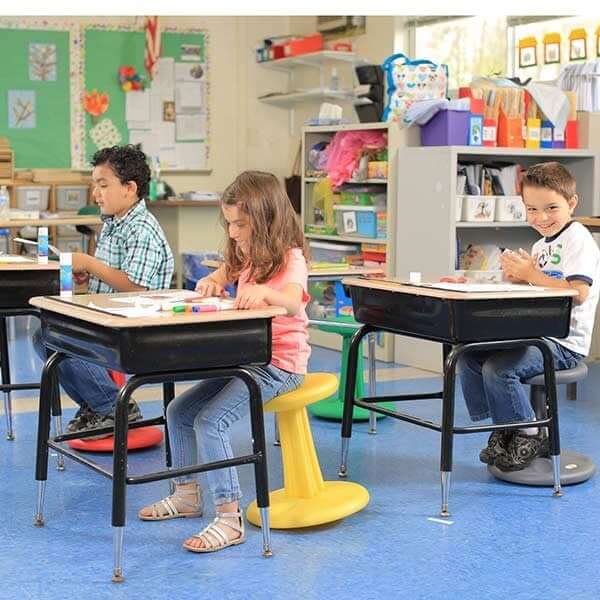
Chances are you've probably seen a therapy ball chair before, probably in an office setting. Child-sized ball chairs, however, make great classroom seating for children with trouble sitting still. As a student seated on a ball chair gently bounces in place, they get the sensory input they need to focus on their lessons as well as muscle tone and posture improvement.
Wobble chairs are a fairly new idea in active seating. They might lack the bounce of a ball chair, but a wobble chair's rounded bottom keeps the sitter's trunk and legs active for muscle strengthening and improved blood flow.
Air Cushions, Pillows and Inflatable Wedges
Therapy ball and wobble chairs are great, but they can weigh heavily on a classroom budget. They also run the risk of calling unneeded attention to the student using the chair being "different" in some way. Unless you're thinking of buying one for every student in the classroom, you might consider something with a lower profile.
Air cushions, vibrating pillows and inflatable wedges are more affordable active seating solutions with an added bonus: versatility. Most ball chairs and wobble stools are made to stay in one place, but cushions and wedges can be taken from their desk to the floor or another classroom with ease. These items also come in a wide variety of styles and textures, allowing you to match one with a child's specific comfort and support needs.
Your Old Friend the Bean Bag Chair
Classroom reading and sensory areas hold special places in the hearts of former students everywhere. These areas are especially important for students with attention or sensory-related disorders who may need a place to get away from the rest of the class and calm themselves.
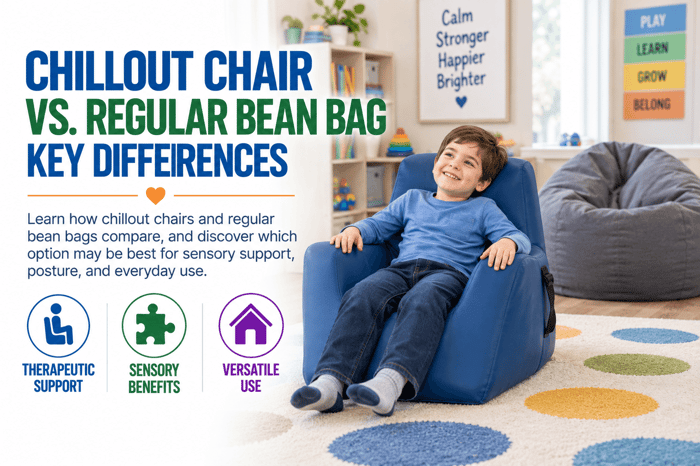
A bean bag chair or two in one of these spaces can be particularly beneficial. As a child sinks into the chair, it molds itself around their body, providing a great deal of calming proprioceptive sensory stimulation. Cradled in the bean bag chair, children may be able to focus better during quiet activities such as reading, listening to a story with headphones or playing with squeeze toys.
Stop Sitting Still!
Here's one last benefit of active seating before we go: It's not just for children with special needs. Anyone can benefit from this kind of seating as a way of staying healthier and more engaged in all kinds of seated activities, even teachers! Whether it's the classroom, office or at home, eSpecial Needs carries a wide variety of active seating options for children and adults no matter where you're sitting. Take a look at what we have to offer, and contact us with any questions you need answered.