Table of Contents
- Key Takeaways: Special Education Classroom Equipment Essentials
- Equipment Categories Every Special Education Classroom Needs
- 1. Adaptive Seating and Positioning Equipment
- 2. Sensory Regulation Tools
- 3. Sensory Room Equipment and Calm-Down Spaces
- 4. Assistive Technology and Communication Devices
- 5. Adaptive Furniture for Classrooms
- 6. Mobility and Movement Equipment
- 7. Fine Motor and Writing Support Tools
- 8. Daily Living Aids for Building Independence
- 9. Visual Supports and Classroom Organization
- 10. Safety and Transfer Equipment
- How to Choose the Right Equipment for Your Classroom
- FAQs
Setting up a special education classroom means thinking beyond desks and whiteboards. Your students depend on equipment that supports how they move, communicate, regulate, and learn. eSpecial Needs helps educators and therapists find the right adaptive equipment and therapy products for every type of classroom setting.
This article walks you through the key equipment categories every special education classroom should include. From sensory tools to assistive technology, each category plays a specific role in creating accessible, supportive learning environments for your students.
Key Takeaways: Special Education Classroom Equipment Essentials
- Adaptive seating and positioning equipment help students maintain posture and focus during instruction.
- Sensory tools and calm-down spaces support self-regulation and reduce classroom disruptions for all learners.
- Assistive technology and AAC devices give nonverbal or minimally verbal students a voice in classroom routines.
- eSpecial Needs offers adaptive furniture, sensory room equipment, and mobility products for K-12 classrooms.
- Mobility and daily living aids build student independence and support participation across the school day.
Equipment Categories Every Special Education Classroom Needs
1. Adaptive Seating and Positioning Equipment
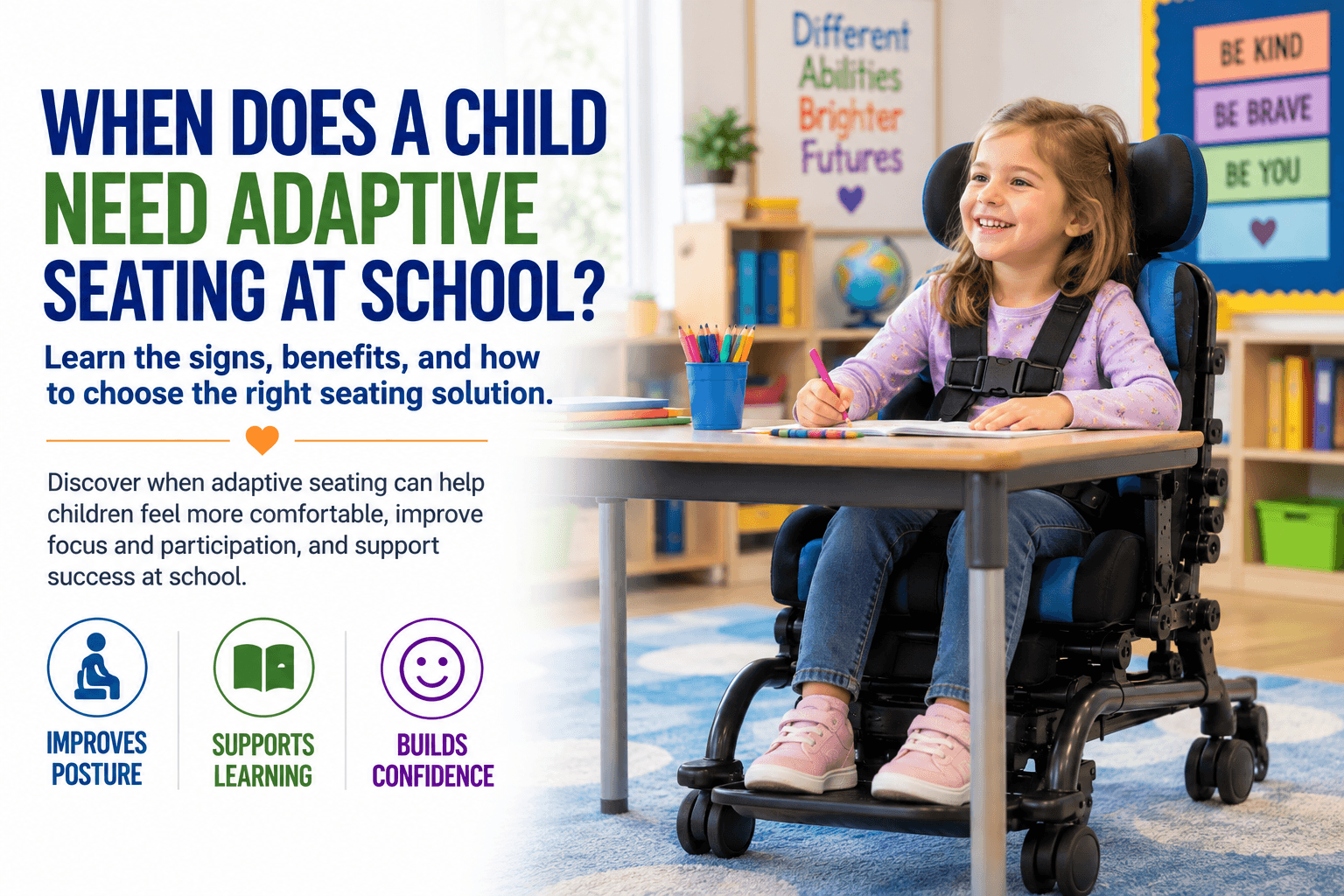
Proper seating is one of the most important factors in a student's ability to attend, participate, and use their hands during classroom activities. Standard chairs often lack the trunk support, hip alignment, or foot placement that many students with physical disabilities need.
Adaptive seating options include positioning chairs, floor sitters, corner chairs, wobble stools, and activity chairs with harness systems. These products help students with cerebral palsy, low muscle tone, or motor delays stay upright and engaged during both group instruction and independent work.
Wiggle Wobble Chair Feet
$23.99
$27.99
Patented Wiggle Wobble Chair Feet transform a standard school chair into a Wobble Chair enabling kids to have an outlet for excess energy while working, alleviating anxiety, hyperactivity and boredom. Kids can rock back, forth and all around as the… read more

2. Sensory Regulation Tools
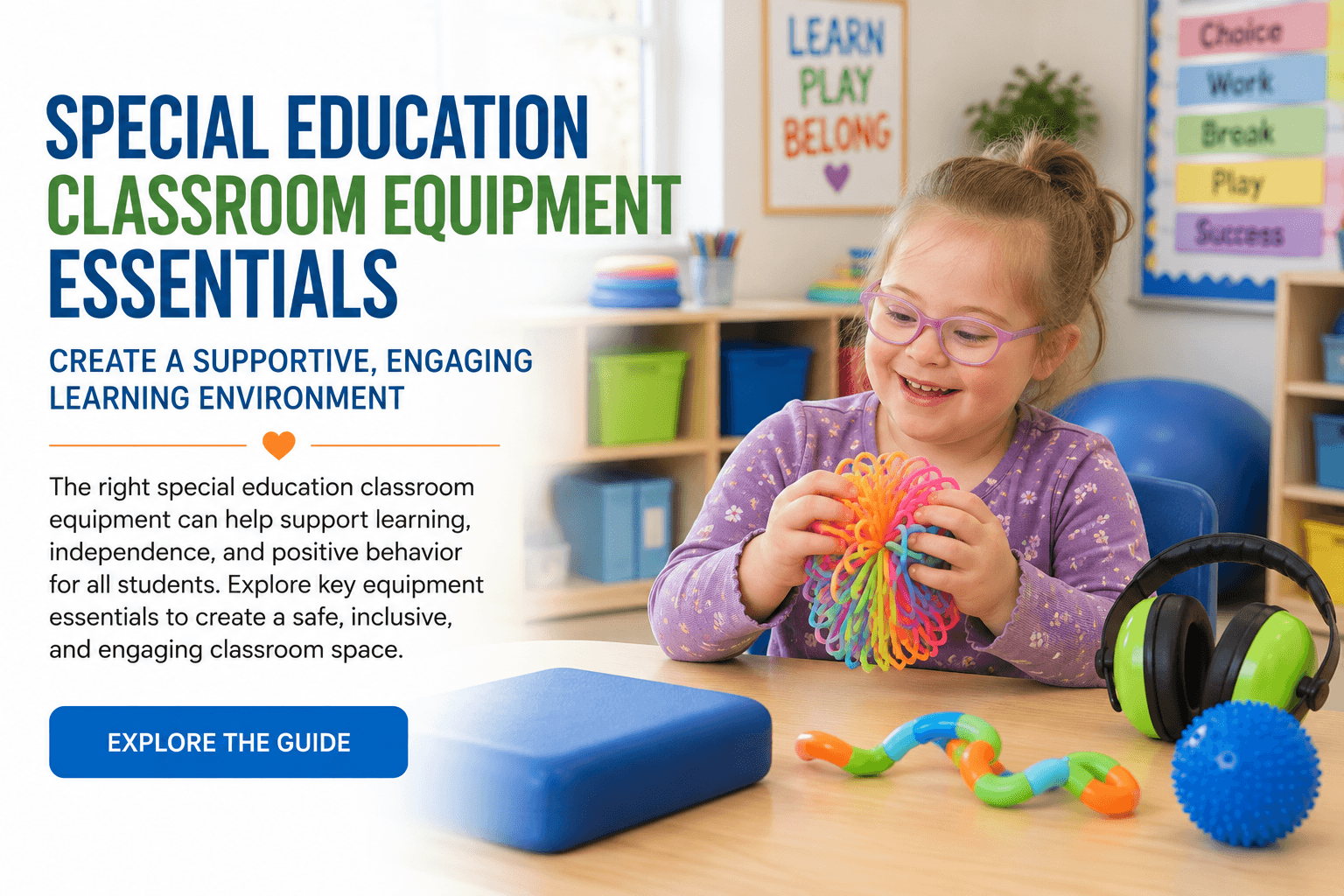
Many students with autism, ADHD, or sensory processing differences need access to calming or alerting input throughout the day. Sensory tools such as fidgets, weighted lap pads, noise-reducing headphones, and body socks can help students return to a regulated state before, during, or after instruction.
A 2025 cluster-randomized trial published in the International Journal of Social Science and Education Research found that classrooms using a structured sensory regulation package saw a 21% reduction in off-task behavior and fewer weekly meltdowns among students with autism.
3. Sensory Room Equipment and Calm-Down Spaces
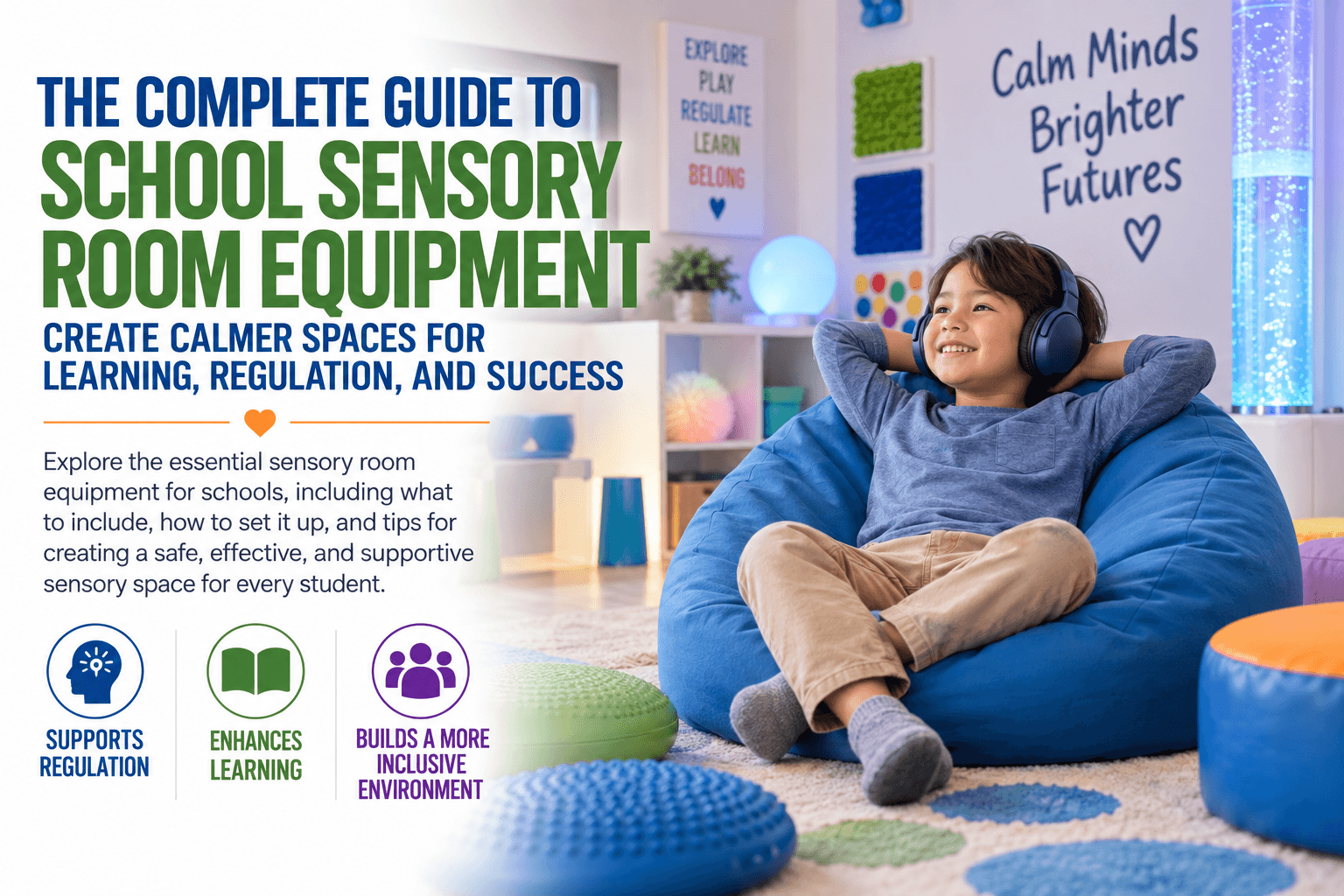
A dedicated sensory area gives students a predictable place to decompress and self-regulate. Even a small calm-down corner with soft seating, a bubble tube, fiber optic lights, and a visual timer can make a measurable difference for students who experience sensory overload during the school day.
Larger programs often include sensory room equipment such as sensory wall panels, crash pads, interactive lighting, and therapeutic swings. These spaces serve as structured regulation zones rather than time-out areas, helping students rebuild focus.
4. Assistive Technology and Communication Devices
Under the Individuals with Disabilities Education Act (IDEA), IEP teams must consider whether each student needs assistive technology devices and services. The U.S. Department of Education's AT guidance clarifies that AT ranges from low-tech visual schedules to high-tech speech-generating devices and AAC systems.
Single-message communicators, choice boards, and switch-activated devices help students express needs, answer questions, and participate in daily routines. Communication access should be available throughout the school day, not only during scheduled speech therapy sessions, so students have a voice in every activity.
5. Adaptive Furniture for Classrooms
Standard desks and tables may not accommodate wheelchairs, positioning systems, or students who need adjustable work surfaces. Adaptive furniture includes height-adjustable tables, accessible desks with wheelchair clearance, therapy mats, calm-down pods, bean bags, and flexible floor seating options.
Classroom furniture should be durable, easy to clean, and matched to each student's size and positioning requirements. Flexible furniture setups allow your room to adapt as your student roster changes throughout the year, keeping every zone of the classroom functional and accessible for everyone.
6. Mobility and Movement Equipment
Students with physical disabilities may need mobility equipment to move safely between classroom zones, the cafeteria, the playground, and the bus. Gait trainers, walkers, standers, and adaptive tricycles each support both functional movement and therapeutic goals set by the IEP team.
For classrooms that serve students with significant motor needs, positioning equipment such as wedges, bolsters, standers, and prone supports help students access instruction from multiple positions throughout the day. This variety supports circulation, alertness, and physical comfort over long school days.
7. Fine Motor and Writing Support Tools
Many students in special education classrooms need help with grip strength, hand coordination, or bilateral hand use. Pencil grips, adaptive scissors, slant boards, and therapy putty can help students practice writing, cutting, coloring, and other fine motor tasks more independently during classroom lessons and art activities.
eSpecial Needs carries a range of fine motor and education products that support classroom participation in handwriting, crafts, and hands-on learning. Occupational therapists can recommend specific tools based on each student's motor profile and IEP goals.
8. Daily Living Aids for Building Independence
Many special education classrooms teach daily living skills alongside academics. Adaptive utensils, scoop dishes, plate guards, dressing aids, and toileting supports help students practice hygiene, self-feeding, dressing, and self-care routines during the school day in a safe, guided classroom environment.
Building these skills at school reinforces what families work on at home. eSpecial Needs offers daily living aids designed to support classroom-based life skills instruction for students of all ages and ability levels, from early elementary through transition-age programs and beyond.
9. Visual Supports and Classroom Organization
Visual schedules, first-then boards, choice boards, and labeled storage bins help students understand routines, manage transitions, and make choices independently. For students with autism, communication delays, or attention difficulties, visual supports reduce the need for repeated verbal prompts and make the classroom environment more predictable.
Color-coded systems, visual timers, and structured work areas are simple, low-cost additions that can strengthen student engagement. These tools give students clear expectations for each activity and transition, supporting more independent participation across the entire school day.
10. Safety and Transfer Equipment
Classrooms serving students with complex mobility or medical needs may require transfer aids, floor mats, crash pads, corner guards, and wall padding. Safety equipment helps protect both students and staff during transfers, positioning changes, and gross motor activities throughout the school day.
Staff should follow each student's care plan, IEP accommodations, and professional recommendations when using transfer or safety equipment. Schools and districts can contact eSpecial Needs for quote requests and expert guidance on building safe, well-organized, and fully equipped classroom environments.
How to Choose the Right Equipment for Your Classroom
Selecting the right special education equipment starts with your students' IEP goals, sensory profiles, mobility needs, and daily routines. Collaborating with occupational therapists, physical therapists, and speech-language pathologists can help you identify the categories that deserve attention first.
eSpecial Needs supports schools and government agencies with quote requests, funding resources, and purchase order processing. Whether you are building a new classroom from scratch or upgrading an existing space, the right equipment helps your students participate, communicate, and grow.
FAQs
What equipment does every special education classroom need?
Every special education classroom should include adaptive seating, sensory regulation tools, assistive technology, communication devices, visual supports, and daily living aids. The specific items depend on your students' IEP goals and individual needs.
How do sensory tools help students in special education?
Sensory tools give students access to calming or alerting input that supports self-regulation. Items like weighted lap pads, fidgets, and noise-reducing headphones help students manage sensory overload and return to a focused state for learning.
Is assistive technology required under IDEA?
Yes. Under the Individuals with Disabilities Education Act, IEP teams must consider whether each student needs assistive technology devices and services. If the team determines AT is necessary, the school district must fund and maintain it.
What is the difference between sensory tools and sensory room equipment?
Sensory tools are portable items such as fidgets, weighted lap pads, and chew tools used throughout the day. Sensory room equipment includes larger installed products like bubble tubes, sensory wall panels, and crash pads used in a dedicated space.
How does eSpecial Needs support school purchasing?
eSpecial Needs supports schools with quote requests, purchase orders, and funding resource guides. The company also works with government agencies and offers a price-match guarantee to help schools stay on budget.