Table of Contents
- Top Rifton Adaptive Equipment Compared
- 1. Rifton Activity Chair: Best for Adaptive Seating and Everyday Participation
- Standard Base vs Hi Lo Rifton Activity Chair
- Rifton Activity Chair for School
- 2. Rifton Dynamic Pacer: Best for Supported Walking Practice
- What Is a Rifton Pacer?
- Standard vs Dynamic Rifton Pacer
- Rifton Mini Pacer for Early Mobility
- Rifton Gait Trainers for Adults
- 3. Rifton Stander: Best for Supported Standing Programs
- What Does a Rifton Stander Do?
- Rifton Stander for School
- Why Sizing Matters With a Stander
- 4. Rifton Mobile Stander: Best for Supported Standing With Movement
- Mobile Stander vs Traditional Stander
- Rifton Mobile Stander for School Participation
- 5. Rifton Adaptive Tricycle: Best for Supported Cycling and Recreation
- Why Choose a Rifton Adaptive Tricycle?
- Rifton Tricycle for Therapy
- Rifton Tricycle for Schools
- 6. Rifton Wave Bathing System: Best for Supported Bathing
- Why Adaptive Bathing Equipment Matters
- Rifton Wave for Home and Care Environments
- Rifton Wave and Transfers
- 7. Rifton HTS: Best for Adaptive Toileting and Hygiene
- Why the Rifton HTS Is Different From a Basic Commode
- Rifton HTS for Growing Users
- Toileting Independence and Caregiver Support
- Rifton Equipment for Early Intervention
- Choosing Rifton Equipment for Adults
- How to Choose the Right Rifton Equipment
- Measure Before Ordering
- Which Rifton Product Is Best?
- Shop Rifton Adaptive Equipment at eSpecial Needs
- FAQs
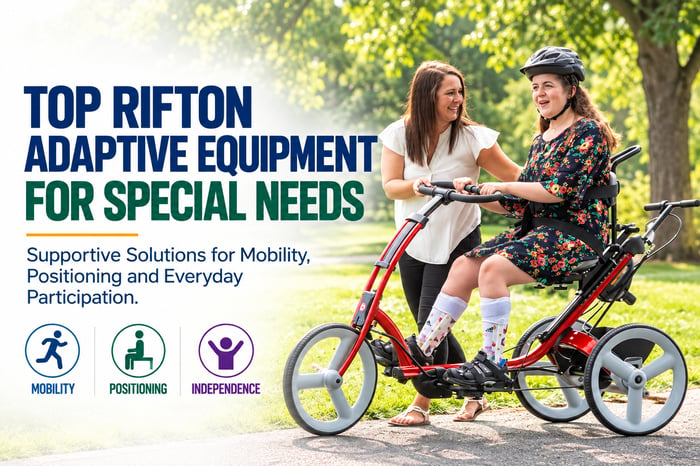
The top Rifton adaptive equipment for special needs is designed to support mobility, positioning, standing, walking, cycling, bathing, toileting, learning, and participation in everyday activities. Rifton products are widely used by families, occupational therapists, physical therapists, schools, clinics, and other care teams because many systems combine extensive adjustability with durable equipment designed for repeated daily use.
The Rifton Adaptive Equipment collection at eSpecial Needs includes supportive seating, gait trainers, standers, adaptive tricycles, bathing systems, toileting equipment, and other rehabilitation products for children, teens, and adults.
Choosing the best Rifton equipment should start with the individual rather than the product. Body measurements, mobility, posture, strength, transfers, environment, caregiver needs, and professional recommendations can all affect which system and configuration is appropriate.
Top Rifton Adaptive Equipment Compared
| Rifton Equipment | Best For | Primary Purpose |
|---|---|---|
| Rifton Activity Chair | Classroom, home, feeding, therapy | Adaptive seating and positioning |
| Rifton Dynamic Pacer | Walking practice and mobility | Supported gait training |
| Rifton Stander | Structured standing programs | Supported upright positioning |
| Rifton Mobile Stander | Standing with mobility | Upright positioning and self propelled movement |
| Rifton Adaptive Tricycle | Therapy and recreation | Supported cycling and active movement |
| Rifton Wave Bathing System | Bathing and transfers | Supported bathing and hygiene |
| Rifton HTS | Toileting and hygiene | Adaptive toileting, showering, and positioning |
These products address very different needs. A gait trainer should not replace appropriate seating, and a stander serves a different purpose from a mobility device. For more help understanding the major equipment categories, see Pediatric Adaptive Equipment: Top Picks by Therapists.
1. Rifton Activity Chair: Best for Adaptive Seating and Everyday Participation
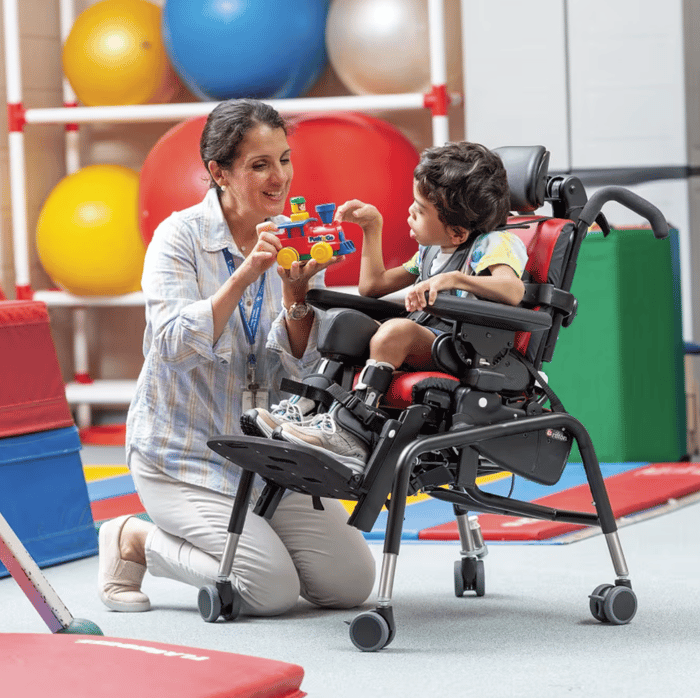
The Rifton Activity Chair is one of Rifton's most versatile adaptive seating systems.
It is designed for users who need more positioning support than a conventional classroom or dining chair provides while still allowing active participation in daily activities.
The Rifton Small Activity Chair is one option within a broader range of Activity Chair sizes and configurations.
Activity Chairs may be used for:
- Classroom work
- Feeding
- Communication
- Fine motor activities
- Occupational therapy
- Physical therapy
- Speech therapy
- Art
- Computer activities
- Social participation
- Home routines
Why the Rifton Activity Chair Stands Out
One of the major advantages of the Activity Chair is adjustability.
Depending on configuration, the seating system can provide options for adjusting areas such as:
- Seat depth
- Seat height
- Back position
- Foot support
- Arm support
- Pelvic positioning
- Trunk support
Accessories can then be selected according to the user's actual positioning needs.
This makes the chair substantially different from ordinary classroom furniture.
The current Rifton Activity Chair range covers users from young children through many teens and adults, depending on size and individual measurements.
For a more detailed look at the system, read The Rifton Activity Chair: Supportive Seating at Home, School, and Therapy.
Standard Base vs Hi Lo Rifton Activity Chair
The Rifton Activity Chair can be configured for different environments.
A standard base may be appropriate when the chair will primarily remain at one table or work surface.
A Hi Lo configuration can give caregivers and professionals greater flexibility in changing seat height for different activities.
Changing chair height may help with:
- Table access
- Caregiver assisted activities
- Peer interaction
- Transfers
- Feeding
- Therapy
- Classroom positioning
The right base depends on how the chair will actually be used.
Rifton Activity Chair for School
Adaptive seating can influence much more than posture.
A properly selected chair may make it easier for a student to access:
- Classroom tables
- Communication devices
- Writing activities
- Art supplies
- Meals
- Technology
- Teacher instruction
- Peer activities
Students who require significant external positioning support generally need a different seating approach than students who simply prefer sensory or active seating.
The guide Understanding Pediatric Adaptive Chairs for Positioning explains these differences in greater detail.
2. Rifton Dynamic Pacer: Best for Supported Walking Practice
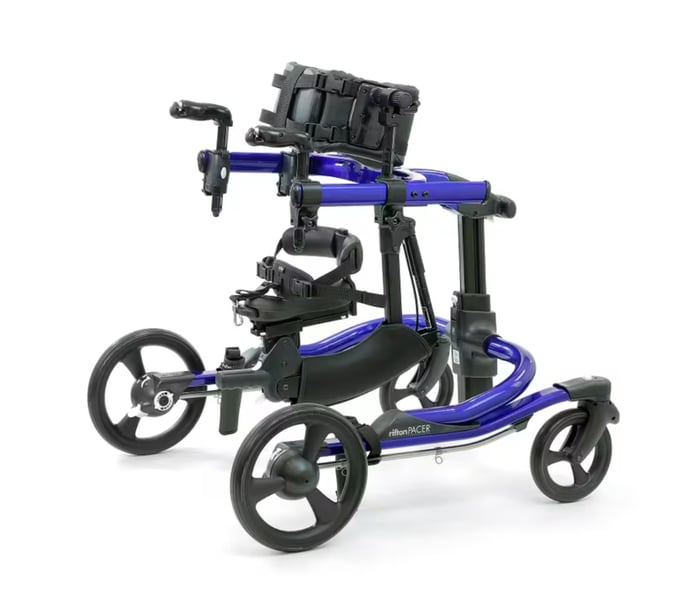
The Rifton Dynamic Pacer Gait Trainer is designed for individuals who need support while practicing walking and stepping. Unlike a basic walker, a gait trainer can be configured with additional supports based on the user's physical abilities.
The Rifton Large Dynamic Pacer Gait Trainer is one of several available sizes within the Pacer system. Other options extend from early intervention sizing through larger adolescent and adult users.
What Is a Rifton Pacer?
The Pacer is a gait training system designed to support individuals who cannot safely or effectively practice walking with a conventional walker alone.
Depending on the configuration, supports may address:
- Pelvic positioning
- Trunk support
- Arm positioning
- Hand placement
- Leg movement
- Directional control
The amount of assistance can be individualized.
A person requiring substantial support may use a different configuration from someone who primarily needs balance assistance.
Explore Gait Trainers for additional supported walking equipment.
Standard vs Dynamic Rifton Pacer
The Dynamic Pacer allows controlled movement within the frame rather than holding the body completely rigid during stepping.
This may allow more natural movement during gait training when appropriate for the individual.
Rifton also offers several frame sizes so clinicians can select equipment around user dimensions rather than age alone.
The Pacer family currently includes sizing that ranges from the Rifton Mini Pacer for very small users through larger Pacer configurations.
Rifton Mini Pacer for Early Mobility
The Mini Pacer is designed around smaller users who are beginning supported gait training.
Early access to appropriately selected mobility equipment can create opportunities to explore an environment from a standing and walking position.
A therapist can determine:
- How much support is required
- Appropriate frame height
- Pelvic positioning
- Arm support
- Direction of use
- Amount of assistance
Gait training equipment should be configured around the individual's abilities rather than simply placing the user inside the frame.
Rifton Gait Trainers for Adults
Rifton gait training equipment is not limited to young children.
Larger Pacer systems and the Rifton E Pacer expand supported mobility options for teens and adults.
For a broader comparison of gait trainers, wheelchairs, walkers, and other adult mobility equipment, read Best Adaptive Mobility Equipment for Adults Compared.
3. Rifton Stander: Best for Supported Standing Programs
The Rifton Stander provides supported upright positioning for individuals who cannot independently maintain standing.
The system is available in several sizes for different user dimensions.
The Rifton Stander Size 1 is designed for smaller pediatric users, while larger configurations expand the system for growing children and adolescents.
Rifton currently offers stander sizing covering user heights from approximately 28 inches through 65 inches across the three primary sizes.
Actual measurements should always be compared with the manufacturer's current sizing information.
What Does a Rifton Stander Do?
A stander helps support the body in an upright position during an individualized standing program.
Depending on configuration, support can be provided around areas such as:
- Feet
- Knees
- Pelvis
- Trunk
- Head
Standing may allow a child to participate in activities from a different position and interact with people or environments at a more upright level.
Any therapeutic standing program should follow recommendations from the individual's physical therapist, occupational therapist, physician, or other qualified professional.
Rifton Stander for School
A stander may be incorporated into school routines rather than being limited to a separate therapy session.
Depending on the student's plan, standing time may be incorporated into:
- Classroom learning
- Art
- Communication
- Social activities
- Tabletop work
- Therapy
- Group activities
This can make positioning equipment part of participation rather than an isolated exercise.
For more information about pediatric positioning equipment, see Positioning Equipment for Children: Top Picks.
Why Sizing Matters With a Stander
Standing equipment requires careful fit.
Important measurements may include:
- Overall height
- Lower leg length
- Knee to hip measurement
- Trunk dimensions
- Support height
- User weight
A stander should not be purchased simply because the user falls below its maximum weight capacity.
Body dimensions and required support are equally important.
4. Rifton Mobile Stander: Best for Supported Standing With Movement
The Rifton Mobile Stander combines upright positioning with opportunities for mobility.
The Rifton Mini Mobile Stander is the smallest version, with additional sizes available for growing children and adolescents.
With the large wheels installed, some users can propel themselves while supported in a standing position.
When the wheels are removed, the stander can also be positioned near tables and other activity surfaces.
Mobile Stander vs Traditional Stander
The primary difference is mobility.
A traditional stander emphasizes supported positioning in a relatively stationary environment.
The Rifton Mobile Stander adds the possibility of user controlled movement when the individual has the ability to propel the system.
This may allow a child to:
- Move alongside classmates
- Approach activities
- Explore a room
- Participate at standing height
- Practice weight shifting
- Combine mobility with upright positioning
Whether a mobile stander or stationary stander is more appropriate depends on the user's goals and physical abilities.
Rifton Mobile Stander for School Participation
The ability to move while upright can change how a student interacts with the classroom.
Rather than remaining positioned in one location, an appropriate user may be able to approach peers, move toward activities, or participate at a counter or table.
The goal is not simply standing. It is participation while supported in standing.
This distinction is one reason adaptive equipment decisions should consider everyday activities rather than only physical positioning.
5. Rifton Adaptive Tricycle: Best for Supported Cycling and Recreation
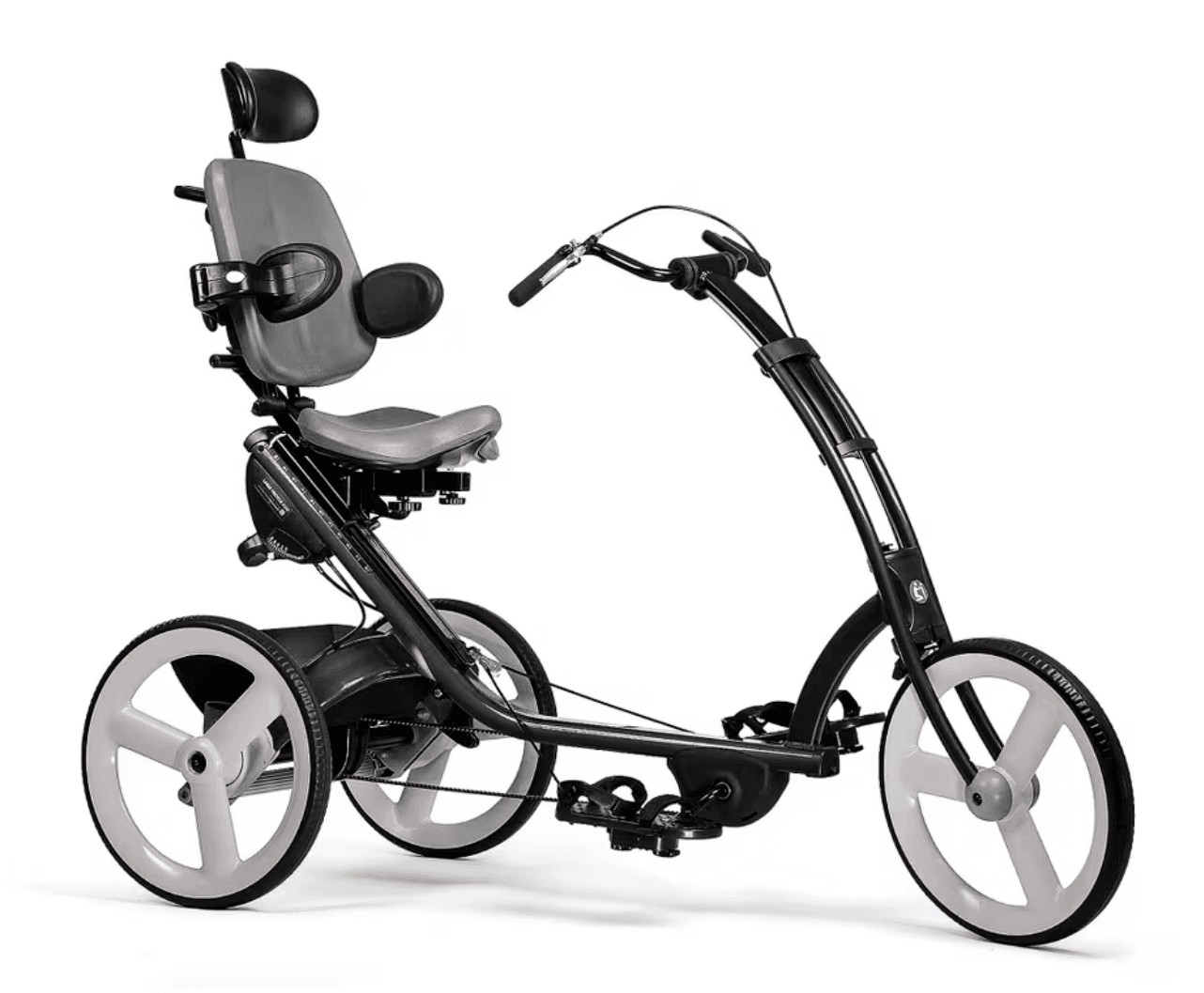
The Rifton Adaptive Tricycle combines supportive positioning with cycling.
It is available in multiple sizes for children, teens, and some adults.
The Rifton Adaptive Tricycle Small includes features such as adjustable handlebars, back support, footplates with straps, a low transfer step, and a caregiver operated parking brake.
Larger sizes are available as the rider grows.
Why Choose a Rifton Adaptive Tricycle?
Traditional bicycles and tricycles may not provide sufficient support for riders who have difficulty with balance, coordination, foot placement, or seated positioning.
Rifton tricycles provide a more structured riding setup.
Depending on the rider and configuration, adaptive cycling may provide opportunities for:
- Reciprocal leg movement
- Active recreation
- Outdoor participation
- Coordination practice
- Endurance activities
- Social riding
- Pedaling practice
The experience can combine physical activity with recreation rather than making movement feel like a traditional exercise session.
Rifton Tricycle for Therapy
Physical therapists may incorporate adaptive cycling into individualized programs involving lower body movement, reciprocal motion, coordination, or endurance.
The rider may still need accessories or physical support based on individual needs.
More accessories are not automatically better. The goal is to provide enough support for safe participation without adding unnecessary components.
Rifton Tricycle for Schools
Adaptive tricycles may be incorporated into:
- Physical therapy
- Adaptive physical education
- Recreation
- Outdoor movement programs
- Gross motor activities
Schools should consider available riding space, supervision, storage, transfers, and helmet or safety policies.
The article Top 6 Adaptive Bikes and Tricycles for Special Needs includes the Rifton Adaptive Tricycle alongside other adaptive cycling options.
You can also browse Rifton Adaptive Tricycles.
6. Rifton Wave Bathing System: Best for Supported Bathing
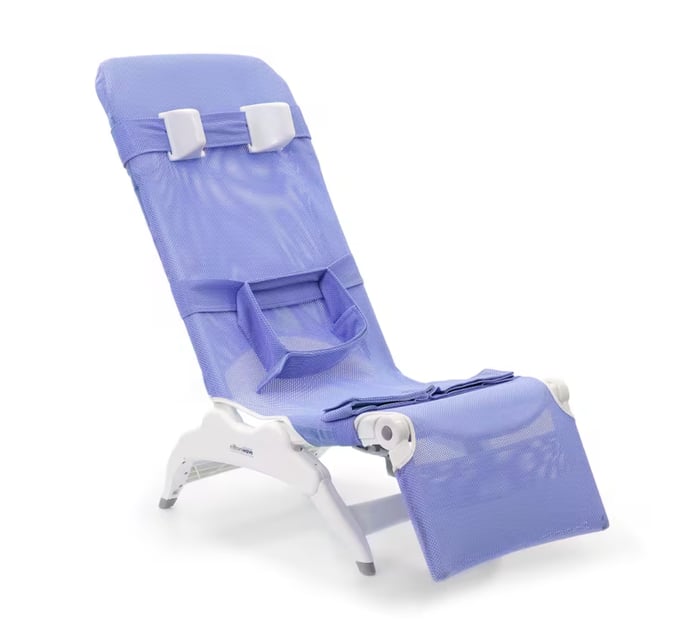
Adaptive equipment is not limited to classroom seating and mobility. The Rifton Wave Bathing System is designed to provide supportive positioning during bathing and hygiene routines.
The Rifton Wave Small Bathing Support System provides a supportive bathing seat, while larger Wave configurations accommodate growing users. The system can be paired with compatible bases depending on the bathroom and transfer needs.
Why Adaptive Bathing Equipment Matters
Bathing can require substantial physical control.
A person may need to manage:
- Sitting balance
- Trunk position
- Head position
- Transfers
- Wet surfaces
- Reaching
- Personal hygiene
A standard bathtub may make these tasks difficult for both the user and caregiver.
Adaptive bath equipment can help create a more supportive position for completing the routine.
Explore Bath Chairs for additional bathing systems.
Rifton Wave for Home and Care Environments
Wave systems may be useful in:
- Home bathrooms
- Residential care
- Pediatric rehabilitation
- Respite care
- Therapy settings
Bathroom dimensions should be considered before ordering.
Measure:
- Tub dimensions
- Shower dimensions
- Door openings
- Transfer space
- Available caregiver space
Equipment may physically fit inside a bathtub while still leaving too little room for a safe transfer or caregiver access.
Rifton Wave and Transfers
Some Wave configurations can be combined with a transfer system designed to reduce the amount of lifting required during tub entry and exit.
Transfer needs should be considered as part of the complete bathing routine rather than evaluating only the bath seat.
For additional help with personal care equipment, read Adaptive Equipment for ADLs: A Caregiver's Guide.
7. Rifton HTS: Best for Adaptive Toileting and Hygiene
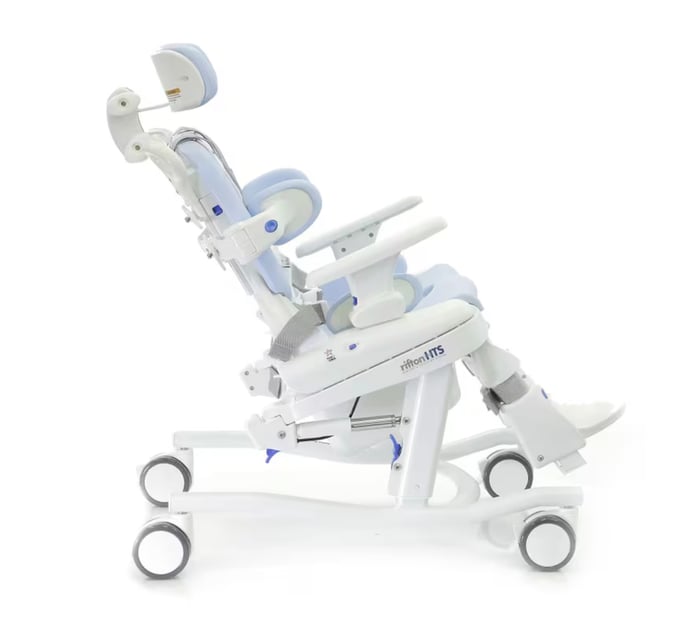
The Rifton Hygiene and Toileting System, commonly called the Rifton HTS, is designed for users who need additional positioning during toileting and hygiene.
The Rifton HTS is available in multiple sizes and configurations for children through adults.
Depending on setup, the HTS may be configured for use:
- On a toilet
- Over a toilet
- As a freestanding commode
- During hygiene routines
- During showering with appropriate configuration
Why the Rifton HTS Is Different From a Basic Commode
A conventional commode primarily provides a toilet seat and frame.
The HTS adds a broader positioning system that can be configured around individual support needs.
Available options can include components for:
- Pelvic positioning
- Trunk support
- Foot support
- Head support
- Arm support
- Seat depth
- Height
- Tilt
This flexibility may be especially important for individuals who have difficulty maintaining a stable seated position during toileting.
Rifton HTS for Growing Users
The HTS is available in several sizes, allowing the system to serve a broad range of users.
Growth and adjustability are particularly important with hygiene equipment because a product may be used every day.
Before selecting a size, consider:
- User height
- Hip width
- Seat depth
- User weight
- Toilet dimensions
- Bathroom layout
- Transfer method
- Level of caregiver assistance
A therapist can help when toileting positioning is complex.
Toileting Independence and Caregiver Support
Independence does not necessarily mean completing an entire toileting routine without assistance.
Adaptive equipment may help a person participate more actively in part of the routine while still receiving help with other steps.
For example, the user may be able to maintain a more stable sitting position while caregivers assist with transfers or hygiene.
For more information about adaptive bathroom routines, see Hygiene Tools and Accessories for Special Needs: Supporting Personal Care and Independence.
Rifton Equipment for Early Intervention
Rifton offers equipment for very small users as well as older children and adults.
Early intervention programs may use products such as:
- Mini Pacer gait trainers
- Small Activity Chairs
- Pediatric standers
- Bathing support
- Adaptive tricycles as children grow
The goal is not to purchase every type of equipment early.
Equipment should address an actual functional need identified by the family and care team.
As children grow, their needs may also change. The guide From Toddlers to Teens: Adaptive Equipment for Growing Children discusses how adaptive equipment needs can evolve over time.
Choosing Rifton Equipment for Adults
Although Rifton is strongly associated with pediatric adaptive equipment, several Rifton product lines extend into adult sizing.
Possible options may include:
- Large Activity Chairs
- Larger Pacer gait trainers
- HTS systems
- Larger adaptive tricycles
- Selected standing equipment
Adult equipment should still be selected using actual measurements and functional needs rather than assuming that the largest pediatric configuration will automatically fit.
The guide Best Adaptive Mobility Equipment for Adults Compared provides additional mobility comparisons.
How to Choose the Right Rifton Equipment
Start with the activity the person is trying to perform.
Ask:
- Is sitting difficult?
- Is supported walking the goal?
- Is a standing program needed?
- Does the user want to participate in cycling?
- Is bathing difficult?
- Is toileting positioning a challenge?
- Are transfers creating difficulties?
- Will the equipment be used at home, school, or therapy?
- How much caregiver assistance is available?
Then determine which product category addresses that specific need.
Avoid purchasing equipment simply because it offers more features.
The most complex product is not necessarily the best product.
Measure Before Ordering
Rifton products are highly adjustable, but adjustability does not eliminate the need for correct sizing.
Depending on the product, measurements may include:
- Overall height
- Hip width
- Seat depth
- Lower leg length
- Elbow height
- Trunk dimensions
- Inseam
- User weight
Check the exact measurement requirements for the selected product.
Which Rifton Product Is Best?
For adaptive classroom and home seating, consider the Rifton Activity Chair.
For supported walking practice, consider the Rifton Dynamic Pacer.
For supported upright standing, compare the Rifton Stander with the Rifton Mobile Stander.
For adaptive cycling and recreation, consider the Rifton Adaptive Tricycle.
For supported bathing, consider the Rifton Wave Bathing System.
For adaptive toileting and hygiene, consider the Rifton HTS.
The best choice depends on the activity, user's measurements, physical abilities, environment, and support needs.
Shop Rifton Adaptive Equipment at eSpecial Needs
Explore the complete Rifton Adaptive Equipment collection at eSpecial Needs for adaptive seating, gait trainers, standing systems, adaptive tricycles, bathing equipment, toileting systems, and mobility products.
Related collections include:
FAQs
How do I know which type of Rifton equipment to start with?
Start with the activity that is difficult rather than with a specific product.
For example:
- Difficulty sitting and participating at a table may point toward an Activity Chair
- Difficulty practicing walking may point toward a Pacer gait trainer
- A standing program may require a stander
- Adaptive cycling may call for a Rifton tricycle
- Bathing challenges may require the Wave
- Toileting support may call for the HTS
The Rifton Adaptive Equipment collection includes equipment across each of these areas.
Should Rifton equipment be chosen by diagnosis?
No. Diagnosis alone does not determine which equipment is appropriate.
Two people with the same diagnosis may have very different needs related to posture, balance, mobility, transfers, communication, strength, and daily routines.
Choose equipment according to the actual activity, physical abilities, measurements, and environment.
Does a child need a therapist recommendation before using Rifton equipment?
Not every product or situation requires the same level of professional involvement, but occupational or physical therapy input can be especially valuable for equipment involving complex positioning, gait training, standing, transfers, bathing, or toileting.
Professional guidance can help determine which supports are actually needed.
Is it better to buy Rifton equipment slightly too large so a child can grow into it?
Usually not.
Some growth room is helpful, but equipment that is significantly oversized may not provide the positioning or control the user needs now.
Many Rifton products include adjustments specifically intended to accommodate growth.
How often should Rifton equipment be resized as a child grows?
Review fit whenever the child grows noticeably or when positioning begins to change.
Signs that an adjustment may be needed include:
- Feet no longer reaching supports properly
- Knees extending too far beyond the seat
- Trunk supports sitting too low
- Straps becoming difficult to position
- The user appearing crowded
- Changes in posture or comfort
Regular fit checks are especially important for equipment used every day.
Can different siblings share Rifton equipment?
Possibly, but only if the product can be correctly adjusted for each user and both users fall within the appropriate size and weight ranges.
Shared equipment should be readjusted for each person rather than assuming one setup works for everyone.