Table of Contents
- What Is an Activity Table?
- Why Table Height Matters
- Adjustable Activity Tables
- Activity Tables for Wheelchair Access
- Activity Tables for Fine Motor Skills
- Activity Tables for Occupational Therapy
- Activity Tables for Sensory Play
- Classroom Activity Tables for Small Group Learning
- Activity Tables and Inclusive Classrooms
- Activity Tables for Arts and Crafts
- Activity Tables for Communication and AAC
- Choosing an Activity Table
- Activity Tables for Home Learning
- Shop Activity Tables at eSpecial Needs
- Why We Like Activity Tables
- FAQs
Activity tables for special needs classrooms can create accessible spaces for learning, therapy, sensory play, fine motor activities, communication, and everyday classroom participation. For children with special needs, the right table can provide a stable work surface at an appropriate height while giving teachers, therapists, and caregivers room to adapt activities around the individual.
The Activity Tables collection at eSpecial Needs includes tables designed for classrooms, therapy spaces, early learning programs, sensory activities, and home environments.
What Is an Activity Table?
An activity table is a versatile work surface designed for hands on learning, play, therapy, or group activities.
Depending on the design, activity tables may be used for:
- Arts and crafts
- Fine motor activities
- Sensory play
- Puzzles
- Manipulatives
- Reading
- Writing
- Communication activities
- Occupational therapy
- Small group instruction
- Life skills practice
- Collaborative learning
Activity tables are especially useful when the same space needs to support several different activities throughout the day.
For schools planning an entire learning environment, Special Education Classroom Equipment Essentials provides additional ideas for combining tables with adaptive seating, sensory tools, communication equipment, and classroom supports.
Big Wide Discovery Table
$329.75
$469.00
The Big Wide Discovery Table is a great way to play for babies and toddlers. Features Constructed in beautiful birch plywood in safe, non-toxic natural UV finish; durable, damage-resistant handy lip along the top perimeter of the table top prevents… read more

Why Table Height Matters
A table that is too high or too low can make activities unnecessarily difficult.
When the work surface is too high, a student may:
- Raise the shoulders
- Have difficulty reaching materials
- Lean backward
- Fatigue more quickly
When the table is too low, the student may:
- Bend forward
- Slouch
- Lose a stable seated position
- Have difficulty using the hands efficiently
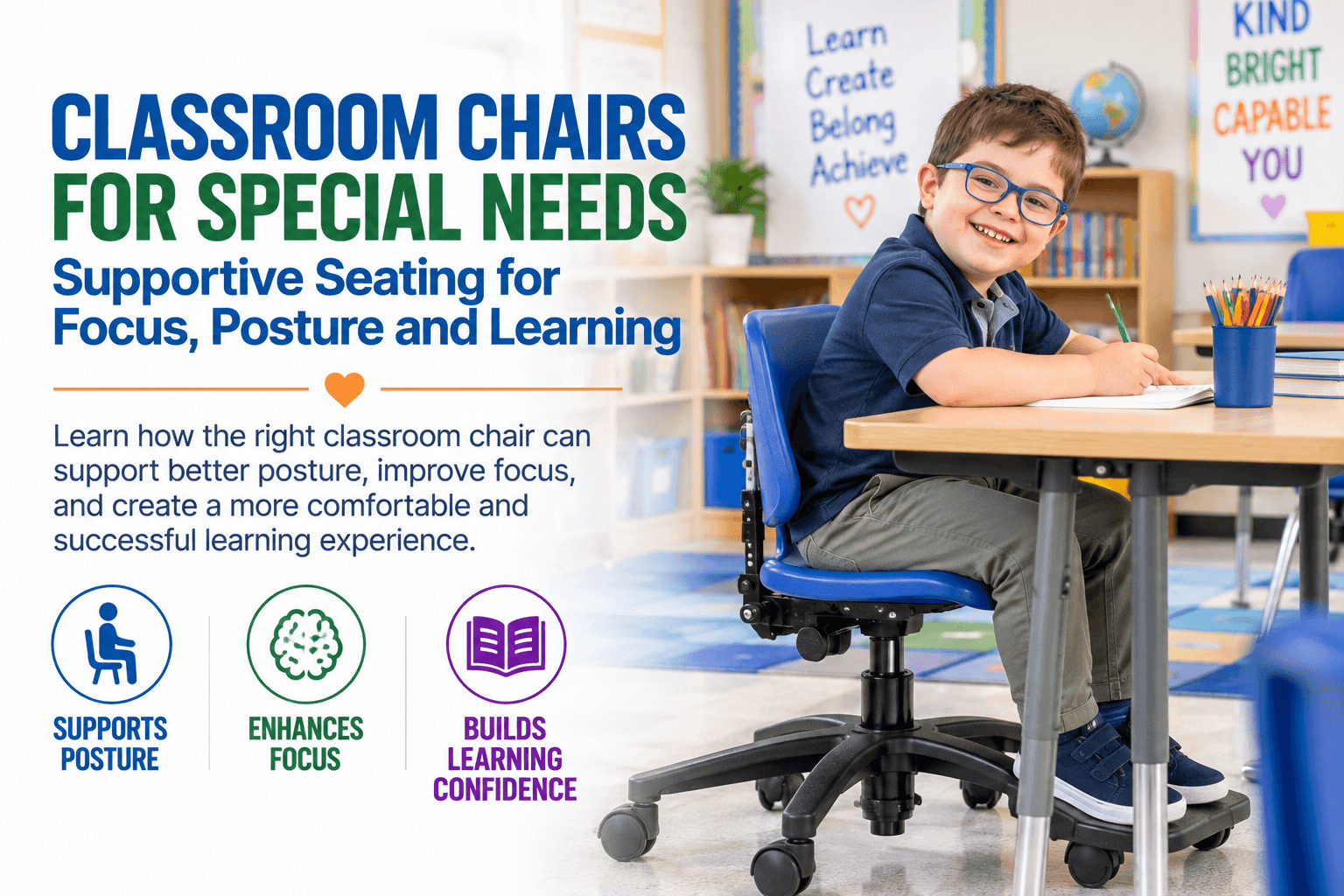
Whenever possible, the activity table and chair should be considered together.
Explore Classroom Chairs and Classroom Seating when building a complete classroom setup.
The article When Does a Child Need Adaptive Seating at School? also explains how table access, foot support, posture, and seating can affect classroom participation.
Adjustable Activity Tables
Adjustable activity tables can be particularly useful in special education classrooms because students may vary significantly in height, mobility, and positioning needs.
Height adjustment can help accommodate:
- Different chair heights
- Adaptive seating
- Wheelchair access
- Growing students
- Multiple age groups
- Different classroom activities
An adjustable table may also allow one piece of furniture to serve several students rather than requiring a separate table for every seating configuration.
Activity Tables for Wheelchair Access
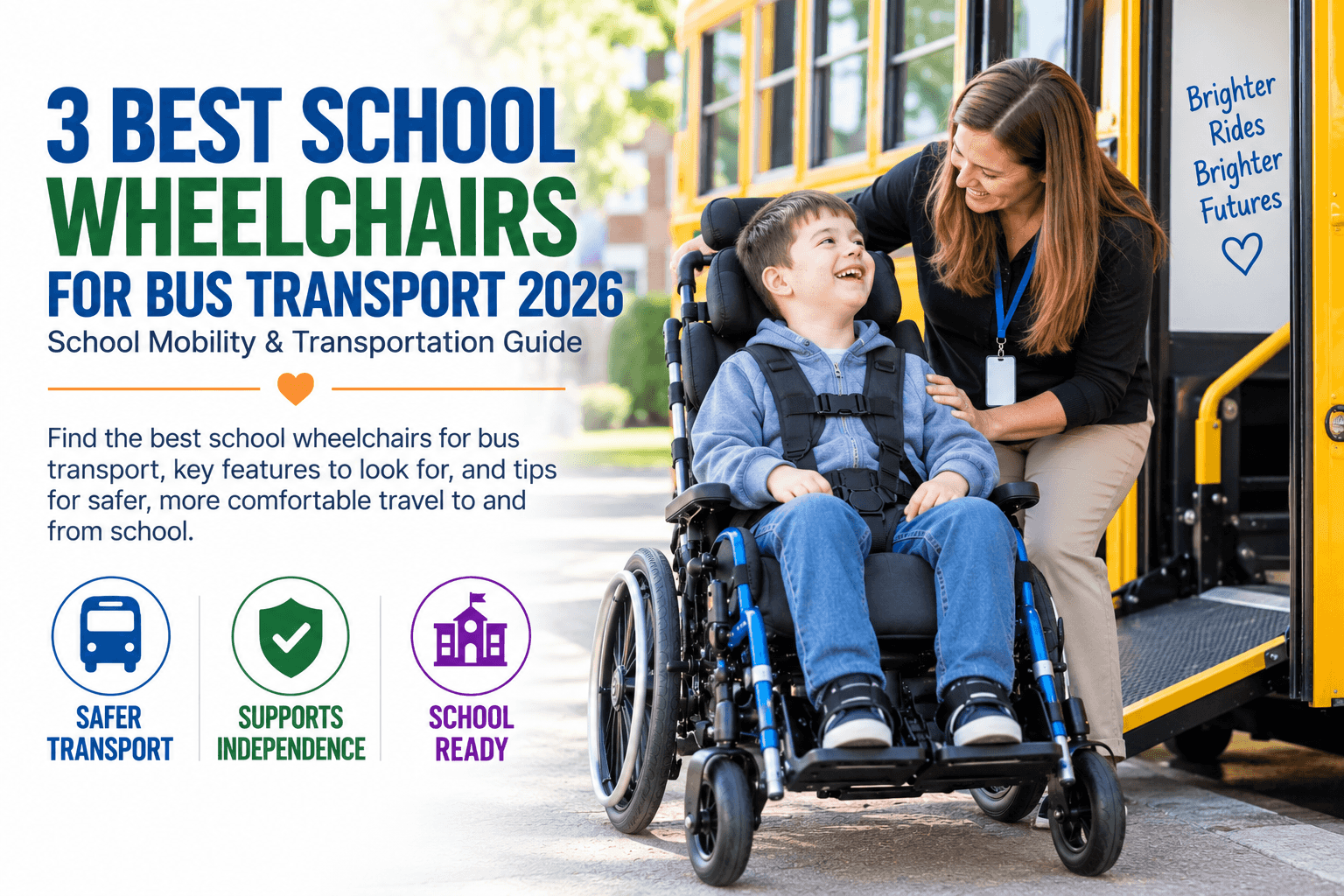
Wheelchair users need enough space beneath the table for their chair, legs, footrests, and positioning equipment.
When evaluating an activity table for wheelchair access, consider:
- Table height
- Clearance underneath
- Table edge shape
- Wheelchair width
- Armrest height
- Footrest position
- Ability to approach the work surface
- Space for staff or caregivers
A table that appears accessible based only on height may still be difficult to use if the frame or legs interfere with the wheelchair.
Browse Wheelchairs and Positioning when coordinating furniture around mobility equipment.
Activity Tables for Fine Motor Skills
A stable table provides an important foundation for fine motor activities.
Children may use activity tables for:
- Beading
- Sorting
- Peg activities
- Puzzles
- Drawing
- Cutting
- Handwriting
- Putty activities
- Manipulatives
- Building toys
When the body is properly supported, the hands may be freer to focus on the activity.
For additional activity ideas, Fine Motor Skills Activities and Tools Every OT Recommends covers grasp, dexterity, hand strength, cutting, writing, and other everyday fine motor skills.
You can also explore Fine Motor Tools for related equipment.
Activity Tables for Occupational Therapy
Occupational therapists may use activity tables during sessions involving:
- Hand strengthening
- Visual motor activities
- Bilateral coordination
- Writing
- Cutting
- Feeding
- Dressing practice
- Communication
- Sensory exploration
- Manipulation tasks
An appropriate table height can help the therapist position materials where the child can access them more effectively.
Some therapy activities may also benefit from Tables, Trays and Easels, especially when the work surface needs to be angled or positioned closer to the user.
Activity Tables for Sensory Play
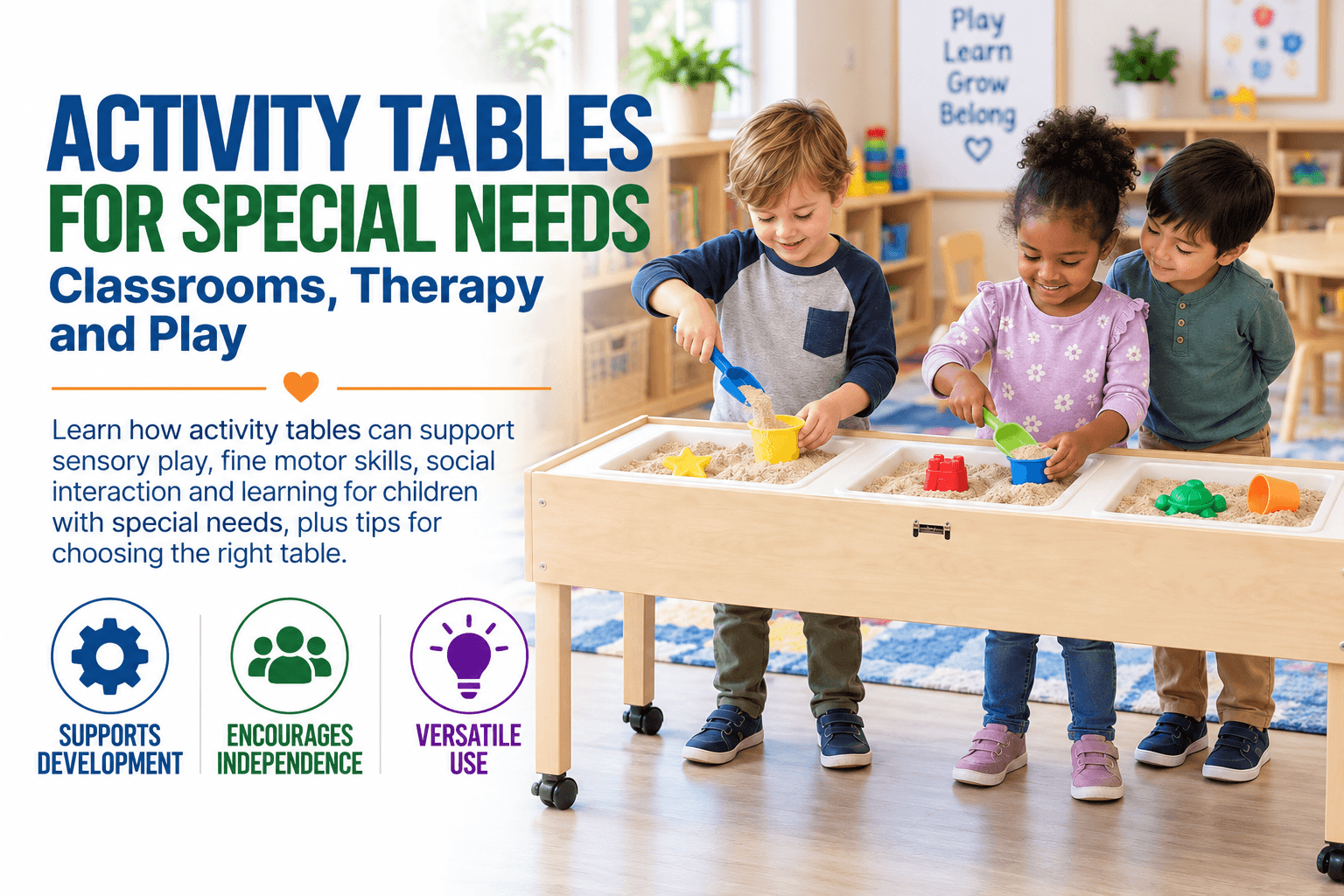
Activity tables can also provide a contained workspace for sensory materials.
Depending on the table and activity, children may explore:
- Sand
- Water
- Putty
- Dough
- Textured materials
- Sorting objects
- Scoops
- Cups
- Manipulatives
For more specialized sensory play, explore Sensory Tables.
The guide Sensory Table: A Complete Guide for Home, School, and Therapy explains how tables can support tactile exploration, fine motor skills, imaginative play, and classroom activities.
Classroom Activity Tables for Small Group Learning
Activity tables can create flexible spaces for small group instruction.
Teachers may use them for:
- Reading groups
- Math activities
- Art projects
- STEM activities
- Games
- Life skills
- Collaborative work
- Communication practice
Table shape can influence how students and teachers interact.
For example, curved or kidney style tables may make it easier for an instructor to work directly with several students at once.
Browse Classroom Tables for additional educational table configurations.
Science Activity Table
$540.77
$584.99
Curious scientists can explore magnets, magnifiers and mirrors at this Science Activity table by Jonti-Craft. Ideal for children's science lessons in preschool classrooms or for use as sensory tables in kids' science museums. The science observation table has six sides… read more

Activity Tables and Inclusive Classrooms
Inclusive classrooms often need furniture that can work for students with different abilities without unnecessarily separating anyone from the group.
An activity table with appropriate clearance and adjustable height may allow students using adaptive seating or mobility equipment to participate alongside classmates.
The article Inclusive Learning Tools Every Classroom Needs explores how accessible furniture, sensory supports, AAC, adaptive seating, and other tools can work together in inclusive learning environments.
Activity Tables for Arts and Crafts
Art activities require enough room for materials while allowing students to comfortably reach the work surface.
Activity tables can provide space for:
- Painting
- Coloring
- Drawing
- Cutting
- Gluing
- Collage activities
- Modeling materials
- Group projects
Students who need adapted writing or art tools may also benefit from Grips and Holders and Handwriting Tools.
Activity Tables for Communication and AAC
For students who use AAC, table access can affect how easily they reach and operate communication equipment.
Consider whether the table provides enough room for:
- Speech generating devices
- Communication boards
- Switches
- Tablets
- Mounts
- Classroom materials
Device placement should allow the student to communicate without sacrificing access to the rest of the activity.
Explore AAC and Communication for additional communication supports.
Choosing an Activity Table
Start by thinking about who will use the table and what activities will happen there.
Consider:
- Table height
- Adjustability
- Overall dimensions
- Wheelchair clearance
- Table shape
- Number of students
- Classroom space
- Durability
- Cleaning
- Mobility
- Edge design
- Chair compatibility
- Therapy needs
- Student reach
The most useful activity table is not necessarily the largest or most adjustable. It is the table that fits the users and activities planned for the space.
Activity Tables for Home Learning
Activity tables can also create a dedicated space for homework, therapy activities, art, sensory play, or independent learning at home.
A consistent work area may help keep materials organized and give the child a predictable place for certain activities.
Families can combine an activity table with:
- Adaptive seating
- Visual schedules
- Fine motor tools
- Writing supports
- Sensory activities
- Communication equipment
For more ideas on creating supportive learning environments, What Equipment Does a Special Education Classroom Need? includes equipment suggestions that can also be adapted for home learning spaces.
Shop Activity Tables at eSpecial Needs
The Activity Tables collection at eSpecial Needs includes tables for special education classrooms, therapy spaces, early learning environments, sensory activities, and home use.
You can also explore Classroom Tables, Tables, Tables, Trays and Easels, Classroom Chairs, and Education Products.
Why We Like Activity Tables
Activity tables can provide a flexible foundation for learning, therapy, sensory play, communication, fine motor activities, and everyday classroom participation.
For students with special needs, table height, accessibility, chair compatibility, and usable workspace can make a meaningful difference in how easily they participate.
By matching the table to the student, seating, mobility equipment, and activity, families and schools can create a more comfortable and accessible space for hands on learning and everyday participation.
FAQs
What makes an activity table different from a regular classroom table?
Activity tables are often designed for more flexible use. Depending on the model, they may offer adjustable height, accessible leg clearance, mobile bases, specialty shapes, or surfaces intended for hands on activities.
Are activity tables good for special education classrooms?
Yes. Activity tables can support individual instruction, group activities, fine motor work, communication, sensory play, and therapy within the same classroom.
For broader classroom planning, see Special Education Classroom Equipment Essentials.
How do I choose the correct activity table height?
The table should allow the student to comfortably reach the work surface without raising the shoulders or leaning excessively forward. Chair height, foot support, arm position, and wheelchair or adaptive seating clearance should all be considered.
Are adjustable height activity tables better for special needs classrooms?
They can be especially useful when students of different heights or seating needs share the same space. Adjustable height can also help accommodate adaptive chairs, wheelchairs, and growing students.
Can activity tables accommodate wheelchairs?
Some can. Look carefully at the clearance beneath the table, overall table height, frame design, leg placement, and the dimensions of the wheelchair.
A table may be high enough but still difficult to access if the frame blocks footrests or the wheelchair base.
Should I choose the chair or the activity table first?
Ideally, consider both together. The student should have appropriate seating and foot support while also being able to comfortably reach the table. If a student already uses adaptive seating, use those measurements when choosing the table.
The guide When Does a Child Need Adaptive Seating at School? provides additional information about classroom positioning.