Table of Contents
- What Is a Sensory Room Package?
- Types of Sensory Room Packages
- What Equipment Should a Sensory Room Package Include?
- Choosing a Sensory Room Package for a School
- Choosing a Sensory Room Package for Home
- Sensory Room Packages for Therapy Clinics
- How to Choose the Right Sensory Room Package
- Sensory Room Packages vs. Buying Equipment Individually
- Building a Sensory Room on a Budget
- Sensory Room Safety Considerations
- Planning a Complete Sensory Room Installation
- Shop Sensory Room Packages at eSpecial Needs
- FAQs
Sensory room packages make it easier to create a dedicated sensory space for children and adults who benefit from calming input, movement, tactile exploration, visual stimulation, or a structured environment for sensory breaks. Instead of selecting every product individually, families, schools, therapists, and care facilities can choose coordinated bundles that bring several sensory experiences together.
At eSpecial Needs, sensory room packages include options for calming sensory rooms, multisensory environments, interactive experiences, and smaller sensory corners. Depending on the package, equipment may include bubble tubes, sensory projectors, fiber optic lighting, mirrors, tactile features, sound systems, padded platforms, and other sensory room components.
The best sensory room is not necessarily the one with the most equipment. It is the one designed around the needs of the people who will use it, the available space, safety requirements, and the goals of the environment.
What Is a Sensory Room Package?
A sensory room package is a coordinated collection of equipment designed to create a sensory environment. Packages may focus on relaxation, visual engagement, tactile exploration, active movement, or a combination of experiences. A complete bundle can simplify planning because buyers do not have to research every component separately. It can also provide a starting point for arranging equipment in a room, classroom, therapy clinic, or dedicated sensory area.
Depending on the package, features may include:
- Bubble tubes and illuminated platforms
- Sensory projectors and visual effects
- Fiber optic lights and tactile fiber optic products
- Mirrors and reflective surfaces
- Sound systems and calming audio
- Interactive sensory activities
- Padded seating or platforms
- Additional components for creating a coordinated sensory environment
Some packages focus on a specific sensory experience, while others combine several types of equipment for a more comprehensive room. Explore the complete Sensory Room Packages collection to compare available options.
Types of Sensory Room Packages
Not every sensory room serves the same purpose. Comparing package types can help you identify a starting point that fits your space and intended users.
Calming Sensory Room Packages
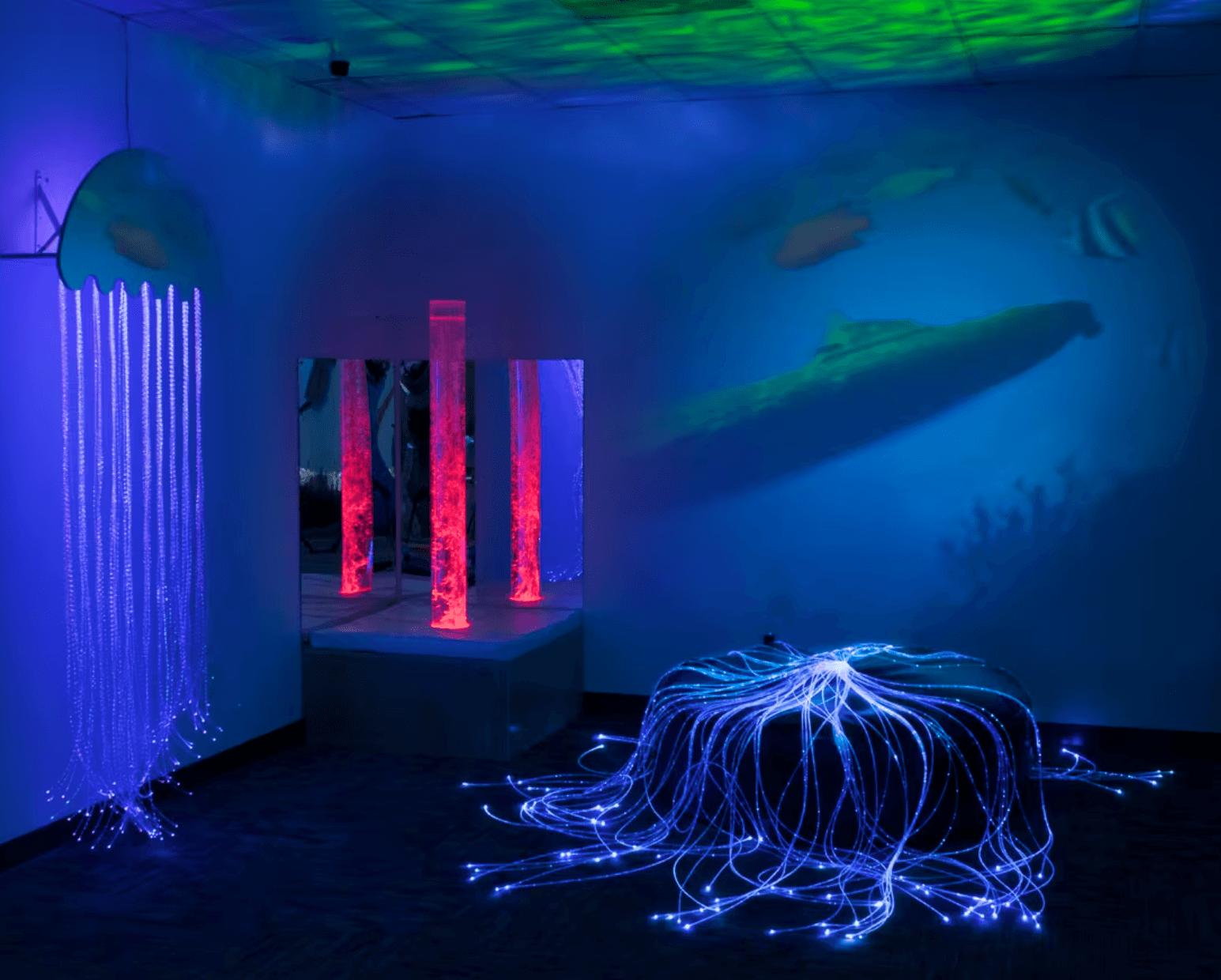
Calming sensory room packages emphasize visual, tactile, and auditory experiences that may feel relaxing for some users.
Depending on the bundle, components can include bubble tubes, fiber optic products, soft lighting, sensory projectors, mirrors, and sound equipment.
These packages may be appropriate for:
- Dedicated calming rooms
- Quiet sensory spaces
- Special education environments
- Therapy clinics
- Residential care settings
- Sensory areas for users who prefer lower intensity activities
A calming package should still allow staff or caregivers to adjust the environment. Bright visuals, music, or illuminated features may be enjoyable for one person but overwhelming for another.
Multisensory Room Packages
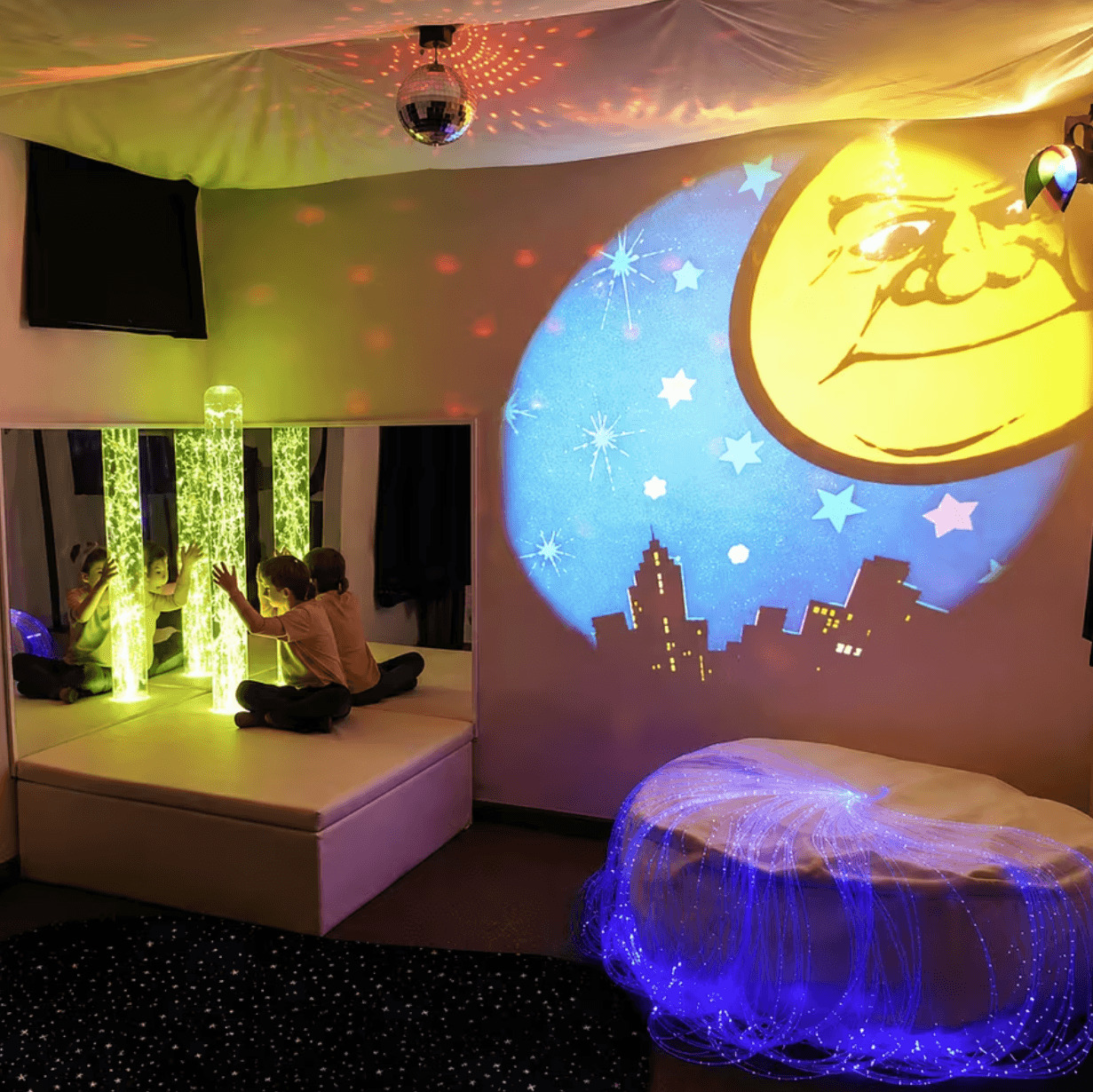
Multisensory packages combine different types of sensory equipment to create a more varied environment. A bundle may incorporate visual movement, tactile exploration, sound, and illuminated features in one coordinated setup. These packages can be considered for schools, therapy centers, hospitals, and facilities serving people with varied sensory preferences. Before selecting a multisensory package, consider whether the room will support one person at a time or multiple users. A larger group may require additional floor space, clear pathways, more seating, and procedures for managing access to equipment.
Themed Sensory Room Packages
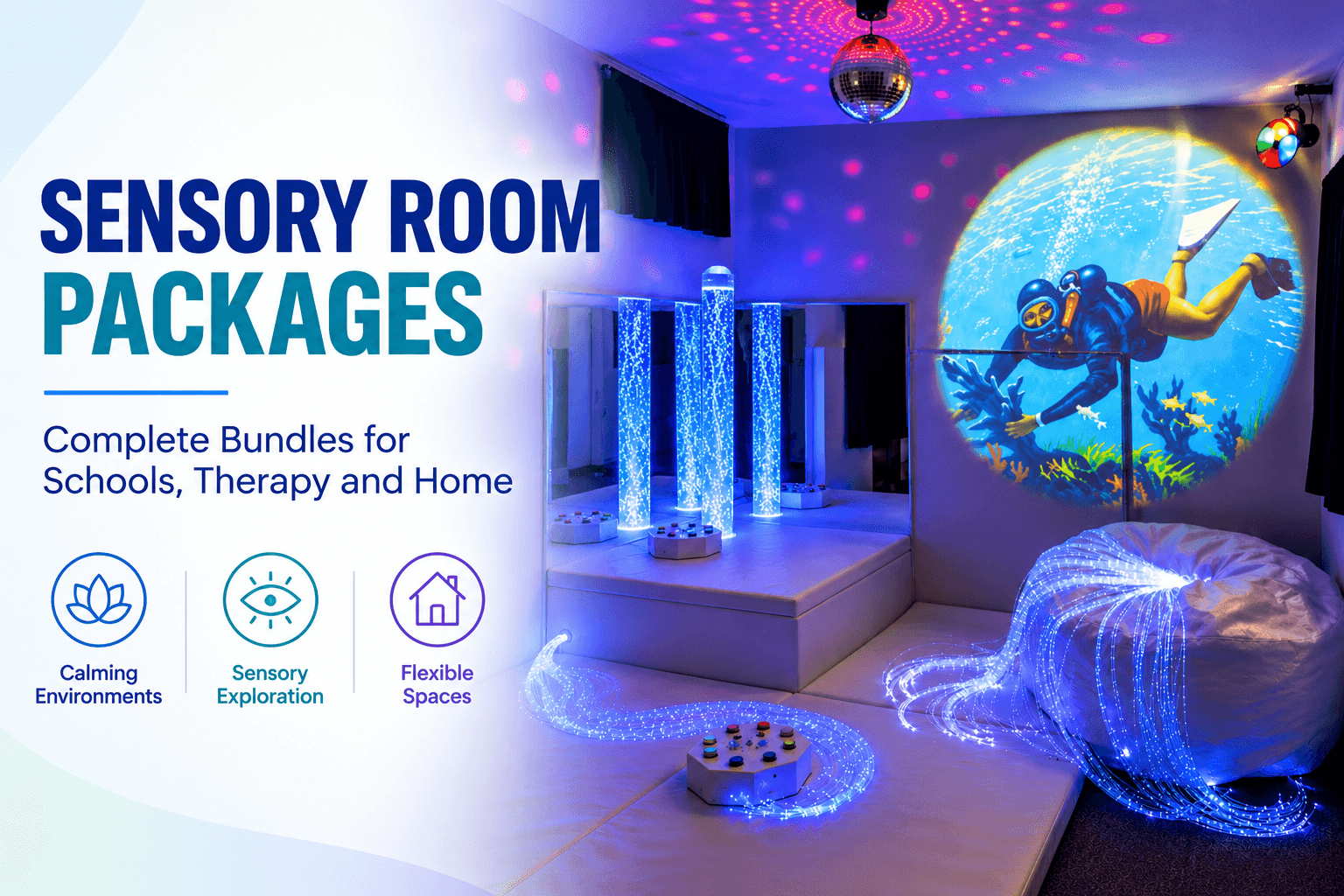
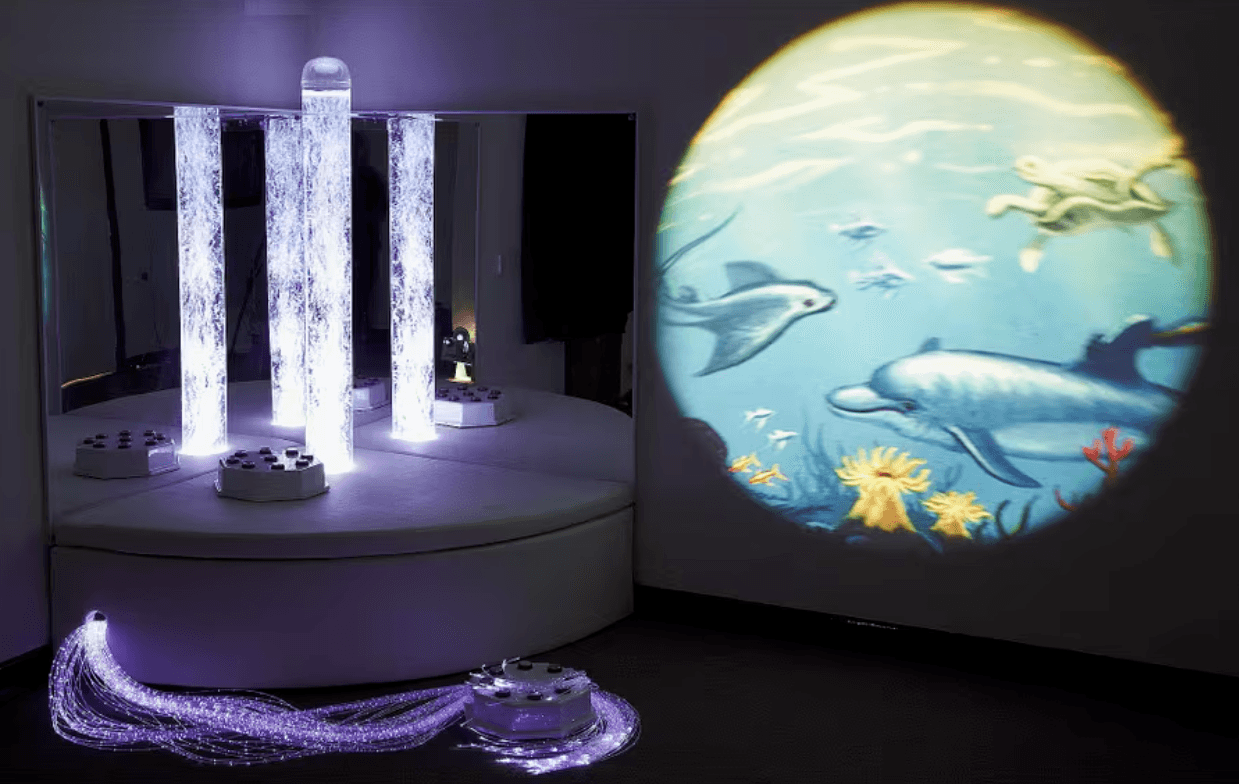
Themed sensory rooms use coordinated visual elements to create a particular atmosphere. An ocean themed environment, for example, may use water inspired projections, aquatic visuals, bubble tubes, and related sensory effects. Themes can help a room feel cohesive and inviting, particularly in pediatric clinics, schools, and children's therapy environments.
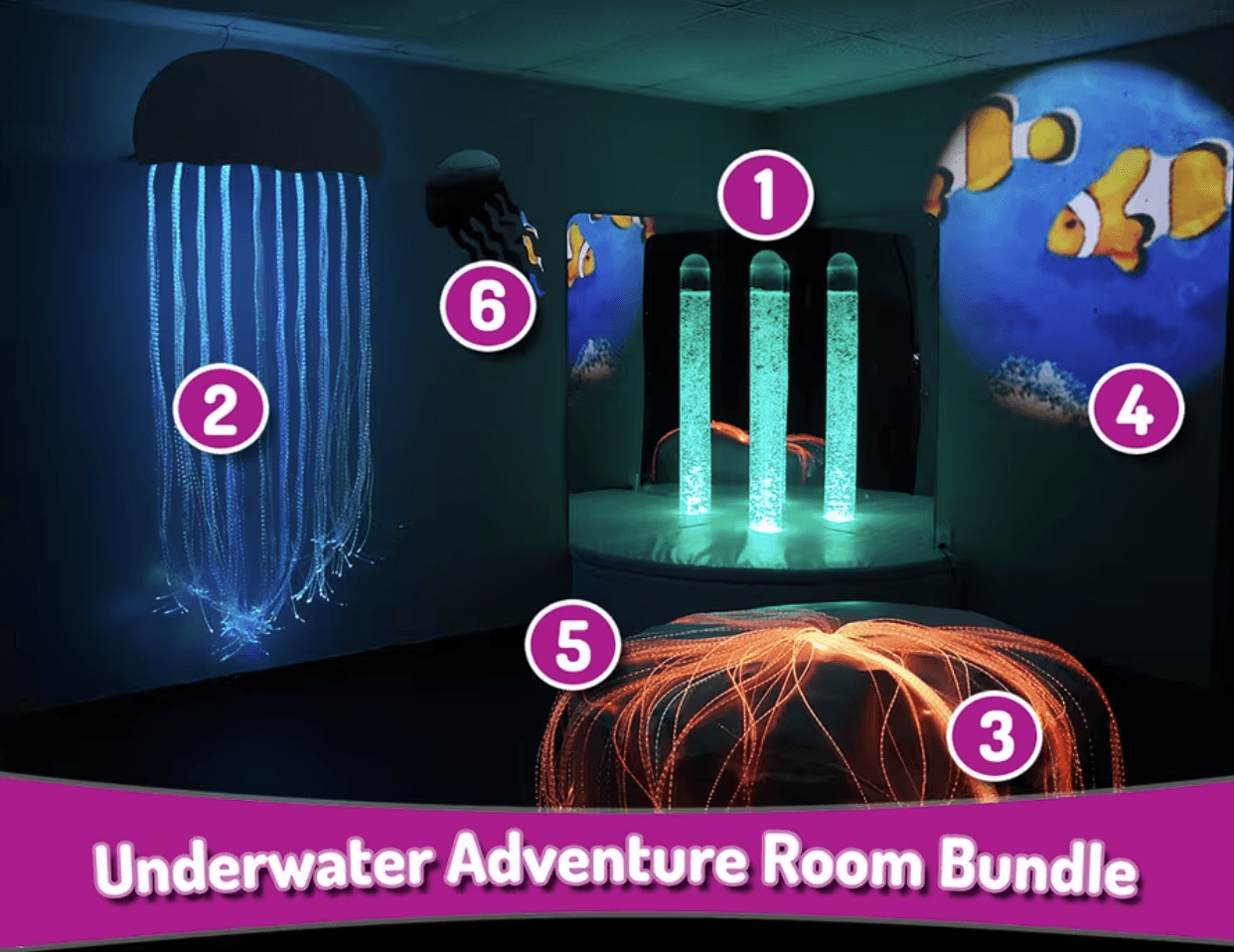
The Ocean Adventure Calming Sensory Room Bundle combines a bubble tube, mirrors, projectors, fiber optic features, and ocean inspired audio elements. When choosing a themed room, remember that the theme is only one consideration. The equipment still needs to match the intended users, the room dimensions, and the preferred sensory experience.
Sensory Room Corner Packages
A sensory room corner may be a practical option when there is not enough space for a complete dedicated room. Corner packages can provide a smaller collection of sensory equipment within a classroom, therapy space, or other shared environment. They may be useful for organizations that want to create a designated sensory area without dedicating an entire room to it.
When space is limited, consider wall mounted equipment, compact seating, storage, and clear floor space. Avoid filling a small area with so many products that it becomes difficult to navigate.
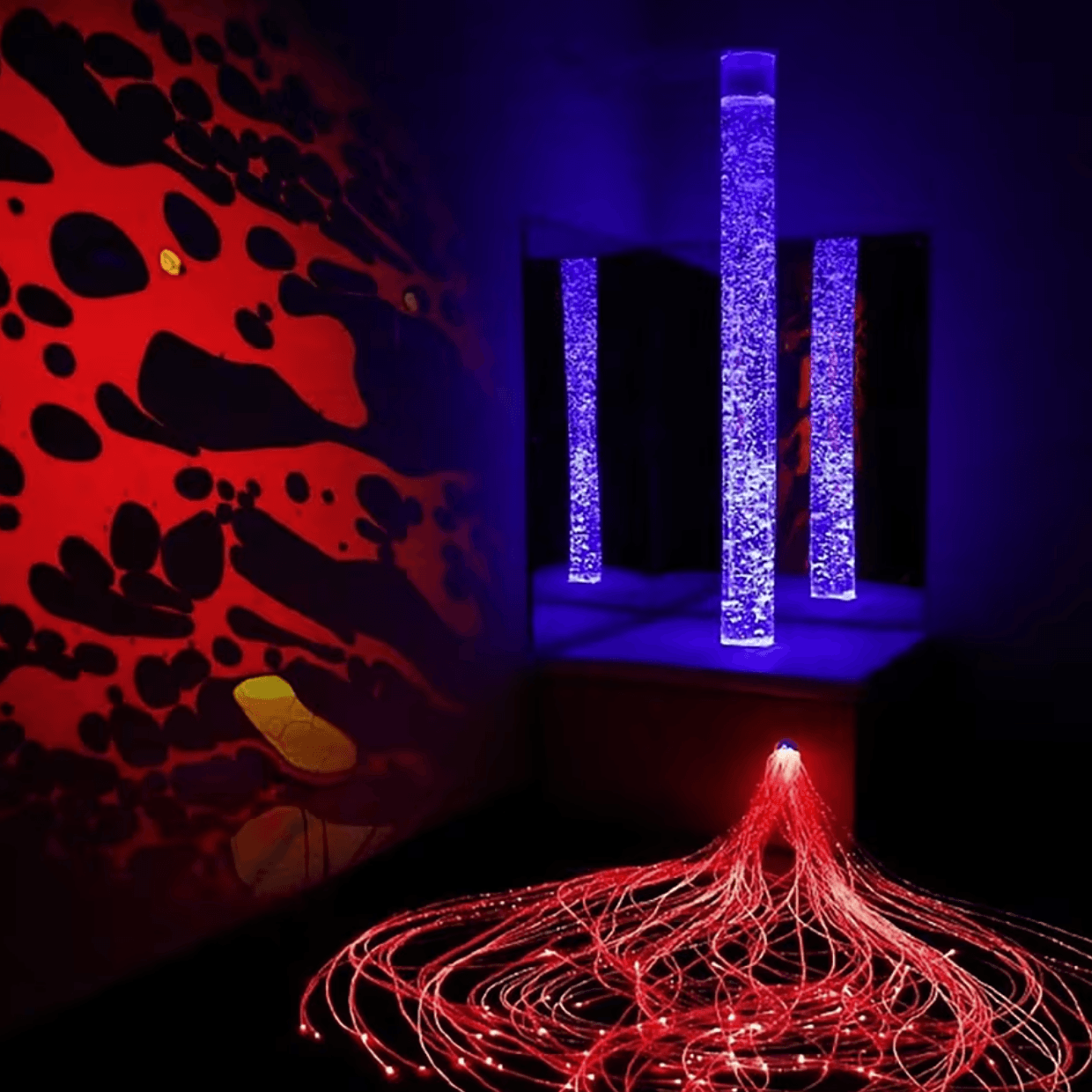
Bubble Tube and Visual Sensory Packages
Bubble tubes and visual sensory equipment are common elements in multisensory environments. A bubble tube can provide moving bubbles, changing light, and a focal point for visual exploration. Projectors can add patterns or moving images to a wall or ceiling. Some users enjoy watching these effects, while others may prefer simpler or less stimulating visual experiences. If you are primarily interested in illuminated equipment, browse Bubble Tubes and Visual Stimulation.
Compact Sensory Stations
Some settings need a self contained sensory area rather than a fully equipped room. A sensory station may be suitable for a small clinic, school intervention area, or facility that needs a designated space for individual sensory activities. The Vecta Deluxe Sensory Station is one option listed in the eSpecial Needs sensory room package collection. Before purchasing a station, review its dimensions, included equipment, electrical requirements, access needs, and intended use.
What Equipment Should a Sensory Room Package Include?
The right equipment mix depends on the room's purpose. Understanding common product categories can help you evaluate package contents.
Bubble Tubes
Bubble tubes provide moving bubbles and illuminated visual effects. They may be used as a focal point for visual exploration or as one component of a larger multisensory environment. Consider tube height, platform dimensions, placement, maintenance requirements, and secure installation before choosing a model.
Sensory Projectors
Projectors can display moving patterns or images on walls and ceilings. They may be useful in spaces designed for visual exploration, themed environments, or quieter sensory activities. Look for information about projection distance, room lighting, controls, mounting, and compatible effect wheels when comparing products.
Fiber Optic Products
Fiber optic equipment can provide illuminated strands for visual and tactile exploration. Depending on the product, users may watch the lights, touch the strands, or incorporate them into supervised sensory activities. Review the manufacturer's guidance for use, cleaning, handling, and supervision.
Mirrors
Mirrors can reflect light and create visual depth in a sensory environment. They are often paired with bubble tubes or other illuminated equipment to change the appearance of the space. Use products designed for the intended environment and follow mounting and safety recommendations.
Sound Equipment
Some sensory room packages include sound systems or audio features. Audio may be used for music, environmental sounds, or other listening activities. Consider volume controls, sound sensitivity, room acoustics, and whether the user prefers sound or silence. A quiet mode can be important in a room serving people with different sensory needs.
Tactile and Interactive Equipment
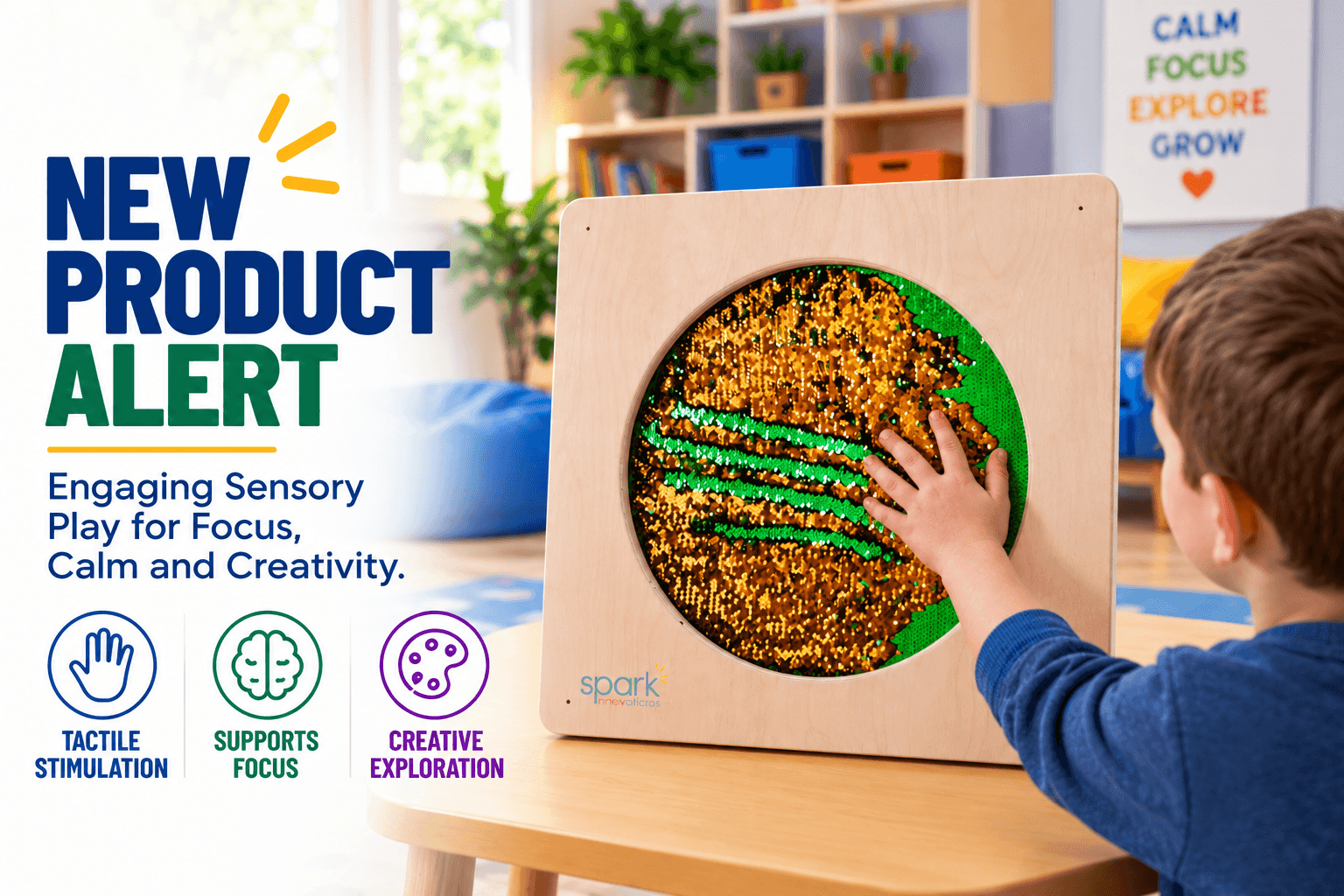
Tactile products and interactive panels allow users to explore textures, patterns, switches, and other hands on activities. They can offer alternatives to visual or auditory equipment and may be useful for fine motor activities. Explore Sensory Wall Panels and Tactile Stimulation Products for additional options.
Seating and Comfortable Retreat Areas
Some rooms benefit from comfortable seating where users can pause, observe, or take a break. Depending on individual needs, a space may include floor cushions, bean bags, or other supportive seating products. Sensory seating is not the same as prescribed postural support seating. People who need specialized positioning should use equipment selected for their specific support needs. Explore Chairs and Seating when planning a seating area.
Movement Equipment
A sensory room may also include equipment for movement, balance, or active play. However, movement equipment requires additional space and safety planning. Swings, suspended equipment, and larger motor products may need specialized installation, protective surfaces, and trained supervision. Explore Sensory Motor Tools and Vestibular and Motion Products to compare options.
Choosing a Sensory Room Package for a School
School sensory rooms may serve students with different ages, abilities, communication methods, and sensory preferences. A package should be selected with those differences in mind.
Identify Student Needs
Start by reviewing the students who will use the space.
Consider:
- Age range
- Sensory preferences
- Mobility and positioning needs
- Communication methods
- Visual and auditory sensitivities
- Supervision requirements
- Individual education and therapy goals
Occupational therapists, special education teachers, physical therapists, and other relevant professionals can help identify appropriate equipment.
Decide How the Room Will Be Used
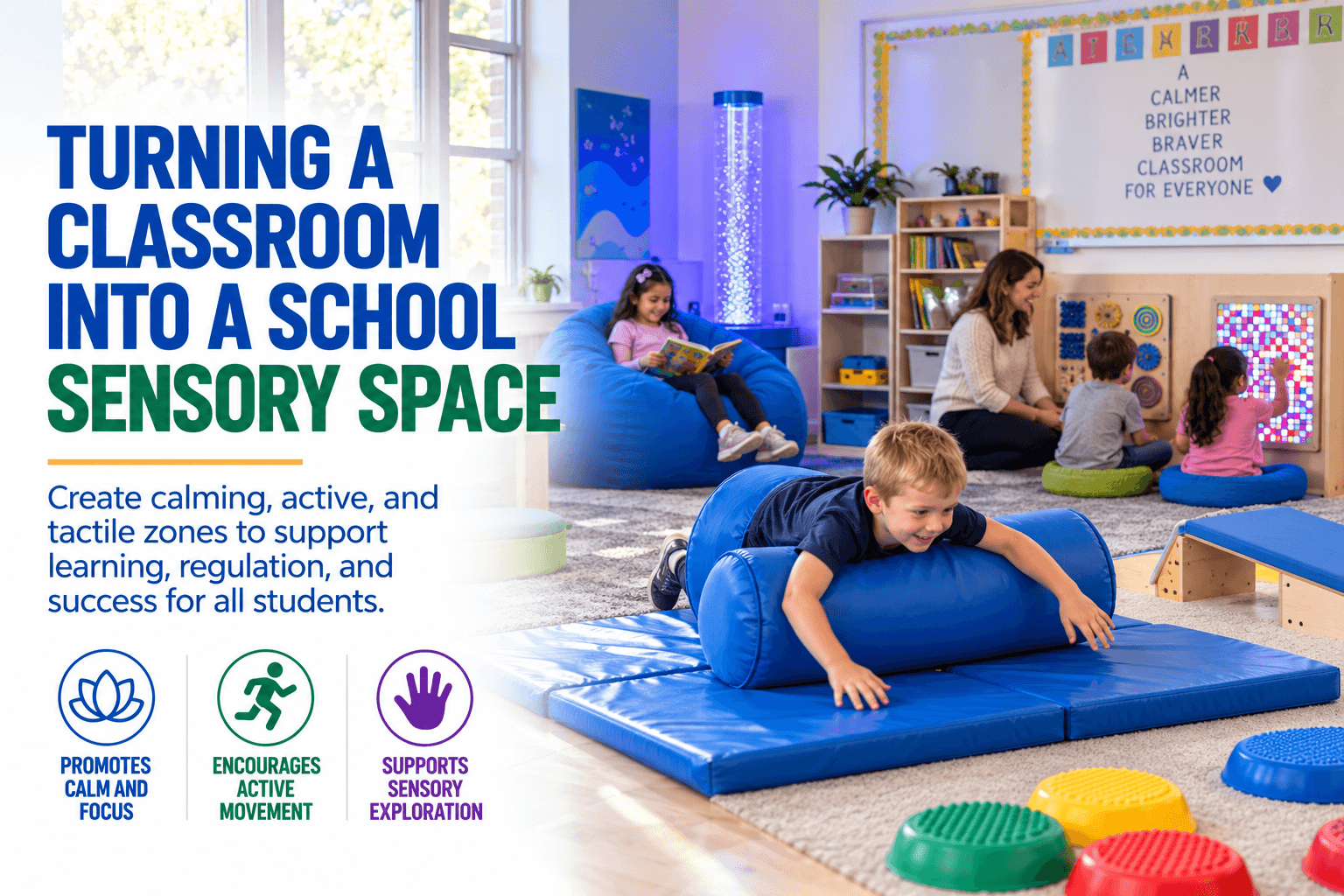
Will students use the room for calming breaks, active movement, therapy activities, sensory exploration, or a combination of purposes? A room designed for quiet breaks may need different equipment from a space intended for movement and gross motor activities. If the room must serve multiple purposes, separate active equipment from quiet areas where possible.
Plan for Shared Use
Schools may need to consider how many students can safely use the room at one time. A package designed for individual use may not provide enough seating or activity options for a small group. Create clear routines for access, supervision, cleaning, and equipment use.
Review Accessibility
Make sure students using wheelchairs, gait trainers, or other mobility equipment can enter and navigate the space. Consider door widths, turning space, equipment placement, reach height, seating transfers, and access to controls. A sensory room should be designed around the people who will use it rather than expecting everyone to adapt to the room. For additional planning guidance, read How to Build a School Sensory Room on a Budget.
Choosing a Sensory Room Package for Home
Home sensory spaces can range from a small corner to a dedicated room. Before choosing a package, consider where it will be installed, who will use it, and how it will fit into everyday routines.
Measure the Available Space
Measure the room before purchasing equipment. Include space for the equipment itself, access pathways, seating, and safe movement around the products. Some packages require additional clearance or specific ceiling heights. Check the product specifications rather than relying on the package name alone.
Choose Equipment That Fits Your Household
A package may include products that are useful for one family but unnecessary for another. Think about the activities the user already enjoys, what tends to feel overwhelming, and what kinds of sensory experiences are preferred. If the main goal is a quiet retreat, a large active play setup may not be appropriate. If movement is a priority, a collection of visual products alone may not meet the need.
Consider Everyday Maintenance
Some equipment requires regular cleaning, water maintenance, electrical connections, or component checks. Choose products that your household can maintain safely and consistently. For families beginning with a small area, a few well chosen sensory tools may be more practical than a full room installation.
Sensory Room Packages for Therapy Clinics
Therapy clinics often serve users with varied sensory, motor, communication, and functional goals. A package may help establish a coordinated sensory environment, but therapists should still consider whether each component is appropriate for the individuals receiving services.
When planning a clinic sensory room, review:
- Equipment durability
- Ease of cleaning
- Adjustability
- User weight and size requirements
- Safe mounting
- Available floor space
- Storage needs
- Supervision and access procedures
- Maintenance requirements
A flexible setup can make it easier to adapt the room for different users and activities. For more guidance, explore Sensory Room Equipment: What to Buy First.
How to Choose the Right Sensory Room Package
Selecting the right bundle involves more than comparing the number of products included. Use the following steps to narrow your options.
1. Define the Main Purpose
Write down the primary reason for creating the space.
Examples include:
- Providing a quiet place for sensory breaks
- Offering visual and tactile exploration
- Supporting therapist led activities
- Creating a themed multisensory environment
- Providing movement opportunities
- Adding a sensory corner to a classroom
A clear purpose helps you avoid purchasing equipment that does not support your goals.
2. Identify the Intended Users
Consider the age, size, mobility, communication, and sensory preferences of everyone expected to use the room. A product that works well for one person may not be appropriate for another.
3. Measure the Room
Record room dimensions, ceiling height, doorway clearance, electrical outlet locations, and any permanent obstacles. Review the dimensions and installation requirements for each package.
4. Compare Package Contents
Read the product description and specifications carefully. Check whether the package includes all the equipment you need, or whether additional accessories, installation hardware, flooring, seating, or other products must be purchased separately. Do not assume that every package includes the same types of equipment.
5. Consider Sensory Intensity
Think about the combination of lighting, sound, movement, and tactile input. A room with several active visual and auditory features may be too stimulating for some users. Whenever possible, choose equipment that allows the environment to be adjusted and gives users meaningful choices.
6. Review Installation Requirements
Bubble tubes, mirrors, projectors, ceiling mounted equipment, and wall panels may have different installation requirements. Determine whether professional installation is needed and whether the room can support the equipment safely.
7. Plan for Maintenance
Review cleaning instructions, replacement parts, water treatment needs, electrical requirements, and ongoing inspection. For a school or clinic, assign responsibility for regular equipment checks.
8. Compare the Total Cost
Look beyond the package price. The full project budget may need to account for shipping, installation, mounting hardware, electrical work, room preparation, protective flooring, additional accessories, and staff training. Request a detailed quote when planning a larger installation.
Sensory Room Packages vs. Buying Equipment Individually
Both approaches can work well, but each has advantages.
| Consideration | Sensory room package | Individual equipment |
|---|---|---|
| Planning | Provides a coordinated starting point | Requires selecting each component |
| Product selection | Some decisions are already grouped together | Greater control over every item |
| Budgeting | May simplify initial cost planning | Costs can be spread across purchases |
| Customization | Depends on available package options | More flexibility to match specific needs |
| Existing equipment | May duplicate products already owned | Easier to fill specific gaps |
| Installation | Requirements depend on the included equipment | Requirements vary by selected product |
A package may be the most convenient option when building a new room from scratch. Individual purchases may be preferable when you already own equipment, have a very small space, or need highly specific products. You can also combine both approaches by starting with a package and adding selected products later.
Building a Sensory Room on a Budget
A useful sensory space does not need to be completed all at once. If your budget is limited, prioritize the activities and equipment that address the most frequent needs.
A phased plan might include:
Phase 1: Establish the basics
Choose a suitable seating option, a few tactile activities, visual supports, and organized storage.
Phase 2: Add a focal sensory feature
Consider a bubble tube, projector, or interactive wall panel if it fits the room's goals.
Phase 3: Expand activity choices
Add complementary sensory products or fine motor activities based on how the space is being used.
Phase 4: Consider larger equipment
If needed, plan for more complex multisensory equipment, movement products, specialized installation, or additional accessibility features.
This approach allows schools and families to learn what works before investing in a larger setup. For additional ideas, read Sensory Room Packages: Best Bundles for Every Budget.
Sensory Room Safety Considerations
Safety should be part of the purchasing and design process, not something addressed only after the equipment arrives.
Secure Installation
Follow manufacturer instructions for wall mounted and suspended equipment. Use appropriate mounting hardware and verify the wall or ceiling can support the installation.
Clear Pathways
Keep doorways, exits, and movement routes unobstructed. Arrange equipment so users can access activities without unsafe reaching, climbing, or navigating around unnecessary obstacles.
Appropriate Supervision
Determine which products require direct supervision and establish procedures for their use. Movement equipment and products with specific positioning or weight requirements may require additional professional guidance.
Individualized Sensory Choices
Not every sensory activity will suit every person. Allow users to choose activities when possible, observe their responses, and change the environment if a feature appears uncomfortable or overwhelming.
Cleaning and Maintenance
Create a routine for inspecting equipment, cleaning surfaces, checking mounting hardware, and addressing wear or damage. Remove damaged products from use until they have been appropriately repaired or replaced. For more information, review 8 School Sensory Room Safety Factors to Know.
Planning a Complete Sensory Room Installation
Some projects require more than selecting a package. Larger rooms may need layout planning, coordination between equipment types, installation scheduling, and consultation with facilities or therapy professionals. For these projects, Turnkey Sensory Room Installation is another resource to explore. Schools, clinics, and organizations can also review Schools and Government Agencies for purchasing information.
Shop Sensory Room Packages at eSpecial Needs
eSpecial Needs offers sensory room packages for families, schools, therapy clinics, and care facilities looking to create a coordinated sensory environment.
Explore the collection to compare options such as:
- Calming Sensory Room Bundle for a combination of visual, tactile, and auditory features
- Ocean Adventure Calming Sensory Room Bundle for an ocean themed sensory environment
- MSE Calming Sensory Room Bundle for a calming setup with a bubble tube, fiber optic elements, projection equipment, mirrors, and sound components
You can also browse the broader Sensory Room Equipment collection to compare individual products and potential additions. Package contents, availability, lead times, and installation requirements can vary. Review the current product details before purchasing.
FAQs
How do I measure a room before ordering a sensory room package?
Measure the room’s length, width, and ceiling height, then note the locations of doors, windows, outlets, furniture, and accessible pathways. Also consider the amount of open floor space users need to move safely. Compare these measurements with the dimensions and room requirements listed for the specific package before purchasing.
Do sensory room packages require a minimum ceiling height?
Some packages include projectors, wall mounted equipment, or other components that require specific ceiling clearance. Requirements vary by product. Check the individual package specifications and confirm that the room can accommodate all components without interfering with lights, fans, sprinklers, or other fixtures.
Does a sensory room package include installation and mounting hardware?
Not necessarily. Some bundles require separate installation, wall or ceiling mounting hardware, or professional setup. Review the included components and installation notes before ordering so you can plan for any additional equipment, hardware, labor, or services needed.
For larger projects, explore Turnkey Sensory Room Installation.
Can I set up a sensory room package in a shared classroom or office?
Yes, a sensory space can be created within a shared environment when the layout, equipment, and supervision plan are appropriate. Consider using a dedicated corner, clear visual boundaries, predictable access rules, and equipment that fits the available space. Choose products that allow users to participate without disrupting other activities.
Can I combine a sensory room package with equipment I already own?
In many cases, an existing sensory space can be expanded with compatible equipment. Before combining products, review power requirements, mounting needs, available floor space, and how each item will be used. Keep pathways clear and avoid adding so many visual, auditory, or movement experiences that the room becomes overwhelming.
Browse additional options in Sensory Room Equipment.
How do I choose a package if users have different sensory preferences?
Start by identifying the needs of the people who will use the room. Some may prefer dim lighting and quiet activities, while others may enjoy interactive lights, tactile experiences, or movement. Choose equipment with adjustable settings where available, introduce new experiences gradually, and provide a way for users to pause or leave an activity when needed.