Table of Contents
- What Is a School Sensory Room?
- Who Benefits from a School Sensory Room?
- Why Schools Are Investing in Sensory Rooms
- Planning Your School Sensory Room Budget
- How Much Does a School Sensory Room Cost?
- School Sensory Room Budget Comparison
- Designing an Effective School Sensory Room
- Dedicated Sensory Room or Classroom Sensory Corner?
- Essential Sensory Room Equipment for Schools
- Deep Pressure and Calming Supports
- Visual Sensory Equipment
- Movement Equipment
- Adaptive Seating
- Fine Motor and Tactile Tools
- Sensory Support for Adults with Anxiety and Developmental Disabilities
- Smart Ways to Save Money on School Sensory Rooms
- How to Fund a School Sensory Room
- Choosing the Right Sensory Equipment Provider
- Sensory Rooms In Schools That Makes a Difference
- FAQs
School Sensory Room Ideas: How to Build an Effective Sensory Space on Any Budget
Schools today are expected to support much more than academic achievement. Educators, therapists, and administrators are increasingly focused on emotional regulation, behavioral support, sensory needs, and inclusive learning environments that help every student succeed. One of the most effective tools they can implement is a school sensory room.
A well designed school sensory room gives students a safe, structured space where they can regulate emotions, manage sensory input, improve focus, and return to learning in a more successful state of mind.
For students with autism, ADHD, sensory processing disorder, developmental disabilities, anxiety, and trauma related stress, the school environment can sometimes feel overwhelming. Bright lighting, crowded hallways, loud classrooms, and constant transitions can create significant challenges that interfere with learning.
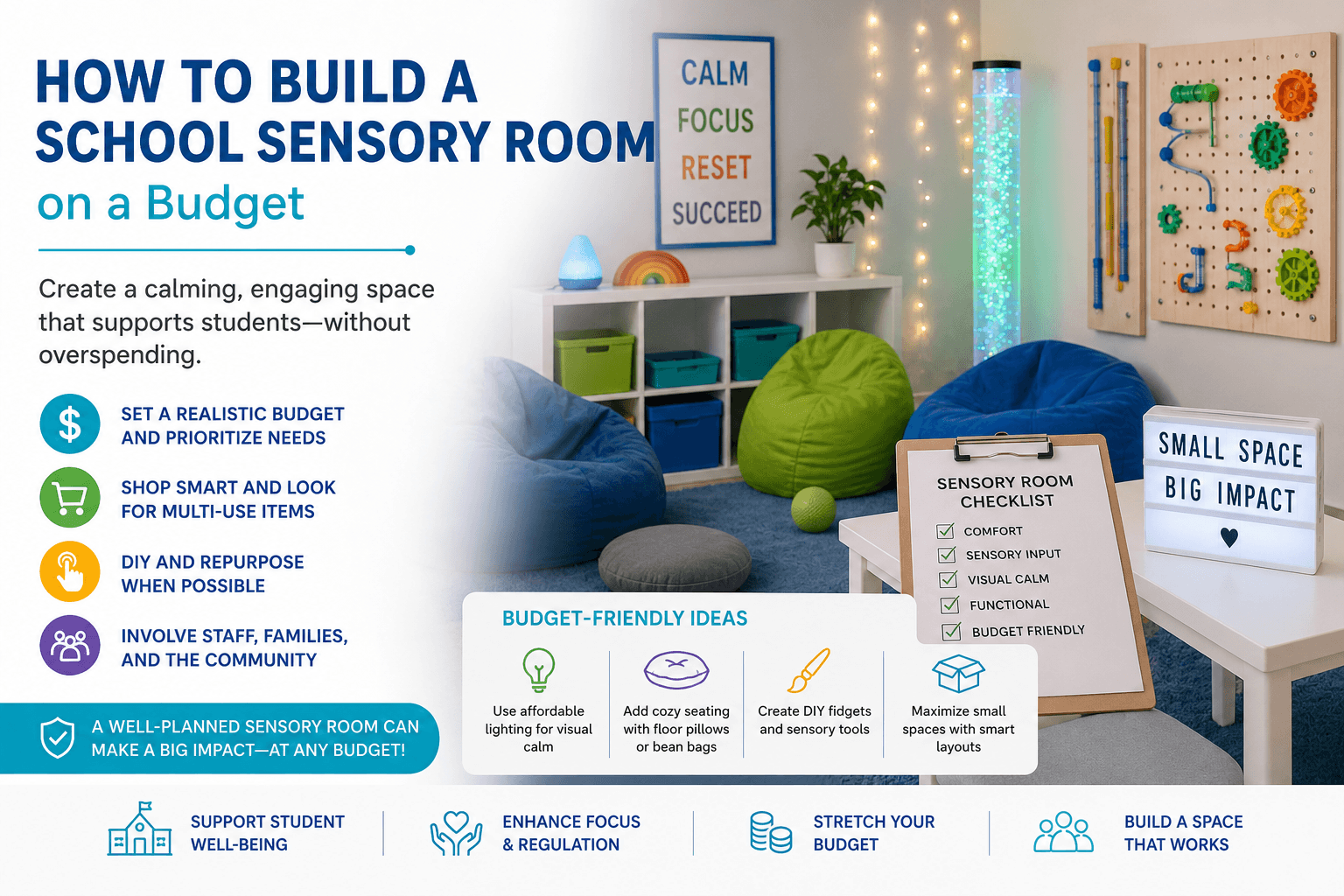
Sensory rooms in schools provide a practical solution. The good news is that creating an effective sensory space does not require an unlimited budget. Whether your school wants to build a small calming corner or a fully equipped multisensory environment, strategic planning can help you create a meaningful space that supports both students and staff.
This guide will walk you through everything you need to know about planning, designing, funding, and equipping a school sensory room that delivers real results.
What Is a School Sensory Room?
A school sensory room is a dedicated space designed to help students regulate sensory input in a controlled and supportive environment. Unlike a traditional classroom, which often presents constant sensory stimulation, a sensory room is intentionally designed to provide experiences that help students calm, focus, engage, or activate depending on their individual needs.
These rooms are commonly used for emotional regulation, sensory breaks, occupational therapy, de escalation support, movement activities, fine motor development, and self regulation skill building. A sensory room may include visual tools, tactile materials, movement equipment, adaptive seating, calming supports, and therapeutic resources selected to match the needs of the student population.
While sensory rooms are often associated with special education programs, they can benefit a much broader group of learners.
Who Benefits from a School Sensory Room?
A school sensory room can support many students, not only those with formal diagnoses.
Students with Autism Spectrum Disorder
Many autistic students experience sensory sensitivities or seek sensory input in ways that make a traditional school environment difficult to navigate. A sensory room can help these students reduce overstimulation, regulate emotions, improve transitions, and prepare to reenter the classroom with greater focus.
Sensory supports can also reduce behavioral escalation by giving students access to appropriate calming and regulation tools before frustration becomes overwhelming.
Students with Sensory Processing Disorder
Students with sensory processing differences may struggle to interpret sensory input effectively. Some may become overwhelmed by sounds, textures, or visual stimulation. Others may seek movement, pressure, or tactile input to feel regulated.
A sensory room allows schools to provide targeted sensory experiences that help these students better manage daily routines and classroom expectations.
Students with ADHD
Students with ADHD often benefit from movement and sensory input that helps improve attention and self regulation. Opportunities for controlled movement, calming tools, and focus supports can help reduce impulsivity while increasing classroom engagement.
Students with Developmental Disabilities
Students with developmental disabilities may benefit from sensory spaces that support emotional regulation, communication, motor development, adaptive functioning, and participation in structured routines.
Older Students and Adults
Sensory rooms are not only for young children. Middle school students, high school students, transition programs, paraprofessionals, therapists, and even school staff can benefit from calming sensory supports. As schools place greater emphasis on emotional wellness, many are recognizing the value of creating sensory spaces that serve multiple age groups.
Why Schools Are Investing in Sensory Rooms
School environments have changed significantly. There is greater awareness around emotional wellness, inclusion, trauma informed care, and the need for proactive behavioral support systems. A sensory room helps schools address these needs in practical ways.
Benefits may include improved emotional regulation, fewer classroom disruptions, stronger support for IEP accommodations, better inclusion outcomes, enhanced occupational therapy services, and greater student participation in learning.
Rather than reacting to behavioral crises, schools can create systems that help students regulate before challenges escalate. That shift can have a major impact on student success.
Planning Your School Sensory Room Budget
One of the most common mistakes schools make is purchasing sensory equipment without a clear plan. Sensory rooms in schools can quickly become expensive if decisions are based on impulse rather than student needs. Before selecting equipment, schools should evaluate the purpose of the space.
Important questions include:
- What age groups will use the sensory room?
- How many students will use the space each day?
- Will the room focus on calming, movement, occupational therapy, or multiple sensory support needs?
- Will older students or adults also need access to the space?
- Are accessibility accommodations needed for students with physical disabilities or mobility challenges?
- Which IEP goals should the sensory room help support?
The most effective sensory rooms begin with needs assessment rather than product selection. Occupational therapists can play a critical role in helping schools identify the most appropriate equipment.
How Much Does a School Sensory Room Cost?
Costs vary depending on room size, equipment selection, and therapeutic goals.
School Sensory Room Budget Comparison
| Sensory Space Type | Estimated Cost | Best For |
|---|---|---|
| Classroom Sensory Corner | $500 to $2,500 | Individual classrooms, small budgets |
| Shared Sensory Room | $3,000 to $10,000 | Schools serving multiple students |
| Full Multisensory Room | $10,000+ | District programs, therapy spaces |
Starter Sensory Corner
Estimated investment: $500 to $2,500
A small classroom sensory area may include sensory seating, weighted supports, tactile tools, calming visuals, fidgets, and simple regulation resources. This option works well for classrooms, intervention spaces, or schools beginning with a limited budget.
Mid Range Sensory Room
Estimated investment: $3,000 to $10,000
This level often includes movement equipment, calming seating, wall based sensory tools, crash mats, visual supports, and fine motor resources. It is a strong option for schools creating a shared sensory environment.
Calming Sensory Room Bundle
$9,244.75
$9,575.00
The Calming Sensory Room Bundle is a complete sensory room package designed to support relaxation, de-escalation, and calming sensory input. Built for schools, therapy spaces, care facilities, and sensory rooms, this bundle includes soothing visual, tactile, auditory, and fiber optic… read more

Full Multisensory Room
Estimated investment: $10,000 to $50,000 or more
Comprehensive installations may include immersive visual systems, therapy equipment, adaptive positioning supports, custom sensory walls, ceiling mounted movement tools, and advanced multisensory environments. This option is often used by districts, therapy programs, and specialized educational settings.
IRiS Multi-Sensory Room Bundle
$21,160.25
The IRiS Multi-Sensory Room Bundle is a complete wireless sensory room package designed to create an interactive environment for visual, auditory, tactile, and cause-and-effect engagement. This bundle includes IRiS wireless controllers, responsive sensory equipment, lighting, projection, bubble tube features, fiber… read more

Designing an Effective School Sensory Room
A successful sensory room is thoughtfully organized. Too much stimulation in one space can create the opposite of the intended effect. Organizing the room into functional zones creates a more effective experience.
Calming Zone
This area supports emotional regulation, anxiety reduction, and de escalation. Common equipment may include weighted blankets, calming seating, compression supports, soft lighting, visual sensory tools, and noise reduction resources. This space should feel quiet, safe, and predictable.
Movement Zone
This area supports students who need active sensory input. Movement based resources may include swings, balance equipment, therapy balls, crash pads, tunnels, and gross motor tools. This section helps students who benefit from vestibular and proprioceptive input.
Focus and Fine Motor Zone
This area supports occupational therapy, fine motor skill development, and classroom readiness. Useful tools may include tactile materials, therapy putty, manipulatives, adaptive seating, and tabletop activities that improve focus and hand skills.
Dedicated Sensory Room or Classroom Sensory Corner?
Not every school has a spare room available. That does not mean sensory support is out of reach. A dedicated sensory room offers the greatest flexibility. It allows schools to create multiple regulation zones, accommodate different therapeutic goals, and serve a larger student population.
However, classroom sensory corners can still be highly effective. A small calming area with thoughtfully selected tools can provide meaningful support for students who need quick access to regulation resources during the school day. The right choice depends on space, budget, staffing, and school goals.
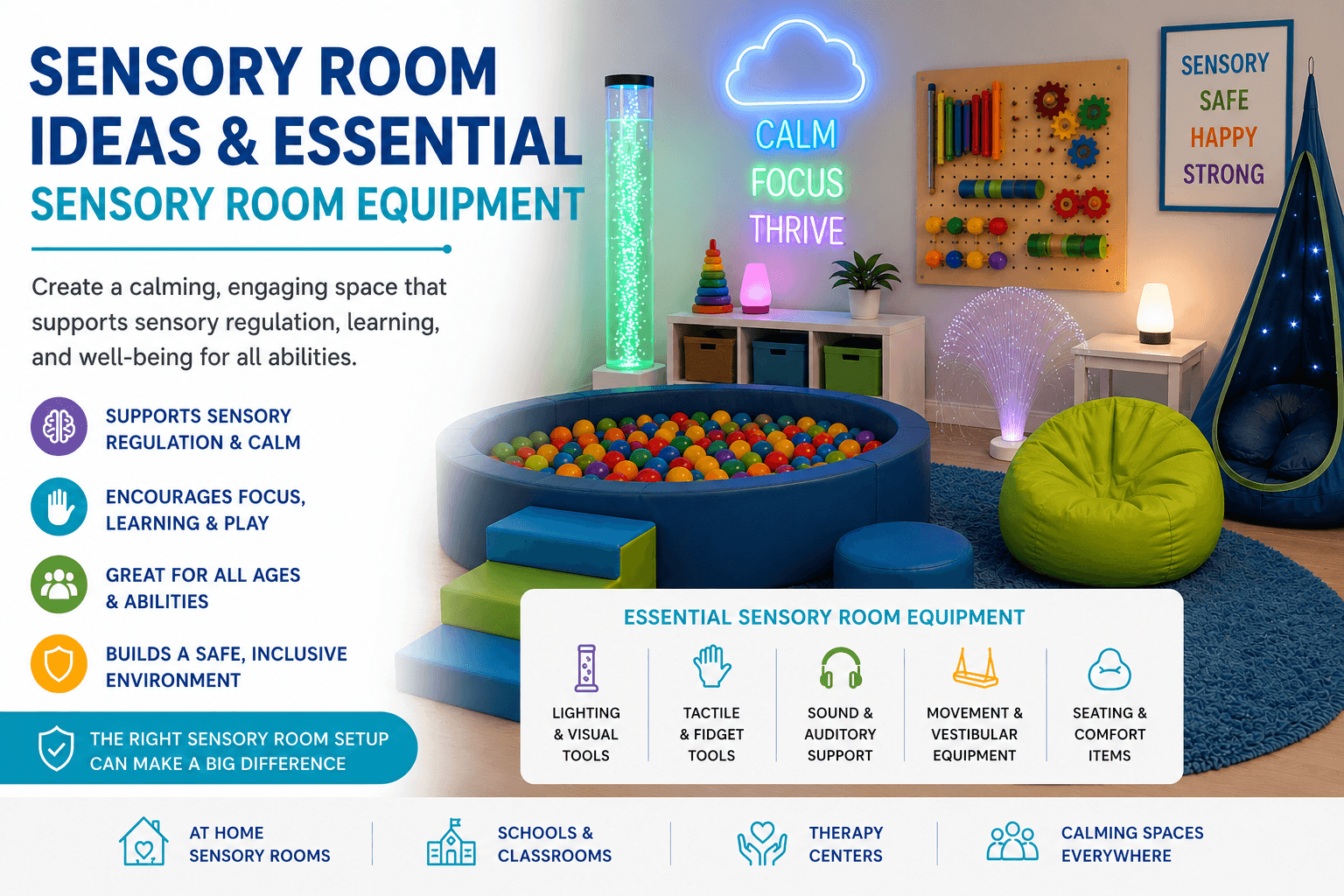
Essential Sensory Room Equipment for Schools
Choosing the right sensory room equipment makes all the difference.
Deep Pressure and Calming Supports
Deep pressure input can help many students feel grounded, secure, and emotionally regulated. Popular options include weighted blankets, lap pads, compression garments, calming seating, sensory wraps, and body socks.
These tools are commonly used for students with autism, anxiety, and sensory regulation challenges.
Visual Sensory Equipment
Visual sensory tools can create calming engagement while supporting focus. Schools often use bubble tubes, fiber optic lighting, projection systems, visual panels, and interactive light based equipment. These products often become focal points within the room.
Movement Equipment
Movement based sensory equipment helps students who need physical input to regulate. Options may include therapy swings, balance boards, crash pads, movement tunnels, therapy balls, and climbing resources. These tools support coordination, body awareness, motor planning, and sensory regulation.
Adaptive Seating
Flexible seating helps students stay engaged while meeting sensory needs. Schools may use rocking chairs, movement stools, therapy cushions, supportive seating, and positioning equipment. Adaptive seating is often a practical investment because it can be used in sensory rooms, therapy settings, and classrooms.
Fine Motor and Tactile Tools
Tactile and hand skill development tools are affordable and highly versatile. Examples include therapy putty, texture boards, sensory bins, fidget tools, tactile manipulatives, and hand strengthening resources. These products work well for both occupational therapy and classroom sensory support.
Sensory Support for Adults with Anxiety and Developmental Disabilities
Many schools overlook adult sensory needs. Older students, staff members, therapists, and support professionals may all benefit from sensory regulation tools. Adult appropriate options may include weighted blankets, calming wraps, noise reduction headphones, subtle fidget tools, rocking seating, and calming visual resources. Age appropriate design matters. Adults generally need products that feel professional, durable, and appropriately sized.
Smart Ways to Save Money on School Sensory Rooms
Budget limitations are common, but effective planning can stretch available funding significantly.
Start with Bundled Solutions
Sensory kits and curated product collections can reduce purchasing costs while simplifying implementation. These solutions are especially useful for schools launching a sensory program quickly.
Purchase in Phases
Schools do not need to build a complete sensory room immediately. Start with core essentials such as calming supports, seating, tactile tools, and simple regulation equipment. Expand later with movement resources, advanced sensory systems, and immersive therapeutic equipment. This phased approach makes implementation more manageable.
Work with Equipment Specialists
Schools can avoid costly mistakes by working with adaptive equipment experts who understand therapeutic applications and school purchasing requirements. Professional guidance often improves outcomes while protecting the budget.
How to Fund a School Sensory Room
Funding is often one of the biggest barriers, but multiple options may be available.
IDEA Funding
Special education funding may support equipment tied to documented student needs and therapeutic services.
Title I Funding
In qualifying schools, Title I funds may support student wellness and intervention resources.
School Department Budgets
Special education departments, occupational therapy programs, student services teams, and behavioral support programs may all contribute to funding.
Grants
Schools may explore local grants, education foundations, disability support organizations, and corporate community giving programs.
Purchase Orders
Schools often prefer vendors that accept institutional purchase orders, making procurement more efficient.
Community Fundraising
Teacher organizations, parent groups, local sponsors, and crowdfunding campaigns can also help fund classroom sensory spaces.
Choosing the Right Sensory Equipment Provider
Selecting the right vendor matters. Schools need more than products. They need expertise, purchasing flexibility, and equipment that supports real therapeutic outcomes.
eSpecial Needs offers schools access to sensory products, adaptive equipment, calming supports, movement resources, and educational purchasing solutions designed specifically for special needs environments.
For schools with limited budgets, starter sensory solutions can create immediate impact. For larger programs, comprehensive multisensory environments offer broader intervention possibilities. The key is choosing solutions that align with your student population and long term goals.
Sensory Rooms In Schools That Makes a Difference
A thoughtfully designed school sensory room can transform the educational experience for students who struggle with regulation, focus, anxiety, movement needs, and sensory challenges.
Whether your school creates a simple classroom calming space or a full therapeutic sensory room, strategic planning leads to better results. Focus on student needs, therapeutic goals, practical budgeting, and sustainable growth. With the right equipment and expert support, schools can create sensory spaces that improve inclusion, emotional wellness, and student success.
FAQs
What is a school sensory room?
A school sensory room is a dedicated space designed to help students regulate sensory input, manage emotions, improve focus, and support participation in learning. These rooms often include calming tools, movement equipment, tactile resources, and adaptive seating tailored to student needs.
Who benefits from a school sensory room?
School sensory rooms can benefit students with autism, ADHD, sensory processing disorder, developmental disabilities, anxiety, and emotional regulation challenges. They can also support older students, school staff, and therapy teams who need access to calming or sensory regulation resources.
How much does it cost to build a school sensory room?
The cost of a school sensory room depends on size and equipment selection. A basic classroom sensory corner may cost between $500 and $2,500, while a shared sensory room may range from $3,000 to $10,000. Fully equipped multisensory rooms can exceed $10,000.
What equipment should be included in a school sensory room?
Common school sensory room equipment includes weighted blankets, sensory seating, bubble tubes, therapy swings, crash mats, tactile tools, adaptive seating, calming lighting, fidgets, and fine motor resources. The best equipment depends on the needs of the students using the space.
Can schools create a sensory room on a limited budget?
Yes. Many schools start with a small sensory corner or phased implementation plan. Prioritizing essential calming tools, seating, and tactile resources allows schools to create effective sensory spaces without a major upfront investment.
What is the difference between a sensory room and a calming corner?
A sensory room is typically a larger dedicated space designed for multiple sensory experiences, therapy, and regulation activities. A calming corner is a smaller classroom based area focused primarily on emotional regulation and quick sensory breaks.
Are sensory rooms only for students with autism?
No. While sensory rooms are highly beneficial for autistic students, they can also support students with ADHD, anxiety, sensory processing challenges, developmental disabilities, trauma related stress, and behavioral regulation needs.
Can school sensory rooms be funded through grants or special education budgets?
Yes. Schools may use IDEA funding, special education budgets, Title I funds where appropriate, occupational therapy budgets, grants, community fundraising, or purchase order procurement systems to help fund sensory room equipment.
Should an occupational therapist help design a school sensory room?
Yes. Occupational therapists can help assess student sensory needs, recommend appropriate equipment, and ensure the space supports therapeutic goals, safety, and accessibility.
What sensory room equipment works best for older students or adults?
Older students and adults often benefit from age appropriate sensory supports such as weighted blankets, calming wraps, adaptive seating, noise reduction headphones, discreet fidgets, and visual calming tools designed for more mature users.
How much space do you need for a school sensory room?
A sensory room can be created in a dedicated therapy room, an unused classroom, a student support area, or even a small classroom corner. The amount of space needed depends on the type of sensory equipment and the number of users.