Table of Contents
- What Is a Sensory Room Package?
- Who Benefits From Sensory Room Equipment?
- Kids and Adults With Sensory Processing Differences
- Schools, Clinics, and Pediatric Therapy Centers
- Complete Sensory Room Equipment List: What Every Package Should Include
- Lighting and Visual Stimulation: Bubble Tubes, Fiber Optics, and LED Panels
- Deep Pressure Therapy Products: Weighted Blankets, Compression Vests, and Body Socks
- Sensory Motor Tools: Swings, Balance Boards, and Crash Pads
- Chill Out Chairs and Calming Seating Solutions
- Best Sensory Room Packages Compared by Budget
- Starter Sensory Room Kits: Best for Home Use
- Full Therapeutic Sensory Room Setups: Best for Clinics, Schools, and Rehabilitation Centers
- Sensory Room Packages for Adults With Disabilities
- Recommended Sensory Items for Adults With Autism
- Sensory Room Equipment for Autism: What OTs and Therapists Recommend
- How to Work With an Occupational Therapist to Choose the Right Bundle
- How to Choose the Right Sensory Room Package for Your Space
- Identify the User's Sensory Profile and Needs
- Prioritize Equipment by Therapeutic Impact
- Request a Custom Sensory Room Package Quote
- How eSpecial Needs Helps You Build the Right Sensory Room Within Budget
- FAQs
Sensory Room Packages: Best Bundles for Every Budget
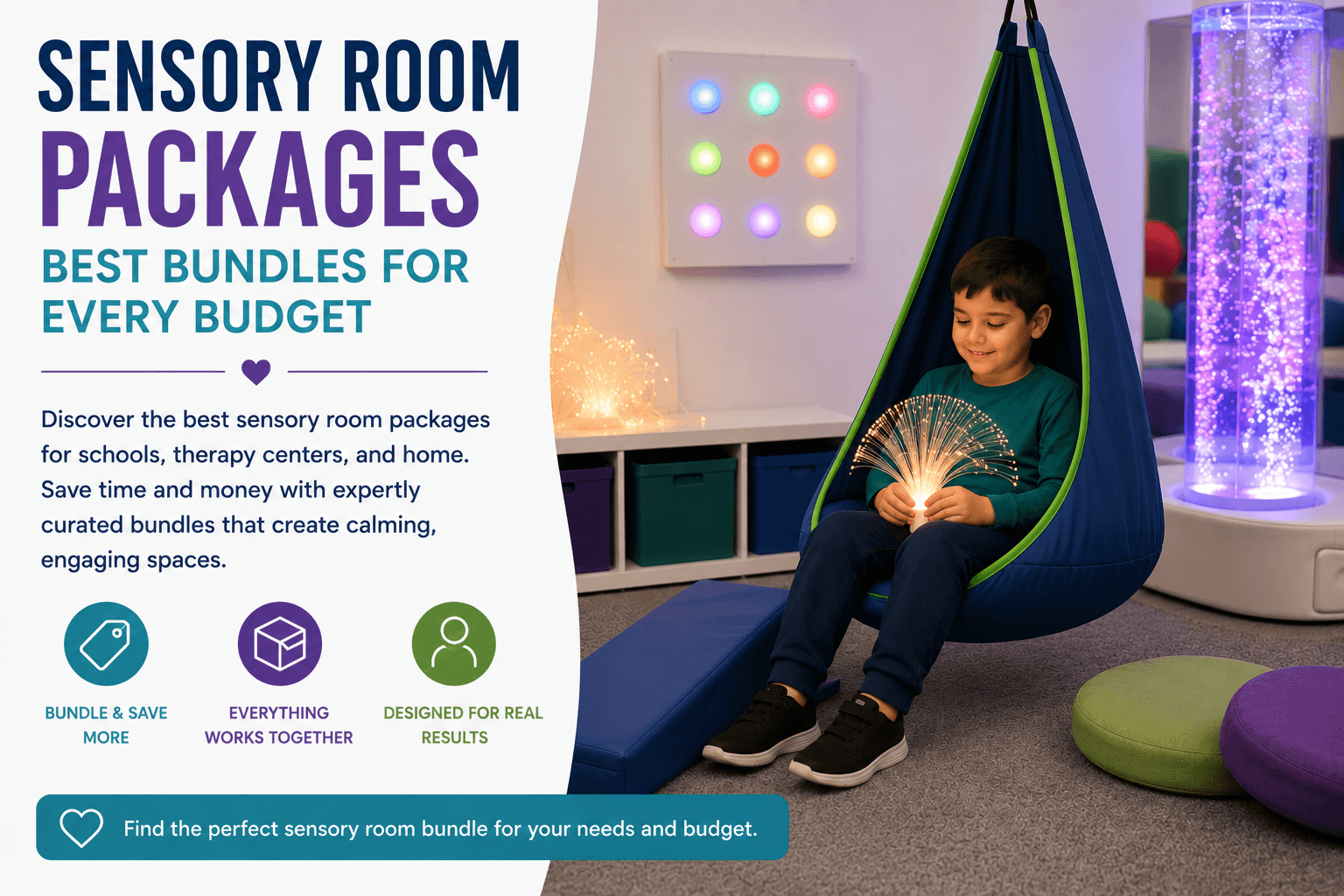
Sensory room packages make it easier to create a supportive space for calming, movement, visual engagement, tactile exploration, and everyday sensory regulation. Instead of sourcing each item separately, families, schools, therapy clinics, residential programs, and care teams can choose a coordinated sensory room package that brings together complementary sensory room products for a more complete setup.
A well planned sensory room can be large or small. It may be a quiet corner in a bedroom, a dedicated autism sensory room at school, a therapy space, a calming area in a group home, or a multi sensory environment in a clinic. The most effective setup is not necessarily the largest or most expensive. It is the one that matches the needs of the people using it, the available space, and the budget.
Sensory room equipment can support people who seek movement, prefer deep pressure, enjoy tactile play, benefit from visual calming tools, need a quieter place to reset, or use structured sensory activities as part of therapy and daily routines. The right bundle can reduce guesswork and help buyers build a balanced sensory environment from the start.
Explore Sensory Room Packages, Sensory Room Equipment, Sensory Motor Tools, Sensory Wall Panels, Projectors, and Weighted Blankets at eSpecial Needs.
What Is a Sensory Room Package?
A sensory room package is a curated bundle of sensory room equipment designed to work together in one cohesive space. Packages may include visual tools, tactile items, calming seating, sensory motor tools, fiber optic lighting, bubble tubes, projectors, interactive wall features, music equipment, or other products selected around a common purpose.
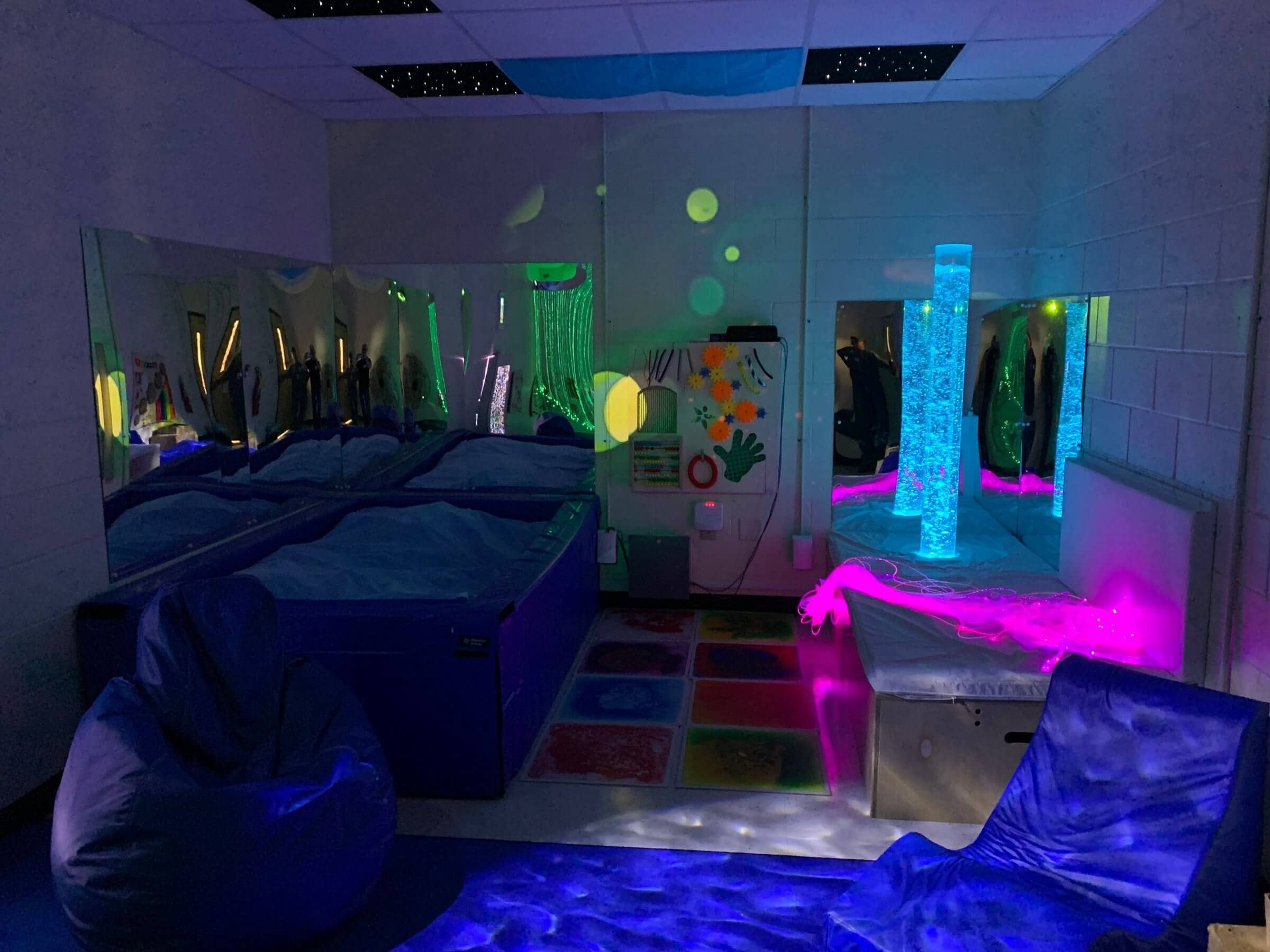
Some sensory room packages are designed primarily for calming and de escalation. Others may focus on active engagement, movement, tactile exploration, interactive learning, or a balanced multi sensory experience.
A sensory room package may be used in:
Homes
Bedrooms
Playrooms
Classrooms
Special education programs
Occupational therapy clinics
Physical therapy spaces
Pediatric therapy centers
Residential programs
Group homes
Day programs
Hospitals
Rehabilitation settings
Community spaces
The best sensory room package should reflect the user’s needs rather than a one size fits all design.
IRiS Multi-Sensory Room Bundle
$21,160.25
The IRiS Multi-Sensory Room Bundle is a complete wireless sensory room package designed to create an interactive environment for visual, auditory, tactile, and cause-and-effect engagement. This bundle includes IRiS wireless controllers, responsive sensory equipment, lighting, projection, bubble tube features, fiber… read more

Who Benefits From Sensory Room Equipment?
Sensory room equipment can be useful for children, teens, and adults with a wide range of sensory, developmental, physical, communication, and emotional regulation needs.
A sensory room is not only for one diagnosis. It can be adjusted for different goals, ages, abilities, and environments.
People who may benefit from sensory room products include:
Children with autism
Adults with autism
Children and adults with sensory processing differences
People with developmental disabilities
Individuals with ADHD
Children with cerebral palsy
Adults with neurological conditions
People with intellectual disabilities
Children with anxiety or emotional regulation needs
Adults in residential or supported living settings
Students in special education programs
Therapy clients
Individuals who benefit from calm spaces or structured movement
Sensory room equipment for adults can be especially valuable in residential programs, day centers, supported employment settings, and private homes where adults need a comfortable place for sensory breaks, relaxation, engagement, or purposeful activity.
Calming Sensory Room Bundle
$9,244.75
$9,575.00
The Calming Sensory Room Bundle is a complete sensory room package designed to support relaxation, de-escalation, and calming sensory input. Built for schools, therapy spaces, care facilities, and sensory rooms, this bundle includes soothing visual, tactile, auditory, and fiber optic… read more

Kids and Adults With Sensory Processing Differences
Sensory processing differences can affect how a person responds to sound, touch, movement, visual activity, taste, smell, and body awareness. Some people seek more sensory input, while others avoid certain experiences because they feel uncomfortable or overwhelming.
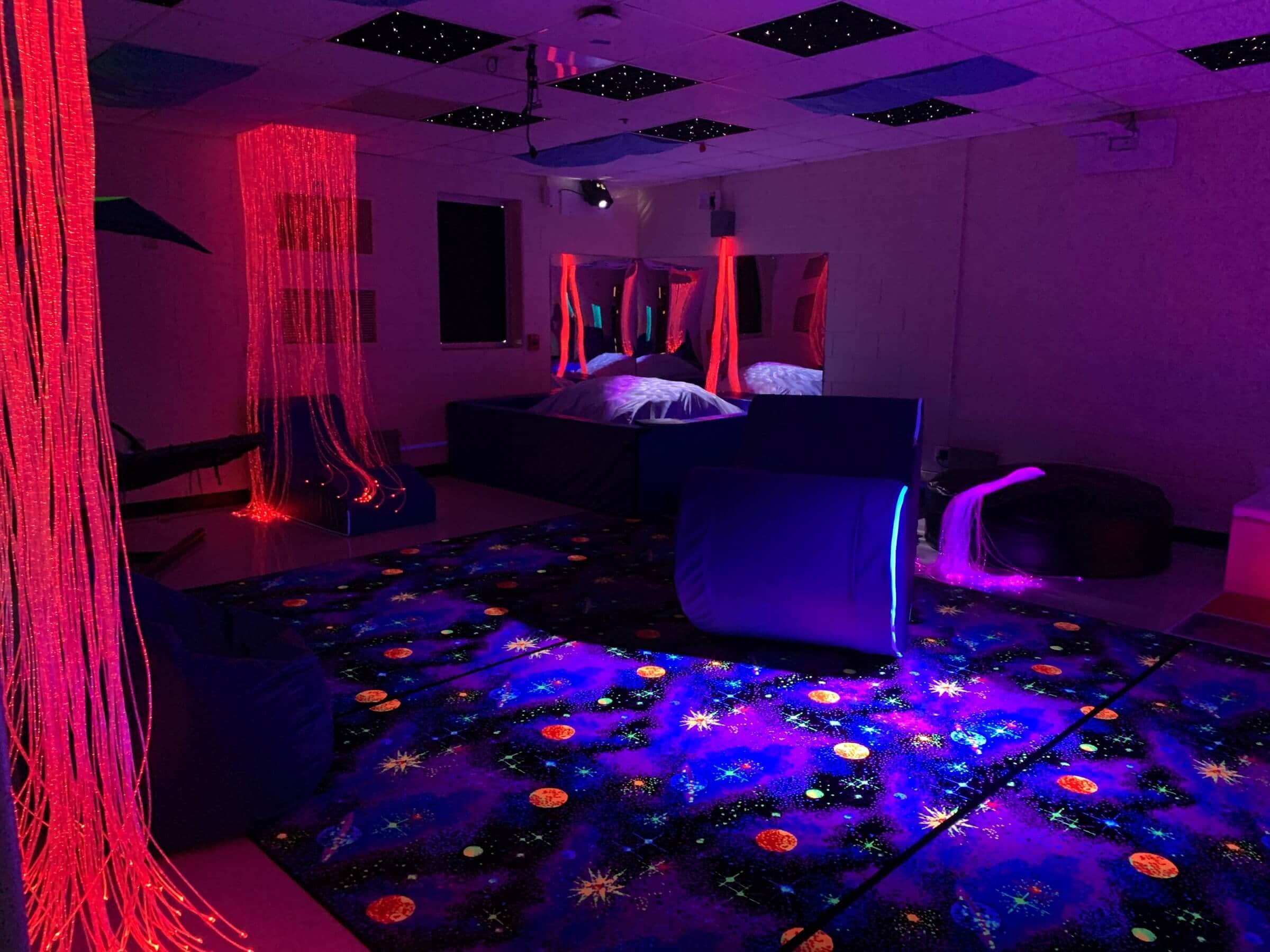
A person who seeks movement may benefit from sensory motor tools, therapy balls, swings, rockers, balance tools, or crash pads. A person who avoids noise or bright visual activity may prefer calming seating, softer lighting, low stimulation visual tools, tactile fidgets, and a quieter room layout.
Sensory room packages can provide a mix of active and calming options so the space can adapt to different sensory needs throughout the day.
Schools, Clinics, and Pediatric Therapy Centers
Schools, therapy clinics, and pediatric centers often need sensory room equipment that can be used by multiple people, cleaned easily, and adjusted for different therapy or educational goals.
A school or clinic sensory room may support:
Calm down routines
Classroom breaks
Sensory regulation
Fine motor activities
Gross motor movement
Therapy sessions
Social participation
Communication practice
Transition support
De escalation
Waiting room engagement
Individual education plan goals
For institutional use, consider durability, room layout, supervision, mounting requirements, safety features, cleaning needs, weight capacities, storage, and accessibility.
Complete Sensory Room Equipment List: What Every Package Should Include
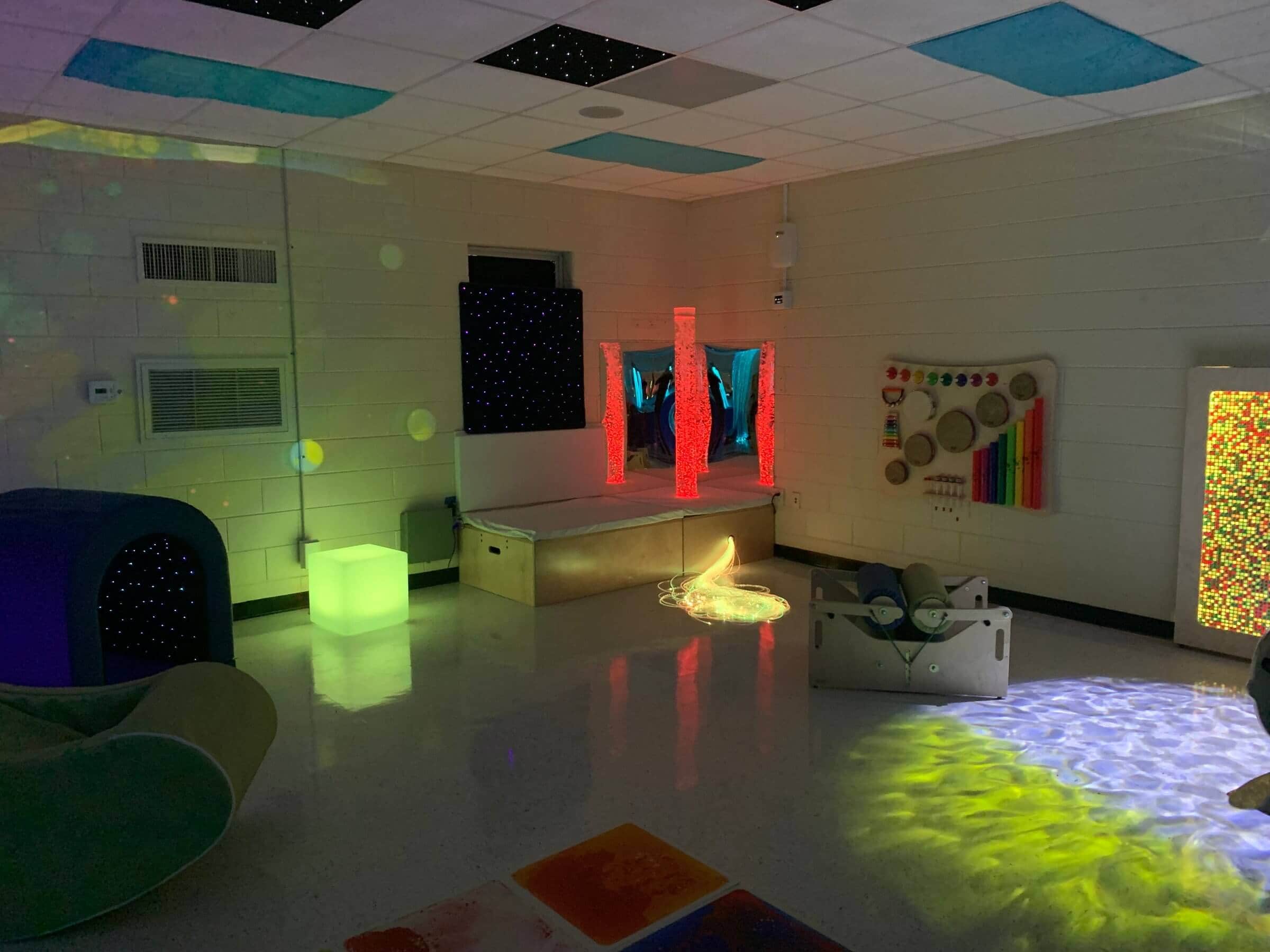
A complete sensory room equipment list does not need to include every possible product. However, a well rounded sensory room package usually offers more than one type of sensory input.
A balanced sensory room may include equipment from several categories:
Visual sensory tools
Tactile sensory tools
Deep pressure products
Sensory motor tools
Calming seating
Interactive wall equipment
Auditory tools
Storage and organization
Safety products
Communication supports when needed
The specific products should be based on the room’s users and goals.
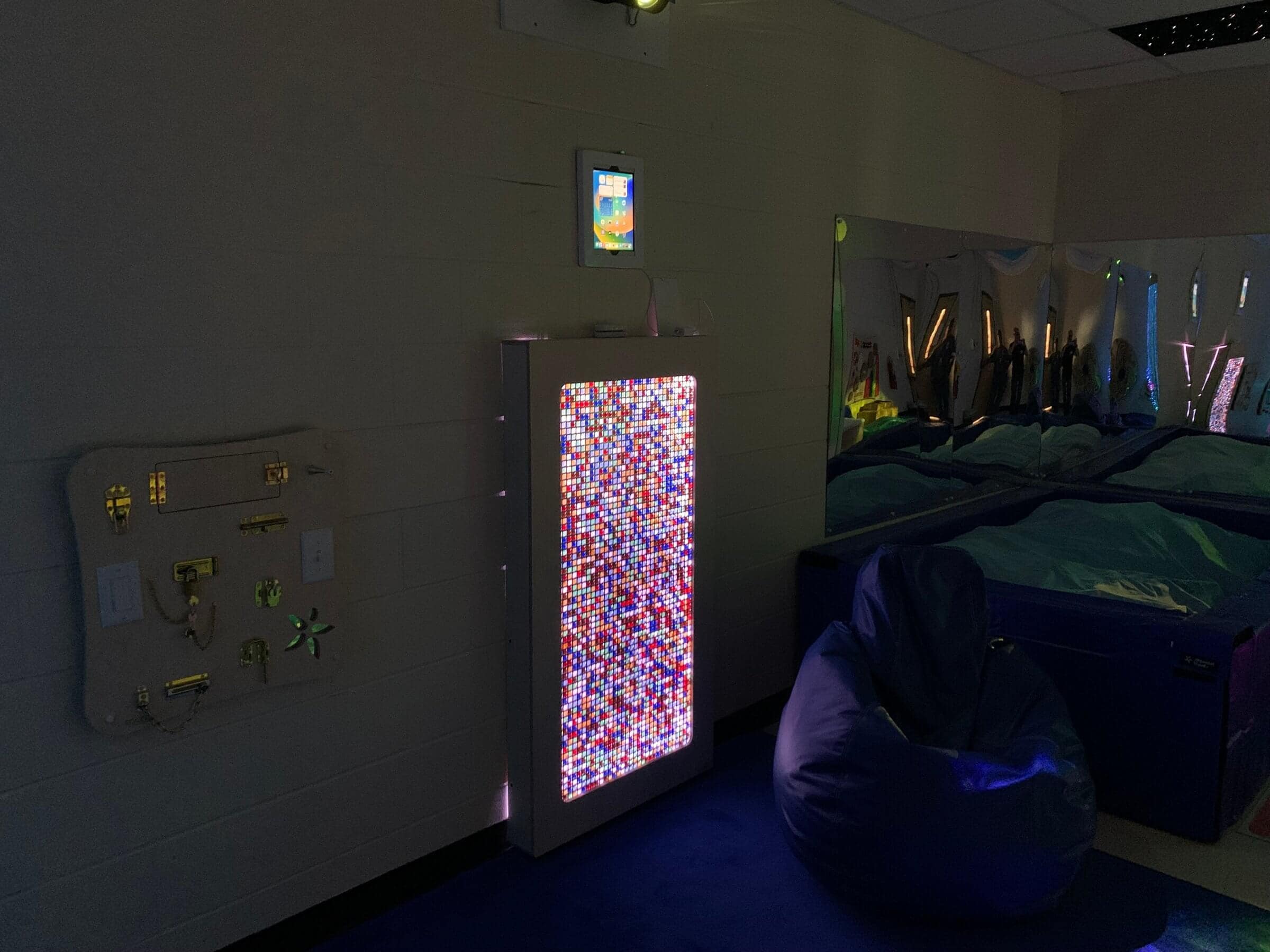
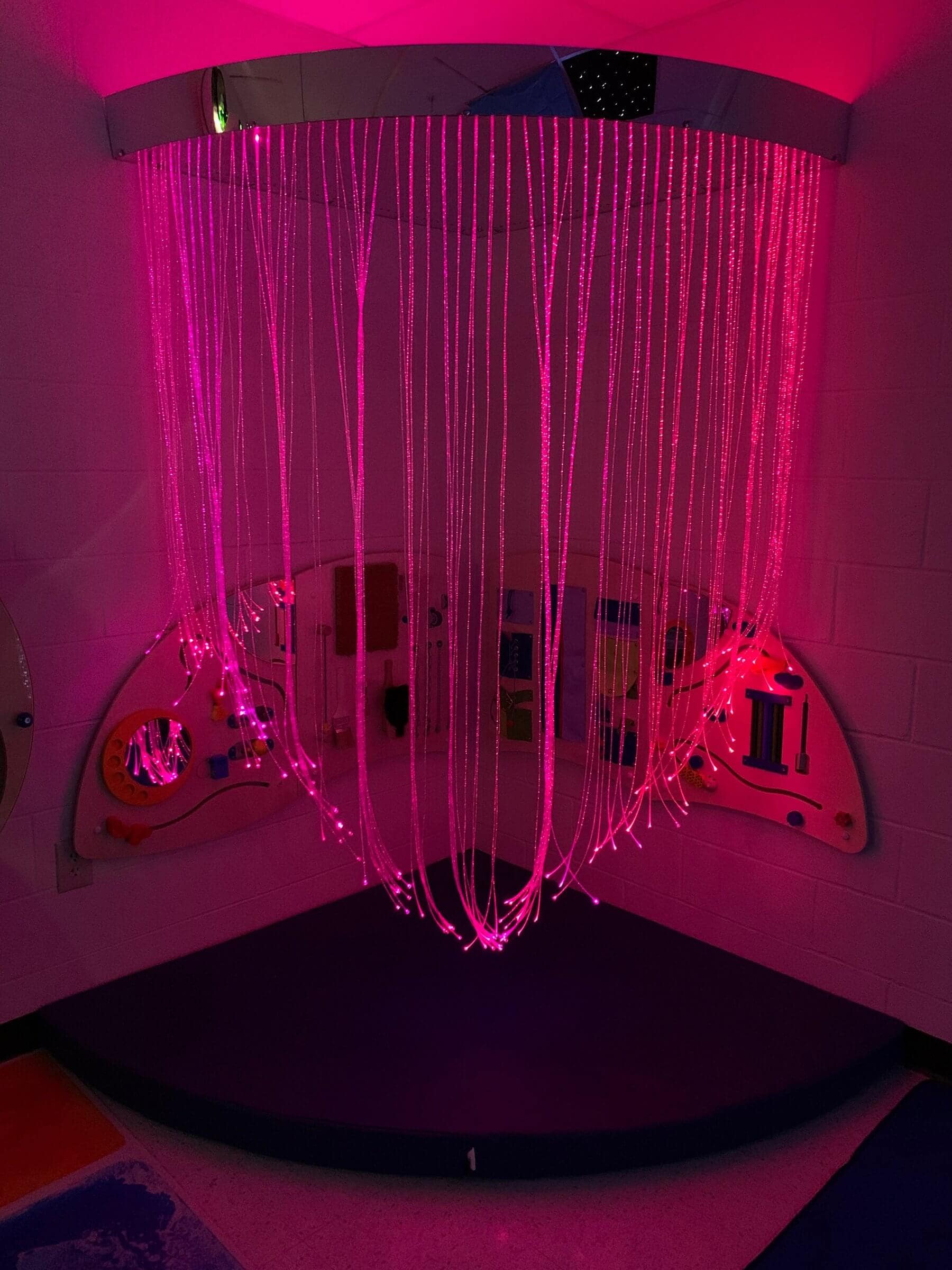
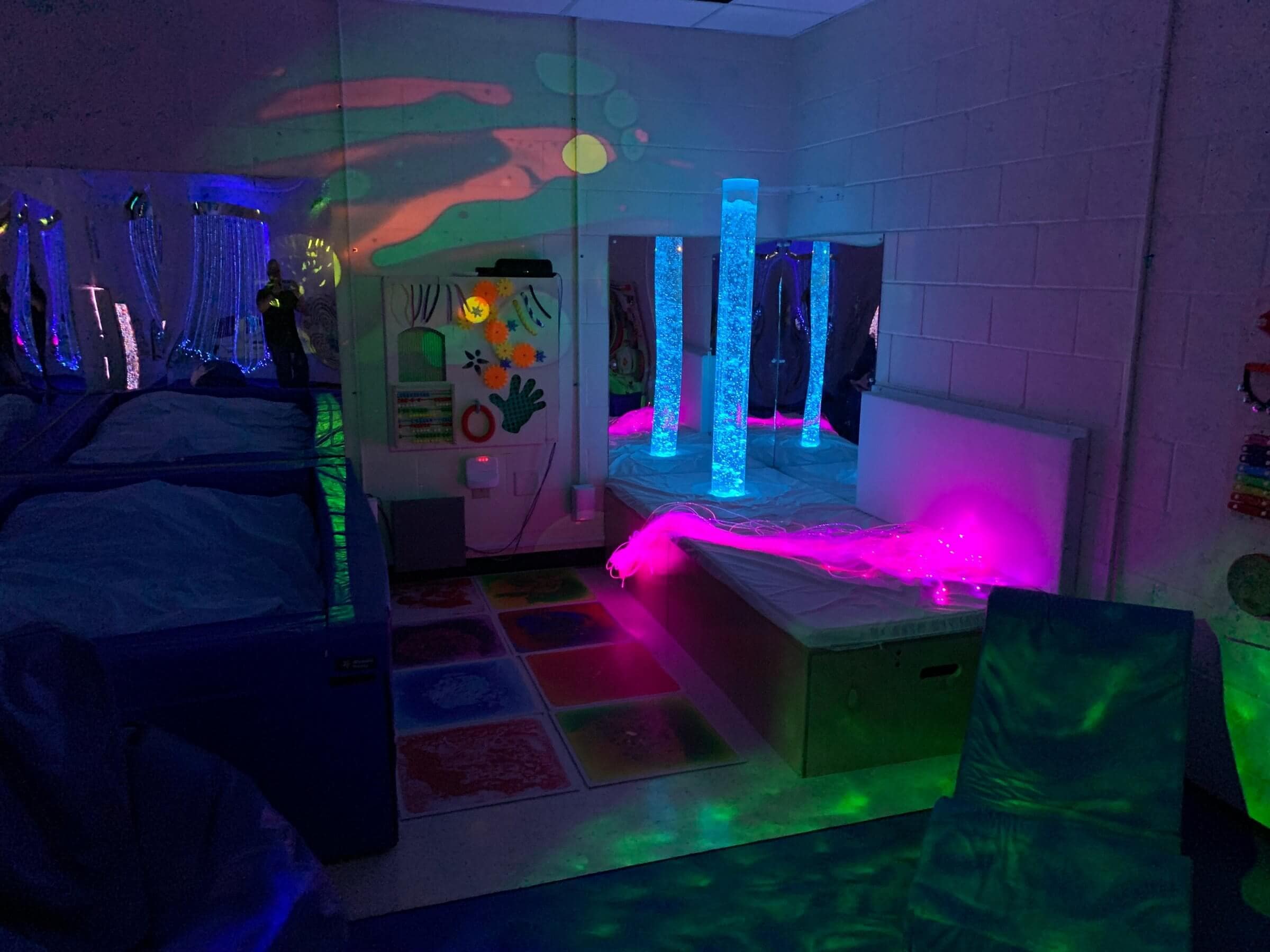
Lighting and Visual Stimulation: Bubble Tubes, Fiber Optics, and LED Panels
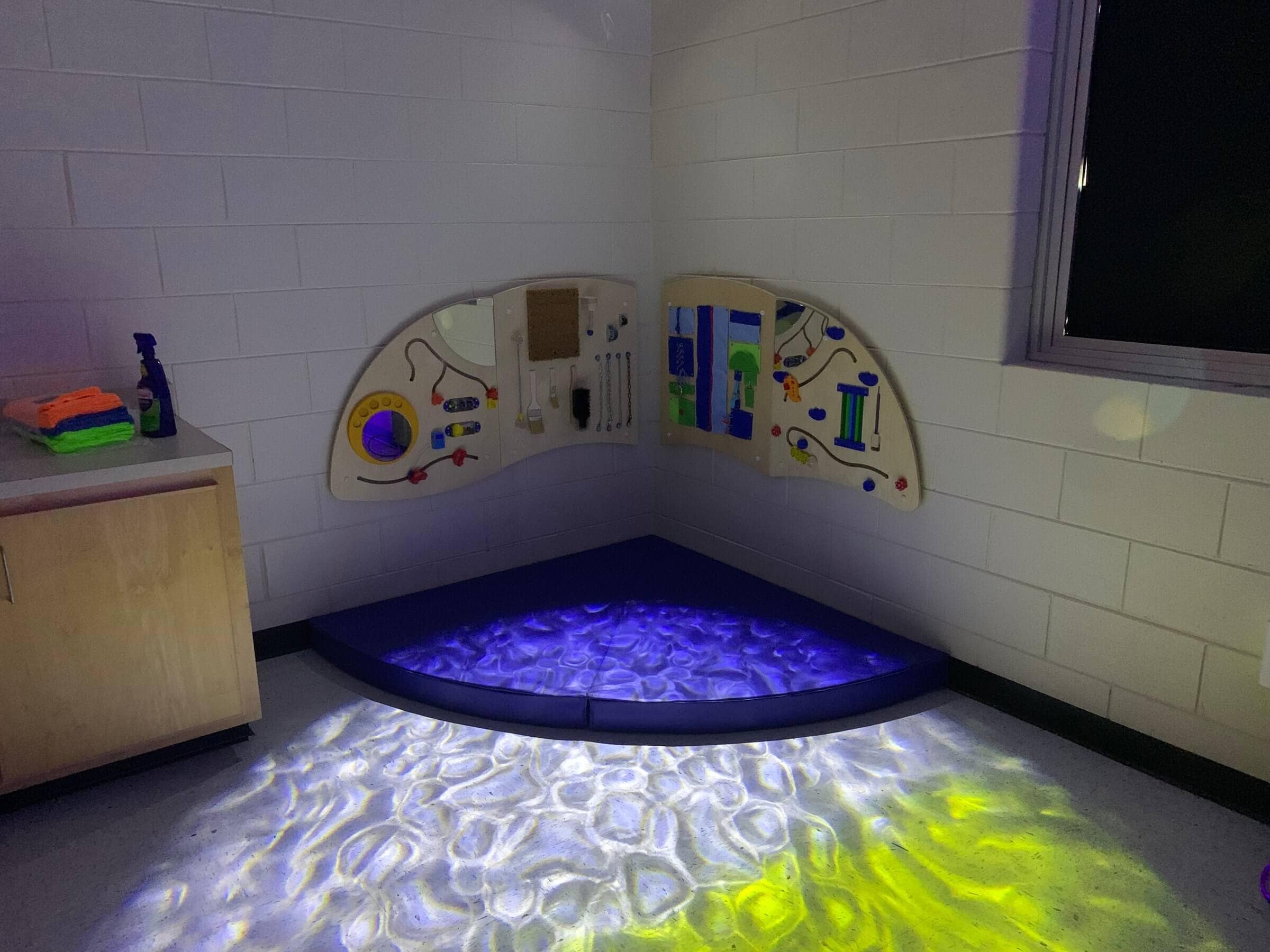
Visual sensory products can create a calming focal point, encourage engagement, support cause and effect learning, or add gentle movement to a room.
Popular visual sensory room products include:
LED panels
Light panels
Interactive lighting
Wall mounted visual tools
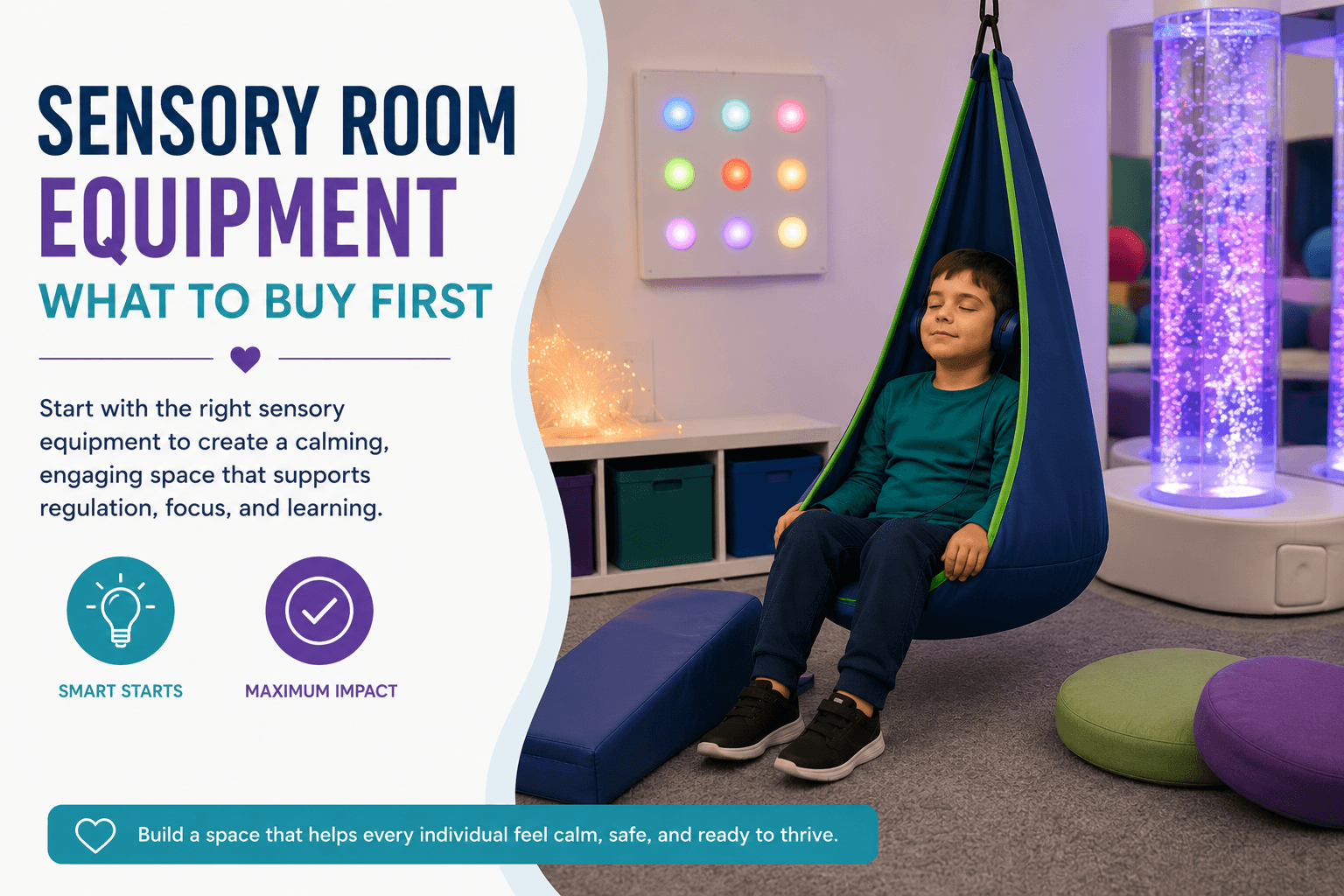
Bubble tubes and fiber optic products can provide changing colors, soft light, and visual movement. Projectors can create patterns, images, or light effects on walls and ceilings. These tools may be used in quiet corners, sensory rooms, waiting areas, classrooms, and therapy settings.
When choosing visual equipment, consider whether the user prefers bright and interactive input or softer and more predictable lighting.
Deep Pressure Therapy Products: Weighted Blankets, Compression Vests, and Body Socks
Deep pressure tools may provide firm, steady input through weight, compression, resistance, or supportive seating. Some people find this type of input calming or grounding during quiet time, transitions, learning activities, or rest.
Common deep pressure products include:
Compression garments
Body socks
Crash pads
Soft foam seating
Heavy work activities
Resistance tools
Weighted products should always be selected carefully based on the user’s size, age, mobility, medical needs, and ability to remove the product independently when needed. Follow manufacturer guidance and consult a qualified healthcare professional when there are concerns about safety, breathing, circulation, positioning, or independent use. Our calming weighted bundle is a great choice.
Sensory Motor Tools: Swings, Balance Boards, and Crash Pads
Sensory motor tools support movement, balance, coordination, body awareness, and gross motor play. They can be especially helpful for people who seek movement or benefit from activity before transitioning to calmer tasks.
Sensory motor tools may include:
Therapy balls
Balance boards
Rockers
Crash pads
Stepping stones
Scooter boards
Crawling activities
Resistance activities
Movement tools should be selected based on the user’s age, physical abilities, supervision needs, room size, and safety requirements. A sensory swing or large movement product may require professional installation, adequate floor clearance, and a secure mounting location.
Explore Sensory Motor Tools for movement based products that can support active sensory play, body awareness, and gross motor activities.
Chill Out Chairs and Calming Seating Solutions
Calming seating provides a comfortable place for a child or adult to take a break from busy environments. It can be a valuable part of a sensory room, classroom calm corner, therapy area, bedroom, or supported living space.
Calming seating options may include:
Floor cushions
Soft foam chairs
Cocoon style seating
Lounge chairs
Sensory tents
Rocking chairs
Body support cushions
High back calming seats
A chill out chair or calming seating option can help define a quiet space within a larger room. It may be especially useful for users who benefit from personal space, predictable boundaries, or a comfortable spot for visual and tactile sensory activities.
Best Sensory Room Packages Compared by Budget
The right sensory room package depends on the size of the space, the number of users, the type of sensory input needed, and the available budget.
Rather than focusing only on cost, think about the room’s purpose. A small home sensory corner may need only a few carefully selected products. A classroom or therapy room may need more durable and varied equipment. A full therapeutic sensory room may need professional planning, wall mounted equipment, visual systems, and specialized seating.
Starter Sensory Room Kits: Best for Home Use
Starter sensory room kits are often best for families creating a small sensory room corner in a bedroom, playroom, basement, or shared living space. These setups can provide meaningful sensory support without requiring a full dedicated room.
A starter setup may include:
Small sensory light
Fidget basket
Tactile activity
Weighted lap pad
Soft seating
Therapy ball
Visual timer
Simple projector
Storage bin
Calming music option
Starter sensory room packages work well when the goal is to create a calm place for breaks, provide a few movement options, or introduce sensory activities without purchasing a large bundle immediately.
Full Therapeutic Sensory Room Setups: Best for Clinics, Schools, and Rehabilitation Centers
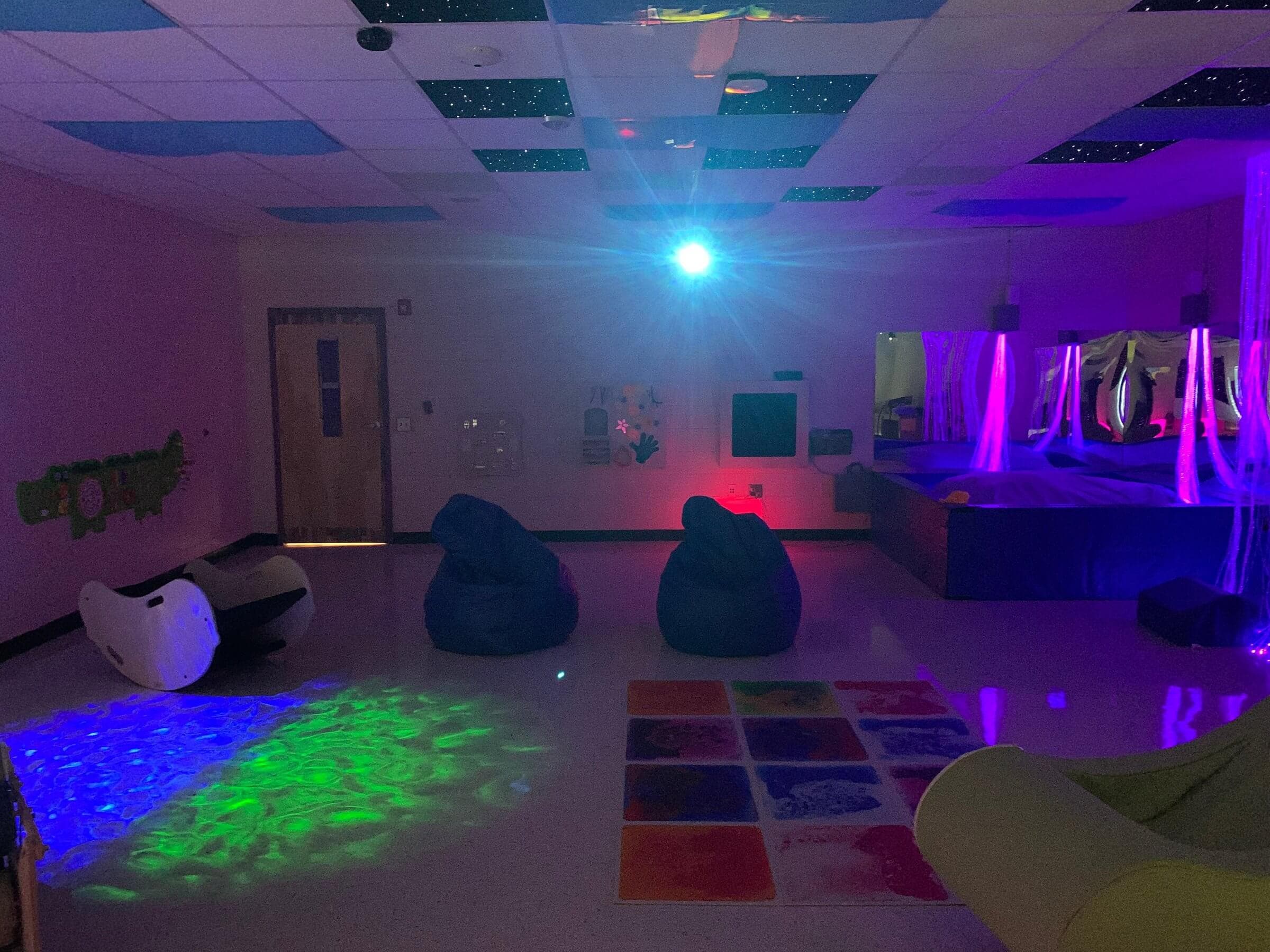
Full therapeutic sensory room setups are designed for larger spaces, multiple users, and more structured programming. They may be appropriate for schools, therapy centers, rehabilitation facilities, hospitals, residential programs, and organizations serving people with complex support needs.
A full therapeutic setup may include visual, tactile, auditory, movement, and calming products that work together in a dedicated room.
These spaces often require more planning because of:
Electrical needs
Mounting requirements
Floor clearance
Wall space
Safety standards
Equipment weight capacities
Supervision needs
Cleaning procedures
Accessibility
Room traffic flow
Storage
Installation planning
For larger projects, it can be helpful to request a quote for sensory room equipment and work with a knowledgeable product specialist or therapist.
Sensory Room Packages for Adults With Disabilities
Sensory room packages for adults should reflect adult needs, adult body sizes, and adult preferences. Sensory rooms are not only for children. Adults may use them for calming routines, relaxation, sensory breaks, leisure activities, movement, communication, and structured engagement.
A sensory room for adults with disabilities may be used in:
Supported living homes
Group homes
Adult day programs
Rehabilitation settings
Community centers
Behavioral health settings
Private homes
Vocational programs
Residential care programs
Adult sensory room equipment should feel respectful, practical, and appropriate for the people using the room.
Recommended Sensory Items for Adults With Autism
Sensory items for adults with autism may focus on comfort, privacy, calming input, tactile engagement, movement, and personal control.
Helpful products may include:
Adult sized weighted lap pads
Calming seating
Bubble tubes
Fiber optic lights
Visual projectors
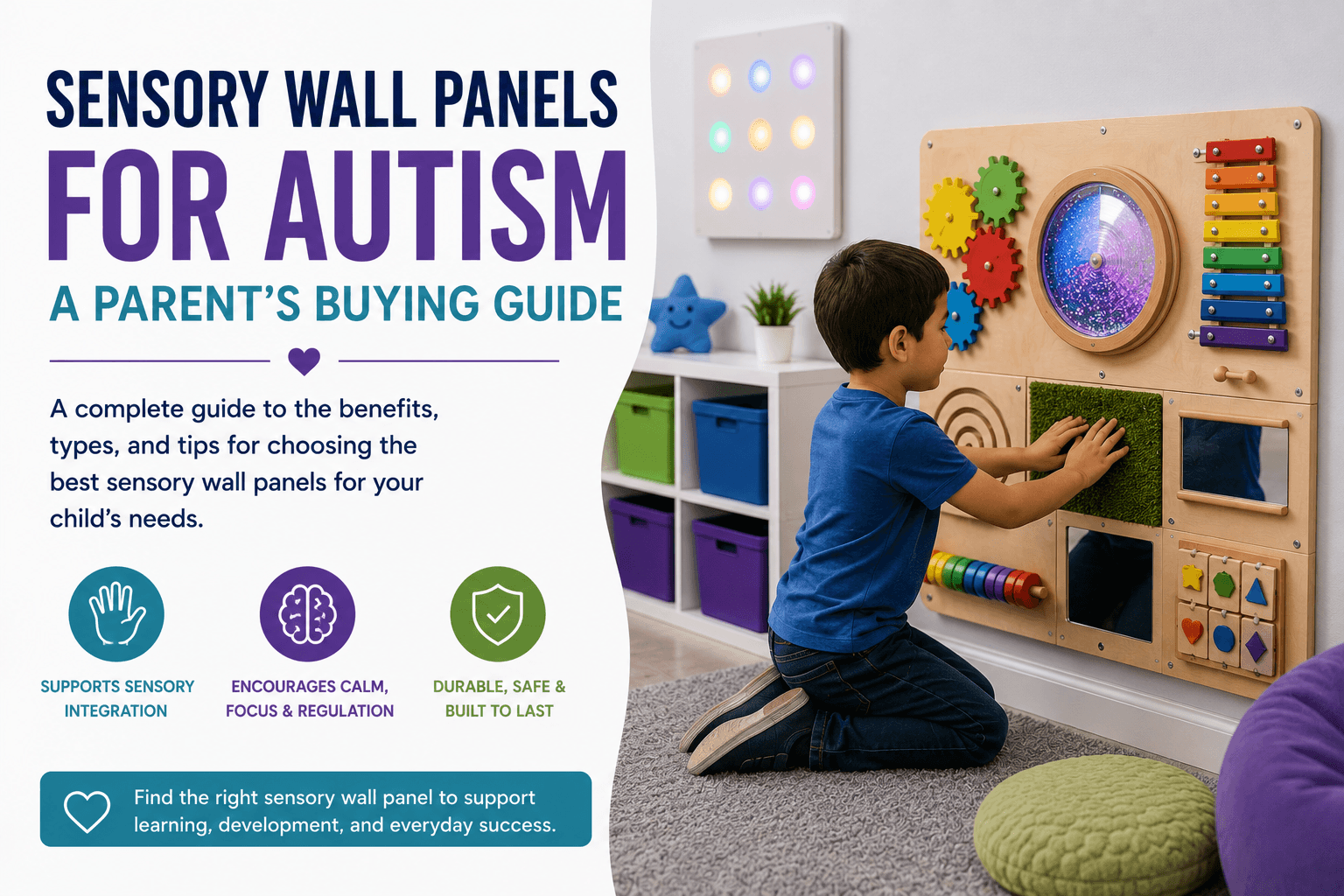
Tactile wall panels
Durable fidgets
Noise reducing headphones
Therapy balls
Resistance tools
Soft floor seating
Visual timers
Music systems
Vibro acoustic products
The best sensory room equipment for adults is often equipment that can be used independently or with minimal support and that fits naturally into adult routines.
Sensory Room Equipment for Autism: What OTs and Therapists Recommend
Occupational therapists and other qualified professionals often recommend beginning with the individual rather than the product. The best sensory room equipment for autism should match the user’s sensory preferences, goals, physical abilities, communication needs, and safety requirements.
An occupational therapist may help identify whether a person benefits more from:
Movement and vestibular input
Deep pressure
Tactile exploration
Visual calming tools
Noise reduction
Fine motor activities
Heavy work
Quiet seating
Structured transitions
Sensory breaks throughout the day
A therapist may also help determine how often a product should be used, whether supervision is needed, and whether a sensory diet may be helpful.
How to Work With an Occupational Therapist to Choose the Right Bundle
An occupational therapist can help families and organizations select sensory room equipment that is safe, functional, and connected to real goals.
Before meeting with an occupational therapist, gather:
Room measurements
Photos of the available space
Information about the users
Mobility and positioning needs
Sensory preferences
Daily challenges
Budget range
Existing equipment
Supervision plan
Storage needs
Desired room purpose
The therapist may help identify which sensory room products should be prioritized first and which products can be added later.
How to Choose the Right Sensory Room Package for Your Space
Choosing sensory room packages starts with three questions:
Who will use the room?
What does the room need to support?
How much space and budget are available?
A smaller room may work best with wall panels, calming seating, tactile tools, a small projector, and portable sensory products. A larger room may allow for bubble tubes, fiber optic lighting, floor mats, swings, crash pads, movement equipment, and multiple activity areas.
Identify the User's Sensory Profile and Needs
A sensory room should be built around actual needs rather than assumptions.
Consider whether the user:
Seeks movement
Avoids noise
Enjoys tactile input
Dislikes messy textures
Benefits from deep pressure
Needs a calm place after busy activities
Has mobility limitations
Uses a wheelchair or walker
Needs visual supports
Uses AAC
Benefits from structured activity
Needs close supervision
Has safety concerns around equipment
A person may need different sensory input at different times. A movement seeking child may need active play in the morning and a calming visual activity later in the day. A sensory room package should be flexible enough to support both active and quiet routines.
Prioritize Equipment by Therapeutic Impact
When building a sensory room on a limited budget, prioritize equipment based on how often it will be used and how well it supports the biggest daily challenge.
A practical order of priority may be:
Safe calming seating
One visual sensory tool
One tactile activity
One movement or sensory motor tool
Storage and organization
Additional wall panels, lights, or specialty equipment
For some users, a therapy ball and weighted lap pad may be more useful than a large lighting system. For others, a bubble tube or calming chair may have the strongest impact on daily routines. Start with the tools that will receive consistent use.
Request a Custom Sensory Room Package Quote
A custom quote can be helpful when you are unsure which sensory room package fits your space, users, and budget. This is especially useful for schools, therapy clinics, residential programs, hospitals, and families planning a larger autism sensory room.
Before requesting a quote, prepare:
Room dimensions
Photos of the room
Budget range
Number of users
Age range of users
Primary sensory goals
Mobility needs
Preferred product types
Existing equipment
Timeline for purchase
Delivery requirements
Installation needs
Request support through eSpecial Needs Quote Requests.
How eSpecial Needs Helps You Build the Right Sensory Room Within Budget
eSpecial Needs offers a broad range of sensory room products, from small sensory tools to complete sensory room packages and larger room design solutions.
Buyers can explore:
Sensory motor tools
Calming seating
Interactive room elements
Custom room planning support
For larger or more complex spaces, explore Turnkey Sensory Room Installation for planning and setup support.
FAQs
What is a sensory room package?
A sensory room package is a curated bundle of sensory equipment designed to create a more complete calming, engaging, or movement focused sensory space. Packages may include products such as bubble tubes, fiber optic lights, projectors, sensory wall panels, tactile tools, calming seating, weighted products, therapy balls, crash pads, or sensory motor tools.
A package can be used in a home, classroom, therapy clinic, supported living setting, day program, or other care environment.
Are sensory room packages better than buying items individually?
Sensory room packages can be helpful because they reduce the amount of research and decision making required. A bundle may combine products from different sensory categories so the room includes a more balanced mix of visual, tactile, movement, and calming input.
Buying individual items can still be a good option when you already know which products the user needs or when you are adding to an existing sensory room.
Can sensory room bundles save money?
Some sensory room bundles may offer better value than purchasing each product separately, depending on the package and included products. Bundles may also save time by reducing the need to compare items across multiple categories or vendors.
Before buying, compare the package contents, room needs, available space, and planned use. A larger package is not always the best value if many of the included products will not be used.
Who can benefit from sensory room equipment?
Sensory room equipment may benefit children, teens, and adults with autism, sensory processing differences, ADHD, developmental disabilities, cerebral palsy, intellectual disabilities, anxiety, neurological conditions, communication needs, mobility challenges, or emotional regulation needs.
Sensory rooms may also support people without a diagnosis who benefit from quiet breaks, movement opportunities, tactile activities, calming visual input, or structured sensory routines.
What is the difference between pediatric and adult sensory room equipment?
Pediatric sensory room equipment is often smaller and designed around childhood play, growth, and developmental activities. Adult sensory room equipment may need higher weight capacities, larger seating, more durable materials, wheelchair access, privacy considerations, and products that fit adult routines.
Before buying, confirm product dimensions, weight limits, transfer needs, floor clearance, and whether the equipment is appropriate for the intended users.
How do I choose the right sensory room package?
tart with three questions:
- Who will use the room?
- What does the room need to support?
- What is the available budget and space?
Then consider sensory preferences, mobility needs, communication supports, supervision, room layout, product dimensions, weight capacities, cleaning needs, and how often each item will be used.
A smaller package may be best for a home sensory corner. A larger package may be more appropriate for schools, clinics, or supported living programs with multiple users.
Can schools and clinics purchase sensory room packages with purchase orders?
Yes. Schools, therapy clinics, government agencies, residential programs, and other organizations may use purchase orders for sensory room equipment purchases.
Before requesting a quote, gather room dimensions, product needs, user age ranges, program goals, delivery requirements, installation needs, accessibility needs, purchasing contact information, and budget details.
eSpecial Needs can assist with Purchase Orders, Quote Requests, and Schools and Government Agencies.
Can I request a custom sensory room package quote?
es. A custom quote can help families, schools, clinics, therapy centers, residential programs, and agencies choose sensory room products that fit their room size, users, priorities, and budget.
Before requesting a quote, gather room dimensions, photos, budget range, number of users, age range, sensory goals, mobility needs, preferred equipment types, existing products, and installation details.
Request personalized support through eSpecial Needs Quote Requests.