Table of Contents
- What Is Therapy Putty?
- Is Theraputty the Same as Therapy Putty?
- What Is Therapy Putty Used For?
- What Are the Benefits of Therapy Putty for Hands?
- What Resistance Therapy Putty Should You Use?
- 10 Theraputty Exercises and Activities for the Hands
- What Hand Skills Can Theraputty Exercises Target?
- Therapy Putty for Fine Motor Skills
- Sensory Putty Versus Therapy Putty
- How Can Therapy Putty Be Used for Sensory Activities?
- Therapy Putty for Children
- Therapy Putty for Adults
- How Often Should You Do Theraputty Exercises?
- How Do You Keep Therapy Putty Clean?
- How Do You Choose the Best Therapy Putty?
- Shop Therapy Putty and Sensory Putty
- FAQs
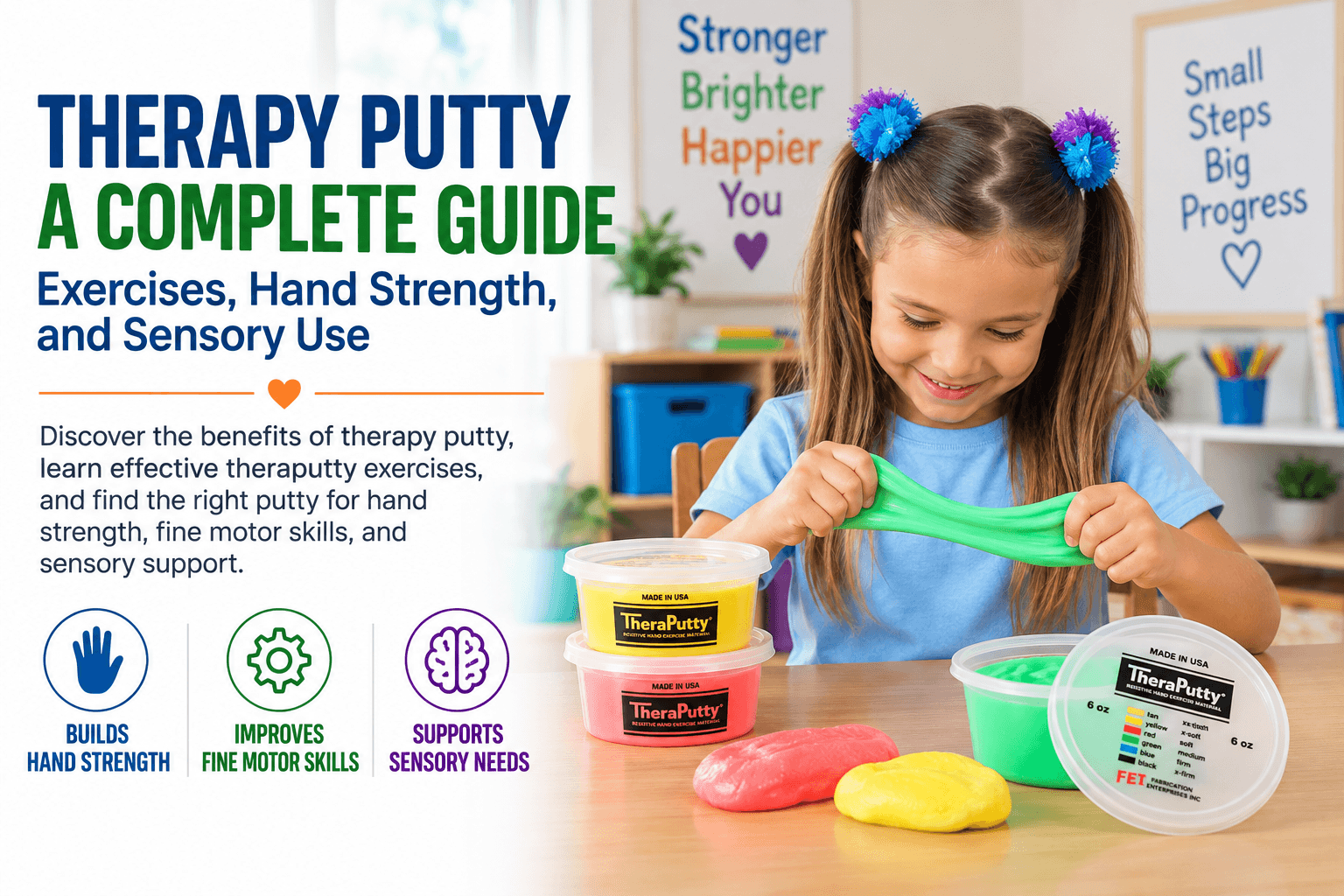
Therapy putty, also known as theraputty or thera putty, is a resistive material commonly used to exercise the hands and fingers, practice fine motor skills, and provide hands on sensory input. Because it can be squeezed, stretched, rolled, pinched, pulled, and shaped, therapy putty can turn simple hand movements into engaging activities for children and adults.
Whether you are looking for therapy putty for hands, a sensory activity for a classroom, or therapeutic hand exercises recommended as part of a therapy program, choosing the right putty and resistance level can make a big difference.
At eSpecial Needs, you can explore therapy putty and sensory putty options for use at home, school, therapy clinics, and other care environments.
What Is Therapy Putty?
Therapy putty is a moldable material that provides resistance when it is squeezed, pinched, stretched, rolled, or pulled. Unlike ordinary modeling dough, therapeutic putty is specifically useful for repetitive hand activities because different resistance levels can create different levels of challenge. A softer putty requires less force to manipulate. Firmer putty provides greater resistance and may require more hand and finger strength.
This makes therapeutic hand putty useful for activities involving:
Grip strength
Finger strength
Pinch strength
Hand endurance
Fine motor control
Finger isolation
Hand coordination
Bilateral coordination
Tactile exploration
Sensory engagement
Therapy putty activities can also be adapted to different abilities. One person may simply squeeze the putty with the whole hand, while another may use individual fingers to complete more precise movements.

Is Theraputty the Same as Therapy Putty?
In everyday use, theraputty is often used to describe the same general type of resistive hand putty. TheraPutty can also refer to specific commercially available therapy putty products. Regardless of the terminology, the important factors when choosing putty are its resistance, texture, intended use, and whether the activity is appropriate for the individual.
What Is Therapy Putty Used For?
Therapy putty can serve several purposes depending on how it is used:
Hand Strengthening
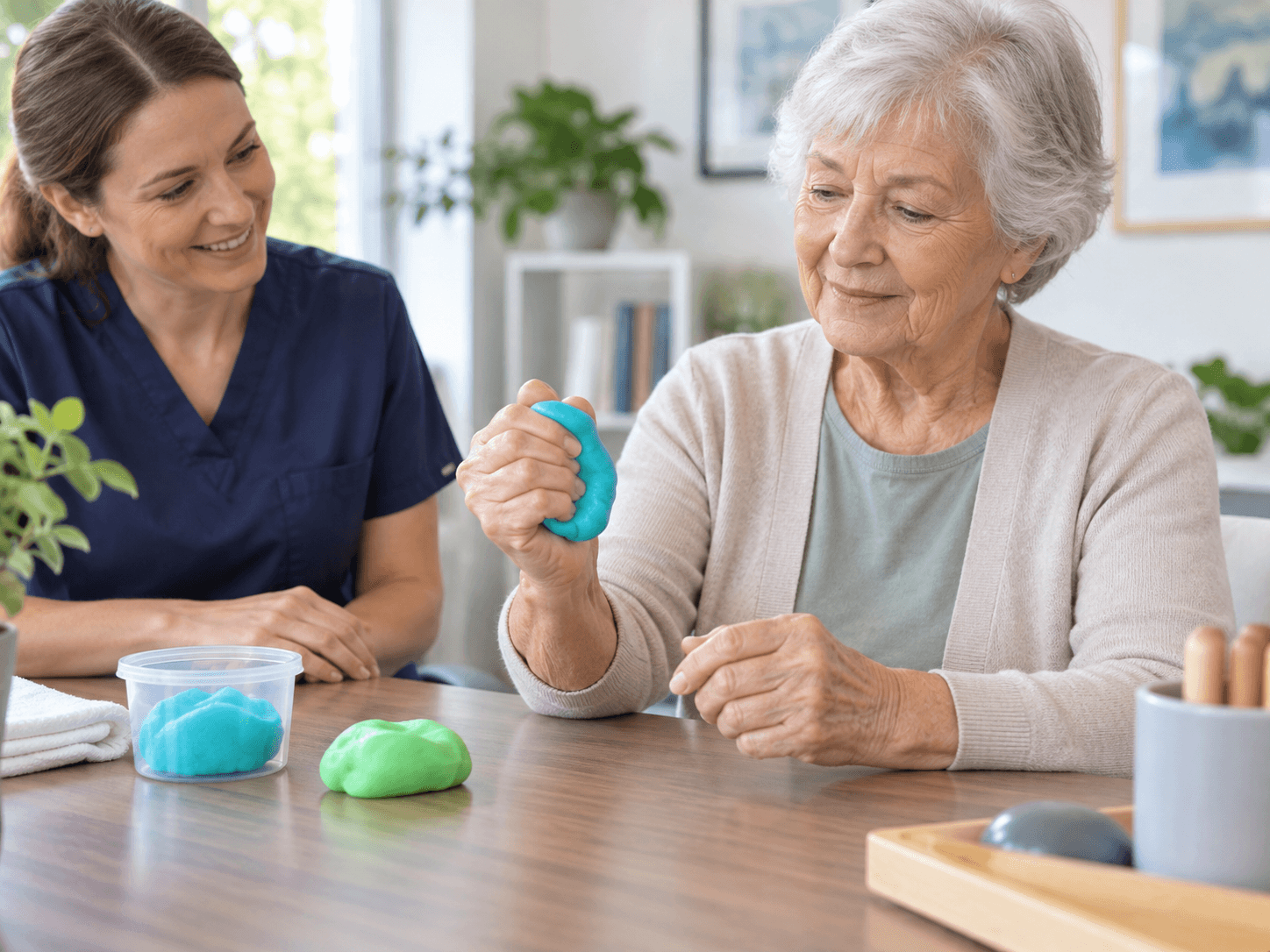
Squeezing, pinching, pulling, and stretching putty creates resistance for the muscles of the hands and fingers. These movements can be incorporated into exercises designed to work different grips and finger movements.
Fine Motor Activities
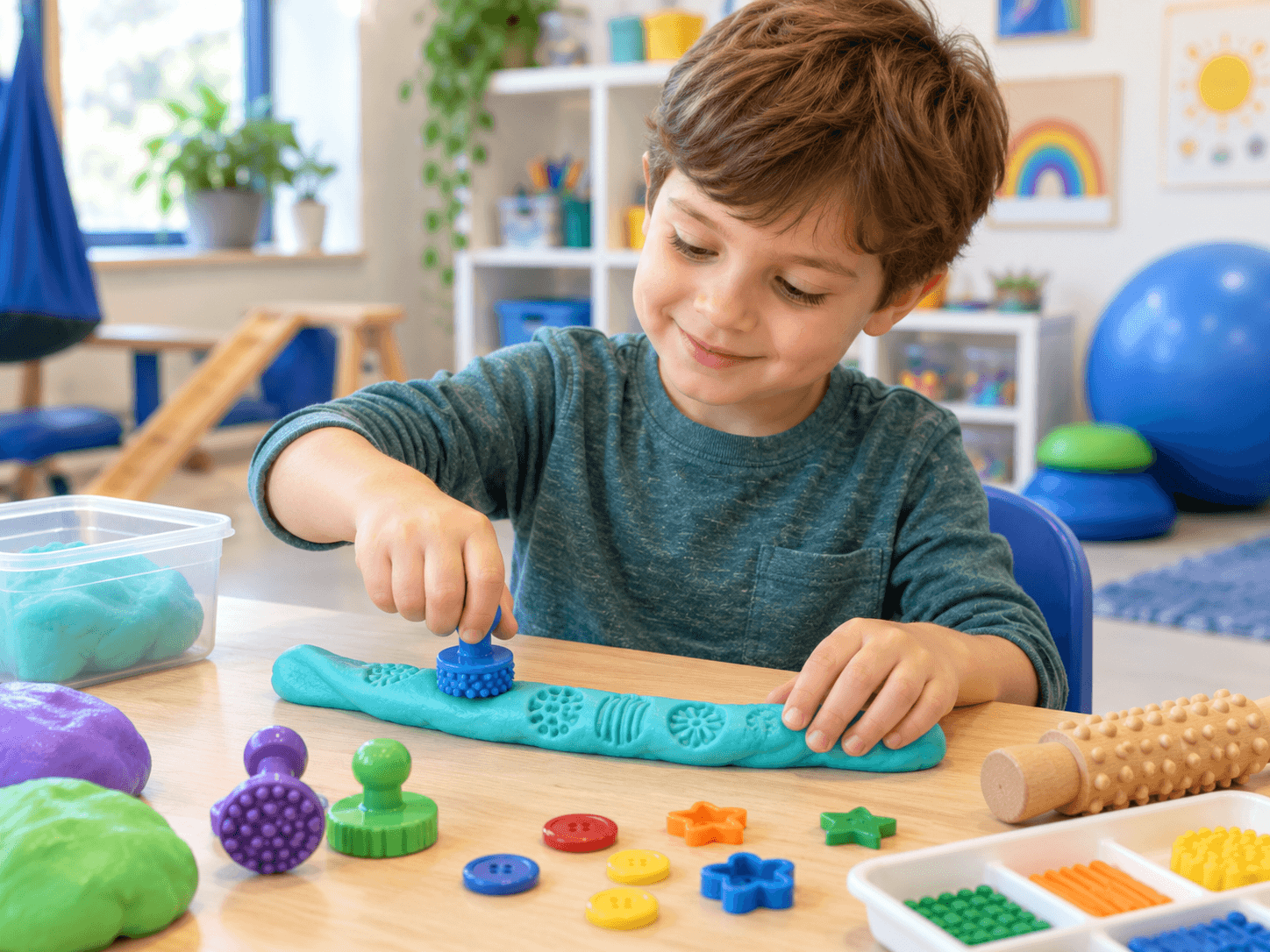
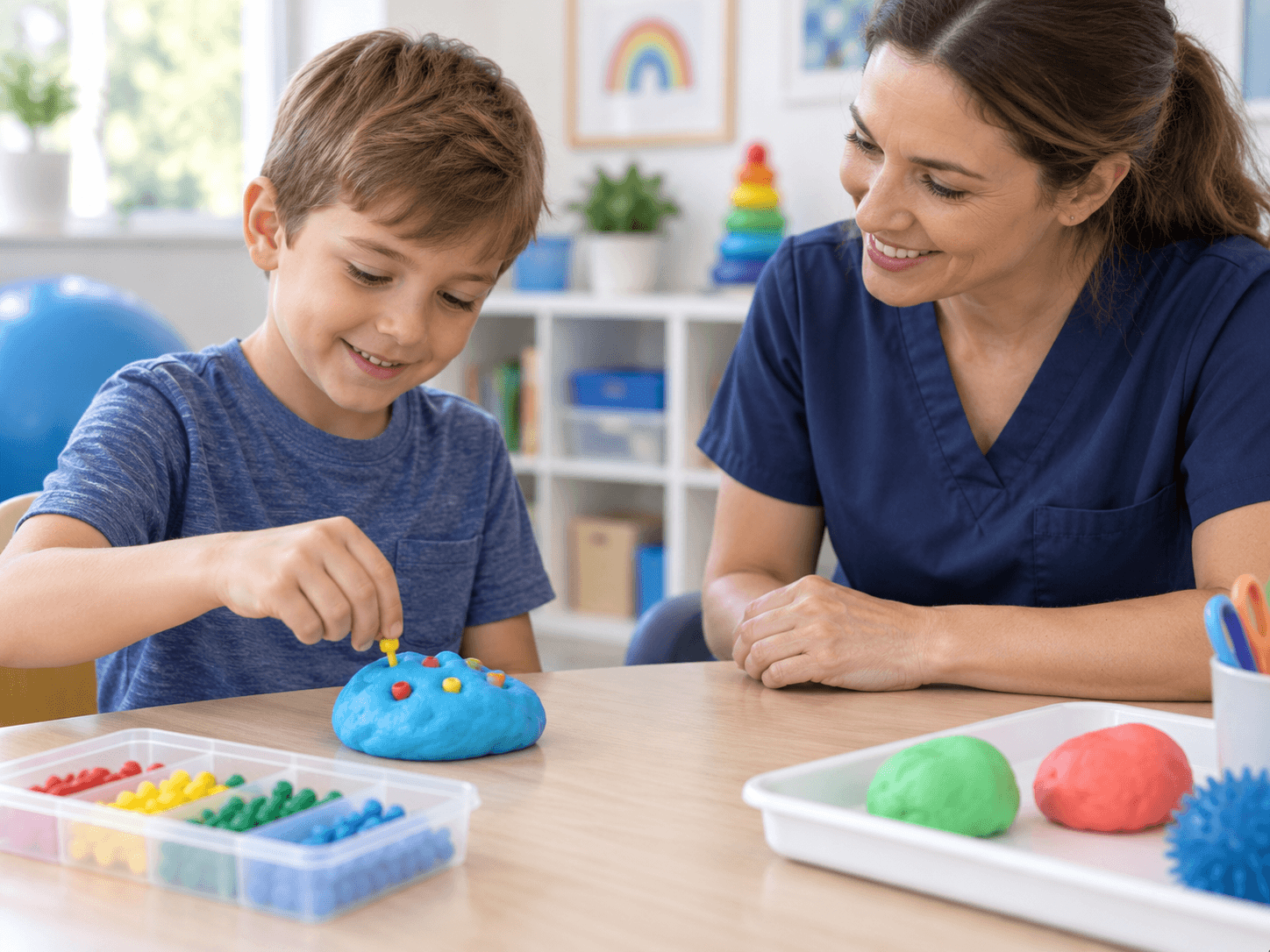
Manipulating putty requires controlled movements of the fingers and hands. Activities such as rolling small balls, making shapes, pinching along the edge of the putty, or finding objects hidden inside it can encourage more precise finger movements.
Occupational Therapy Activities
Occupational therapy professionals may incorporate therapeutic putty into activities designed around specific functional goals. The exercises selected can vary substantially depending on the person's needs, abilities, and therapy goals.
Sensory Activities
Sensory putty provides tactile input through the hands. Users can squeeze it, stretch it, flatten it, twist it, or simply manipulate it repeatedly. For individuals who enjoy resistive tactile experiences, putty can provide an engaging hands on sensory activity.
Classroom Activities
Therapy and sensory putties can also be incorporated into classroom sensory breaks, fine motor centers, or supervised quiet activities. Because it can provide both tactile engagement and resistance, putty may be useful when an educator wants a hands on activity that also encourages finger movement.
What Are the Benefits of Therapy Putty for Hands?
The primary advantage of therapy putty for hands is its versatility. One small container can be used for many different movements rather than requiring a separate device for every exercise.
Depending on the activities selected, putty can be used to practice:
Full hand squeezing
Thumb movement
Finger flexion
Finger extension
Finger spreading
Tip pinch
Key pinch
Three finger pinch
Individual finger movements
Rolling and shaping
Coordinated use of both hands
The resistance also provides immediate feedback. The user can feel how much force is required to change the shape of the putty.
What Resistance Therapy Putty Should You Use?
Therapeutic putty is commonly available in several resistance levels ranging from very soft to considerably firmer. There is no single resistance level that is best for everyone.
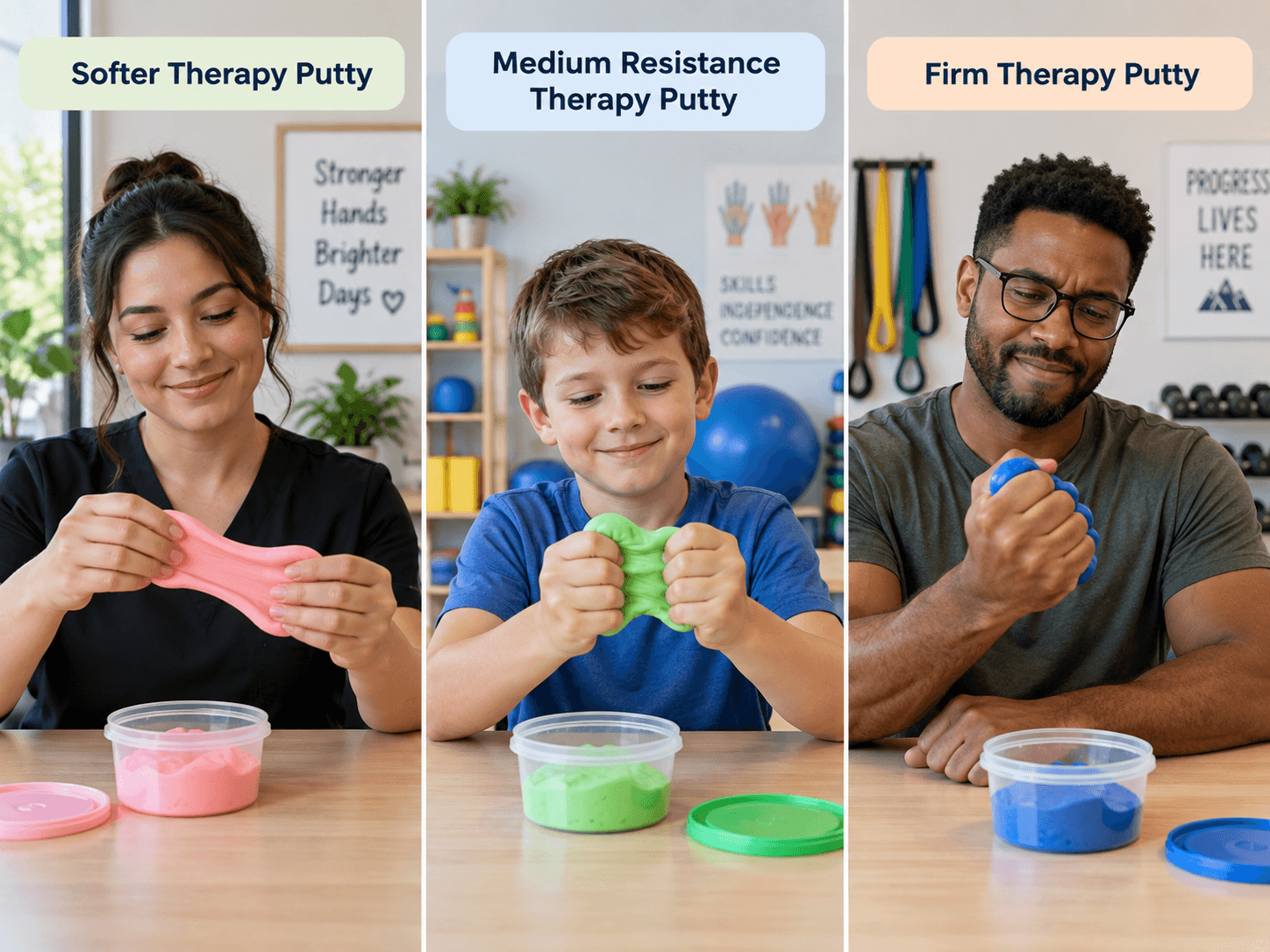
Softer Therapy Putty
Softer putty requires less force to manipulate.
It can be useful when the goal is gentle manipulation, introductory exercises, sensory exploration, or activities for someone who has difficulty working against stronger resistance.
Medium Resistance Therapy Putty
A moderate resistance provides a greater challenge while still allowing many squeezing, rolling, and pinching activities. It may be appropriate when a user is ready for more resistance but still needs to perform controlled movements.
Firm Therapy Putty
Firmer putty requires more force to manipulate and can make squeezing, pinching, and stretching exercises more challenging. More resistance is not automatically better. A resistance level that is too difficult can make it harder to perform movements correctly.
When therapy putty is being used as part of rehabilitation or treatment, follow the resistance level and exercise program recommended by the appropriate healthcare or therapy professional.
10 Theraputty Exercises and Activities for the Hands
There are many possible theraputty exercises, ranging from simple whole hand movements to exercises that isolate individual fingers.
Here are ten common hand putty exercises that demonstrate the versatility of therapy putty.
1. Full Hand Squeeze
Place a ball of putty in the palm.
Wrap the fingers around the putty and slowly squeeze it with the entire hand.
Release, reshape the putty, and repeat as appropriate.
This is one of the simplest ways to use hand putty for therapy activities involving grip.
2. Finger Pinches
Roll the putty into a thick rope.
Pinch along the putty using the thumb and index finger.
The exercise can also be performed using the thumb with different fingers.
3. Finger Spread
Flatten the putty into a thick disc.
Place the fingertips together and position the putty around them.
Slowly spread the fingers outward against the resistance of the putty.
4. Finger Extension
Create a loop of putty around one or more bent fingers.
Slowly straighten the fingers against the resistance.
Finger extension exercises work differently from squeezing because the fingers are pushing outward rather than closing around the material.
5. Thumb Press
Hold the putty in the palm.
Press the thumb downward into the putty.
Reshape it and repeat.
This activity allows the thumb to work separately from the other fingers.
6. Putty Roll
Place the putty on a clean flat surface.
Use the palm and fingers to roll it into a long rope.
Try creating ropes of different lengths and thicknesses while maintaining controlled hand movements.
7. Putty Ball
Use the fingers and palm to shape the putty into a ball.
For a greater fine motor challenge, divide the putty into smaller pieces and make several small balls using the fingertips.
8. Putty Pull
Hold one end of the putty in each hand.
Slowly pull the hands apart and stretch the putty.
Bring the hands back together, reshape it, and repeat.
This can also create an activity that encourages coordinated use of both hands.
9. Hidden Object Search
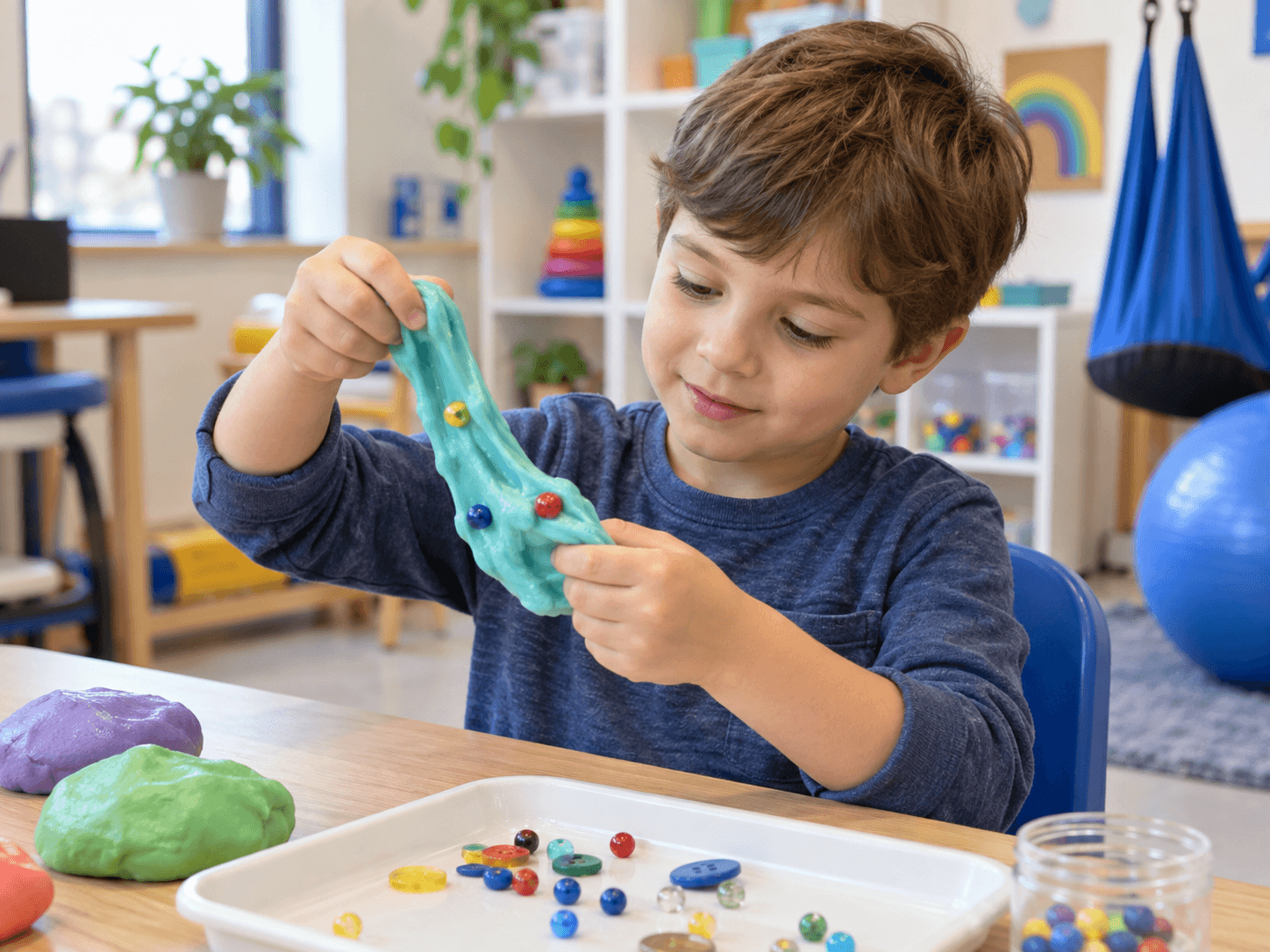
Place several appropriate small objects inside a larger piece of putty.
Manipulate the putty with the fingers to locate and remove each object.
This turns putty manipulation into a fine motor search activity.
Any small objects used should be appropriate for the user's age and abilities and should be closely supervised when necessary.
10. Shape Making
Use therapeutic putty to create letters, numbers, animals, shapes, or other designs.
This can combine tactile play with fine motor practice and learning activities.
Children can roll the putty into ropes and use them to form letters or numbers, while adults can use similar shaping activities for repeated hand movement.
What Hand Skills Can Theraputty Exercises Target?
Different exercises challenge different movements.
For example, squeezing a ball of putty primarily creates a different hand movement than spreading the fingers against a putty loop.
A varied activity routine can involve:
Grip: Closing the fingers around an object.
Pinch: Using the thumb together with one or more fingers.
Finger isolation: Moving one finger independently.
Finger extension: Straightening the fingers against resistance.
Thumb movement: Pressing, pulling, or moving the thumb against resistance.
Dexterity: Performing controlled movements with the fingers.
Bilateral coordination: Using both hands together during an activity.
Choosing an activity based on the desired movement is more useful than simply squeezing putty repeatedly without a specific goal.
Therapy Putty for Fine Motor Skills
Fine motor skills involve controlled movements of the hands and fingers that are important for many everyday activities. These skills are involved when a person buttons clothing, manipulates utensils, turns pages, writes, uses scissors, handles small objects, or completes countless other daily tasks. Putty provides an easy way to build fine motor movements into play and structured activities.
For additional ideas, see our guide to fine motor skills activities and tools occupational therapists use.
Sensory Putty Versus Therapy Putty
Sensory putty and therapy putty can look similar, but the intended purpose may differ.
Therapy putty generally emphasizes resistance and hand exercises.
Sensory putty may place greater emphasis on texture, tactile exploration, visual features, scent, or the experience of manipulating the material.
Some putties can serve both purposes. A resistive putty may provide useful hand exercise while also delivering tactile sensory input. The best option depends on why the person will be using it.
How Can Therapy Putty Be Used for Sensory Activities?
Therapy putty does not have to be limited to formal exercises.
Try activities such as:
Stretching it slowly between both hands
Rolling it between the palms
Flattening it with the fingertips
Making impressions with safe objects
Creating shapes
Hiding and finding objects
Twisting two pieces together
Pulling it into a long strand
Squeezing it repeatedly
Sorting different putty colors or resistance levels
Activities can be simplified or made more challenging depending on the individual's abilities and preferences.
Therapy Putty for Children
Children may find therapy putty especially engaging because an exercise can feel more like play than a traditional strengthening activity. A child could make pretend food, animals, letters, numbers, faces, or miniature objects while manipulating the putty. A therapist, teacher, or caregiver can also incorporate tasks such as hiding beads or other appropriate objects in the material for the child to locate.
The activity should always match the child's developmental level and abilities. Close supervision is important for children who may place putty or small objects in their mouths.
Therapy Putty for Adults
Therapeutic hand putty is not only for children.
Adults can also use resistive putty for structured hand exercises, dexterity activities, or tactile engagement.
Its compact size makes putty convenient for many homes, rehabilitation settings, therapy clinics, and care environments.
When the putty is being used following an injury, surgery, or other medical concern, exercises should be performed according to recommendations from the individual's healthcare or therapy professional.
How Often Should You Do Theraputty Exercises?
There is no universal therapy putty exercise schedule that is appropriate for every person. Exercise frequency, resistance, repetitions, and duration can vary according to the user's goals, hand strength, medical history, and reason for using the putty.
If an occupational therapist, physical therapist, hand therapist, or other healthcare professional has prescribed hand putty exercises, follow that person's instructions rather than using a generic exercise routine.
For recreational fine motor or sensory activities, sessions can be adjusted based on comfort, attention, and the individual's response.
How Do You Keep Therapy Putty Clean?
Always follow the care instructions supplied with your specific putty.
General good practices include:
Use putty with clean, dry hands.
Keep it away from dirty or heavily textured surfaces.
Return it to its container after use.
Close the container securely.
Avoid mixing it with food, liquids, lint, or other materials.
Use individual containers when hygiene protocols require them.
Check the putty before use and replace it when appropriate.
Some putties can stain fabrics, carpeting, or upholstery, so use the material over an appropriate surface and follow the manufacturer's instructions.
How Do You Choose the Best Therapy Putty?
The best therapy putty depends on who will use it and why.
Consider these questions before choosing:
What is the primary goal?
Decide whether the putty will primarily be used for hand exercises, fine motor activities, sensory engagement, therapy sessions, classroom activities, or a combination of purposes.
How much resistance is appropriate?
Choose a resistance that allows the intended activity to be completed with control.
Who will use it?
Consider the person's age, hand abilities, sensory preferences, and ability to safely use the material.
Where will it be used?
A therapist buying supplies for a clinic may have different requirements than a parent purchasing one container for home activities.
Will multiple resistance levels be useful?
Having several resistance options can provide greater flexibility when the putty will be used by multiple people or as activities progress.
Shop Therapy Putty and Sensory Putty
The right putty can transform simple hand movements into engaging fine motor, strengthening, and sensory activities. eSpecial Needs offers therapy putty, theraputty, and sensory putty for children and adults, with options suited to homes, schools, occupational therapy programs, clinics, and other professional environments.
Explore the collection to compare putty types and find an option that matches your activity or therapy needs.
FAQs
What resistance therapy putty should I use?
Choose a resistance that allows you to perform the intended movement with control. Softer putty requires less force, while firmer putty creates more resistance. People following a rehabilitation or therapy program should use the resistance recommended by their healthcare or therapy professional.
Is sensory putty the same as therapy putty?
Not always. Therapy putty generally emphasizes resistance and exercise, while sensory putty may focus more heavily on tactile exploration and sensory features. Some products can function as both therapy putty and sensory putty.
Can adults use therapy putty?
Yes. Adults can use therapeutic hand putty for hand exercises, dexterity activities, occupational therapy programs, or tactile activities. Anyone using putty following an injury or surgery should follow the recommendations of their healthcare professional.
Can therapy putty be used for both strengthening and sensory activities?
Yes. Therapy putty can serve more than one purpose depending on how it is used. Firmer resistance levels can add challenge to hand exercises, while squeezing, stretching, rolling, and shaping the putty can also provide tactile sensory input.
What makes therapeutic hand putty different from regular modeling dough?
Therapeutic hand putty is typically designed to provide consistent resistance during hand and finger movements. Regular modeling dough is usually intended more for creative play and may not offer the same range of resistance levels used in therapy activities.
How do I know if therapy putty is too difficult to use?
If the putty is so firm that the user cannot complete the intended movement with reasonable control, the resistance may be too high. A softer resistance may be more appropriate. Anyone using therapy putty as part of rehabilitation should follow the resistance level recommended by their therapist or healthcare professional.