Table of Contents
- Why Sand and Water Tables Are Helpful
- 1. Youth Sand and Water Activity Center
- 2. All In One Sand and Water Activity Center
- 3. Children’s Factory Neptune Sand and Water Sensory Table
- 4. See Thru Sensory Table
- 5. See Thru Mini Sensory Table
- What Can You Put in a Sand and Water Table?
- Best Activities for Sand and Water Tables
- Choosing the Best Children’s Water Table
- Indoor and Outdoor Water Table Use
- Shop Sand and Water Tables at eSpecial Needs
- How A Sensory Sand & Water Tables Can Make A Big Difference
- FAQs
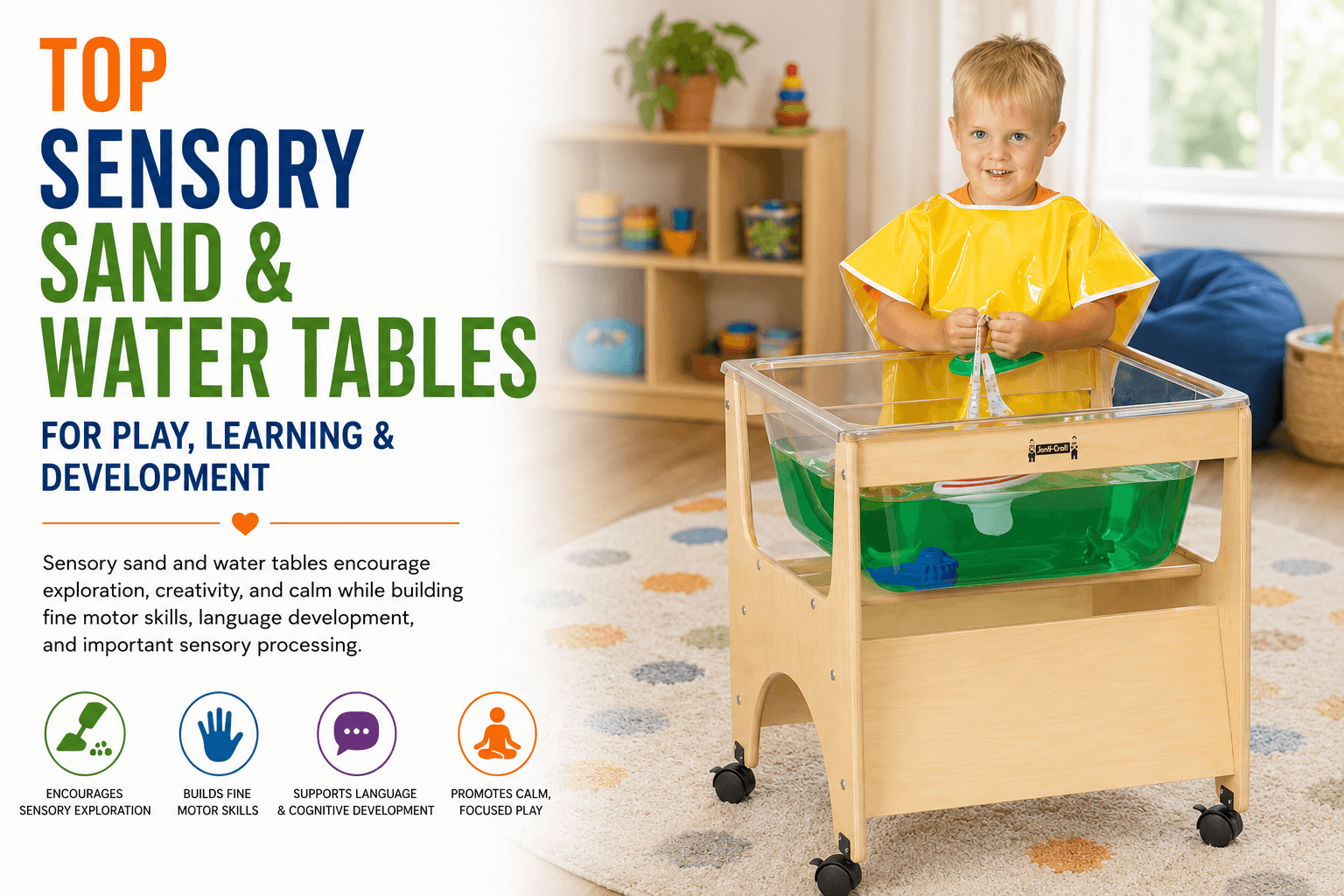
A sand and water table gives children a hands on way to scoop, pour, dig, splash, sort, measure, build, and explore. For homes, classrooms, therapy rooms, preschools, and special education spaces, these tables can create flexible sensory play opportunities that support fine motor skills, tactile exploration, early learning, communication, and cooperative play.
At eSpecial Needs, the Sandboxes and Sensory Tables collection includes a wide range of sensory tables, sand and water play table options, preschool water table choices, activity centers, and larger sensory play tables for schools and therapy spaces. Whether you are looking for a compact children’s sand and water table, a big water table for group play, or a more accessible water sensory table for students with special needs, this collection offers several helpful options.
Why Sand and Water Tables Are Helpful
Sand and water tables support open ended play. Children can explore texture, temperature, weight, movement, cause and effect, volume, and simple science concepts while using their hands and tools. A water play table can encourage pouring, filling, dumping, floating, sinking, and measuring. A sand table can support digging, scooping, building, hiding objects, and tracing shapes or letters.
Sand and water table activities may support:
Fine motor development
Hand strength
Bilateral coordination
Hand eye coordination
Tactile exploration
Sensory regulation
Early math concepts
Early science concepts
Language development
Social interaction
Turn taking
Imaginative play
Classroom participation
For children with sensory needs, a water and sand table can offer structured tactile input in a defined space. For teachers and therapists, it can turn play into a purposeful learning activity.
1. Youth Sand and Water Activity Center
The Youth Sand and Water Activity Center is a strong option for classrooms, therapy rooms, and home play areas that need a practical sand and water table for repeated use. The collection includes versions with 2 casters and 4 casters, which can be helpful depending on how often the table needs to be moved.
This type of children’s sand and water table can be used with sand, water, and other sensory materials when appropriate. It works well for preschool water table activities, sensory bins for kindergarten, small group play, and tactile exploration. A mobile activity center can also make it easier for teachers or therapists to reposition the table between lessons, clean up areas, or classroom centers.
Best for:
Preschools
Early learning classrooms
Kindergarten sensory play
Therapy rooms
Small group water play
Sand table and water table activities
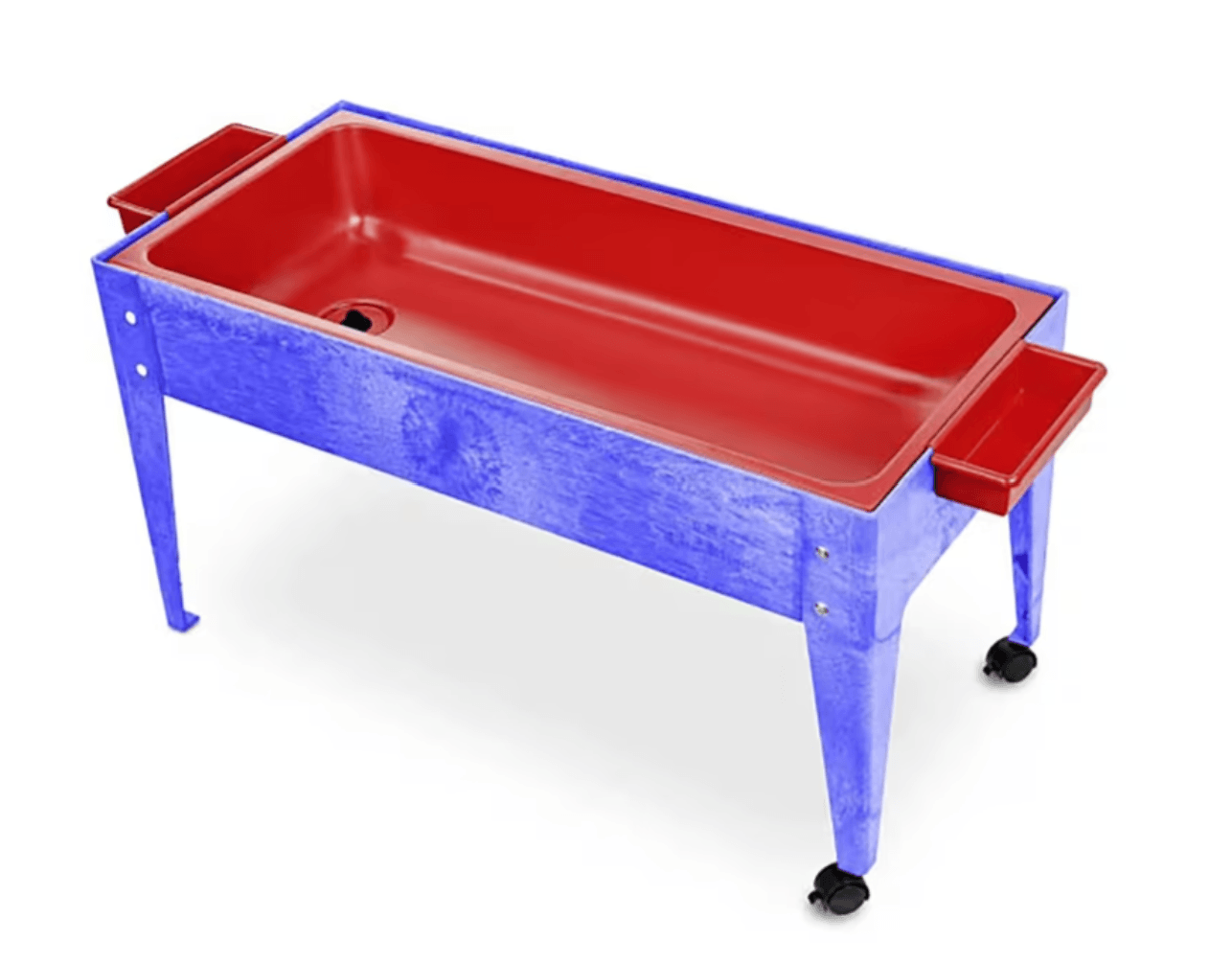
2. All In One Sand and Water Activity Center
The All In One Sand and Water Activity Center is a versatile choice for families, teachers, and therapists who want one compact activity space for sand table water play and other sensory materials.
This type of sand and water play table can help children explore different textures while practicing scooping, pouring, grasping, dumping, and sorting. It can also be used with water sand table toys such as cups, funnels, scoops, boats, floating toys, measuring tools, and larger manipulatives.
Best for:
Home sensory play
Classroom centers
Therapy based tactile activities
Young children learning to scoop and pour
Flexible sand and water table routines
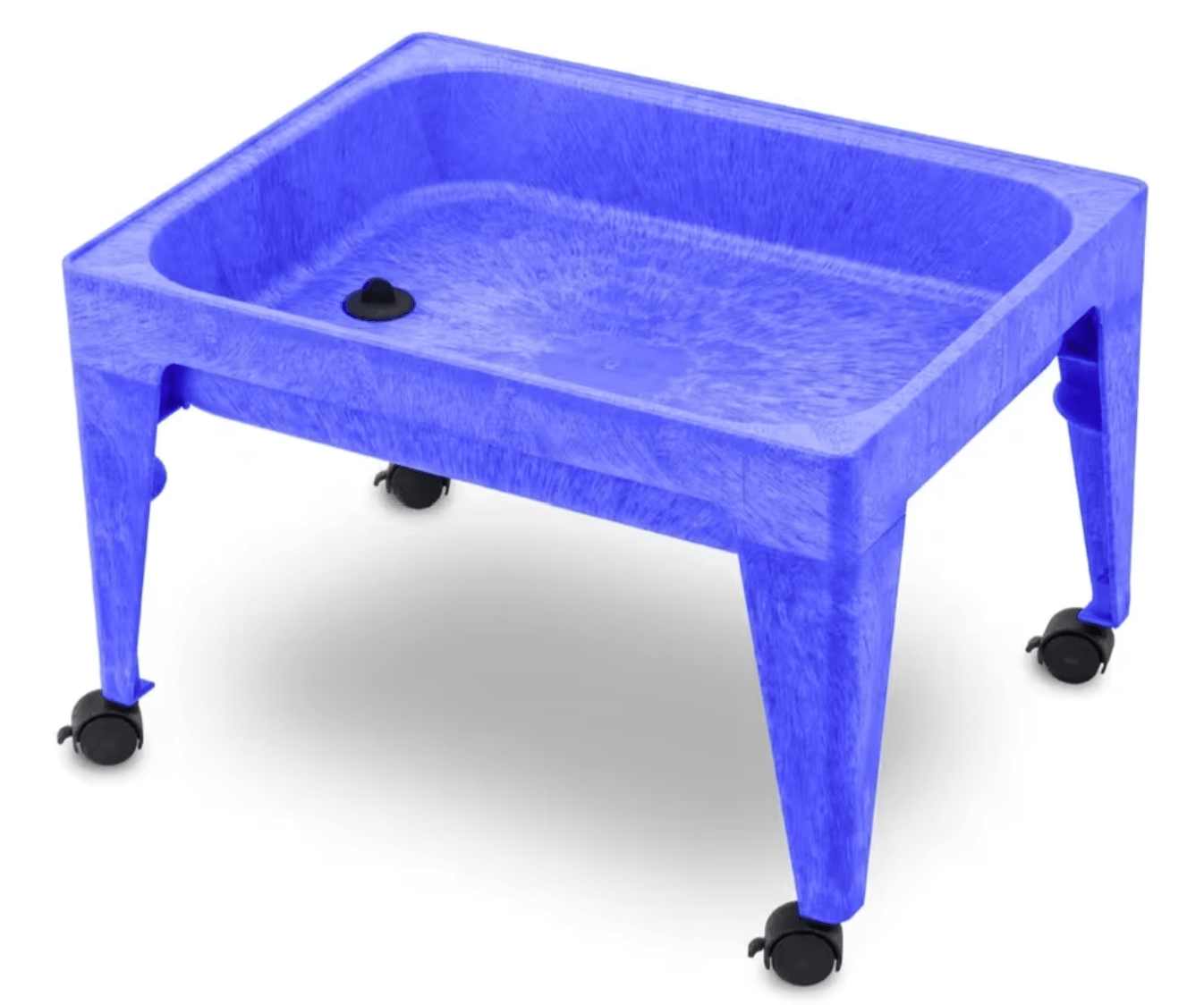
3. Children’s Factory Neptune Sand and Water Sensory Table
The Children’s Factory Neptune Sand and Water Sensory Table is a helpful option for sensory play spaces that need a dedicated water sensory table or sand and water table with a simple, classroom friendly design.
This table can support water play table activities like floating and sinking, color sorting, washing toys, pouring water between cups, and using funnels or scoops. It can also support sand table water activities when used with appropriate materials and supervision.
Best for:
Water sensory table activities
Preschool water table setups
Classrooms
Therapy rooms
Early science play
Fine motor practice
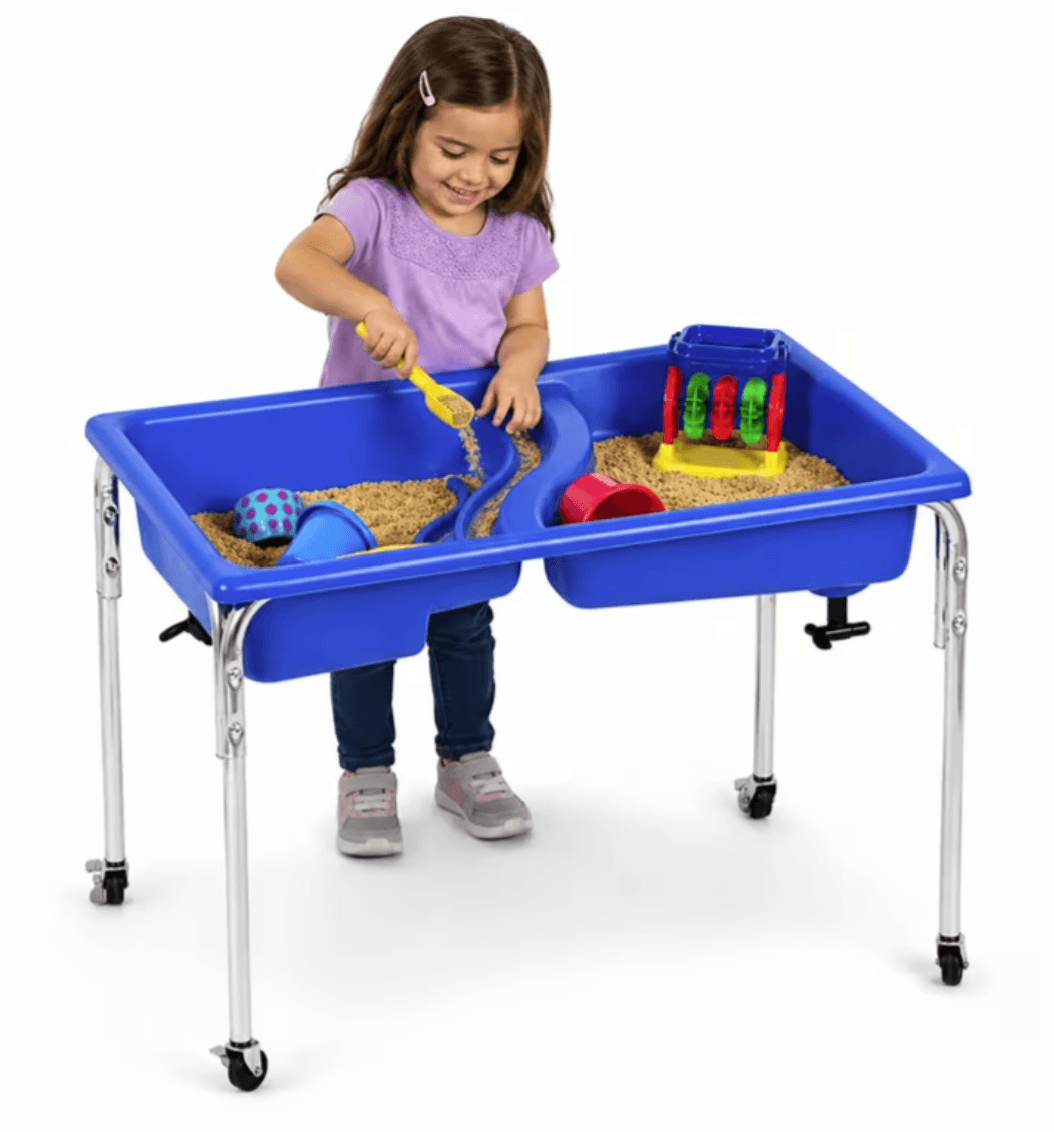
4. See Thru Sensory Table
The See Thru Sensory Table allows children to explore materials from multiple visual angles. A clear sensory table can add another layer of learning because children can see what is happening below the surface as they scoop, pour, sort, or move objects.
This can be especially engaging for water table and sand activities. Children can observe floating objects, buried items, layers, colors, textures, and movement. It can also support cause and effect learning, visual tracking, and early science concepts.
Best for:
Visual sensory exploration
Sand and water play
Science based sensory activities
Classrooms
Therapy spaces
Group learning
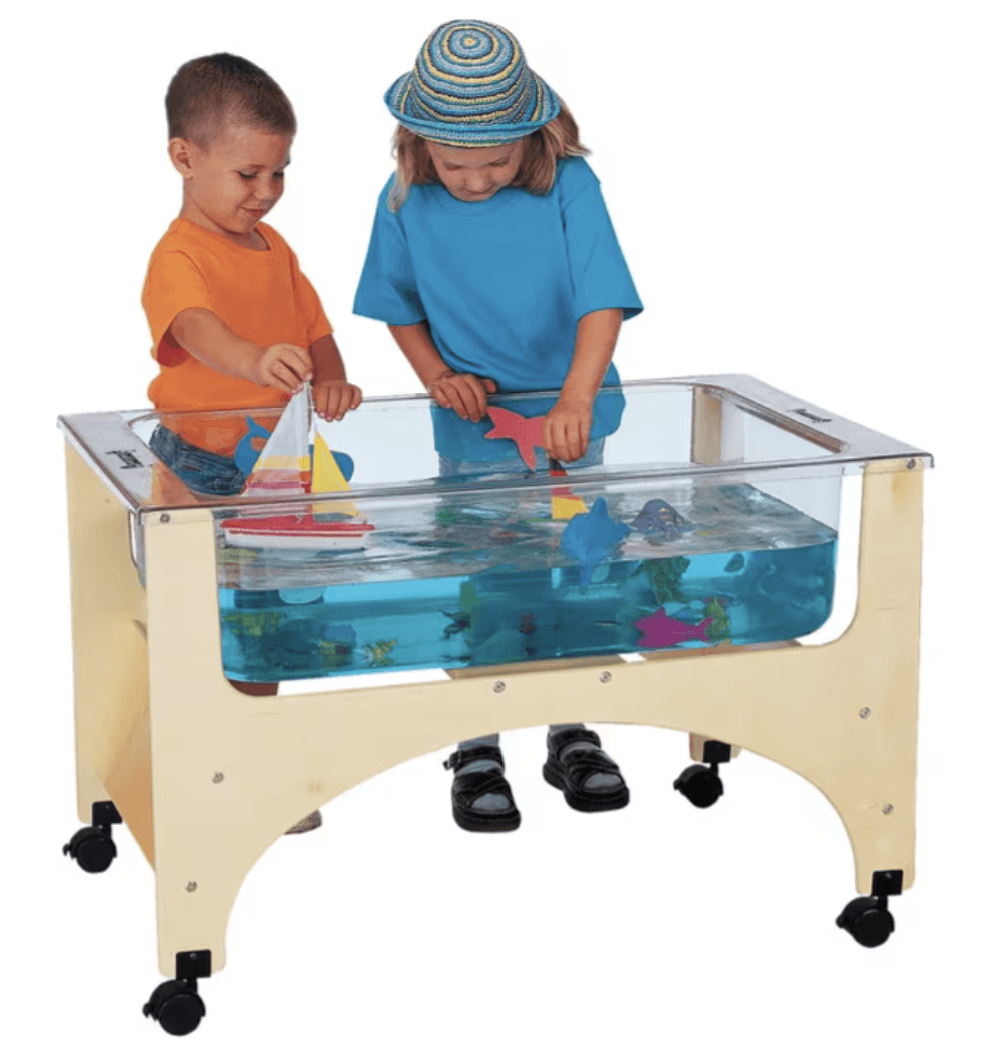
5. See Thru Mini Sensory Table
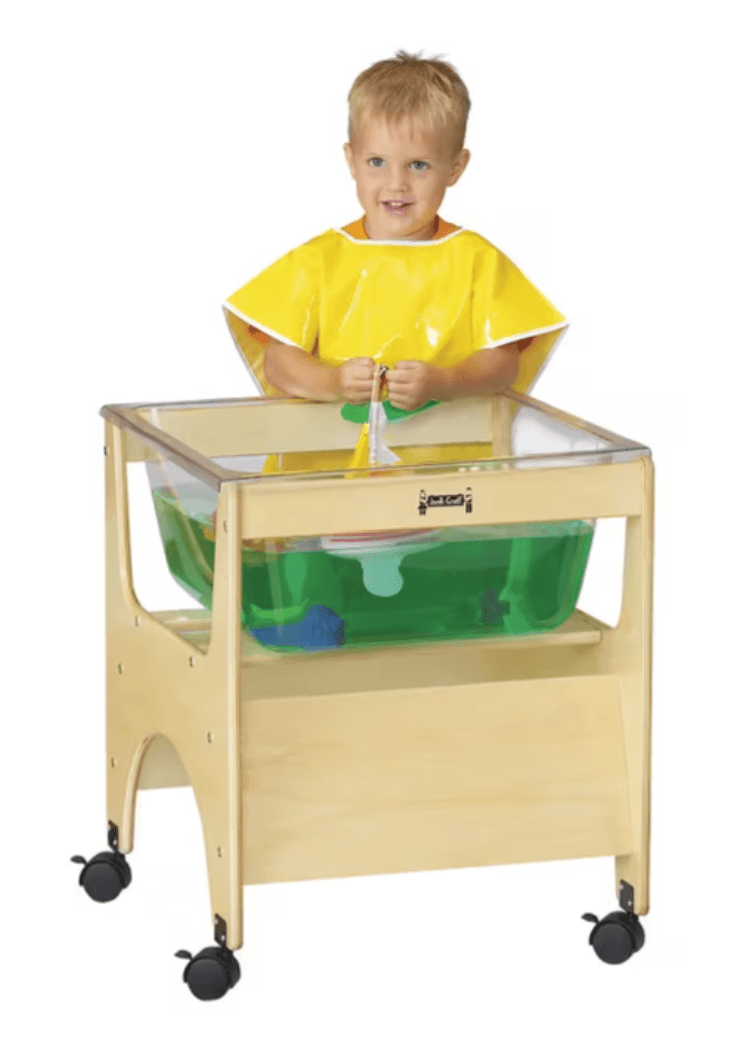
The See Thru Mini Sensory Table is a compact option for smaller classrooms, therapy rooms, and home spaces. It gives children access to tactile sensory play without requiring as much room as a larger table.
A smaller table can be useful when space is limited or when the activity is intended for one child or a small group. It can support sand and water play, sorting, scooping, fine motor practice, and visual exploration in a more compact footprint.
Best for:
Small spaces
Home sensory play
One on one therapy
Compact classrooms
Fine motor activities
Early learning centers
What Can You Put in a Sand and Water Table?
A sand and water table can be used with many different sensory materials, depending on the child’s age, safety needs, allergies, supervision level, and cleanup plan.
Common filler ideas include:
Water
Play sand
Kinetic style sand when appropriate
Water beads when age appropriate and closely supervised
Foam pieces
Smooth stones for older children
Large buttons or manipulatives
Floating toys
Plastic animals
Cups and scoops
Funnels
Measuring spoons
Tongs
Sorting bowls
Shells for older children
Laminated letter or number cards
When choosing sand for sand and water table use, select clean play sand that is intended for children’s play areas. Avoid construction sand, dusty materials, sharp fillers, or small items that could create choking risks.
Best Activities for Sand and Water Tables
Sand water play table activities can be simple and still valuable. The goal is not to create a complicated setup. Children often learn the most through repeated scooping, pouring, comparing, and exploring.
Activity ideas include:
Pour water through funnels
Scoop sand into cups
Hide large objects in sand
Sort floating and sinking toys
Wash plastic animals
Match colored scoops to colored bowls
Trace letters in sand
Count shells or large manipulatives
Build small sand shapes
Compare wet and dry textures
Use tongs to pick up objects
Practice turn taking with shared tools
For sensory bins for kindergarten, teachers can rotate themes such as ocean, construction, garden, weather, letters, numbers, shapes, or seasonal topics.
Choosing the Best Children’s Water Table
The best children’s water table depends on the setting. A home may need a smaller outdoor water table that is easy to empty and store. A preschool may need a durable preschool water table that supports several children. A therapy room may need a table that supports seated access, wheelchair access, or a specific fine motor goal.
Before choosing a sand table and water table, consider:
Child age and height
Number of users
Indoor or outdoor use
Wheelchair access
Table size
Drainage needs
Mobility or caster options
Material durability
Cleaning requirements
Storage space
Supervision needs
Type of sensory filler
Whether a lid is needed
For a water table for 7 year old children or water tables for 5 year olds, make sure the table height, depth, and activity challenge match the child’s size and abilities. Older children may need deeper bins, larger tools, more complex activities, or a big water table that supports group learning.
Indoor and Outdoor Water Table Use
An outdoor water table can be a fun way to add sensory play to playgrounds, patios, courtyards, daycare spaces, and outdoor classrooms. Outdoor use can make water play easier to manage because spills are less concerning. However, materials should still be emptied, cleaned, and stored properly.
Indoor sand and water tables work well in therapy rooms and classrooms when paired with mats, towels, clear rules, and a cleanup routine. Teachers may also use dry fillers indoors when water cleanup is not practical.
Shop Sand and Water Tables at eSpecial Needs
The Sandboxes and Sensory Tables collection at eSpecial Needs includes sand and water table options for homes, schools, therapy rooms, preschools, daycare centers, and inclusive play spaces. Whether you need a water play table, sand table water activity center, children’s sand water table, wooden water table alternative, big water table, preschool water table, or sensory table for special needs, eSpecial Needs offers flexible sensory play solutions.
You can also browse related categories, including Sensory Tables, Tactile Stimulation Products, Sensory Products, Toys, Education Products, and Sensory Room Equipment.
How A Sensory Sand & Water Tables Can Make A Big Difference
A sand and water table can turn simple play into meaningful sensory learning. Children can dig, scoop, pour, sort, splash, compare, and create while practicing fine motor skills, hand eye coordination, sensory exploration, and social interaction.
From compact home options to larger classroom sensory tables, the right water and sand table should fit the child, the space, the activity, and the supervision plan. With the right setup, sand and water tables can become one of the most flexible and engaging sensory play tools for homes, schools, therapy rooms, and early learning environments.
FAQs
What is the difference between a sand and water table and a sensory table?
A sand and water table is a type of sensory table designed for wet and dry tactile play. A sensory table may be used with many different materials, while a sand and water table is especially useful for scooping, pouring, digging, splashing, sorting, and hands on exploration.
Are sand and water tables good for preschool classrooms?
Yes. A preschool water table can support fine motor skills, early science, sensory exploration, cooperative play, language development, and turn taking. It also gives children a structured space for messy play that is easier to supervise and clean.
What age is best for a children’s sand and water table?
The best age depends on the table height, depth, materials used, and supervision level. Younger children may need shallow tables, larger tools, and close supervision. Older children may enjoy more complex activities like measuring, sorting, floating and sinking, or themed sensory play.
Can a sand and water table be used indoors?
Yes. A sand and water table can be used indoors when the area is prepared with towels, mats, clear rules, and a cleanup plan. Many classrooms and therapy rooms use dry fillers indoors when water cleanup is not practical.
What kind of sand should I use in a sand and water table?
Use clean play sand that is made for children’s play areas. Avoid construction sand, dusty materials, sharp fillers, or anything that may irritate skin, eyes, or breathing. Always check safety needs, allergies, and supervision requirements before use.
What can I use instead of sand?
Alternatives may include dry rice, foam pieces, pom poms, large buttons, kinetic style sand when appropriate, fabric squares, large manipulatives, or themed sensory fillers. Avoid small items for children who mouth objects or need close supervision.
What toys work well in a water sensory table?
Helpful water sand table toys may include cups, scoops, funnels, boats, floating animals, measuring spoons, ladles, tongs, strainers, water wheels, and sorting bowls. Choose tools that match the child’s age, grip ability, and safety needs.
How do I make water table play less messy?
Use a small amount of water, place a mat under the table, keep towels nearby, use clear rules, limit the number of tools, and empty the table after use. For classrooms, assign simple cleanup roles so children can help with the routine.