Table of Contents
- What Is A Shower Chairs Chair?
- Why Shower Chairs Chair Is Important for Bathroom Safety
- Who Should Use Shower Chairs Chair?
- Shower Chairs Chair for Elderly Adults
- Chairs for the Shower for the Disabled
- Shower Chairs for Bathtub Use
- Shower Chairs With Backs
- Shower Chairs With Arms
- Bath and Shower Chairs
- Shower Chairs Chair: What Buyers Usually Mean
- Types of Shower Chairs
- Standard Shower Chairs
- Shower Stools
- Shower Chairs With Backs
- Shower Chairs With Arms
- Transfer Benches
- Reclining Shower Chairs
- Rolling Shower Chairs
- Commode Shower Chairs
- Pediatric Bath and Shower Chairs
- How to Choose the Best Shower Chair
- User Strength and Balance
- Transfer Ability
- Bathroom Layout
- Seat Height
- Weight Capacity
- Seat Width and Depth
- Back and Arm Support
- Cleaning and Drainage
- Shower Chair Safety Tips
- Shower Chairs for Elderly Fall Prevention
- Shower Chairs for Caregivers
- Shower Chairs for Rehab and Recovery
- Shower Chairs and Occupational Therapy
- Shower Chairs and Physical Therapy
- Do Insurance or Medicaid Cover Shower Chairs?
- Letter of Medical Necessity for Shower Chairs
- Where to Buy Shower Chairs Online
- Benefits of Buying Shower Chairs from eSpecial Needs
- Shower Chair Buying Checklist
- How A Shower Chairs Chair Can Help
- FAQs
Shower chairs chair help makes bathing safer, easier, and more comfortable for seniors, adults with disabilities, children with special needs, people recovering from surgery, and caregivers who assist with hygiene routines. Whether you are looking for shower chairs for elderly adults, chairs for the shower for the disabled, shower chairs for bathtub use, shower chairs with backs, bath and shower chairs, or shower chairs with arms, the right bathing support can reduce fall risk and make daily care more manageable.
For many families and caregivers, the bathroom is one of the most challenging areas of the home. Wet floors, slippery surfaces, narrow spaces, balance concerns, fatigue, weakness, and transfer difficulty can all make showering stressful. Shower chairs provide a stable seated option so the user does not need to stand for the entire bathing routine.
At eSpecial Needs, families, caregivers, schools, clinics, and care facilities can explore helpful bathing support categories such as Shower Chairs, Bath Chairs, Bathing and Toileting Aids, Reclining Shower Chairs, Non Reclining Shower Chairs, Upright Bath Chairs, and Reclining Bath Chairs.
What Is A Shower Chairs Chair?
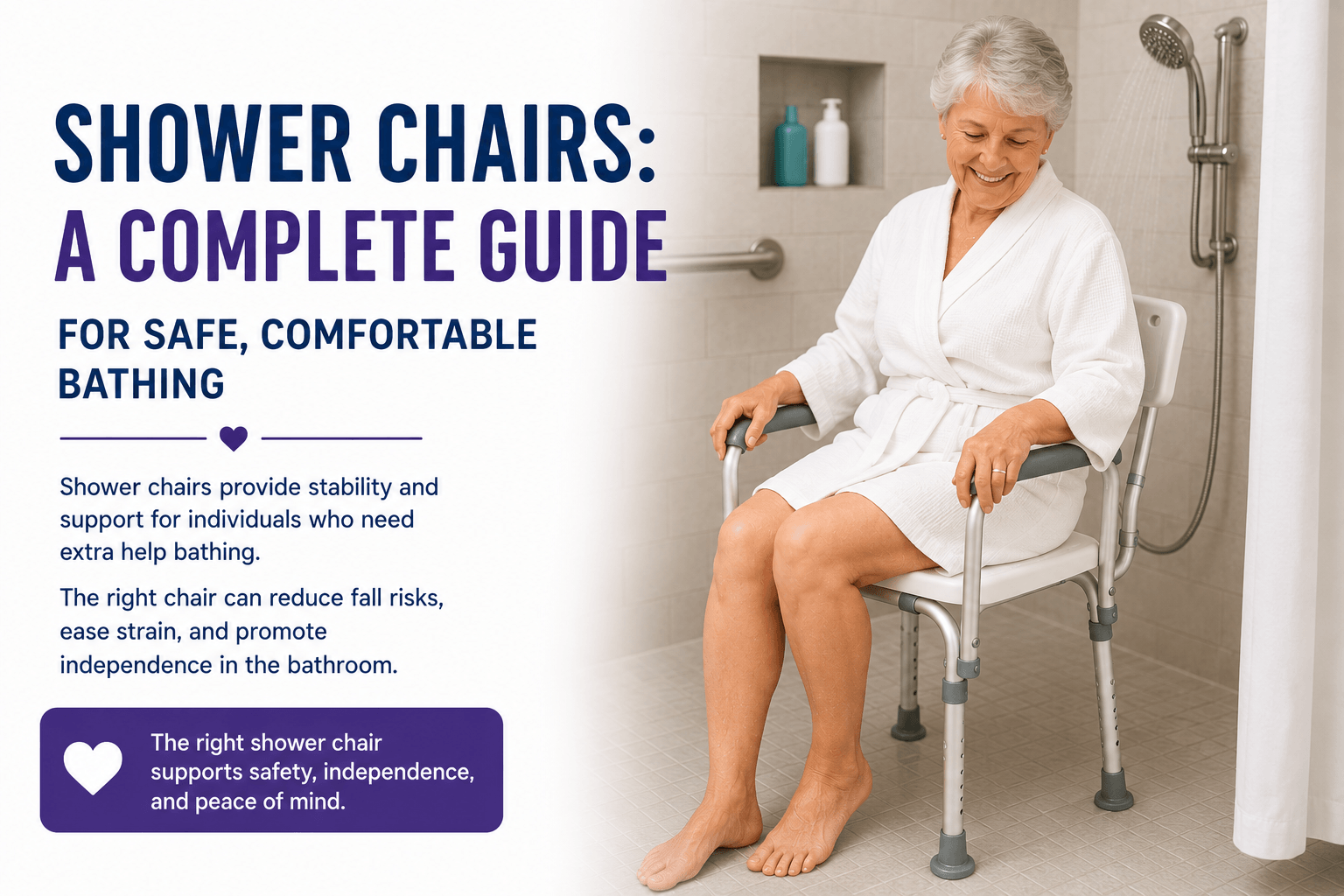
Shower chairs are bathroom safety seats designed for use in a shower or bathing area. They allow the user to sit while bathing, which can help reduce fatigue, improve stability, and make hygiene routines safer.
A shower chair may be used by someone who:
Has trouble standing for long periods
Feels unsteady in the shower
Has a disability that affects balance or mobility
Needs caregiver assistance during bathing
Is recovering from surgery or illness
Uses a wheelchair or walker
Has weakness, pain, or fatigue
Has poor trunk control
Needs extra support during hygiene care
Is at risk for falls in the bathroom
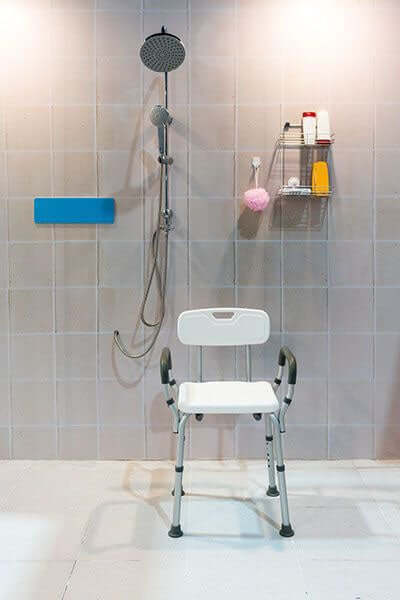
A basic shower chairs chair may look like a simple plastic seat with drainage holes. More supportive bath and shower chairs may include backs, arms, safety belts, reclining frames, commode openings, wheels, foot supports, or positioning features.
Highback Shower Chair
$218.00
Highback Shower Chair for Bathing Support The MJM Highback Shower Chair is designed to provide supportive seating during bathing, showering, and hygiene routines. Its highback design helps offer additional seated support for users who need more stability than a standard… read more

Why Shower Chairs Chair Is Important for Bathroom Safety
Bathrooms are naturally risky spaces because they include water, hard surfaces, tile, tubs, glass doors, and tight layouts. For people with limited strength, poor balance, dizziness, pain, or mobility concerns, standing in the shower can be unsafe.
Shower chairs may support:
Safer bathing
Reduced fall risk
Less standing fatigue
Greater comfort
Better caregiver access
Improved hygiene routines
More confidence
Greater independence
Safer transfers
Less stress for families
For seniors and adults with disabilities, shower chairs can help make bathing feel less overwhelming. For caregivers, the right chair can reduce lifting, bending, and unsafe support during washing.
Who Should Use Shower Chairs Chair?
Shower chairs may be helpful for many users, including:
Seniors with balance concerns
Adults with disabilities
People recovering from hip, knee, back, or foot surgery
Stroke survivors
Adults with multiple sclerosis
Adults with Parkinson’s disease
People with arthritis
Wheelchair users
People with cerebral palsy
People with muscular dystrophy
Individuals with spinal cord injuries
Children with special needs
Caregivers assisting with bathing
Rehab centers and long term care facilities
The best shower chair depends on the user’s body size, posture, balance, transfer ability, bathroom layout, and caregiver support needs.
Shower Chairs Chair for Elderly Adults
Shower chairs for elderly adults are among the most common bathroom safety products. As people age, changes in balance, vision, strength, endurance, joint comfort, and reaction time can make showering more difficult.
A shower chair for seniors can help older adults sit safely while washing, shaving, rinsing, or resting. It may also help reduce fear of falling, which can sometimes cause seniors to avoid bathing as often as they would like.
Helpful features in shower chairs for elderly users include:
Back support
Armrests
Adjustable height
Non slip feet
Wide stable base
Drainage holes
Lightweight frame
Easy cleaning
Comfortable seat
Transfer friendly design
For seniors who are mostly independent, a standard shower chair may be enough. For seniors who need more help, shower chairs with arms, backs, wheels, or transfer support may be a better choice.
Chairs for the Shower for the Disabled
Chairs for the shower for the disabled may need more support than a basic seat. Adults and children with disabilities may have posture challenges, low muscle tone, poor trunk control, limited transfers, fatigue, or difficulty staying safely seated.
Supportive shower chairs may include:
Backrests
Arm supports
Footrests
Safety straps
Reclining frames
Tilt support
Locking wheels
Open seats for hygiene access
Lateral support
Caregiver friendly frames
The goal is to support both safety and dignity. A well chosen shower chair can make bathing less stressful and more accessible while helping caregivers provide care more safely.
Helpful eSpecial Needs categories include Shower Chairs, Reclining Shower Chairs, and Bathing and Toileting Aids.
Shower Chairs for Bathtub Use
Shower chairs for bathtub use are designed for people who bathe in a tub or tub shower combination. Because stepping over a tub wall can be difficult, some users may need a bath chair, transfer bench, or tub compatible support.
Common bathtub bathing supports include:
Bath chairs
Tub benches
Transfer benches
Reclining bath chairs
Upright bath chairs
Pediatric bath chairs
Bath seats with support straps
A standard shower chair may not always work well in a bathtub because tub floors are narrow and curved. Always check product dimensions and bathroom measurements before buying.
For tub based routines, explore Bath Chairs, Upright Bath Chairs, and Reclining Bath Chairs.
Shower Chairs With Backs
Shower chairs with backs provide more support than backless stools. The backrest can help users sit more comfortably, especially if they fatigue easily or need extra stability.
Shower chairs with backs may be helpful for:
Seniors
Adults with weakness
Users with poor endurance
People who need seated support
Adults recovering from surgery
People who feel unsafe on a stool
Caregiver assisted bathing
A backrest may also help the user feel more secure during bathing. For some people, this confidence can make showering less stressful.
Shower Chairs With Arms
Shower chairs with arms provide added support during sitting, standing, and transfers. Armrests can help some users push up when standing or feel more stable while seated.
Shower chairs with arms may be helpful for:
Elderly adults
Users with leg weakness
Adults with balance concerns
People who need help sitting down
People who need help standing up
Users who feel unstable without side support
However, armrests are not right for everyone. If a person transfers sideways from a wheelchair, fixed arms may get in the way. In that case, a chair with removable arms, a transfer bench, or a different bathing setup may be better.
Bath and Shower Chairs
Bath and shower chairs include a broad range of seating products used for hygiene routines. Some are designed for walk in showers. Others are designed for tubs, pediatric bathing, or more complex positioning needs.
Common bath and shower chairs include:
Standard shower chairs
Shower chairs with backs
Shower chairs with arms
Shower stools
Bath chairs
Transfer benches
Reclining bath chairs
Upright bath chairs
Rolling shower chairs
Commode shower chairs
Pediatric bath chairs
A bath and shower chair should always match the user’s support level and the bathroom setup.
Shower Chairs Chair: What Buyers Usually Mean
Some shoppers search for “shower chairs chair” when they are trying to compare different shower seating options. This phrase usually means the buyer wants a shower chair, bath chair, bathroom safety chair, shower seat, or bathing support chair.
When comparing options, focus less on the exact product name and more on the features the user needs:
Does the chair fit in the shower?
Can the user transfer safely?
Does the user need arms?
Does the user need a back?
Does the user need wheels?
Does the user need reclining support?
Does the user need a commode opening?
Does the chair support the user’s weight?
Can the caregiver access the user safely?
A shower chairs chair should provide stable support, comfort, and safe bathing access.
Types of Shower Chairs
There are several types of shower chairs. Choosing the right type starts with understanding the user’s needs.
Standard Shower Chairs
A standard shower chair is a simple seat that sits inside a shower. It may include adjustable legs, a backrest, drainage holes, and non slip feet.
Best for:
Seniors with mild balance concerns
Adults who tire while standing
People recovering from surgery
Users who can transfer independently
Walk in showers
Standard shower chairs are often affordable and easy to use, but they may not provide enough support for users with poor posture or high care needs.
Shower Stools
A shower stool is a compact seat without a back or arms. It works well in smaller showers but provides less support than a full shower chair.
Best for:
Small bathrooms
Users with mild support needs
Short bathing routines
Adults who do not need back support
A shower stool may not be safe for people who need trunk support, arm support, or caregiver assistance.
Shower Chairs With Backs
A shower chair with a backrest provides more seated stability. It can help users rest during bathing and feel more secure.
Best for:
Seniors
Adults with fatigue
Users with mild trunk weakness
People who need more comfort
Caregiver assisted routines
Shower Chairs With Arms
A shower chair with arms helps with stability and transfers. It may make sitting and standing easier for users with weakness.
Best for:
Elderly adults
Adults with balance concerns
Users who need side support
People who push through their arms to stand
Transfer Benches
A transfer bench helps users enter and exit a bathtub more safely. Part of the bench sits outside the tub, and part sits inside the tub. The user sits first and then moves across the bench.
Best for:
Tub shower combinations
Users who cannot safely step over a tub wall
Seniors with fall risk
Adults with limited mobility
Caregiver assisted transfers
Reclining Shower Chairs
A reclining shower chair allows the user to lean back during bathing. This can help people who cannot sit upright safely for long periods.
Best for:
Poor trunk control
Poor head control
Severe fatigue
Neurological conditions
Higher support needs
Caregiver assisted bathing
Explore Reclining Shower Chairs.
Rolling Shower Chairs
A rolling shower chair has wheels so caregivers can move the user into an accessible shower area. Some rolling shower chairs also function as commode chairs.
Best for:
Accessible bathrooms
Care facilities
Users with limited transfers
Adults who need caregiver transport
Combined bathing and toileting routines
Always lock wheels before bathing or transferring.
Commode Shower Chairs
A commode shower chair combines toileting and bathing support. This can reduce the number of transfers needed during bathroom routines.
Best for:
Adults with significant mobility limitations
Caregiver assisted hygiene
Accessible bathrooms
Users who need toileting and showering support in one product
Pediatric Bath and Shower Chairs
Children with disabilities may need supportive bath and shower chairs designed for smaller bodies and positioning needs.
Helpful features may include:
Adjustable back angle
Soft mesh
Safety straps
Head support
Trunk support
Foldable frame
Growth sizing
Non slip base
Families can browse Bath Chairs and products such as the Circle Specialty Anchor Bath Chair.
How to Choose the Best Shower Chair
The best shower chair is the one that fits the user, bathroom, and care routine. Before buying, consider the following.
User Strength and Balance
Can the person sit upright without help? Can they stand safely? Do they need support on both sides? Do they tire quickly? These answers help determine whether a basic shower chair, shower chair with arms, shower chair with back, or reclining shower chair is needed.
Transfer Ability
Transfers are one of the most important parts of bathroom safety. If the user can walk into a shower and sit down, a standard chair may work. If the user needs help entering a tub, a transfer bench may be safer. If the user cannot transfer easily, a rolling shower chair or commode shower chair may be needed.
Bathroom Layout
Measure the shower or tub before choosing a chair. Check:
Shower width
Shower depth
Door opening
Tub width
Tub wall height
Toilet clearance
Floor space
Caregiver access space
Storage space
A shower chair that does not fit the bathroom will not solve the safety problem.
Seat Height
Seat height affects transfers. If the seat is too low, standing may be difficult. If it is too high, the user may feel unstable or unable to place feet flat on the floor.
Adjustable height is helpful for many adults and seniors.
Weight Capacity
Always check weight capacity before purchase. The chair should safely support the user with room for safe use. Bariatric users may need wider seats and stronger frames.
Seat Width and Depth
The user should fit comfortably on the seat without sliding, squeezing, or feeling unsupported. Measure hip width and compare it with the product’s seat dimensions.
Back and Arm Support
Back support helps with comfort and trunk stability. Arm support helps with transfers and seated confidence. Choose these features based on the user’s needs and transfer style.
Cleaning and Drainage
Shower chairs should be easy to clean and dry. Drainage holes, rust resistant frames, smooth surfaces, and removable parts can make maintenance easier.
Shower Chair Safety Tips
Shower chairs are helpful, but safe setup matters.
Follow these safety tips:
Confirm the chair fits the shower or tub
Check weight capacity
Place the chair on a level surface
Make sure all legs touch the floor
Use non slip feet or locking wheels
Adjust height correctly
Keep soap and shampoo within reach
Remove loose rugs near the shower
Dry wet floors quickly
Use grab bars when appropriate
Never rush transfers
Inspect the chair often
Replace damaged parts
Follow manufacturer instructions
For users with higher support needs, ask an occupational therapist or physical therapist to review the bathroom setup.
Shower Chairs for Elderly Fall Prevention
Shower chairs for elderly users can be an important part of a bathroom fall prevention plan. However, they work best when paired with other safety changes.
Consider adding:
Grab bars
Non slip bath mats
Handheld shower head
Raised toilet seat
Toilet safety frame
Clear pathways
Good lighting
Easy reach storage
Transfer assistance if needed
A shower chair helps reduce standing time, but the full bathroom environment should also support safety.
Shower Chairs for Caregivers
Caregivers often experience strain during bathing routines. Bending, lifting, supporting a slippery user, or helping someone stand can create safety risks for both people.
The right shower chair can help caregivers by:
Reducing lifting
Improving access for washing
Supporting the user’s posture
Reducing unsafe standing
Making hygiene routines more predictable
Supporting safer transfers
Reducing stress during bathing
For higher care needs, a reclining shower chair, rolling shower chair, or commode shower chair may reduce caregiver strain more than a basic seat.
Shower Chairs for Rehab and Recovery
Adults recovering from surgery, injury, stroke, or hospitalization may need temporary or long term shower support. Shower chairs can help conserve energy and reduce risk while the person regains strength.
Common recovery situations include:
Hip surgery
Knee surgery
Back surgery
Foot or ankle surgery
Stroke recovery
Cardiac recovery
Weakness after illness
Balance changes after hospitalization
A therapist may recommend the safest bathing setup before discharge from a hospital or rehab center.
Shower Chairs and Occupational Therapy
Occupational therapists often recommend shower chairs because bathing is an activity of daily living. The OT looks at how the person enters the bathroom, transfers, sits, washes, reaches, dries, dresses, and exits safely.
An OT may help choose:
Shower chair type
Transfer bench
Grab bar placement
Handheld shower setup
Bathing aids
Long handled sponge
Non slip mats
Caregiver assistance plan
Bathroom layout changes
The goal is to support safety, independence, and dignity during personal care.
Shower Chairs and Physical Therapy
Physical therapists may help with transfers, standing balance, walking into the bathroom, strength, and safe movement. PT recommendations can be important when choosing chairs for the shower for the disabled or for seniors with mobility concerns.
A PT may help assess:
Transfer safety
Standing tolerance
Walking ability
Weight bearing status
Balance
Gait support
Need for a walker or wheelchair
Safe caregiver assistance
OT and PT recommendations often work together for bathroom safety.
Do Insurance or Medicaid Cover Shower Chairs?
Insurance or Medicaid may cover some shower chairs when the product is medically necessary and meets payer requirements. Coverage varies by plan, state, diagnosis, product type, and documentation.
Some payers may consider certain bath and shower chairs durable medical equipment. Others may deny basic bathroom safety items. More supportive products may require stronger documentation.
Funding requests may need:
Diagnosis
Physician prescription
Therapy evaluation
Product quote
Letter of medical necessity
Prior authorization
Explanation of fall risk or bathing safety need
Families can request product quotes when applying for insurance, Medicaid, waiver funding, grants, or facility approval.
Letter of Medical Necessity for Shower Chairs
A letter of medical necessity explains why a shower chair is needed for safety and daily function.
A strong letter may include:
Diagnosis
Mobility limitations
Balance concerns
Fall risk
Transfer difficulty
Caregiver safety concerns
Current bathing challenges
Requested shower chair type
Why standard seating is not enough
Expected benefits
Provider signature
A physician, occupational therapist, physical therapist, or rehabilitation provider may help write or support the letter.
Where to Buy Shower Chairs Online
Families, caregivers, therapists, and organizations can shop shower chairs and adaptive bathing products through eSpecial Needs.
Helpful collections include:
Product examples include:
Benefits of Buying Shower Chairs from eSpecial Needs
eSpecial Needs offers shower chairs, bath chairs, bathing and toileting aids, adaptive bathroom equipment, pediatric bath supports, and adult shower chair options for families, caregivers, schools, clinics, hospitals, and care facilities.
Benefits include:
Wide selection of bathing supports
Pediatric and adult options
Shower and tub compatible categories
Support for special needs bathing routines
Product quote assistance
Purchase order options for organizations
Related toileting and daily living aids
Helpful adaptive equipment categories in one place
Shower Chair Buying Checklist
Before choosing a shower chair, review this checklist.
| Question | Why It Matters |
|---|---|
| Does the chair fit the shower or tub? | Prevents unsafe placement |
| Does it support the user’s weight? | Ensures safe use |
| Does the user need a backrest? | Supports comfort and posture |
| Does the user need arms? | Helps with stability and transfers |
| Does the user need a transfer bench? | Helps with tub entry |
| Does the user need reclining support? | Helps with trunk or head control |
| Does the user need wheels? | Supports caregiver transport |
| Is the seat easy to clean? | Supports hygiene |
| Is the height adjustable? | Helps with safe transfers |
| Has a therapist reviewed complex needs? | Improves fit and safety |
How A Shower Chairs Chair Can Help
Shower chairs can make bathing safer and more comfortable for seniors, adults with disabilities, children with special needs, people recovering from surgery, and caregivers. The right chair can reduce standing fatigue, support safer transfers, improve hygiene routines, and lower the stress of bathroom care.
Some users need simple shower chairs with backs. Others need shower chairs with arms, shower chairs for bathtub access, bath and shower chairs with more positioning support, or chairs for the shower for the disabled that include wheels, recline, or commode features.
Start by measuring the bathroom, identifying the user’s transfer and support needs, and choosing a shower chair that fits both the person and the bathing routine. eSpecial Needs offers a wide range of shower chairs, bath chairs, and adaptive bathroom products to help families and care teams create safer daily hygiene routines.
FAQs
What is a shower chairs chair?
A shower chairs chair is a bathing aid designed to provide a stable seated surface inside a shower. It may help people who have difficulty standing for long periods, balancing on wet surfaces, transferring safely, or managing fatigue during bathing.
Shower chairs are commonly used by seniors, adults with disabilities, children with special needs, people recovering from surgery, and caregivers who support personal care routines.
Who should use a shower chair?
A shower chair may be helpful for people who experience:
- Balance concerns
- Limited mobility
- Weakness or fatigue
- Pain while standing
- Difficulty stepping into or standing in the shower
- Dizziness
- Recovery after surgery or injury
- Neurological conditions
- Arthritis
- Cerebral palsy
- Multiple sclerosis
- Parkinson’s disease
- Stroke recovery needs
- Disability related bathing challenges
A healthcare provider, occupational therapist, or physical therapist can help determine whether a shower chair is appropriate.
How do shower chairs improve bathing safety?
Shower chairs may improve bathing safety by allowing the user to sit while washing, reducing the need to stand on wet surfaces. This can help reduce fatigue, improve stability, and make bathing more manageable.
A shower chair should be used with other bathroom safety supports when needed, such as grab bars, non slip surfaces, handheld shower heads, proper lighting, and caregiver assistance.
Are shower chairs only for seniors?
No. Shower chairs can be used by children, teens, adults, and seniors. They may help anyone who needs seated support during bathing because of disability, injury, surgery recovery, mobility limitations, fatigue, balance concerns, or caregiver assisted care needs.
What is the difference between a shower chair and a bath chair?
A shower chair is typically used inside a shower. A bath chair may be designed for use in a bathtub or for more supportive bathing needs, depending on the product.
Some bath chairs provide more positioning support, recline, head support, trunk support, or pediatric sizing. Always check the product description to confirm whether the chair is intended for a shower, bathtub, or both.
What is the difference between a shower chair and a shower bench?
A shower chair usually has a seat and may include a backrest, armrests, or adjustable legs. A shower bench is often wider and may provide more space for seated bathing.
A transfer bench is a specific type of bench that extends over the side of a bathtub to help the user sit down outside the tub and slide across into the bathing area.
What types of shower chairs are available?
Common shower chair types include:
- Basic shower chairs
- Shower chairs with backs
- Shower chairs with arms
- Bariatric shower chairs
- Folding shower chairs
- Rolling shower chairs
- Reclining shower chairs
- Pediatric shower chairs
- Tilt in space shower chairs
- Shower commode chairs
- Transfer benches
- Wall mounted shower seats
The best type depends on the user’s mobility, balance, transfer ability, body size, shower layout, and support needs.
How do I choose the right shower chair?
Start by considering the user’s mobility, balance, transfer ability, body size, support needs, and bathroom layout.
Ask:
- Will the chair fit inside the shower?
- Does the user need a backrest?
- Does the user need armrests?
- Is recline needed?
- Is rolling access needed?
- Does the user need commode access?
- What is the user’s weight?
- What seat width is needed?
- Can the caregiver assist safely?
- Is the shower floor level?
- Are grab bars needed?
- Will the chair be used at home, school, clinic, or care setting?
For complex needs, ask an occupational therapist or physical therapist for guidance.