Understanding the Importance of Bathroom Safety
The bathroom is an essential part of our daily routines, providing a space for personal hygiene, relaxation, and self-care. It is also a high fall risk for individuals without health or mobility concerns. The bathroom can be especially hazardous for individuals with limited mobility, seniors, or those with disabilities.
Accessibility can be limited at any age and can change at any time. To ensure a safe and accessible environment, it's crucial to consider bathroom safety and make necessary modifications. In this blog, we'll explore various tips and modifications to create a secure haven in your bathroom.
What Enhances Bathroom Safety?
There are a few upgrades that offer peace of mind and improve the safety of one of the most frequented places in the home, including:
Slip-Resistant Flooring:
One of the common causes of bathroom accidents is slipping on wet surfaces. Consider installing slip-resistant flooring to minimize the risk of falls. Non-slip tiles or bathroom mats with a rubber backing can provide additional traction.
Wet Room:
Wet rooms are common in European and Asian countries and may be required in certain buildings because of space efficiency, accessibility, hygienic, and stylish reasons. These types of bathrooms are also becoming more common in new builds in America. A true"¯wet room bathroom is a completely open and waterproof space where water flows away through a drain in the floor. The shower floor is flush with the rest of the bathroom. Small tiles may work best because installing them will require a lot of grout. Grout is a naturally non-slip material, which is perfect for a wet room floor.
Grab Bars:
Install grab bars strategically throughout the bathroom, especially near the toilet and bathtub/shower. These bars offer stability and support for individuals when sitting down, standing up, or maneuvering in tight spaces. Some grab bars have a hinge to allow them to swing away which can reduce the amount of space they take up without compromising safety.
Installing grab bars on the back wall and at entrance and exit of the bathtub/shower can help support independence with getting into and out safely. Towel bars and small bars meant for a washcloth in the shower are not meant to hold body weight and may come loose or pull away from the wall. Choose ADA-compliant grab bars for maximum safety.
Accessible Showers and Bathtubs:
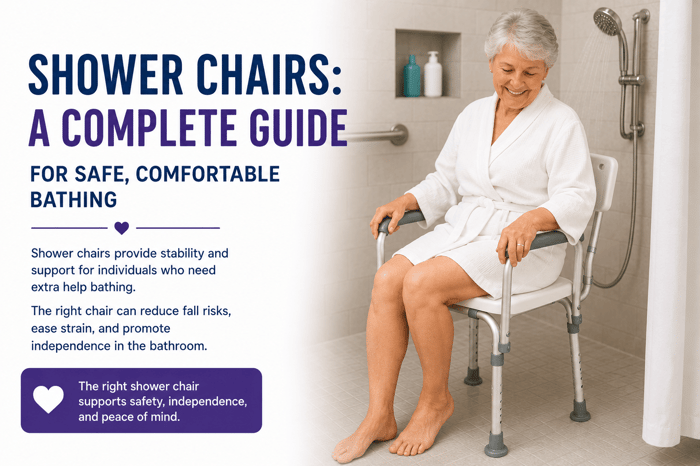
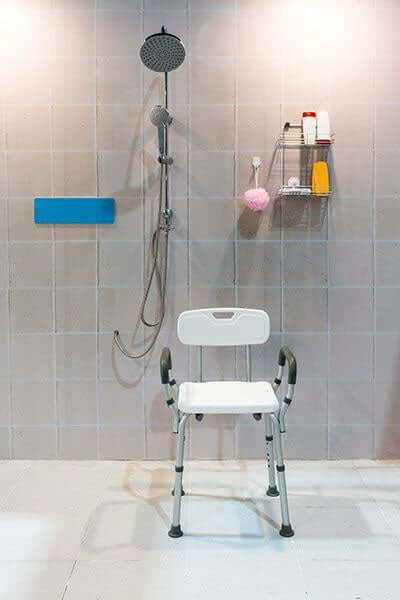
Consider replacing traditional tubs with walk-in showers or tubs with low thresholds. This modification ensures easier access for individuals with mobility challenges. Additionally, installing a sturdy shower seat allows for a comfortable bathing experience.
Sink Faucets:
Consider hanging a sink faucet from a single pull and twist knob to a lever or touchless faucet can be beneficial for many reasons. Individuals with poor grip strength due to arthritis or another disability can have difficulty manipulating a single knob. Individuals with limited range of motion or are in a wheelchair and cannot reach the back of the sink to turn on the faucet may benefit from a touchless option.
Raised Toilet Seats:
For those with mobility issues, a raised toilet seat can make a significant difference. It reduces the strain on the knees and makes sitting down and standing up much easier. Some models come with armrests for added support. If your toilet is already an accessible height a toileting frame may be helpful.
Bidets:
Many people have difficulty with the range of motion, weight shifting, or twisting that is required for toileting hygiene. A bidet can improve independence with toileting routines by cleaning private areas without the need for physically wiping. Control panels can be mounted to the wall or on the side of the bidet depending on what is easier to access for the user.
Proper Lighting:
Adequate lighting is crucial for preventing accidents. Ensure that the bathroom is well-lit, with specific attention to areas like the shower and around the toilet. Motion-sensor lights can be a practical addition, illuminating the space when someone enters.
Accessible Storage:
Reorganize your bathroom storage to ensure that frequently used items are within easy reach. This reduces the need for excessive bending or reaching, minimizing the risk of accidents. Consider installing open shelving or pull-out drawers for better accessibility.
Anti-Scald Devices:
Protect against accidental burns by installing anti-scald devices on faucets and showerheads. These devices regulate water temperature, preventing sudden hot water bursts that can be especially dangerous, particularly for the elderly or children.
Non-Slip Bath Mats:
Place non-slip bathmats near the shower or tub and in front of the sink to provide additional traction. Ensure that the mats have a non-skid bottom to prevent them from sliding. Using rugs without backing or towels can cause tripping and be an additional fall risk.
Wider Doorways:
If feasible, consider widening bathroom doorways to accommodate mobility aids such as wheelchairs or walkers. This modification enhances accessibility and ease of movement within the space. A door width of at least 32" is considered wheelchair accessible. Using swing away or offset hinges can be an easy way to add an extra inch of clearance to a doorway.
Performing Regular Maintenance Goes a Long Way
Lastly, perform regular maintenance checks to identify and address potential safety hazards promptly. Fix any leaks, loose tiles, or malfunctioning equipment to maintain a secure bathroom environment.
Preventative Measures Help Reduce the Need for Reactive Measures
Prioritizing bathroom safety through thoughtful modifications is a proactive step toward creating a secure haven for everyone in your household. By implementing these changes, you not only reduce the risk of accidents but also promote independence and confidence for individuals with varying levels of mobility. Remember, a safe bathroom is a fundamental aspect of a safe and comfortable home.