Table of Contents
- What Is a Sensory Board for Autism?
- Sensory Board vs. Sensory Wall vs. Sensory Wall Panel
- Who Benefits Most from a Sensory Board?
- Why Sensory Boards Are Recommended for Children with Autism
- Sensory Processing in Autism
- Tactile Exploration and Fine Motor Development
- Emotional Regulation, Focus, and Calming Effects
- How Sensory Boards Support Occupational Therapy Goals
- What to Include on a Sensory Board for Autism
- Tactile Textures
- Visual Stimulation
- Auditory Components
- Proprioceptive and Movement Elements
- Fine Motor Skill Builders
- DIY Sensory Wall Ideas
- DIY Sensory Wall for Babies and Toddlers
- DIY Sensory Wall Ideas for Autism at Home
- DIY Sensory Wall Panels: Materials and Assembly Tips
- Sensory Wall Ideas for the Preschool Classroom
- What to Include on a Classroom Sensory Board
- Sensory Wall Ideas for Preschool Layout and Accessibility
- Sensory Wall Ideas for Special Education Settings
- Outdoor Sensory Wall Ideas for Schools and Backyards
- Weather Resistant Materials for Outdoor Sensory Walls
- Outdoor Sensory Wall Ideas for Playgrounds and Gardens
- Sensory Wall Ideas for Adults with Autism
- Adapting Sensory Boards for Older Users and Adults
- Sensory Wall Ideas for Adult Day Programs and Rehabilitation Centers
- DIY Sensory Board vs. Ready Made Sensory Wall Panels
- Cost, Time, and Customization Trade Offs
- When to Choose a Professional Sensory Wall Panel
- Safety and Layout Tips for Mounting Your Sensory Board
- Height, Spacing, and Accessibility
- Supervision, Durability, and Material Safety
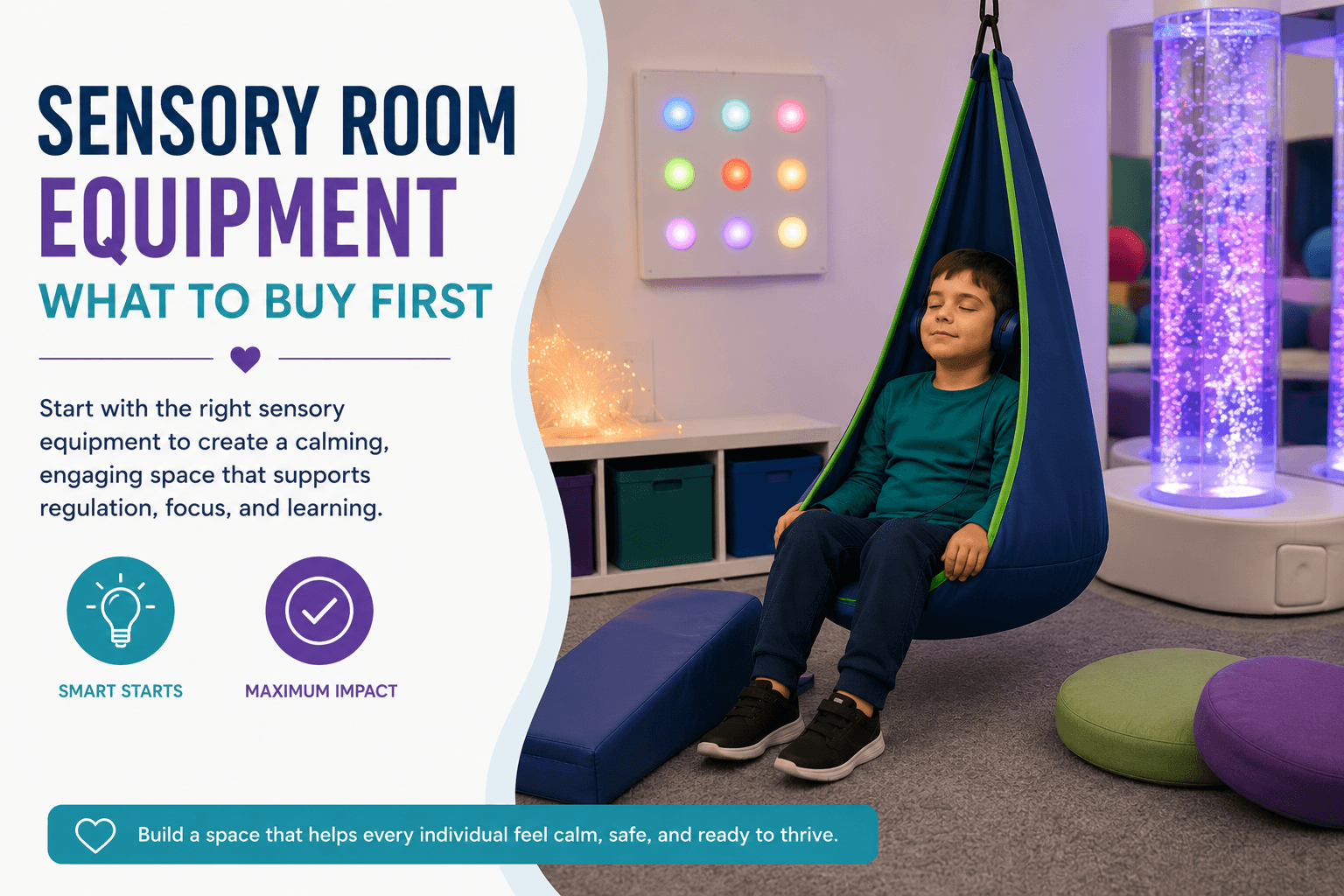
- Expert Recommended Sensory Wall Panels and Sensory Room Equipment
- How to Choose the Right Sensory Wall Panel
- Funding Options and Letters of Medical Necessity
- Why A Sensory Board For Autism Helps
- FAQs
Sensory Board for Autism: Ideas, Benefits, and How to Choose the Right Sensory Wall Panel
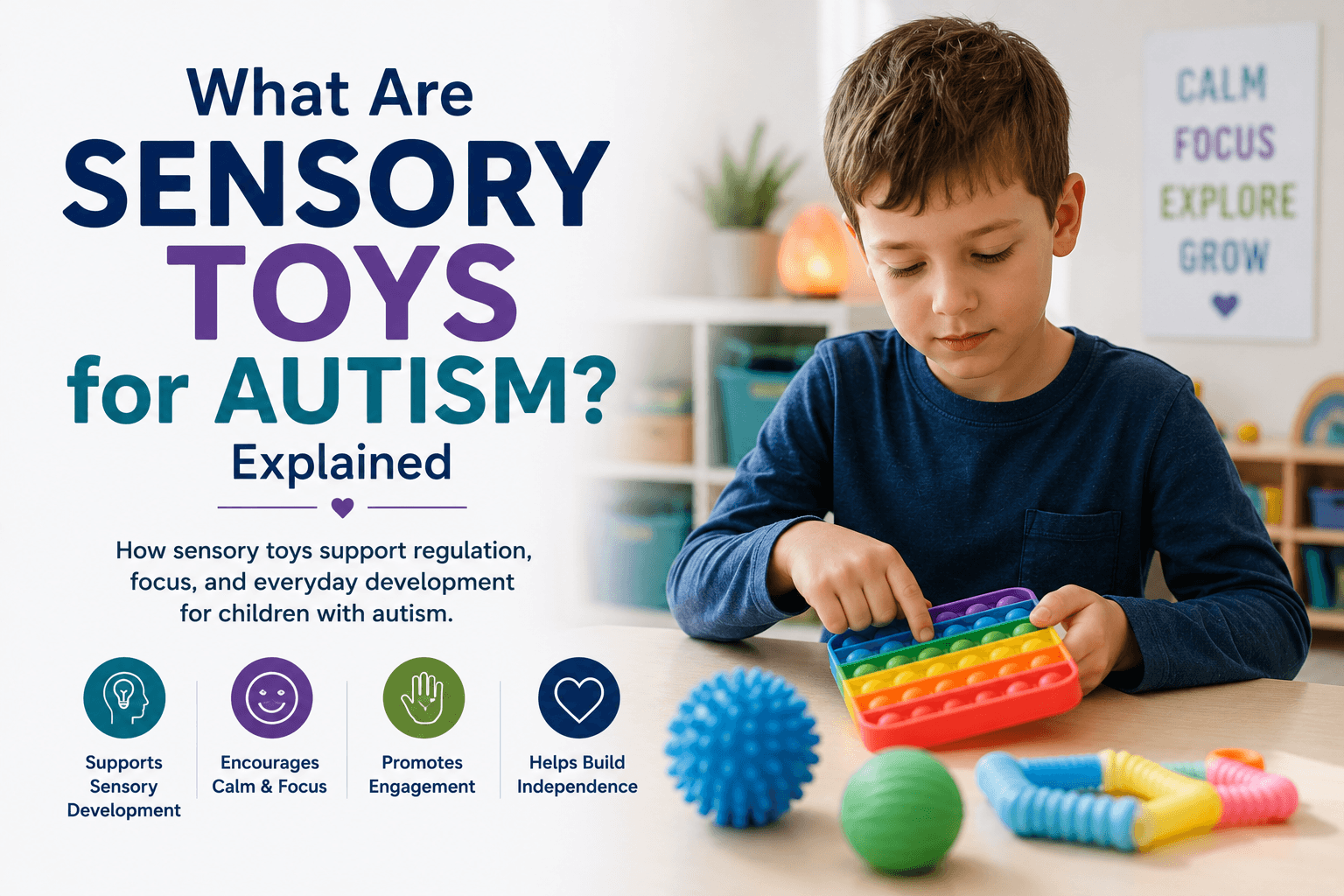
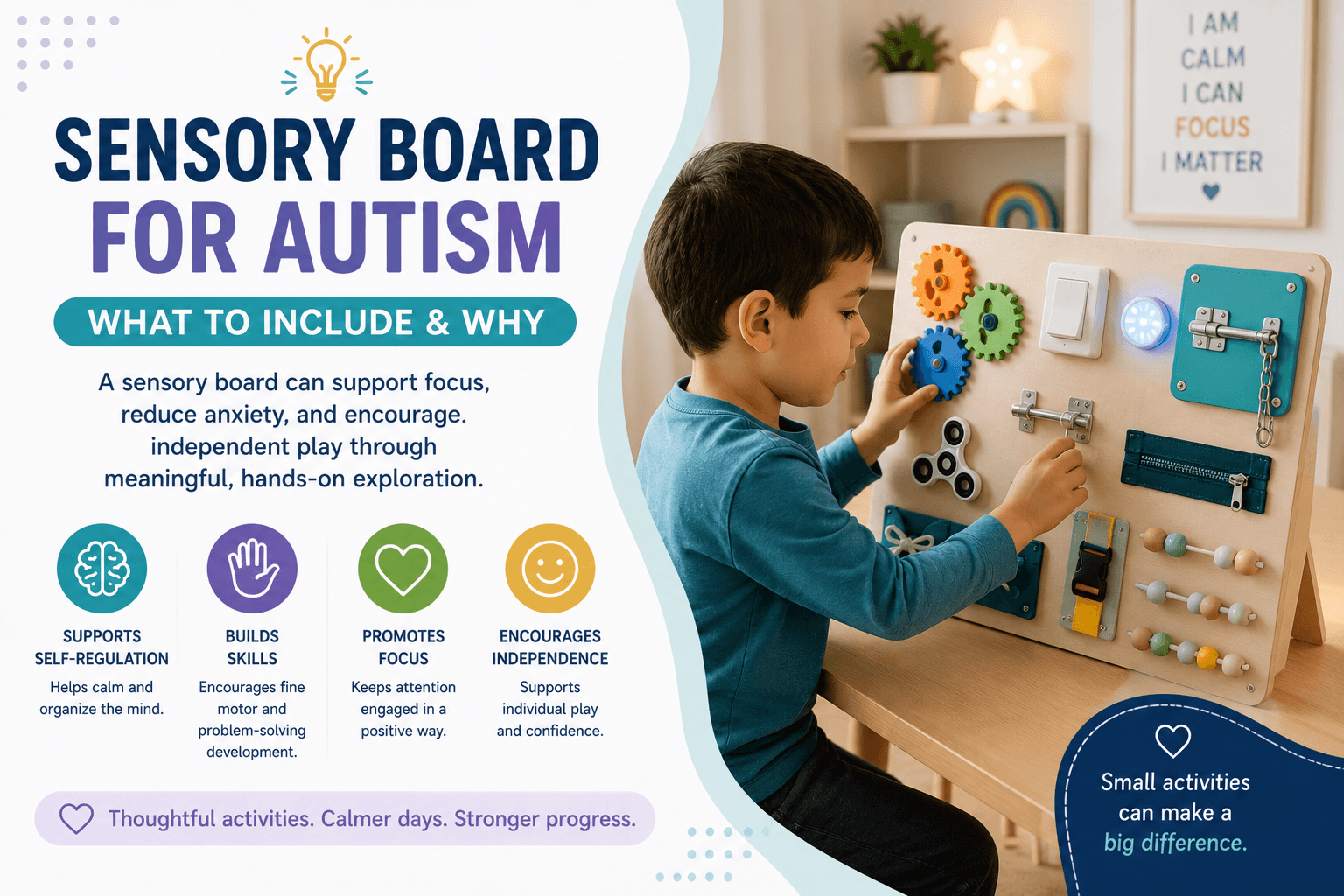
A sensory board for autism is a hands on activity board designed to help children explore textures, sounds, colors, movement, and fine motor tasks in a safe and structured way. For autistic children, sensory boards can support calming, focus, sensory exploration, hand strength, motor planning, and emotional regulation at home, in therapy, or in the classroom.
Sensory boards are popular with parents, occupational therapists, preschool teachers, special education teams, and caregivers because they are simple, engaging, and highly customizable. A well designed board can turn sensory play into a purposeful activity that supports development while giving children a predictable way to interact with the world around them.
Whether you are building a DIY sensory wall at home, choosing sensory wall panels for schools, or shopping for ready made sensory room equipment, this guide explains what to include, who benefits most, and how to choose safe, effective sensory products for autism.
What Is a Sensory Board for Autism?
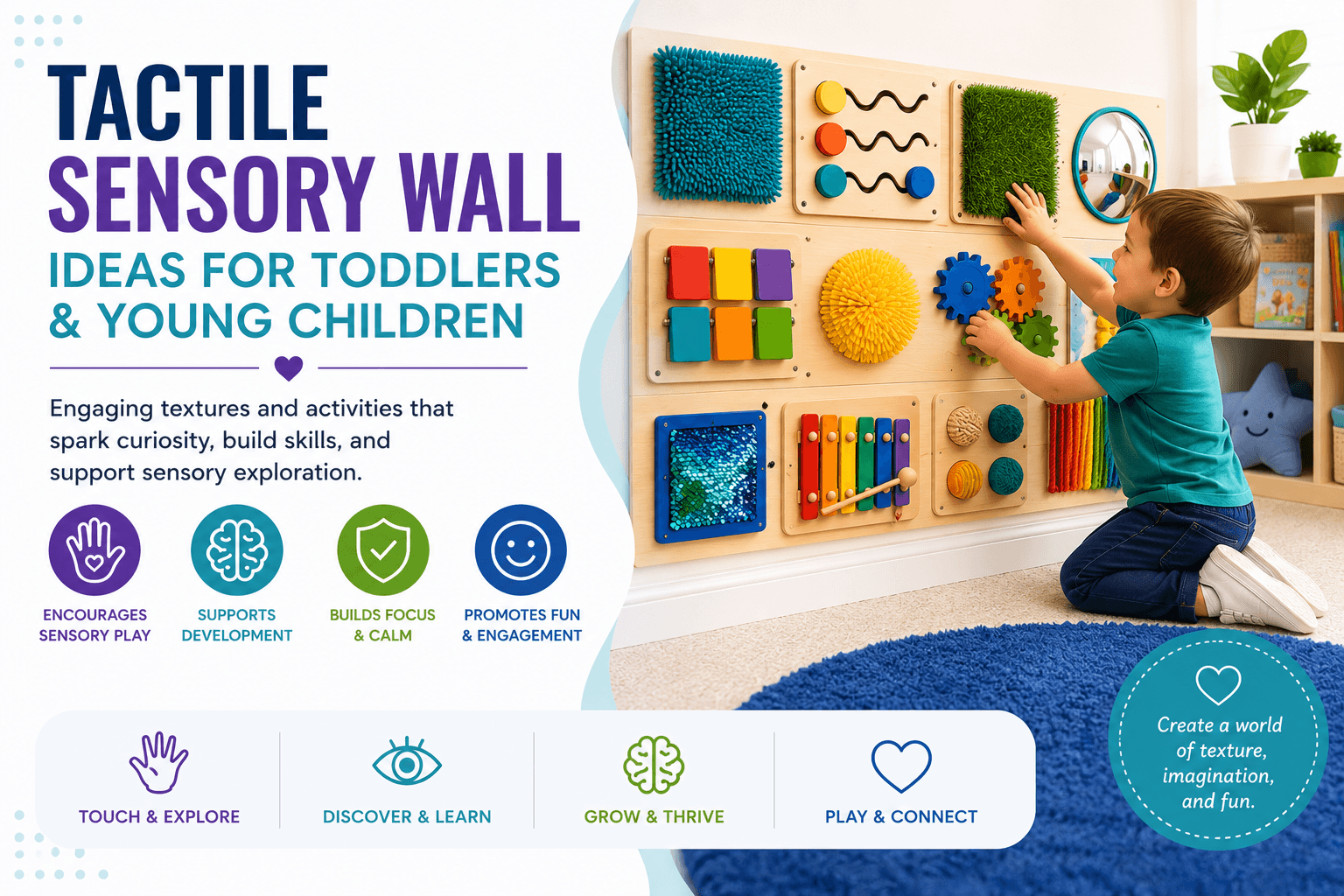
Sensory boards for autism is a board, panel, or wall mounted activity surface that includes different sensory elements for a child to touch, move, look at, hear, or manipulate. It may include soft fabric, rough textures, mirrors, latches, zippers, buttons, wheels, beads, lights, bells, locks, switches, and other interactive features. The purpose is to provide controlled sensory input in a way that feels organized and engaging.
A sensory board may help children:
Explore different textures
Practice fine motor skills
Build hand strength
Improve focus
Learn cause and effect
Develop daily living skills
Calm during sensory breaks
Support occupational therapy goals
Practice problem solving
Engage in independent play
For many families, a sensory board for autism is an affordable and practical way to add sensory support without creating a full sensory room.
Sensory Board vs. Sensory Wall vs. Sensory Wall Panel
These terms are often used together, but they are slightly different.
| Term | What It Means | Best For |
|---|---|---|
| Sensory board | A single board with sensory items attached | Home use, toddlers, autism sensory play |
| Sensory wall | A larger wall area with multiple sensory activities | Classrooms, therapy rooms, sensory rooms |
| Sensory wall panel | A ready made panel designed for mounting | Schools, clinics, professional sensory spaces |
A sensory board is usually smaller and may be portable or mounted. A sensory wall is a larger setup that may include several boards or panels. A sensory wall panel is typically a professionally made product designed for repeated use in homes, schools, therapy clinics, or sensory rooms. DIY sensory boards are great for customization. Ready made sensory wall panels are often better for schools, clinics, and high use environments where durability, safety, and cleanability matter.
Tactile Activity Busy Board Wall Panel
$550.00
The Spark Sensory Solutions Tactile Busy Board Activity Wall Panel offers several sensory experiences to explore in one place. Kids will love pulling the colorful tubes, tugging the ropes, manipulating the gears and abacus, gripping the hand web, or running… read more

Who Benefits Most from a Sensory Board?
A sensory board can support children and adults with many sensory, developmental, and motor needs.
Common users include:
Children with autism
Children with sensory processing disorder
Toddlers and preschoolers
Children with developmental delays
Children with ADHD
Children working on fine motor skills
Students in special education classrooms
Adults with autism or developmental disabilities
Therapy clients in occupational therapy settings
A sensory board for autism is especially helpful when a child seeks sensory input, avoids certain textures, needs help with regulation, or benefits from structured hands on activities.
Why Sensory Boards Are Recommended for Children with Autism
Autistic children may experience sensory input differently. Some are highly sensitive to sound, touch, light, or movement. Others seek stronger sensory input through spinning, touching, squeezing, tapping, or repetitive movement. Sensory boards give children a safe and predictable place to explore sensory input.
They are often recommended because they can:
Provide structured sensory play
Reduce unsafe sensory seeking
Encourage independent engagement
Support transitions
Build tolerance for new textures
Promote fine motor development
Give children a calming activity
Help therapists and caregivers observe sensory preferences
Unlike many loose sensory toys, a mounted board keeps the activity organized and easy to access.
Sensory Processing in Autism
Sensory processing refers to how the brain receives, organizes, and responds to sensory information. In autism, sensory processing differences are common. Some children may be over responsive, meaning certain sensations feel too intense. Others may be under responsive, meaning they need stronger input to notice or respond. Some may be sensory seeking and actively look for movement, pressure, sound, light, or texture.
A sensory board for autism can support these different sensory patterns by offering a variety of controlled inputs in one place.
For example:
A child who avoids textures may gently explore soft, smooth, or bumpy surfaces
A child who seeks movement may enjoy spinning wheels or sliding parts
A child who likes sound may engage with bells or crinkle materials
A child working on fine motor skills may practice zippers, buttons, and latches
The key is choosing elements that match the child’s sensory profile.
Tactile Exploration and Fine Motor Development
One of the biggest benefits of a sensory board is fine motor practice. Many board elements require grasping, pinching, pulling, twisting, sliding, opening, closing, or pressing.
These movements help build:
Finger strength
Hand coordination
Bilateral coordination
Hand eye coordination
Dexterity
Grip control
Motor planning
Daily living skills
Fine motor elements may include:
Zippers
Buttons
Snaps
Locks
Latches
Velcro
Switches
Beads
Knobs
Gears
Sliding bolts
Shoe laces
These features can make a sensory board for autism both therapeutic and fun.
Emotional Regulation, Focus, and Calming Effects
Sensory boards can also support emotional regulation. When children feel overwhelmed, bored, anxious, or restless, a predictable sensory activity can help redirect attention and provide calming input.
A sensory board may help during:
Transitions
Waiting periods
Therapy breaks
Classroom calm down time
Morning routines
Bedtime routines
After school decompression
Moments of sensory overload
For some children, touching familiar textures or repeating simple movements can feel organizing. For others, visual or tactile input can help improve focus before returning to learning or daily routines.
How Sensory Boards Support Occupational Therapy Goals
Occupational therapists may use sensory boards to support sensory integration, fine motor skills, motor planning, visual tracking, tactile exploration, and daily living skills.
OT goals may include:
Improving hand strength
Increasing tolerance for textures
Practicing dressing skills
Supporting body awareness
Building attention to task
Improving visual motor coordination
Encouraging bilateral hand use
Supporting sensory regulation
Promoting independent play
A sensory board for autism can also help caregivers carry over therapy activities at home between sessions.
What to Include on a Sensory Board for Autism
The best sensory board includes a mix of textures, movement, visual interest, sound, and fine motor activities. Choose items based on the user’s age, abilities, safety needs, and sensory preferences.
Tactile Textures
Tactile materials help children explore different touch sensations.
Examples include:
Felt
Velvet
Foam
Faux fur
Cork
Rubber
Carpet squares
Smooth plastic
Bumpy silicone
Sandpaper used carefully
Textured fabric
Sponge material
Use a range of soft, rough, smooth, bumpy, squishy, and firm materials. Avoid anything sharp, toxic, or likely to break apart.
Visual Stimulation
Visual elements can make the board more engaging and support visual tracking.
Options include:
Mirrors
Bright colors
High contrast patterns
Color wheels
Safe LED elements
Spinners
Bead mazes
Reflective surfaces
Visual tracking paths
For children who are easily overstimulated, choose softer colors and fewer visual elements. For children who need more engagement, use brighter or interactive visual features.
Large Razzle-Dazzle Marble LED Sensory Wall Panel - Visual & Tactile Stimulation
$1,500.00
$1,650.00
The Large Razzle-Dazzle Marble LED Sensory Wall Panel is an interactive sensory wall panel designed to support visual, tactile, and auditory stimulation in sensory rooms, therapy spaces, classrooms, and care environments. With more than 2,000 colored marbles, built-in LED lighting,… read more

Auditory Components
Auditory elements add sound based engagement.
Examples include:
Bells
Crinkle fabric
Shakers
Clickers
Small music elements
Rattles safely enclosed
Sound buttons
Texture pieces that make noise when moved
Be careful with sound volume. Some autistic children are sensitive to noise, so auditory elements should be gentle and predictable.
Paradiddle Percussion Activity Wall Panel
$856.95
Explore rhythm and sound as your child creates their own musical masterpiece on our new Paradiddle Percussion Busy Board. This wall panel comes jam-packed with lots of ways to "jam," such as bells, drum panels, a xylophone, and much more.… read more

Proprioceptive and Movement Elements
Proprioceptive input supports body awareness through pressure, resistance, and movement.
Board friendly options include:
Resistance bands securely attached
Push pads
Pull handles
Stretchy cords used safely
Firm textured pads
Spinning wheels
Sliding tracks
Rotating knobs
These elements help children push, pull, press, twist, and move with purpose.
Fine Motor Skill Builders
Fine motor elements are some of the most valuable parts of a sensory board.
Great options include:
Zippers
Buttons
Buckles
Latches
Locks
Shoelaces
Snaps
Carabiners
Door chains
Light switches used safely
Toggle switches
Velcro strips
These tools can support dressing, self care, hand strength, and problem solving.
DIY Sensory Wall Ideas
A DIY sensory wall can be a great project for parents, teachers, or therapists who want to customize sensory input for a specific child or group of students.
DIY Sensory Wall for Babies and Toddlers
For babies and toddlers, safety matters most.
Use soft, large, securely attached materials such as:
Soft fabric squares
Large textured patches
Baby safe mirrors
Large buttons sewn securely
Smooth wooden shapes
Soft crinkle fabric
Large foam pieces
Felt shapes
Safe spinning parts designed for young children
Avoid small parts, sharp edges, loose strings, choking hazards, magnets, batteries, or anything that can detach. For toddlers, mount the board low enough so they can reach it while sitting, crawling, or standing.
DIY Sensory Wall Ideas for Autism at Home
For autistic children at home, customize the board around the child’s sensory preferences.
For a calming board, include:
Soft textures
Muted colors
Smooth sliding parts
Gentle visual elements
Familiar tactile items
Quiet fidgets
For a sensory seeking child, include:
Spinners
Resistance bands
Latches
Textured pads
Pull handles
Zippers
Bright visual pieces
A sensory board for autism works best when it feels engaging without becoming overwhelming.
DIY Sensory Wall Panels: Materials and Assembly Tips
To build a basic sensory wall panel, you may need:
Wood board or sturdy backing panel
Sandpaper for smoothing edges
Non toxic paint or finish
Screws
Washers
Strong adhesive when appropriate
Drill
Screwdriver
Mounting hardware
Sensory materials
Safety caps or covers if needed
Steps:
Choose the board size
Sand all edges smooth
Paint or seal the board with a non toxic finish
Lay out sensory items before attaching
Space items so hands can move safely
Attach each item securely
Check for sharp edges or pinch points
Mount the board securely at the right height
Inspect regularly for loose parts
Safety should always come before design.
Sensory Wall Ideas for the Preschool Classroom
Preschool sensory walls should be engaging, accessible, and easy to supervise.
Good classroom elements include:
Large textured shapes
Color sorting pieces
Mirrors
Simple latches
Bead tracks
Felt boards
Velcro matching pieces
Large gears
Soft tactile panels
Cause and effect parts
A classroom sensory board can support group activities, independent exploration, fine motor practice, and early learning.
What to Include on a Classroom Sensory Board
A school sensory board should be durable and developmentally appropriate.
Include items that support:
Fine motor skills
Turn taking
Color recognition
Shape matching
Cause and effect learning
Tactile exploration
Classroom calming
Independent work
Communication prompts
For special education classrooms, include a variety of sensory levels so students with different needs can engage safely.
Sensory Wall Ideas for Preschool Layout and Accessibility
Mount panels at child height. Keep them away from doorways, sharp corners, and crowded walkways. Provide enough space for more than one child if the board will be used in a group setting.
Accessibility tips include:
Mount some items at seated height
Leave space for wheelchair access
Avoid overcrowding the board
Use large pieces for small hands
Keep sound elements away from quiet areas
Use visual labels when helpful
Sensory Wall Ideas for Special Education Settings
Special education sensory walls should connect to student goals.
They may support:
IEP fine motor goals
Sensory regulation plans
Communication practice
Daily living skills
Motor planning
Visual attention
Turn taking
Therapy carryover
A sensory board for autism can be placed in a calm down area, therapy room, classroom center, hallway sensory path, or sensory room.
Outdoor Sensory Wall Ideas for Schools and Backyards
Outdoor sensory walls add sensory exploration to playgrounds, gardens, and backyard spaces.
Outdoor boards may include:
Weather resistant textures
Musical elements
Spinning outdoor parts
Water play panels
Garden textures
Outdoor mirrors
Large gears
Tactile paths
Nature based elements
Outdoor sensory walls are helpful for children who benefit from movement, fresh air, and natural sensory input.
Weather Resistant Materials for Outdoor Sensory Walls
Use durable materials such as:
Treated wood
Outdoor rated plastic
Stainless steel hardware
Marine grade rope
Rubber textures
Weather resistant panels
Outdoor safe mirrors
Sealed sensory elements
Avoid materials that rust, splinter, mold, fade quickly, or become unsafe in heat, cold, or rain.
Outdoor Sensory Wall Ideas for Playgrounds and Gardens
Creative outdoor ideas include:
Music wall with chimes
Texture garden wall
Spinning wheel station
Water wall with tubes
Nature touch board
Color matching wall
Outdoor busy board
Sensory path wall
Large tactile shapes
For schools, outdoor sensory panels should be designed for frequent use and easy supervision.
Sensory Wall Ideas for Adults with Autism
Sensory walls are not only for children. Adults with autism or developmental disabilities may also benefit from tactile, visual, and calming sensory engagement.
Adult sensory walls should feel age appropriate and purposeful.
Ideas include:
Calming tactile panels
Visual tracking panels
Fine motor activity panels
Memory and matching activities
Music panels
Texture exploration stations
Work skill practice boards
Daily living practice boards
Adapting Sensory Boards for Older Users and Adults
For teens and adults, avoid overly childish designs unless the user prefers them.
Consider:
More neutral colors
Larger mounting height
More complex latches or tasks
Daily living skill elements
Calming textures
Functional fine motor activities
Durable materials
Adult sized reach zones
A sensory board for autism can support adults in day programs, group homes, occupational therapy clinics, and rehabilitation settings.
Sensory Wall Ideas for Adult Day Programs and Rehabilitation Centers
Adult programs may use sensory walls for engagement, regulation, hand strength, memory, and functional participation.
Good options include:
Tactile panels
Sorting stations
Fine motor locks and latches
Visual tracking panels
Sound panels with controlled volume
Calming sensory walls
Interactive wall panels
Functional task boards
These tools can support meaningful activity while reducing boredom and sensory distress.
DIY Sensory Board vs. Ready Made Sensory Wall Panels
Both DIY and ready made panels have advantages.
| Option | Benefits | Best For |
|---|---|---|
| DIY sensory board | Customizable, lower cost, personalized | Home use, one child, controlled settings |
| Ready made sensory wall panel | Durable, professional design, easier procurement | Schools, clinics, therapy rooms, shared spaces |
DIY can be a good choice when parents want to create something personalized. Ready made panels are often better when safety, durability, cleaning, and institutional use are priorities.
Cost, Time, and Customization Trade Offs
DIY boards may cost less, but they require time, tools, planning, safety checks, and maintenance. Ready made panels usually cost more but save time and may offer stronger durability.
Consider:
Budget
User age
Safety needs
Setting
Number of users
Cleaning requirements
Installation needs
Long term durability
Replacement needs
For a preschool, clinic, or school, ready made sensory wall panels may be worth the investment.
When to Choose a Professional Sensory Wall Panel
Choose a professional panel when:
Multiple students will use it
The board will be in a school or clinic
Safety standards matter
Cleaning is important
You need durable materials
You need purchase order support
You want a polished sensory room setup
You need equipment for therapy goals
You want to avoid DIY safety risks
Professional panels are especially useful in special education classrooms, occupational therapy rooms, sensory rooms, and early childhood centers.
Learning Advantage Crocodile Activity Wall Panel
$199.95
The Learning Advantage Crocodile Activity Wall Panel (model# 50346) features 8 different puzzles and effects. Children will be fascinated by the colorful, tactile manipulatives on this engaging crocodile! Develop motor, collaborative play, communication, language and early math skills. Comes as… read more

Safety and Layout Tips for Mounting Your Sensory Board
Safety is essential for any sensory board.
Follow these tips:
Secure all items tightly
Avoid choking hazards
Avoid sharp edges
Use non toxic materials
Mount the board securely
Check hardware regularly
Avoid long cords or strings
Consider pinch points
Match the board to user age
Supervise when needed
Height, Spacing, and Accessibility
Mounting height should match the user.
General guidance:
Babies and toddlers need low boards
Preschoolers need reachable standing height
Wheelchair users need seated access
Older children need more complex boards at comfortable reach
Adults need age appropriate height and spacing
Leave enough space between elements so users can explore safely without pinching fingers or becoming frustrated.
Supervision, Durability, and Material Safety
A sensory board for autism should be checked often for loose parts, broken items, rough edges, or worn materials.
For schools and clinics, choose materials that are:
Durable
Easy to clean
Non toxic
Securely mounted
Age appropriate
Designed for repeated use
If a child mouths objects, pulls aggressively, or has strong sensory seeking behaviors, use extra caution with DIY materials.
Expert Recommended Sensory Wall Panels and Sensory Room Equipment
Families, schools, and clinics can support sensory development with professionally designed sensory products and/or a sensory board for autism.
Recommended product categories include:
Tactile panels
Visual sensory panels
Interactive wall panels
Calm down corner tools
Occupational therapy equipment
eSpecial Needs offers sensory products for autism, sensory room equipment, sensory wall panels for schools, and adaptive tools for home, therapy, and classroom use.
How to Choose the Right Sensory Wall Panel
Before buying, ask:
Who will use the panel?
What age is the user?
Is the goal calming, engagement, fine motor practice, or sensory exploration?
Will it be used at home, school, or in a clinic?
Does the user seek or avoid sensory input?
Is the panel easy to clean?
Is it durable enough for the setting?
Can it be mounted safely?
Does it support therapy or IEP goals?
What is the budget?
The right panel should match the user’s needs and the environment.
Funding Options and Letters of Medical Necessity
Some sensory equipment may qualify for funding when it supports documented sensory, developmental, therapeutic, or functional needs.
Possible funding options include:
Medicaid waiver programs
Private insurance when applicable
Grants
School special education budgets
Therapy funding programs
Flexible spending accounts
Health savings accounts
Community fundraising
Purchase orders for schools
A letter of medical necessity may help support a request for sensory equipment. It should explain the diagnosis, sensory needs, requested product, functional goals, and why the equipment is needed.
Why A Sensory Board For Autism Helps
A sensory board for autism can be a simple but powerful tool for sensory exploration, emotional regulation, fine motor development, and independent engagement. Whether you build a DIY sensory wall at home or choose a professional sensory wall panel for a classroom or therapy space, the best design starts with the user’s needs. Focus on safety, sensory preferences, durability, accessibility, and purpose. Choose tactile, visual, auditory, movement, and fine motor elements that support real goals.
For families, a sensory board can become part of a daily calming routine. For schools, it can support inclusive classrooms and sensory breaks. For therapists, it can help reinforce occupational therapy goals through hands on activity. eSpecial Needs can help families, schools, and clinics find sensory wall panels, sensory room equipment, autism sensory products, sensory bundles, and adaptive tools that support regulation, learning, and development.
FAQs
What is a sensory board for autism?
A sensory board for autism is a hands on activity board designed to give autistic children safe, structured sensory input. It may include textures, colors, mirrors, lights, sounds, buttons, latches, zippers, locks, wheels, and other interactive elements that support sensory exploration, fine motor skills, focus, and emotional regulation.
How does a sensory board help autistic children?
A sensory board can help autistic children explore sensory input in a predictable way. It may support tactile exploration, fine motor development, hand strength, visual attention, cause and effect learning, self regulation, and independent play. For some children, using a sensory board can also provide a calming activity during transitions or sensory breaks.
What should be included on a sensory board for autism?
A good sensory board may include tactile textures, mirrors, color elements, safe light features, bells, crinkle materials, zippers, buttons, latches, locks, Velcro, gears, beads, switches, knobs, resistance bands, and push or pull activities. The best items depend on the child’s age, sensory preferences, safety needs, and developmental goals.
What textures are best for a sensory board?
Helpful textures may include soft fabric, felt, velvet, foam, faux fur, cork, rubber, carpet squares, smooth plastic, bumpy silicone, sponge material, and carefully selected rough textures. Choose a variety of soft, smooth, bumpy, firm, and textured materials so the child can explore different tactile experiences.
Are sensory boards good for toddlers with autism?
Yes. Sensory boards can be helpful for toddlers with autism when they are built with age appropriate, securely attached, non toxic materials. Toddler sensory boards should avoid small parts, sharp edges, loose strings, magnets, batteries, and choking hazards. Soft textures, large buttons, safe mirrors, and simple movement pieces are usually better for younger children.
What is the difference between a sensory board and a sensory wall?
A sensory board is usually one smaller board with sensory items attached. A sensory wall is a larger wall area that may include multiple sensory boards, panels, textures, or activities. A sensory wall is often used in classrooms, therapy rooms, sensory rooms, or larger home spaces.
What is the difference between a sensory board and a sensory wall panel?
A sensory board is often homemade or customized for one child. A sensory wall panel is usually a professionally made product designed for mounting in homes, schools, therapy clinics, or sensory rooms. Ready made sensory wall panels are often more durable, easier to clean, and better suited for shared environments.
Can I make a DIY sensory board for autism?
Yes. Many families make DIY sensory boards using a sturdy backing board and safely attached sensory items. Common DIY materials include fabric squares, Velcro, zippers, knobs, latches, mirrors, textured pads, gears, and large buttons. Always prioritize safety, secure attachment, smooth edges, and age appropriate materials.
Are DIY sensory boards safe?
DIY sensory boards can be safe when built carefully. Avoid small parts, sharp edges, toxic materials, loose strings, choking hazards, magnets, exposed batteries, and anything that can detach easily. Inspect the board regularly for loose hardware, worn materials, or broken pieces.
When should I choose a ready made sensory wall panel instead of DIY?
A ready made sensory wall panel may be better for schools, clinics, daycares, therapy rooms, special education classrooms, or high use areas. Professional panels are typically designed for durability, repeated use, easier cleaning, secure mounting, and safer shared use.
Can sensory boards help with fine motor skills?
Yes. Sensory boards can support fine motor skills by encouraging children to grasp, pinch, pull, twist, slide, zip, button, open, close, and manipulate objects. These activities can help build hand strength, dexterity, bilateral coordination, hand eye coordination, and daily living skills.
Can sensory boards help with emotional regulation?
A sensory board may help some children regulate emotions by providing a predictable activity that redirects attention and offers calming sensory input. Touching familiar textures, moving repeated elements, or focusing on a simple hands on task may help during sensory breaks or transitions.
Can sensory boards help with occupational therapy goals?
Yes. Occupational therapists may use sensory boards to support sensory integration, tactile exploration, motor planning, visual motor skills, bilateral coordination, fine motor development, hand strengthening, and daily living skill practice. A sensory board can also help families carry over therapy activities at home.
What are the best sensory board activities for autism?
Helpful activities may include zipping, buttoning, opening latches, turning knobs, spinning wheels, matching textures, touching soft and rough materials, sliding beads, pulling resistance bands, pressing buttons, moving gears, and exploring mirrors or visual tracking elements.
Can a sensory board help with sensory seeking behavior?
Yes. A sensory board can give children a safe and organized way to seek sensory input. Instead of touching unsafe objects, pulling household items, or seeking input in disruptive ways, a child may use the board to explore textures, movement, sound, and resistance.
Can a sensory board help sensory avoidant children?
It may help when introduced gently. Sensory avoidant children may benefit from soft textures, predictable materials, and low stimulation elements. Do not force a child to touch textures they dislike. Start with comfortable materials and gradually introduce new sensations when appropriate.
What visual elements can I add to a sensory board?
Visual elements may include mirrors, bright colors, high contrast patterns, color wheels, bead mazes, spinners, safe LED lights, reflective surfaces, and visual tracking paths. For children who are easily overstimulated, use softer colors and fewer visual elements.
What sound elements can I add to a sensory board?
Sound elements may include bells, crinkle fabric, shakers, clickers, small music pieces, sound buttons, or materials that make soft sounds when moved. Keep sound levels gentle and predictable, especially for children with auditory sensitivity.
What fine motor items should I add to a sensory board?
Fine motor items may include zippers, buttons, snaps, buckles, latches, locks, Velcro strips, sliding bolts, shoelaces, carabiners, knobs, gears, switches, and bead mazes. These items help children practice hand control and daily living skills.
What should I avoid putting on a sensory board?
Avoid small detachable parts, sharp objects, toxic materials, long cords, loose strings, magnets, exposed batteries, breakable glass, heavy objects that could fall, and anything that creates pinch or choking hazards. Every item should be secure, safe, and appropriate for the user’s age and abilities.
How do I mount a sensory board safely?
Mount the sensory board securely to a wall or stable surface using appropriate hardware for the wall type and board weight. Make sure the board does not wobble, pull away from the wall, or have exposed screws. If the board is large or heavy, consider professional installation.
How high should a sensory board be mounted?
Mounting height should match the user. Toddlers need low boards they can reach while sitting or standing. Preschoolers need child height access. Wheelchair users need seated reach access. Older children and adults may need higher placement with more complex activities.
Can sensory boards be used in preschool classrooms?
Yes. Sensory boards are useful in preschool classrooms because they encourage hands on exploration, fine motor development, early problem solving, turn taking, and sensory engagement. Classroom boards should be durable, easy to clean, securely mounted, and safe for multiple children.
Can sensory boards be used in special education classrooms?
Yes. Sensory boards can support IEP goals, sensory regulation, fine motor skills, communication practice, daily living skills, motor planning, and independent engagement in special education settings. They can be placed in calm down corners, therapy areas, classroom centers, or sensory rooms.
Can sensory boards be used outdoors?
Yes. Outdoor sensory boards can be used on playgrounds, patios, gardens, or backyard play areas when made with weather resistant materials. Use outdoor rated plastic, treated wood, stainless steel hardware, rubber textures, outdoor mirrors, and sealed materials that resist moisture and wear.
What are good outdoor sensory wall ideas?
Outdoor sensory wall ideas include music walls, water play panels, texture garden boards, spinning wheels, outdoor mirrors, color matching walls, tactile paths, nature touch boards, and weather resistant busy boards. Outdoor boards should be durable, safe, and easy to supervise.
Are sensory boards only for children?
No. Sensory boards and sensory walls can also be adapted for teens and adults with autism, developmental disabilities, sensory needs, or rehabilitation goals. Adult boards should use age appropriate materials, functional tasks, calming textures, and accessible placement.
How do you adapt a sensory board for adults with autism?
For adults, use more mature colors, larger spacing, functional fine motor activities, daily living practice items, calming textures, visual tracking tools, and durable materials. Avoid overly childish designs unless the user prefers them.
Can sensory boards be used in adult day programs?
Yes. Adult day programs may use sensory boards to support engagement, regulation, fine motor skills, memory activities, functional tasks, hand strength, and meaningful sensory participation. Boards should be age appropriate, accessible, and durable.
How much does a sensory board cost?
The cost depends on whether the board is DIY or professionally made. DIY boards may cost less but require time, tools, materials, and safety checks. Ready made sensory wall panels usually cost more but may offer better durability, cleanability, and safety for schools or clinics.
Can sensory boards be funded by insurance or Medicaid?
Some sensory equipment may qualify for insurance, Medicaid waiver, grant, or school funding when it supports documented sensory, developmental, therapeutic, or functional needs. Coverage varies by plan, state, program, and product type.
What is a letter of medical necessity for sensory equipment?
A letter of medical necessity is a document from a qualified healthcare provider explaining why sensory equipment is needed. It may include the diagnosis, sensory needs, functional challenges, therapy goals, requested product, and why the equipment supports daily life or treatment.
Where can I buy sensory wall panels for autism?
Families, schools, and therapists can buy sensory wall panels from specialized adaptive equipment suppliers that understand autism sensory needs, therapy goals, classroom use, durability, and safety requirements.
How can eSpecial Needs help with sensory boards and sensory wall panels?
eSpecial Needs offers sensory wall panels, sensory room equipment, autism sensory products, fine motor tools, sensory bundles, and adaptive equipment for homes, schools, clinics, and therapy spaces. Families and professionals can compare products, request quotes, and choose sensory tools that support regulation, learning, and development.