Table of Contents
- Understanding Sensory Processing in Children with Autism
- What Is Sensory Processing Disorder?
- Sensory Over-Responsivity: Signs and Challenges
- Sensory Under-Responsivity: Signs and Challenges
- The Eight Sensory Systems Explained
- What Are Sensory Toys? Definition and Purpose
- How Sensory Toys Differ from Regular Toys
- What Are Sensory Toys Used For?
- The Role of Sensory Toys in Occupational Therapy
- Types of Sensory Toys for Autism
- Tactile Sensory Toys
- Visual Sensory Toys
- Auditory Sensory Toys
- Deep Pressure and Calming Sensory Toys for Autism
- Proprioceptive Toys for Body Awareness and Movement
- Vestibular Toys for Balance and Spatial Orientation
- Oral Motor Sensory Toys
- Vibrating Sensory Toys for Autism
- Sensory Toys for Autism by Age Group
- Best Sensory Toys for Autistic Toddlers Ages 1 to 3
- Sensory Toys for Autistic Preschoolers Ages 3 to 5
- Sensory Toys for Kids with Autism Ages 5 and Older
- Sensory Toys for Adults with Autism
- Special Needs Toys for Autism: What Sets Them Apart
- How to Match Sensory Toys to Your Child’s Sensory Profile
- Identifying Your Child’s Sensory Needs
- Working with an Occupational Therapist to Choose Toys
- Building a Sensory Diet with the Right Toys
- Setting Up a Sensory Play Space at Home
- Sensory Room Essentials for Children with Autism
- Portable vs. Permanent Sensory Play Setups
- Free Sensory Toys for Autism
- Can Sensory Toys Be Bought with Insurance or Medicaid?
- What Is the Difference Between Sensory Toys and Sensory Tools?
- Where to Buy Sensory Toys for Autism Online
- Why Sensory Toys For Autism Are Important
- FAQs
What Are Sensory Toys for Autism? Explained
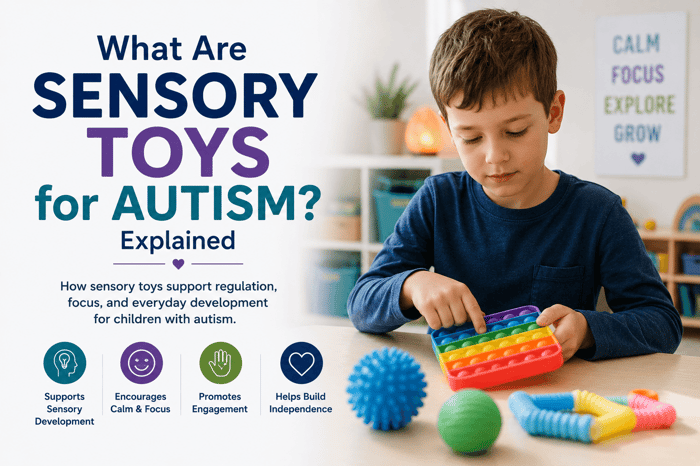
What are sensory toys for autism? Sensory toys for autism are specially designed toys, tools, and play products that provide sensory input through touch, sound, movement, light, vibration, chewing, pressure, or visual stimulation. For autistic children and adults, these toys can help support calming, focus, sensory exploration, emotional regulation, body awareness, and participation in daily routines.
Unlike regular toys that are mainly designed for entertainment, sensory toys are often chosen for a specific sensory purpose. A child who chews on clothing may benefit from sensory chew toys for autism. A child who seeks movement may benefit from sensory motor tools. A child who becomes overwhelmed by noise or transitions may benefit from calming sensory toys for autism, fidgets, weighted items, or soft tactile tools.
This guide explains what sensory toys are, how they support autistic children and adults, which types are available, how to choose the best sensory toys for autism by age and sensory need, and where families, therapists, schools, and caregivers can shop sensory toys for kids with autism through eSpecial Needs.
Understanding Sensory Processing in Children with Autism
Many autistic children experience sensory input differently. Sounds, textures, lights, smells, movement, food textures, clothing, and touch may feel stronger, weaker, or harder to organize than they do for other children.
Some children are sensory sensitive and become overwhelmed easily. Others are sensory seeking and actively look for more input by jumping, chewing, spinning, crashing, touching everything, or making sounds. Many children are both sensory sensitive and sensory seeking depending on the situation.
Sensory toys for autism can help by giving children safer, more structured ways to interact with the sensations their bodies need or avoid sensations that feel overwhelming.
For example:
- A child who seeks oral input may use chewable sensory tools.
- A child who needs calming pressure may use weighted or deep pressure items.
- A child who needs movement may use sensory motor tools.
- A child who needs touch input may use tactile toys or textured fidgets.
- A child who enjoys visual input may use light-up or motion-based toys.
Parents can browse a wide range of sensory toys, adaptive toys, and developmental play tools at eSpecial Needs.
Sensory Fidget Fun Kit

$54.95
Fidgeting is a common stimming activity from kids who use self-stimulatory behavior to sooth themselves. The Sensory Fidget Fun Kit provides a collection of simple fidget toys that allow a child to quietly fidget without distracting others, allowing them to… read more
What Is Sensory Processing Disorder?
Sensory processing disorder, often called SPD, describes difficulty receiving, organizing, or responding to sensory information. While SPD is not the same as autism, sensory processing differences are very common among autistic children and adults.
A child with sensory processing challenges may:
- Cover ears around loud sounds
- Avoid certain clothing textures
- Chew on non-food items
- Seek spinning or swinging
- Dislike toothbrushing or hair washing
- Become overwhelmed in bright or busy spaces
- Crash into pillows or furniture
- Touch objects repeatedly
- Struggle with transitions
- Need fidgets to focus
Sensory toys for autism can be part of a broader support plan that includes routines, environmental adjustments, occupational therapy, sensory breaks, and caregiver guidance.
Sensory Over-Responsivity: Signs and Challenges
Sensory over responsivity means the nervous system reacts strongly to sensory input. Everyday sensations may feel too loud, too bright, too scratchy, too strong, or too unpredictable.
Signs may include:
- Covering ears
- Avoiding bright rooms
- Refusing certain clothing
- Disliking grooming tasks
- Meltdowns in crowded spaces
- Avoiding messy play
- Sensitivity to food textures
- Fear of loud toys
- Distress during transitions
Calming sensory toys for autism may help some children recover from overload or reduce stress before difficult routines. Helpful options may include soft plush toys, weighted lap pads, fidgets, noise reducing tools, deep pressure items, or quiet tactile toys.
For soft comfort items, explore plush toys for special needs.
Sensory Under-Responsivity: Signs and Challenges
Sensory under responsivity means a child may not notice sensory input as strongly as expected. The child may seem unaware of messes, pain, body position, sounds, or movement.
Signs may include:
- Not responding to name consistently
- Seeking intense movement
- Crashing into objects
- Chewing frequently
- Touching everything
- Enjoying strong pressure
- Appearing tired or low-energy
- Needing extra stimulation to engage
- Difficulty noticing body position
Sensory toys for kids with autism who are under-responsive may include movement toys, vibrating sensory toys for autism, textured items, sensory balls, tactile mats, or activities that provide body-based input.
The Tactile Stimulation collection includes sensory balls, textured mats, and vibration pillows designed to provide different types of tactile feedback.
The Eight Sensory Systems Explained
Autism sensory needs are not limited to the five senses. There are eight major sensory systems that may influence behavior, attention, comfort, and daily participation.
| Sensory System | What It Includes | Sensory Toy Examples |
|---|---|---|
| Touch | Texture, pressure, temperature | Fidgets, tactile balls, plush toys |
| Sight | Light, color, motion | Light-up toys, projectors, visual timers |
| Sound | Volume, rhythm, vibration | Music toys, shakers, auditory tools |
| Taste | Flavor and oral input | Chew tools, oral motor items |
| Smell | Scents and odors | Scented items when appropriate |
| Vestibular | Movement and balance | Swings, rockers, balance tools |
| Proprioception | Body awareness and pressure | Weighted items, resistance toys, crash pads |
| Interoception | Internal body signals | Routine tools, calming supports, body awareness activities |
The best sensory toys for autism are usually selected based on which sensory system the child needs help regulating.
What Are Sensory Toys? Definition and Purpose
Sensory toys are toys or tools designed to provide specific sensory input. They may support calming, alerting, focus, movement, tactile exploration, chewing, fine motor development, visual tracking, or emotional regulation.
Sensory toys may be used:
- At home
- In school
- In occupational therapy
- During travel
- In calm-down corners
- During homework
- During transitions
- In sensory rooms
- During waiting periods
- At bedtime routines
For many families, sensory toys for autism are practical everyday supports that help children participate more comfortably in routines that may otherwise feel difficult.
How Sensory Toys Differ from Regular Toys
Regular toys are usually designed for entertainment, creativity, or general development. Sensory toys are chosen because they provide a specific type of input.
| Regular Toys | Sensory Toys |
| Mainly for play or entertainment | Designed for sensory input and engagement |
| May not address sensory needs | Often chosen for calming, focus, or regulation |
| General use | Matched to a sensory profile |
| May be overstimulating for some children | Can be selected to calm or organize |
| Usually not therapy-focused | Often used by OTs, teachers, and caregivers |
Sensory toys can still be fun. The difference is that they also serve a functional purpose.
What Are Sensory Toys Used For?
Sensory toys for autism may support several therapeutic and daily living goals.
They may help with:
- Calming
- Focus
- Emotional regulation
- Sensory exploration
- Oral sensory input
- Fine motor skills
- Body awareness
- Movement breaks
- Visual tracking
- Stress relief
- Transition support
- Independent play
- Classroom participation
- Therapy carryover
A sensory toy should never be treated as a guaranteed fix. It works best when matched to the user’s needs and used as part of a consistent sensory support plan.
The Role of Sensory Toys in Occupational Therapy
Occupational therapists often use sensory toys and tools to help children explore sensory input, build regulation strategies, and improve participation in daily activities.
An OT may use sensory toys to support:
- Fine motor development
- Tactile tolerance
- Oral motor regulation
- Attention to task
- Motor planning
- Body awareness
- Visual tracking
- Calm-down routines
- Sensory diet activities
- Home and school carryover
Parents can ask an occupational therapist which sensory toys are best for their child’s sensory profile, age, safety needs, and daily routines.
Types of Sensory Toys for Autism
There are many types of sensory toys for autism. Each category supports a different sensory need.
Tactile Sensory Toys
Tactile sensory toys provide touch and texture input. They may help children who seek touch, avoid touch, or need safe ways to explore textures.
Examples include:
- Textured balls
- Fidget toys
- Squishy toys
- Sensory mats
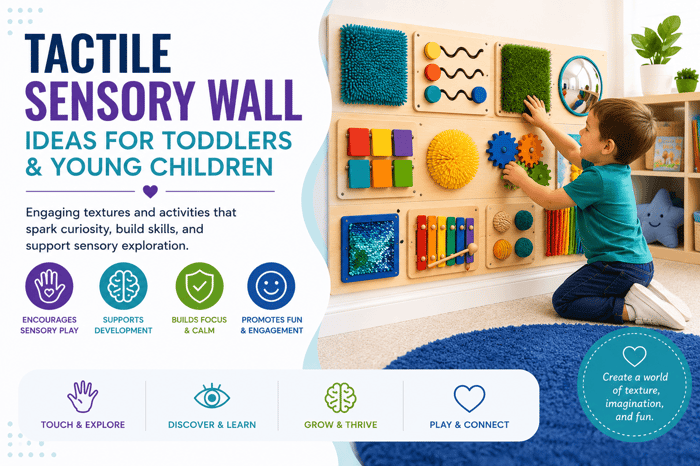
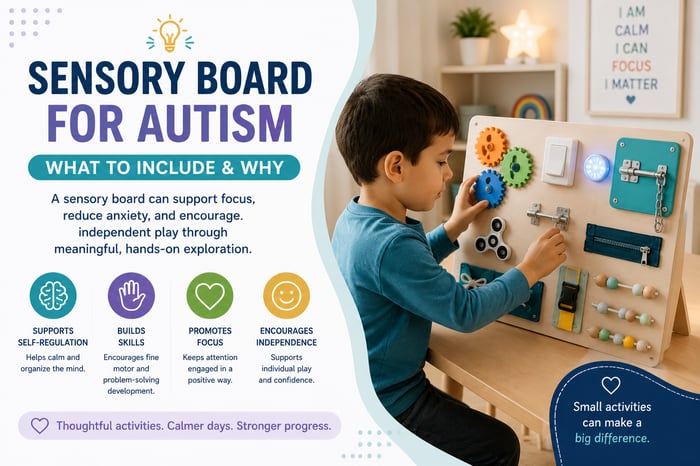
- Tactile boards
- Soft plush toys
- Putty
- Stretchy toys
- Textured rings
- Spiky massage balls
Tactile toys may support fine motor skills, hand strength, touch tolerance, and calming.
Browse tactile stimulation products for textured sensory options.
Tactile Sensory Kit

$67.95
The Tactile Sensory Kit includes many of our most popular tactile items for sensory motor massage and texture stimulation on-the-go. With nine handheld sensory toys that each feature a different tactile experience, it's a great go-to bag for occupational therapists,… read more
Visual Sensory Toys
Visual sensory toys use light, color, motion, or contrast to engage the visual system. These can be calming or alerting depending on the child.
Examples include:
- Light-up toys
- Bubble tubes
- Visual timers
- Projectors
- Spinning lights
- Liquid motion toys
- Fiber optic lights
- Color-changing toys
Visual sensory toys may help with visual tracking, attention, relaxation, and sensory room engagement.
For more immersive visual supports, explore sensory room equipment.
Visual Sensory Kit

$48.95
For children who delight in the dazzle of lights and movement, we present the Visual Sensory Kit from eSpecial Needs. This convenient bundle contains a collection of handheld sensory tools for those who respond to more visual sensory stimulus. Perfect… read more
Auditory Sensory Toys
Auditory sensory toys provide sound, rhythm, or vibration. They may be helpful for children who seek sound input or respond well to rhythmic patterns.
Examples include:
- Shakers
- Musical toys
- Rhythm instruments
- Sound matching toys
- Cause-and-effect sound toys
- Quiet auditory fidgets
- Switch-adapted sound toys
For children who are sound sensitive, choose auditory toys carefully. Gentle, predictable sounds are often better than loud, sudden, or chaotic noise.
Deep Pressure and Calming Sensory Toys for Autism
Deep pressure products provide firm input that may help the nervous system feel more grounded. Many calming sensory toys for autism include weighted, compression, or squeeze based input.
Examples include:
- Weighted lap pads
- Weighted blankets
- Compression tools
- Squeeze toys
- Deep pressure pillows
- Body socks
- Weighted plush toys
- Sensory cushions
- Vibrating pillows
These tools may be helpful during transitions, homework, bedtime, waiting periods, or after sensory overload.
Proprioceptive Toys for Body Awareness and Movement
Proprioceptive input comes from muscles and joints. Children who seek this type of input may enjoy pushing, pulling, squeezing, carrying, climbing, jumping, or crashing.
Helpful proprioceptive toys and tools include:
- Resistance bands
- Therapy balls
- Crash pads
- Scooter boards
- Body socks
- Weighted items
- Tug toys
- Sensory motor tools
- Climbing and crawling equipment
The Sensory Motor Tools collection includes products that support movement, body awareness, and active sensory play.
Vestibular Toys for Balance and Spatial Orientation
Vestibular input comes from movement and balance. Some autistic children seek vestibular input through swinging, spinning, rocking, or bouncing.
Examples include:
- Therapy swings
- Rockers
- Balance boards
- Scooter boards
- Wobble cushions
- Sensory seating
- Rocking toys
- Movement-based play tools
Vestibular input can be powerful. Too much spinning or swinging may overstimulate some children, so use movement toys with guidance and supervision.
Oral Motor Sensory Toys
Some autistic children and adults seek oral sensory input by chewing, biting, licking, or mouthing objects. Sensory chew toys for autism provide a safer alternative to chewing clothing, pencils, fingers, or unsafe items.
Examples include:
- Chew necklaces
- Chew bracelets
- Chew tubes
- Chewable pencil toppers
- Oral motor tools
- Chew straws
- Chewelry
- Textured chew tools
Explore Sensory Chewies & Oral Stimming Tools or products like Chewy Tubes Super Chews.
Vibrating Sensory Toys for Autism
Vibrating sensory toys for autism provide vibrotactile input. Some users find vibration calming, alerting, or helpful for body awareness.
Examples include:
- Vibrating pillows
- Vibrating cushions
- Vibrating snakes
- Handheld vibration tools
- Switch-adapted vibrating toys
Vibrating toys may be useful for tactile seekers, children who need calming input, or users who benefit from cause-and-effect play.
Explore the Vibrotactile collection, Senseez vibrating sensory pillows and cushions, the Adapted Vibrating Pillow, or the TFH Non-Switch Vibrating Snake.
Sensory Toys for Autism by Age Group
Age matters when choosing sensory toys. A toy should match the child’s safety needs, developmental level, motor skills, oral seeking behavior, and supervision requirements.
Best Sensory Toys for Autistic Toddlers Ages 1 to 3
For toddlers, safety is the top priority. Avoid small parts, choking hazards, long cords, magnets, sharp edges, and items that can break apart.
Good sensory toy options may include:
- Large textured balls
- Soft plush toys
- Simple fidgets
- Sensory bins with supervised use
- Large cause-and-effect toys
- Soft tactile mats
- Bubble toys
- Board books with textures
- Large musical toys
- Soft movement toys
Parents searching for sensory toys for autism 3 year old users should look for durable, age-appropriate toys that encourage exploration without overwhelming the child.
Sensory Toys for Autistic Preschoolers Ages 3 to 5
Preschoolers may benefit from sensory toys that support communication, social play, fine motor skills, and regulation.
Helpful options include:
- Fidget toys
- Putty
- Chew tools when appropriate
- Textured puzzles
- Light-up toys
- Sensory balls
- Weighted lap pads
- Visual timers
- Musical toys
- Movement toys
- Tactile boards
Sensory toys for autism 3 year old children should still be supervised if the child mouths objects or seeks intense input.
Sensory Toys for Kids with Autism Ages 5 and Older
Older children may need more durable, purposeful, or socially appropriate sensory tools.
Options include:
- Fidgets for school
- Chewelry
- Weighted lap pads
- Therapy putty
- Sensory cushions
- Resistance bands
- Visual timers
- Tactile tools
- Vibrating sensory toys
- Sensory bundles
- Movement break equipment
The Sensory Fidget Toys and Stress Relief Toys collection is a helpful place to find tools for focus, calm, and engagement.
Sensory Toys for Adults with Autism
Sensory toys are not only for children. Sensory toys for adults with autism can help support focus, anxiety relief, sensory regulation, and daily comfort at home, work, school, or in care settings.
Autism sensory toys for adults may include:
- Fidgets
- Weighted lap pads
- Chew tools designed for adults
- Vibrating cushions
- Tactile items
- Stress relief tools
- Sensory seating
- Fiber optic lights
- Calming visual tools
- Soft plush items
- Sensory kits
Adult sensory tools should feel age-appropriate, discreet when needed, durable, and matched to the user’s personal preferences.
Special Needs Toys for Autism: What Sets Them Apart
Special needs toys for autism are often designed with accessibility, durability, sensory input, and therapeutic use in mind. They may support users who need adaptations for movement, communication, fine motor skills, sensory regulation, or cause and effect learning.
Special needs toys may include:
- Adapted switch toys
- Sensory fidgets
- Vibrating toys
- Oral motor tools
- Tactile toys
- Visual toys
- Sensory room equipment
- Motor planning toys
- Fine motor toys
- Developmental toys
Browse Adapted Toys, Games & Equipment for products designed for accessibility, engagement, and special needs use.
How to Match Sensory Toys to Your Child’s Sensory Profile
The best sensory toys for autism are the toys that match the child’s actual sensory needs. A toy that calms one child may overstimulate another.
Ask:
- Does my child seek movement?
- Does my child chew on objects?
- Does my child avoid touch?
- Does my child seek deep pressure?
- Does my child become overwhelmed by sound?
- Does my child enjoy lights or motion?
- Does my child need help focusing?
- Does my child need a toy for school, home, travel, or bedtime?
- Does my child mouth objects or need extra supervision?
- Does the toy support an OT goal?
Matching toys to the sensory profile helps prevent wasted purchases and improves the chance that the toy will be useful.
Identifying Your Child’s Sensory Needs
Parents can observe sensory patterns throughout the day.
Look for:
- What your child seeks repeatedly
- What your child avoids
- When meltdowns happen
- Which activities calm your child
- Which activities make your child more dysregulated
- Whether your child chews, spins, crashes, covers ears, or touches everything
- Whether the behavior changes at school, home, or in public
- How your child responds after using a sensory toy
Tracking these patterns can help parents and therapists choose better sensory toys for kids with autism.
Working with an Occupational Therapist to Choose Toys
An occupational therapist can help identify a child’s sensory profile and recommend tools that support regulation, play, and daily participation.
An OT may suggest:
- Tactile toys for texture exploration
- Chew tools for oral seeking
- Deep pressure tools for calming
- Movement toys for vestibular needs
- Heavy work activities for proprioception
- Visual supports for transitions
- Fidgets for attention
- Sensory kits for travel or school
- Sensory room equipment for home routines
OT guidance is especially helpful if a child has unsafe chewing, intense sensory seeking, frequent meltdowns, feeding concerns, or difficulty participating in daily routines.
Building a Sensory Diet with the Right Toys
A sensory diet is a planned routine of sensory activities used throughout the day. It is not a food diet. It is a schedule of sensory input that helps the child stay regulated.
Sensory toys can be part of a sensory diet.
Example sensory diet items may include:
- Morning movement toy
- Chew tool during homework
- Fidget during class
- Weighted lap pad during reading
- Sensory bin after school
- Vibrating pillow during calm-down time
- Visual timer during transitions
- Plush toy at bedtime
- Therapy swing or movement tool before seated tasks
A sensory diet works best when developed with an occupational therapist.
Setting Up a Sensory Play Space at Home
A sensory play space does not need to be a full room. It can be a bedroom corner, playroom area, therapy nook, or small calm down space.
A home sensory play space may include:
- Fidgets
- Chew tools
- Sensory bins
- Weighted lap pad
- Soft seating
- Visual timer
- Plush toys
- Tactile mat
- Movement tools
- Storage bins
- Calm lighting
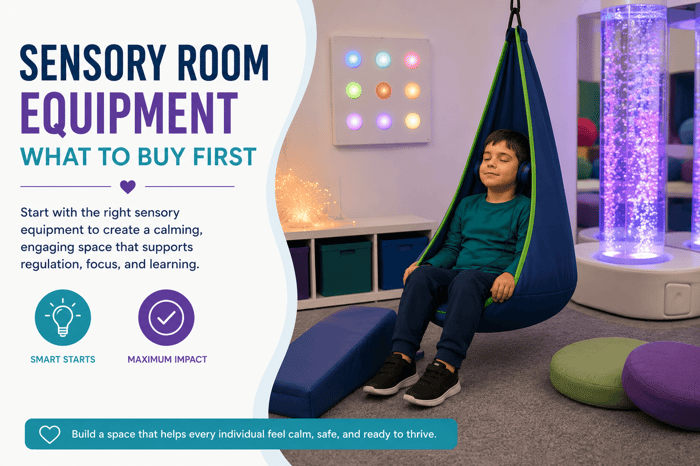
- Sensory room equipment
For larger setups, browse Sensory Room Equipment for Special Needs.
Sensory Room Essentials for Children with Autism
A sensory room can give autistic children a dedicated place for calming, movement, sensory exploration, and regulation.
Helpful sensory room essentials include:
- Bubble tube
- Fiber optic lights
- Sensory wall panels
- Soft seating
- Weighted products
- Fidgets
- Chew tools
- Projector lights
- Sensory motor tools
- Tactile panels
- Calming sensory toys for autism
- Storage and visual rules
Families and schools can browse Sensory Room Packages or Sensory Bundles and Kits for curated sensory solutions.
Portable vs. Permanent Sensory Play Setups
Some families need portable sensory tools. Others want a dedicated sensory room or play space.
| Setup Type | Best For | Examples |
| Portable sensory kit | Travel, school, errands, appointments | Fidgets, chew tools, visual toys, small tactile items |
| Home sensory corner | Daily calming and play routines | Soft seating, sensory bin, weighted lap pad, fidgets |
| Sensory room | Larger home, school, or clinic setup | Bubble tubes, fiber optics, wall panels, movement tools |
| Classroom sensory station | School use and regulation breaks | Fidgets, visual timers, sensory cushions, tactile tools |
The Travel Sensory Kit includes a mix of chew, fidget, visual, auditory, and fine motor items for on-the-go sensory support.
Free Sensory Toys for Autism
Families often search for free sensory toys for autism when they need budget-friendly options. While professional sensory tools can be helpful, many simple household items can also provide sensory input when used safely.
Free or low cost sensory ideas include:
- Rice or pasta sensory bins
- Homemade texture cards
- Paper tearing activities
- Blanket burrito deep pressure game
- Pillow crash area
- Water play with cups
- DIY visual bottles
- Cardboard box tunnels
- Homemade obstacle courses
- Sock bean bags
- Ice cube play with supervision
- DIY fidget box
Free sensory toys for autism should still be age-appropriate and supervised, especially for children who mouth objects or have safety concerns.
Can Sensory Toys Be Bought with Insurance or Medicaid?
Some sensory tools may be covered by insurance, Medicaid, waiver programs, school funding, or grants when they are medically or functionally necessary. Coverage varies widely by product, plan, state, and documentation.
Funding may require:
- Diagnosis
- Provider recommendation
- Occupational therapy evaluation
- Letter of medical necessity
- Product quote
- Prior authorization
- Documentation of functional need
Some sensory toys may be considered recreational and not covered. Others may qualify when used as therapeutic equipment or part of a documented care plan.
What Is the Difference Between Sensory Toys and Sensory Tools?
Sensory toys and sensory tools overlap, but there is a subtle difference.
Sensory toys are usually play based. They support fun, exploration, and engagement while providing sensory input.
Sensory tools are often used more intentionally for calming, focus, therapy, or regulation.
For example:
- A squishy ball can be a toy during play.
- The same squishy ball can be a tool during a school sensory break.
- A chew necklace may be a tool for oral regulation.
- A vibrating pillow may be both a toy and calming tool.
The purpose depends on how and why the item is used.
Where to Buy Sensory Toys for Autism Online
Families, therapists, schools, and caregivers can buy sensory toys for autism online through eSpecial Needs. Shopping with a special needs focused supplier helps buyers find products designed for sensory regulation, therapy, accessibility, safety, and everyday use.
Helpful eSpecial Needs collections include:
- Sensory Toys, Adaptive Toys, and Developmental Tools
- Sensory Fidget Toys and Stress Relief Toys
- Sensory Chewies & Oral Stimming Tools
- Tactile Stimulation
- Vibrotactile
- Adapted Toys, Games & Equipment
- Sensory Motor Tools
- Sensory Bundles and Kits
- Sensory Room Equipment
Why Sensory Toys For Autism Are Important
Understanding what are sensory toys for autism can help parents and caregivers choose tools that support real sensory needs instead of guessing. Sensory toys for autism may help children and adults explore textures, chew safely, move their bodies, focus during tasks, calm after overload, or participate more comfortably in daily routines.
The best sensory toys for autism are not the same for every person. Some users need calming sensory toys for autism. Others need sensory chew toys for autism, vibrating sensory toys for autism, tactile toys, movement tools, or sensory room equipment. Age also matters, especially when choosing sensory toys for autism 3 year old users or autism sensory toys for adults.
Start by observing the person’s sensory patterns. Then match the toy to the need. When possible, work with an occupational therapist and choose products that are safe, durable, age-appropriate, and useful in real daily routines.
eSpecial Needs offers sensory toys for kids with autism, sensory toys for adults with autism, special needs toys, sensory bundles, oral motor tools, tactile toys, fidgets, vibrating sensory products, and sensory room equipment to help families, schools, therapists, and caregivers build supportive sensory environments.
FAQs
What are sensory toys for autism?
Sensory toys for autism are toys, tools, and play products designed to provide helpful sensory input through touch, movement, sound, light, vibration, chewing, pressure, or texture. They may help autistic children and adults with calming, focus, sensory exploration, emotional regulation, body awareness, and everyday routines.
What are sensory toys used for?
Sensory toys are used to support sensory regulation, focus, fine motor skills, oral sensory needs, movement breaks, calming routines, and sensory exploration. Many families use sensory toys for autism at home, school, therapy, travel, bedtime, and during transitions.
What are the best sensory toys for autism?
The best sensory toys for autism depend on the person’s sensory needs. Popular options include fidget toys, sensory chew toys, weighted lap pads, vibrating sensory toys, tactile balls, sensory bins, light up toys, plush toys, sensory motor tools, and calming sensory toys for autism.
How do I choose sensory toys for kids with autism?
Choose sensory toys for kids with autism by watching what your child seeks or avoids. A child who chews may need oral sensory tools. A child who fidgets may need hand held sensory toys. A child who becomes overwhelmed may need calming sensory toys. A child who seeks movement may need sensory motor toys.
Are sensory toys only for children with autism?
No. Sensory toys can also help children and adults with ADHD, sensory processing disorder, anxiety, developmental delays, cerebral palsy, Down syndrome, dementia, and other sensory or developmental needs. Many people without a diagnosis also use sensory toys for focus, stress relief, and relaxation.
What are calming sensory toys for autism?
Calming sensory toys for autism are products that help reduce stress, support emotional regulation, and create a sense of comfort. Examples include weighted lap pads, soft plush toys, fidgets, vibrating pillows, sensory cushions, chewy tools, visual timers, and tactile items.
What sensory toys help autistic children calm down?
Sensory toys that may help autistic children calm down include weighted items, soft tactile toys, chew tools, vibrating sensory toys, sensory bottles, fidget toys, plush toys, compression items, and quiet visual toys. The best option depends on whether the child responds well to pressure, touch, movement, sound, or visual input.
What are sensory chew toys for autism?
Sensory chew toys for autism are safe oral sensory tools designed for children or adults who chew on clothing, pencils, fingers, toys, or other unsafe objects. Common options include chew necklaces, chew bracelets, chew tubes, chewable pencil toppers, and oral motor tools.
Are sensory chew toys safe?
Sensory chew toys can be safe when they are made from appropriate materials, matched to the user’s chewing strength, and used with supervision when needed. Always choose chew tools designed for oral use and replace them if they become damaged.
Why do autistic children chew on things?
Some autistic children chew because they seek oral sensory input. Chewing may help them calm, focus, manage anxiety, or feel more regulated. Sensory chew toys for autism can provide a safer alternative to chewing clothing, toys, pencils, or fingers.
What are vibrating sensory toys for autism?
Vibrating sensory toys for autism provide gentle vibration input that some children and adults find calming, alerting, or organizing. Examples include vibrating pillows, vibrating cushions, handheld vibration toys, and vibrating sensory animals.
Who benefits from vibrating sensory toys?
Vibrating sensory toys may help people who seek tactile input, deep pressure, body awareness, or calming sensory feedback. They may be useful for autistic children, adults with autism, individuals with sensory processing disorder, and people who benefit from vibration during sensory breaks.
What are the best sensory toys for autism 3 year old children?
The best sensory toys for autism 3 year old children are safe, durable, simple, and age appropriate. Good options may include large textured balls, soft plush toys, sensory bins with supervision, simple fidgets, musical toys, bubble toys, tactile mats, and large cause and effect toys.
What sensory toys should toddlers with autism avoid?
Toddlers should avoid sensory toys with small parts, magnets, long cords, sharp edges, exposed batteries, breakable pieces, or items that can become choking hazards. Children who mouth objects need extra supervision and safer oral sensory options.
What are the best sensory toys for autistic preschoolers?
Helpful sensory toys for autistic preschoolers include fidget toys, textured balls, putty, chew tools when appropriate, light up toys, visual timers, weighted lap pads, sensory bins, plush toys, and movement based toys.
What are the best sensory toys for school age children with autism?
School age children may benefit from fidgets, chewable pencil toppers, weighted lap pads, sensory cushions, therapy putty, resistance bands, visual timers, vibrating sensory toys, tactile tools, and portable sensory kits for school or travel.
Are there sensory toys for adults with autism?
Yes. Sensory toys for adults with autism may include fidgets, weighted lap pads, tactile tools, chew tools designed for adults, vibrating cushions, stress relief toys, fiber optic lights, sensory seating, and calming visual tools.
What are autism sensory toys for adults?
Autism sensory toys for adults are sensory tools that support regulation, focus, stress relief, and comfort in age appropriate ways. They may be used at home, work, school, day programs, therapy settings, or care environments.
What sensory toys help with meltdowns?
During or after a meltdown, some children may benefit from calming sensory toys such as weighted lap pads, quiet fidgets, soft plush toys, chew tools, vibrating pillows, dim visual toys, or deep pressure supports. The goal is to reduce demands and support regulation.
What sensory toys help with sensory seeking behavior?
Sensory seeking children may benefit from chew tools, crash pads, sensory motor tools, vibrating sensory toys, tactile toys, weighted items, therapy balls, resistance bands, and movement based toys.
What sensory toys are good for travel?
Good travel sensory toys include small fidgets, chew tools, sensory putty, visual timers, soft plush toys, textured handheld toys, noise reducing headphones, and portable sensory kits. Travel toys should be compact, easy to clean, and safe for the child’s age.
What sensory toys are best for school?
School friendly sensory toys include quiet fidgets, chewable pencil toppers, weighted lap pads, sensory cushions, visual timers, therapy putty, chair bands, and small tactile tools. The best school sensory toys are quiet, discreet, and easy for teachers to manage.
What are free sensory toys for autism?
Free sensory toys for autism can include safe household items used for sensory play, such as rice bins, water play cups, texture cards, cardboard box tunnels, pillow crash areas, homemade sensory bottles, blanket wraps, and DIY fidget boxes. Always supervise and avoid choking hazards.
How do I know which sensory toys my child needs?
Watch what your child seeks, avoids, and responds to during daily routines. If your child chews, look at oral sensory tools. If your child crashes or jumps, look at movement and deep pressure tools. If your child fidgets, look at tactile tools. An occupational therapist can help make the best choice.
Are sensory toys covered by insurance or Medicaid?
Some sensory tools may be covered by insurance, Medicaid, waiver programs, school funding, or grants when they are medically or functionally necessary. Coverage varies by product, state, payer, and documentation.
What documentation is needed for sensory toy funding?
Funding may require a diagnosis, provider recommendation, occupational therapy evaluation, letter of medical necessity, product quote, prior authorization, and documentation showing how the item supports daily function or therapy goals.
Where can I buy sensory toys for autism online?
You can buy sensory toys for autism online from eSpecial Needs, including fidgets, chew tools, vibrating sensory toys, tactile toys, sensory bundles, adapted toys, sensory motor tools, and sensory room equipment for children and adults.