Table of Contents
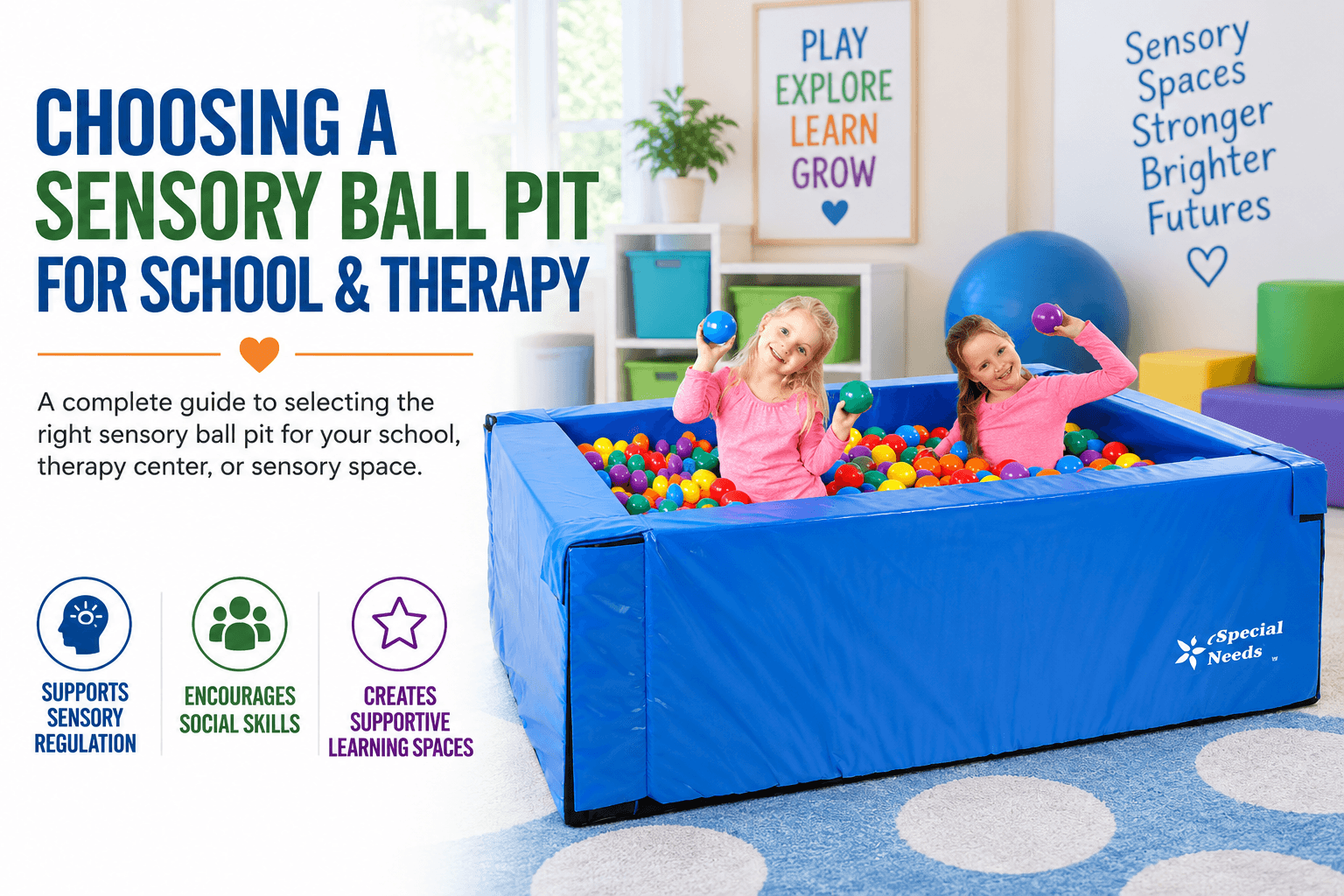
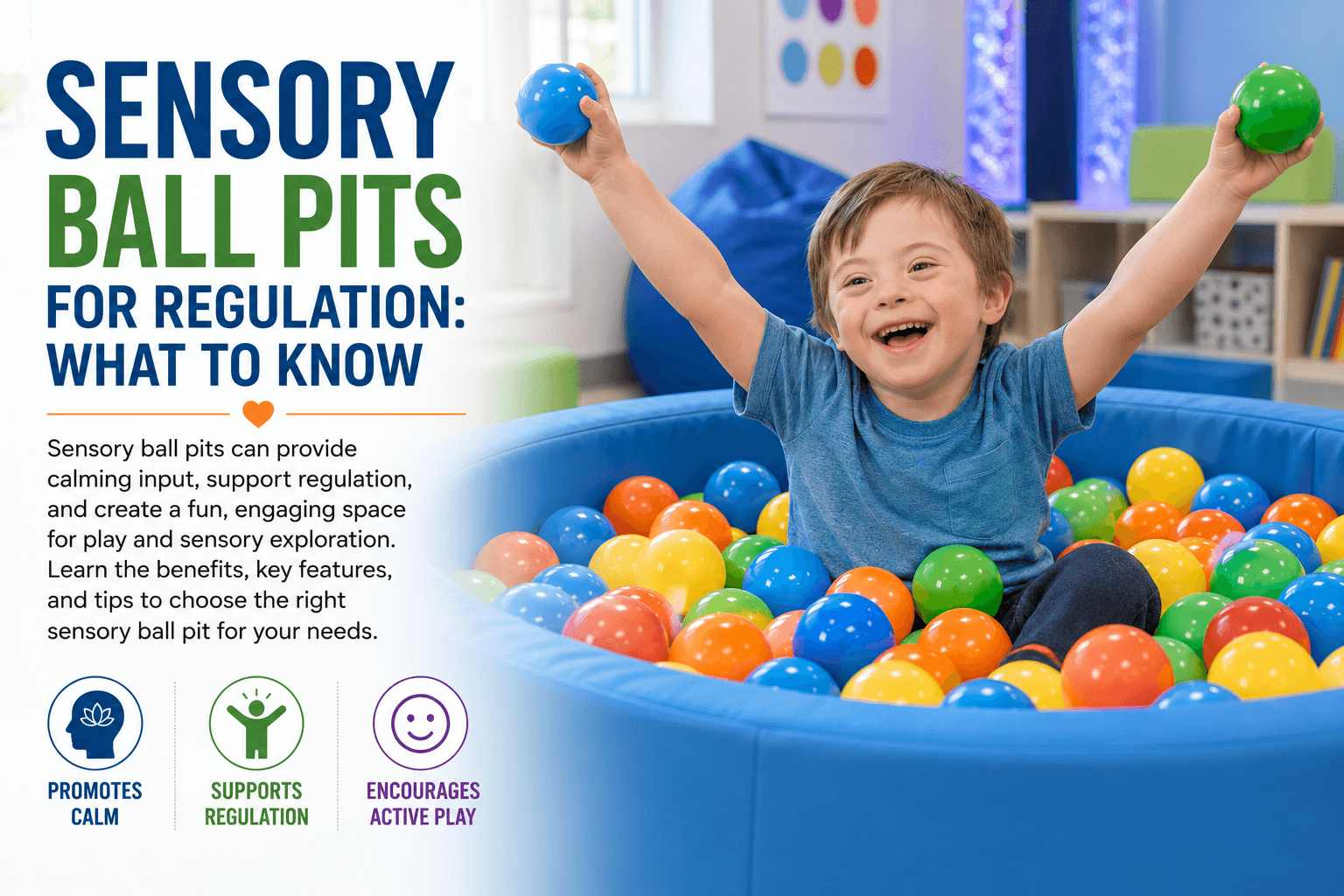
When you're planning a sensory room for your school, few tools deliver as much therapeutic value as well-chosen sensory ball pits. These padded, ball-filled spaces offer tactile, proprioceptive, and vestibular input that supports students who need help with self-regulation throughout the day.
eSpecial Needs helps schools and therapy teams select sensory ball pits built for classroom environments. But not every ball pit is right for every setting, and the differences matter more than many buyers expect.
This guide walks you through seven key factors to assess before you choose a sensory ball pit for sensory regulation in your school.
Key Takeaways: Sensory Ball Pits for Regulation
- Sensory ball pits deliver tactile, proprioceptive, and vestibular input that supports student self-regulation during the school day.
- Durability and commercial-grade construction are critical for any ball pit used in school or clinic settings.
- Supervision planning and staff training should happen before any sensory ball pit is installed in your building.
- eSpecial Needs offers sensory ball pits and accessories designed specifically for therapeutic and educational environments.
- Cleaning protocols directly affect hygiene, equipment longevity, and how consistently the ball pit stays available for students.
What to Assess Before Choosing a Sensory Ball Pit
1. Sensory Input Type and Therapeutic Goals
Before selecting a ball pit, identify the specific sensory inputs your students need most. Ball pits primarily deliver deep pressure (proprioceptive), touch (tactile), and motion (vestibular) feedback. Each of these inputs serves a different purpose in a student's sensory diet.
If your occupational therapist is targeting calming input, a deeper pit with more balls encourages burrowing and gentle pressure. For students working on motor planning and coordination, a shallower pit paired with steps and slides keeps the focus on active, goal-directed movement.
Mini Budget Ball Pit
$1,353.13
The Mini Budget Ball Pit is a durable, lower cost ball pit designed for sensory play, therapy activities, and active engagement in homes, schools, clinics, and care settings. It offers a smaller footprint than larger recreational ball pits while still providing… read more

2. Build Quality and Commercial-Grade Durability
School ball pits take far more daily use than home versions. Look for reinforced seams, high-density foam walls, and commercial-grade vinyl that can handle years of climbing, jumping, and repeated sanitizing without breaking down.
Thin residential ball pits collapse quickly under classroom traffic. Budget models may save money up front but often need replacing after a single school year, which drives costs higher over time. Prioritize construction that is rated for institutional use and tested for durability under heavy daily wear.
Rectangle Budget Ball Pit
$1,420.00
$1,595.00
The Rectangle Budget Ball Pit is a durable, lower-cost ball pit designed for sensory play, therapy activities, and active movement in homes, schools, clinics, and care settings. It offers the function and durability of larger recreational ball pits while providing… read more

3. Size, Shape, and Available Space
Measure your room carefully before ordering. A ball pit that barely fits leaves no space for safe entry, exit, or staff positioning nearby. Many schools choose corner-style or rectangular sensory room equipment to maximize usable floor area without blocking doorways or exits.
Consider ceiling height too. Students standing inside should have clearance above them, and any attached slides or platforms need additional room for safe use. Factor in enough perimeter space for a staff member to assist or supervise comfortably.
Giant Budget Ball Pit
$1,718.95
$1,935.00
The Giant Budget Ball Pit is a durable, large-format ball pit designed for sensory play, active movement, and therapy use in homes, schools, clinics, and care settings. It offers the size and function of a larger recreational ball pit for… read more

4. Ball Count, Color, and Sensory Preferences
The number of ball pit balls you add changes the experience significantly. A fuller pit gives deeper pressure and more immersion, which students who crave sensory input often prefer. A partially filled pit allows easier movement and is often better for students who are overwhelmed by heavy tactile input.
Color selection matters as well. Calming tones like blue and green can support regulation in de-escalation spaces. Bright, multicolor sets are better suited for active play and engagement. Some therapists rotate color palettes based on each student's sensory preferences.
1000 Piece 3-1/8" Multicolor Ball Pit Balls
$610.95
These 1000 piece 3-1/8” diameter, balls are light-weight enough for children to toss and roll safely. The small size allows them to fit in small hands and allow for easy juggling. These authentic pit balls are made of durable, safe,… read more

5. Cleaning and Hygiene Protocols
In a shared school environment, hygiene is a top concern. Choose ball pits with wipe-clean vinyl surfaces and balls made from non-porous, BPA-free plastic that can be sanitized on a regular basis.
Build a cleaning schedule into your maintenance plan from day one. Balls should be disinfected weekly at minimum. According to a 2025 systematic review on sensory-based interventions, consistent use of clean, well-maintained sensory tools contributes to better therapeutic outcomes. Poor hygiene shortens equipment life and reduces student access.
6. Safety Features and Supervision Requirements
Padded flooring, soft foam walls, and rounded edges reduce the risk of injury during active play. Stable bases prevent tipping, especially when multiple students use the pit at the same time.
Supervision is just as important as construction quality. Train staff on student positioning, maximum occupancy, and when to intervene. Students with limited mobility or seizure risks may need one-on-one support during sensory regulation activities. Write supervision expectations into your sensory room use policy before the ball pit is installed.
7. Integration With Your Broader Sensory Room
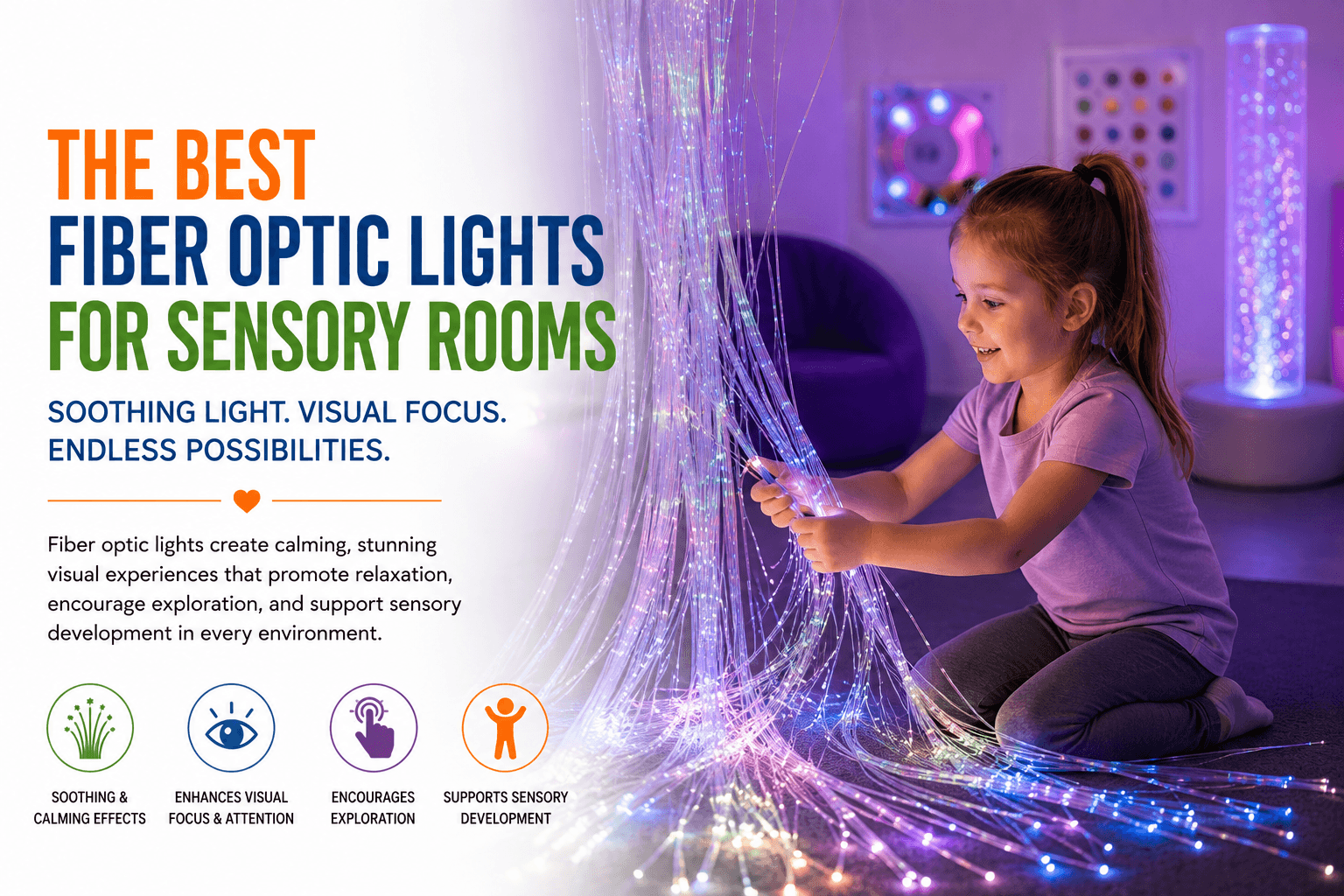
A ball pit works best as one piece of a larger sensory room setup. Pair it with calming tools like weighted blankets, fiber optic lighting, and bubble tubes to give students a full range of sensory options throughout the day.
Schools that connect ball pit time to structured therapy schedules and individualized sensory diets report more consistent regulation outcomes. Talk with your OT about how ball pit sessions fit into each student's plan and which complementary tools support their specific goals.
How to Choose the Right Sensory Ball Pit for Your School
Start by defining your therapeutic goals and then work backward to the features that support them. Talk with your school's occupational therapist or physical therapist about which students will use the pit, what types of sensory input they need, and how the equipment fits into existing IEP objectives.
eSpecial Needs gives schools access to free sensory room design services that help you plan layouts, choose the right equipment, and build spaces that support long-term student success. Reach out to start building a sensory space your students will benefit from every day.
FAQs
What is a sensory ball pit used for in schools?
A sensory ball pit gives students tactile, proprioceptive, and vestibular input that helps them self-regulate during the school day. Occupational therapists commonly use ball pits during structured therapy sessions and sensory breaks.
How does a ball pit help with sensory regulation?
The deep pressure from surrounding balls has a calming effect on the nervous system. Students can burrow, roll, or sit in the pit to manage overstimulation and return to a regulated state before transitioning back to classroom activities.
What size ball pit is right for a school sensory room?
That depends on your room dimensions and how many students will use the pit at one time. Many schools opt for compact corner designs. eSpecial Needs offers sensory equipment in multiple sizes to fit different spaces and group needs.
How often should you clean a school sensory ball pit?
Wipe down the pit walls and floor after each use. Sanitize the balls at least once a week. In high-traffic school settings, more frequent cleaning prevents the spread of germs and keeps the equipment ready for daily use.
Can a sensory ball pit be used for students with physical disabilities?
Yes. Many sensory ball pits include low-entry access points and padded supports that make them accessible to students with mobility challenges. Always confirm that the model you choose meets the accessibility needs of your students.
What should a school budget for when purchasing a sensory ball pit?
Costs vary based on size, construction quality, and included accessories like balls or steps. Schools should also budget for replacement balls, cleaning supplies, and ongoing maintenance to keep the pit in good condition year after year.