Table of Contents
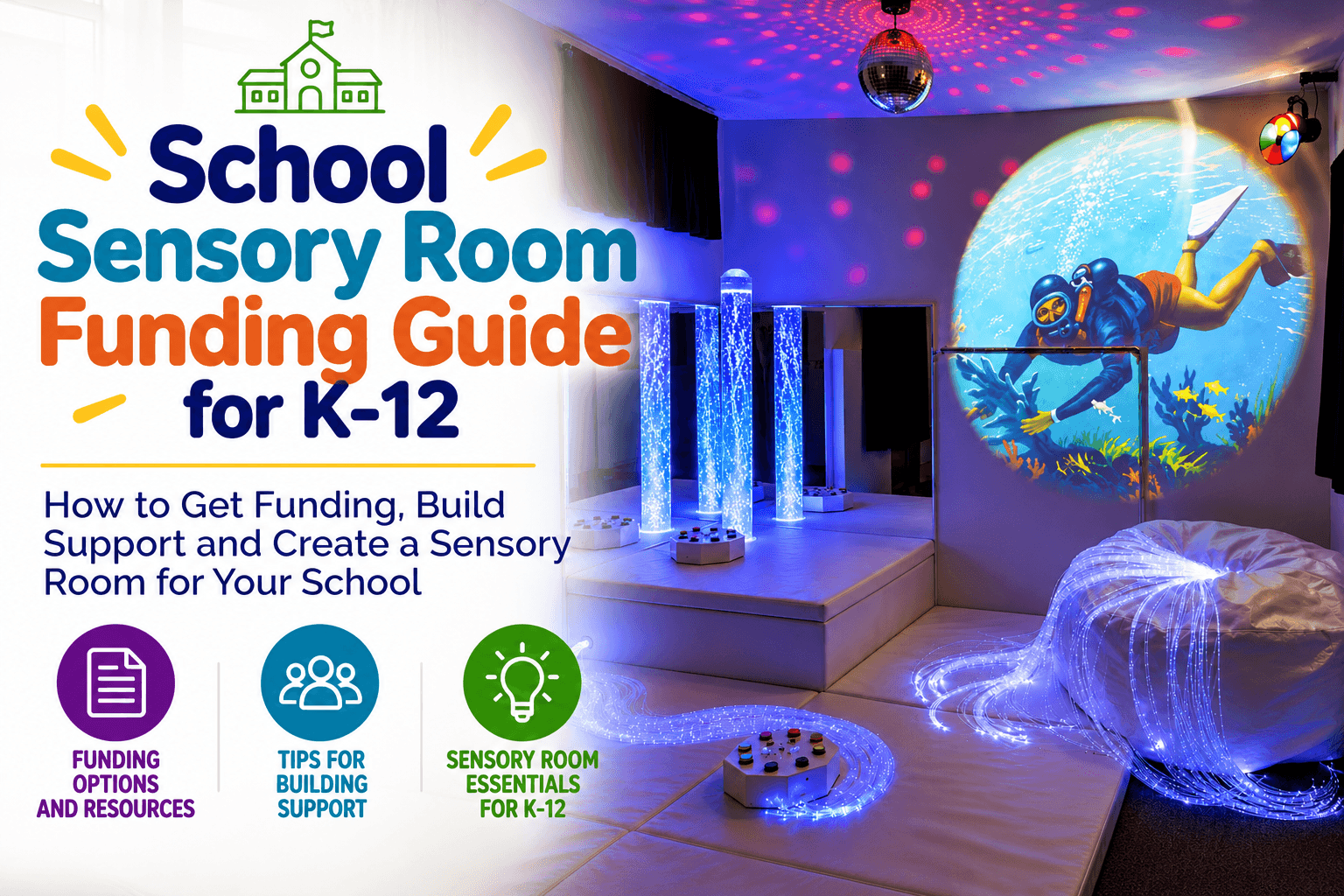
School sensory room funding starts with a clear explanation of student needs, a practical equipment plan, and a budget that school leaders can evaluate. Whether your goal is a classroom calm corner or a dedicated sensory room, a strong proposal connects each purchase to how students will access and participate in their school day.
For K–12 educators, occupational therapists, and administrators, the challenge is often knowing where to begin. This guide explains potential funding routes, how to prepare a persuasive request, and how to prioritize equipment without making the project larger than it needs to be.
Start With Student Needs Before Choosing Equipment
Before searching for sensory room grants, identify the barriers your project is intended to address. Perhaps students need a quieter place for planned breaks. Your occupational therapy team may need appropriate equipment for individualized activities. Teachers may be looking for more consistent ways to support transitions or offer choices during demanding parts of the day. Document observations rather than relying on broad statements such as “sensory rooms help all students.”
Useful information includes:
- Which students or programs the space will serve.
- What difficulties staff currently observe.
- Which supports are already available.
- Where gaps remain.
- How staff will supervise and manage the space.
- How the school will evaluate whether the project is useful.
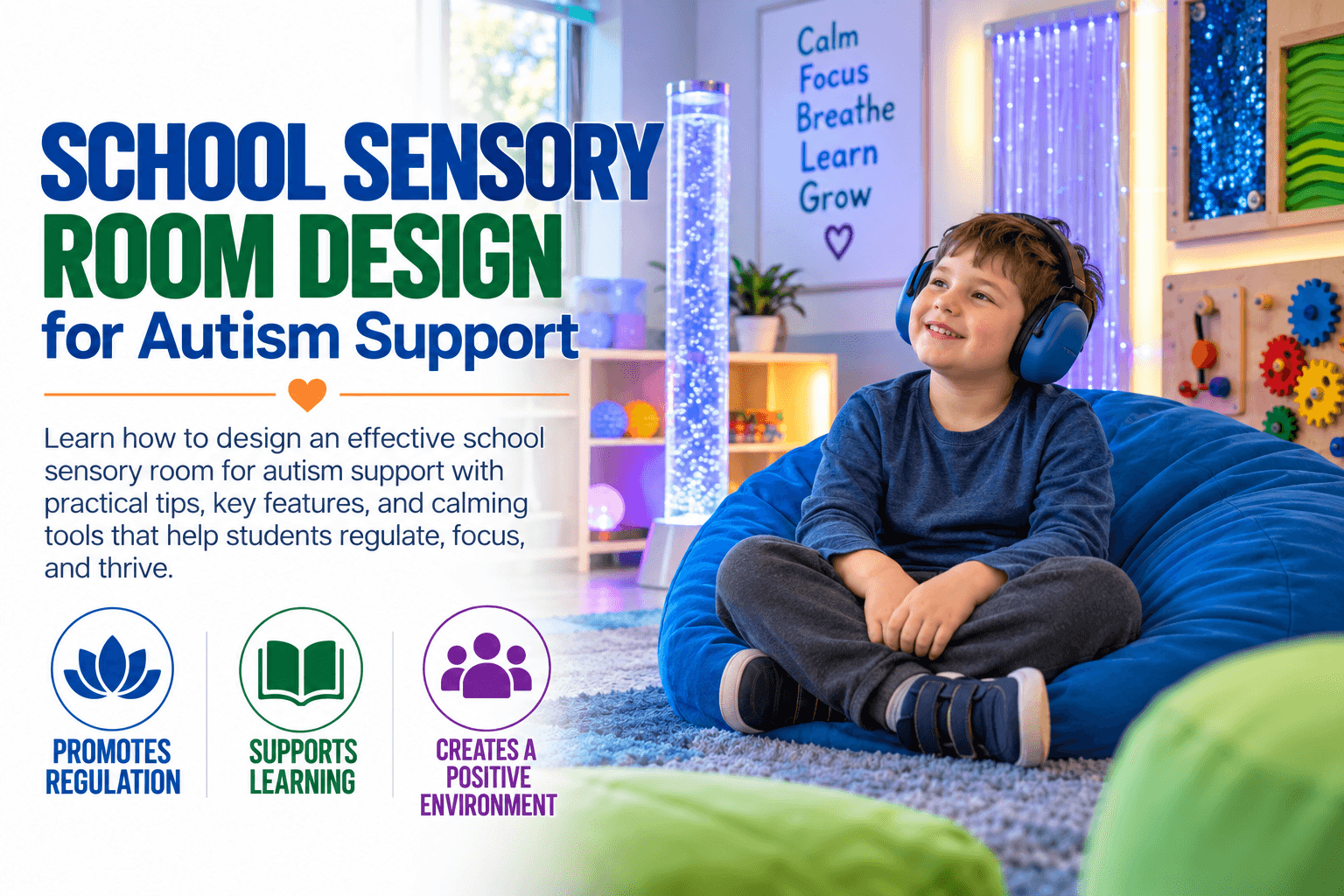
Involve special education staff, occupational therapists, administrators, facilities personnel, and students or families where appropriate. For help turning these needs into a layout, read School Sensory Room Design for Autism Support.
Potential Sources of School Sensory Room Funding
Schools often need to explore several funding routes. The most appropriate source depends on the purpose of the project, the students served, and local purchasing rules.
| Funding route | Where to begin | What to confirm |
|---|---|---|
| District operating or special education budgets | Principal, special education director, or finance office | Budget availability, educational purpose, and approval process |
| IDEA Part B funds | District special education and grants administrators | Whether specific expenditures meet applicable IDEA and fiscal requirements |
| Title IV, Part A funds | District federal programs coordinator | Whether the proposed activity and associated purchases are allowable |
| State or regional grants | District grants office or regional education agency | Current eligibility, application dates, and permitted costs |
| Education foundations | District or community foundation | Funding priorities, award limits, and application requirements |
| PTA, PTO, and community fundraising | School leadership and parent organization | Donation policies, purchasing arrangements, and ongoing responsibilities |
| Business or charitable donations | District development or community partnerships staff | Gift acceptance rules and whether donated items meet school requirements |
These are routes to investigate, not guarantees of funding. Obtain approval for the specific project and expenses before placing orders.
Explore Existing District Budgets First
An existing district budget may be a more direct starting point than a competitive grant. Ask whether the project fits an approved special education, student services, occupational therapy, instructional equipment, or facilities budget. A shared project may involve several departments, but each contribution should have a clear purpose and documented approval.
Present a prioritized request with three levels:
- Essential items needed to begin.
- Additional equipment that expands available activities.
- Future improvements that can wait.
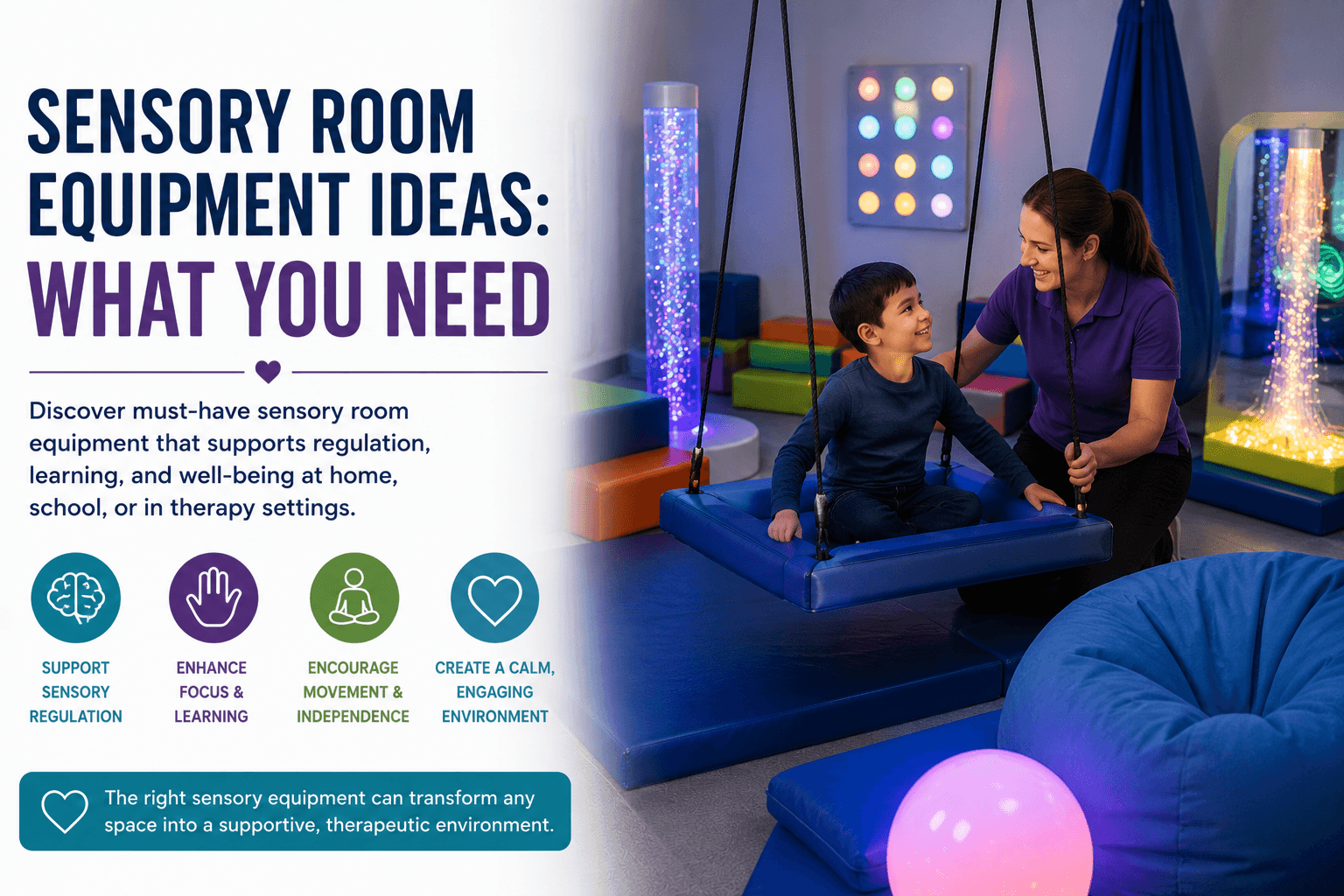
This gives decision makers options when the full proposal cannot be funded immediately. Our guide to Sensory Room Equipment: What to Buy First can help you separate immediate needs from later purchases.
Look for Local Grants and Community Support
District education foundations, community foundations, parent organizations, and local charitable programs are useful places to investigate smaller projects or supplemental purchases.
Before preparing an application, check:
- Whether your school or district is eligible.
- Whether equipment purchases are permitted.
- Whether installation and shipping are covered.
- Whether matching funds are required.
- Whether purchases must occur after an award.
- What reporting the funder expects.
A specific request is easier to evaluate than a general appeal to “build a sensory room.” For example, a proposal might seek funding for a supervised classroom sensory corner with clearly identified materials, storage, and staff responsibilities. For compact project ideas, explore Designing Sensory Calm Corners for Autism, ADHD, and Emotional Regulation.
Build a Budget That Includes the Full Project
The equipment price is only one part of a sensory room budget. Include the costs needed to make the space usable and maintain it.
| Budget category | Items to consider |
|---|---|
| Equipment | Selected products, quantities, sizes, and accessories |
| Delivery | Shipping, freight, unloading, and delivery access |
| Installation | Assembly, mounting, electrical work, and facilities labor |
| Room preparation | Flooring, lighting adjustments, storage, and appropriate protective surfaces |
| Staff preparation | Training, operating instructions, and supervision planning |
| Ongoing care | Cleaning supplies, consumables, inspections, and replacement parts |
Use current written quotes rather than estimated online prices when submitting a final request. Compare individual purchases with Sensory Room Packages, checking exactly what each package includes. A bundle may simplify planning, but its contents should still match your students’ needs.
Choose Equipment With a Clear Purpose
Every item in the proposal should answer a straightforward question: What will students be able to do with this equipment?
For optional visual activities
Browse the Bubble Tubes collection. Consider placement, maintenance, secure installation, and whether students prefer observation or interaction.
The Touch Sensitive LED Bubble Tube includes buttons for changing colors and controlling bubbles. It offers a different interaction method from a separate wireless controller.
For interactive color activities
The IRiS Qube controls compatible IRiS responsive equipment. The IRiS Qube and Recordable Speaker Bundle adds personalized audio possibilities. Confirm compatibility and include every required component in the quote.
For a coordinated installation
The IRiS Wireless Multi Sensory Room Bundle is an option to review when planning a larger interactive environment. Compare its included components with existing equipment to avoid duplicate purchases. For broader planning ideas, read Sensory Room Bubble Tubes, Lights, Projectors, and Sensory Packages.
Use a Phased Plan When Funding Is Limited
A school does not have to purchase a complete room at once.
Phase one: Establish a usable space
Identify the location, supervision plan, storage, and a small selection of appropriate activities. Address access and room preparation first.
Phase two: Add equipment based on observations
Review which activities students choose and where additional options would be useful. Use those observations to guide the next purchase request.
Phase three: Expand selectively
Consider larger installations or interactive systems when space, staffing, maintenance, and student needs support the investment. Our article on Sensory Room Packages for Special Needs can help teams compare a coordinated package with a gradual purchasing approach.
Write a Strong Sensory Room Funding Proposal
Keep the proposal focused on the problem, the planned response, and how the school will manage it.
Include:
- Project purpose: The participation barriers you want to address.
- Students served: Relevant grades, programs, and anticipated use.
- Current support: What the school already provides.
- Proposed purchases: Itemized equipment and associated costs.
- Implementation: Location, staffing, training, and access procedures.
- Evaluation: What information the team will review.
- Sustainability: Who will maintain and replace equipment.
A starting paragraph could read:
“Our school seeks funding to establish a supervised sensory support space for students who benefit from individualized breaks and structured sensory activities. The project will provide selected equipment, staff preparation, and consistent access procedures. The team will review student feedback, participation, and transitions back to scheduled activities to guide future adjustments.”
Customize the wording with verified school information. Avoid promising specific academic, behavioral, or therapeutic results that the project cannot guarantee.
Plan How You Will Evaluate the Space
Choose measures that relate to the project’s purpose. Examples include whether students can request a break, whether scheduled access is available, which activities they prefer, and how comfortably they transition afterward. Staff feedback can also identify equipment that is difficult to clean, maintain, or use. Review the findings at an agreed interval and adjust the setup accordingly. Keep student information within district privacy procedures.
The space should support participation and individual choice. It should not function as punishment, involuntary isolation, or a substitute for necessary educational services.
Prepare for Purchasing and Installation
Before submitting the final order, confirm:
- Funding approval and purchasing authority.
- Accurate product selections and quantities.
- Equipment compatibility.
- Delivery timing and receiving arrangements.
- Facilities approval for installation.
- Staff responsibilities for operation and maintenance.
Visit eSpecial Needs B2B Solutions for organizational purchasing information. The Frequently Asked Questions page also includes information about purchase orders and payment options.
For room preparation, review Eight School Sensory Room Safety Factors to Know before installation.
FAQs
How do schools get funding for a sensory room?
Start with district leadership and finance staff. Potential routes include existing budgets, eligible federal or state funds, education foundations, parent organizations, and approved community donations.
Are there grants specifically for school sensory rooms?
Some funders may support sensory equipment through broader special education, accessibility, student support, or classroom innovation programs. Check current eligibility and allowable purchases rather than relying only on the grant’s name.
What if the school cannot fund a full room?
Consider a smaller supervised space or phased project. Prioritize appropriate access, staff preparation, and a limited selection of useful equipment.
Where can schools compare equipment?
Explore eSpecial Needs Sensory Room Packages, Bubble Tubes, and Experia sensory equipment, then build an itemized request around the school’s documented needs.