Table of Contents
- What Are Daily Living Skills? Definition and Importance
- Activities of Daily Living ADLs vs. Instrumental Activities of Daily Living IADLs
- Why Building Daily Living Skills Is Critical for Special Needs Individuals
- The Role of Occupational Therapy in Daily Living Skills Development
- Daily Living Skills Examples: A Comprehensive Category Guide
- Personal Hygiene: Handwashing, Brushing Teeth, and Bathing
- Dressing and Grooming Independence
- Toileting and Continence Skills
- Eating, Feeding, and Basic Meal Preparation
- Mobility, Transfers, and Community Navigation
- Household Chores and Home Management Skills
- Communication and Social Daily Living Skills
- How to Use a Daily Living Skills Checklist
- What Is a Functional Life Skills Checklist and How Does It Differ?
- Daily Living Skills Checklist for Autism: Key Considerations
- Daily Living Skills Checklist for Adults With Disabilities
- How to Download and Use a Daily Living Skills Checklist PDF
- Best Adaptive Equipment and Tools to Support Daily Living Skills
- Bathing and Toileting Aids: Promoting Hygiene Independence
- Adaptive Seating and Positioning Equipment
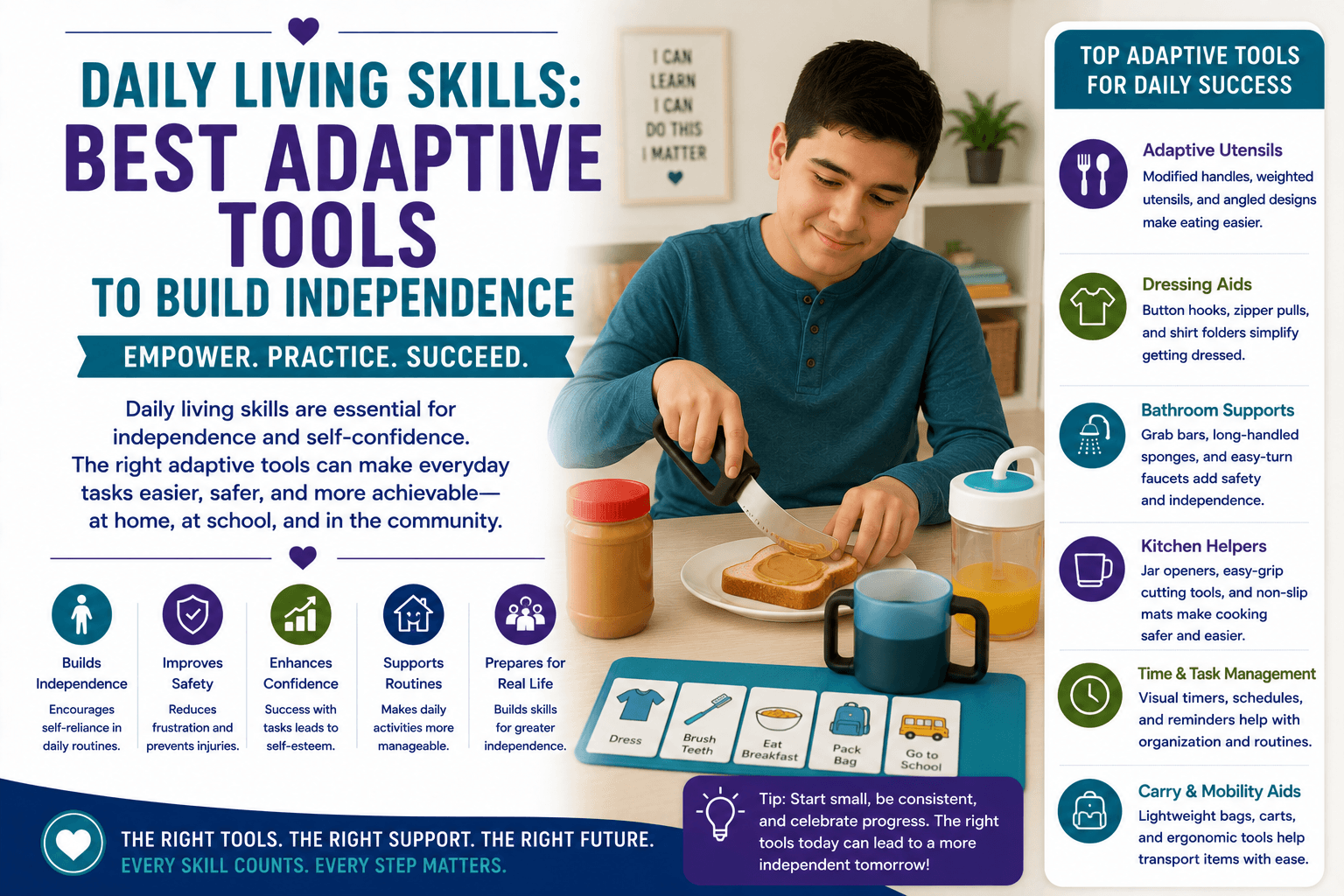
- Daily Living Aids for Fine Motor Tasks: Feeding, Dressing, Writing
- Special Needs Clothing for Easier Dressing and Grooming
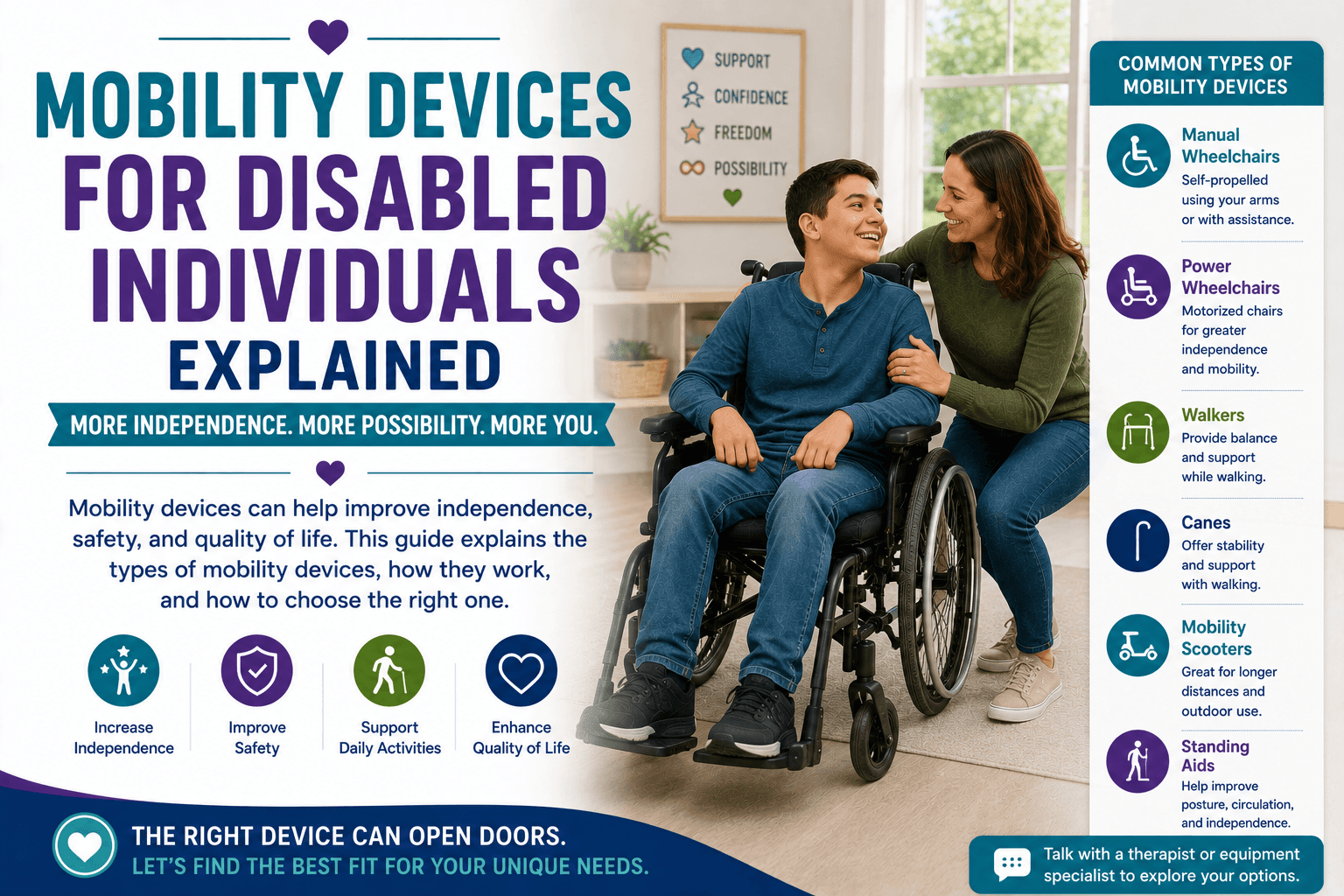
- Mobility Equipment to Support Independence at Home and in the Community
- Sensory and Deep Pressure Tools That Support Regulation for Daily Tasks
- Activities of Daily Living Exercises: Practical Strategies for Home and Therapy
- Task Analysis: Breaking Down Daily Living Skills Into Manageable Steps
- Using Visual Schedules and Checklists to Reinforce Routines
- Practicing ADL Skills in Natural Environments
- Why Daily Living Skills Are Important
- FAQs
Daily living skills are the everyday self care, home, communication, mobility, and participation skills people use to live with greater independence. For children, teens, and adults with special needs, these skills may develop at a different pace or require extra support, adaptive tools, visual routines, caregiver coaching, therapy strategies, or environmental modifications.
Building daily living skills can support confidence, dignity, safety, communication, and participation at home, school, therapy, work, and in the community. These skills can include brushing teeth, bathing, getting dressed, using the bathroom, eating, moving from one place to another, communicating needs, preparing simple meals, completing chores, and following daily routines.
The right adaptive equipment can make these routines easier to learn and more accessible. Explore Daily Living Aids, Bathing and Toileting, Adaptive Seating, Mobility Products, Assistive Technology, and Sensory Products at eSpecial Needs.
What Are Daily Living Skills? Definition and Importance
Daily living skills are the practical skills a person uses to care for themselves, manage routines, participate in family life, and interact with their environment. These skills are sometimes called life skills, functional skills, self care skills, or activities of daily living.
Daily living skills can include:
- Washing hands
- Brushing teeth
- Bathing
- Toileting
- Dressing
- Grooming
- Eating
- Drinking
- Preparing simple meals
- Moving safely around the home
- Transferring from one surface to another
- Communicating needs
- Completing chores
- Managing belongings
- Following routines
- Using adaptive tools
- Participating in school, therapy, work, or community activities
For individuals with special needs, daily living skills may require structured teaching, repetition, physical support, sensory support, communication tools, adaptive equipment, or changes to the environment. The goal is not perfection. The goal is meaningful participation and the highest level of independence possible for that person.
Ergonomic Nosey Cup
$4.95
$5.00
Provides a steadier grip with its contoured shape and slightly textured surface. A special cut-out for the nose area allows users to drink easily without tipping their head back. Translucent plastic allows easy monitoring of liquid intake. Features Nose cut-out… read more

Activities of Daily Living ADLs vs. Instrumental Activities of Daily Living IADLs
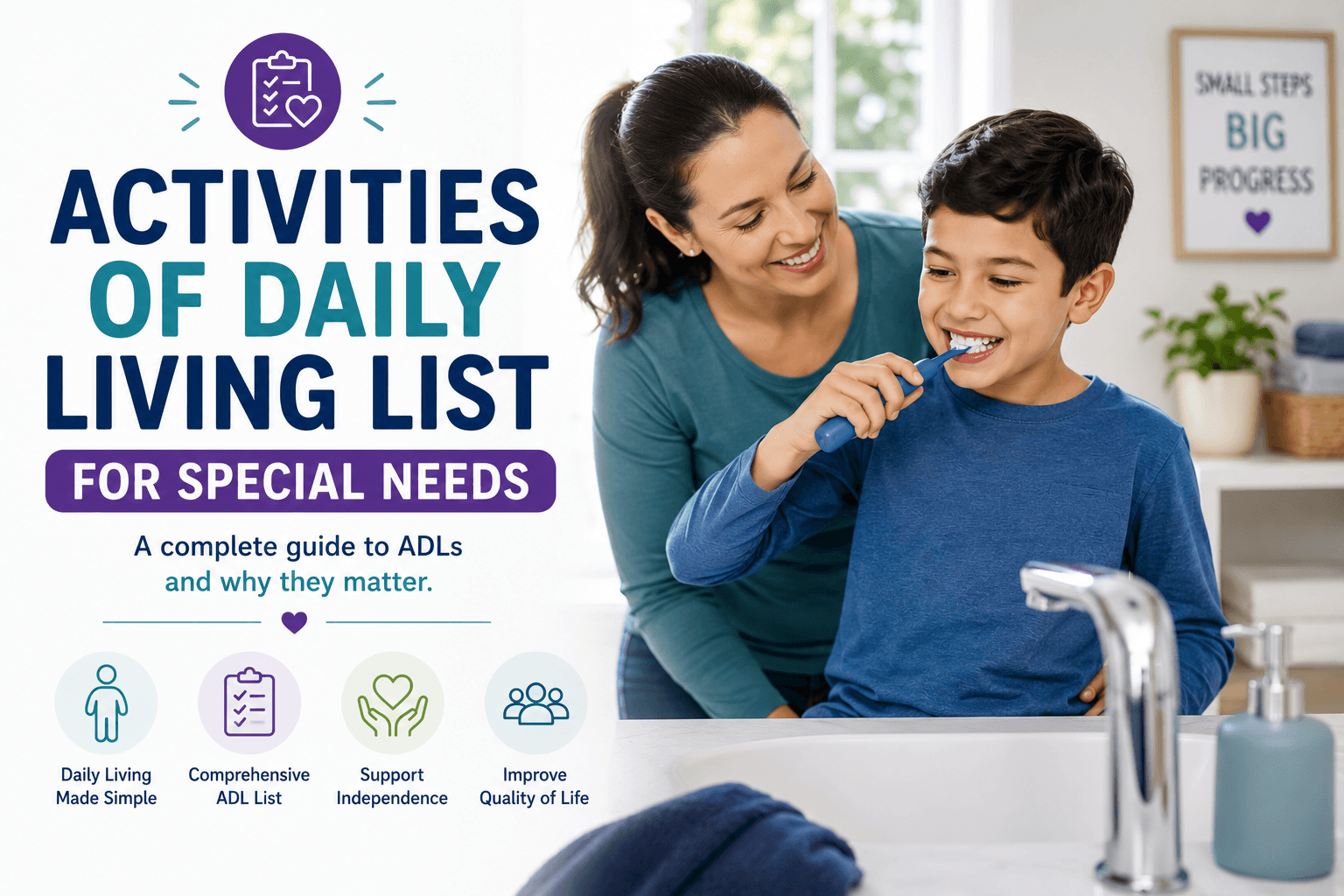
Daily living skills are often divided into two categories: activities of daily living and instrumental activities of daily living.
Activities of Daily Living ADLs
Activities of daily living are basic self care tasks needed for everyday health, hygiene, and safety.
ADL examples include:
- Bathing
- Toileting
- Dressing
- Grooming
- Eating
- Drinking
- Transferring
- Moving around the home
- Personal hygiene
These are often the first skills families, caregivers, therapists, and educators focus on because they directly affect comfort, health, dignity, and daily care.
Scooper Bowl with Suction Cup Base
$16.25
The Scooper Bowl simplifies independent dining while preventing spills and messes. Features Elevated rim and reverse curve on one side, helps to easily scoop food onto utensils Rubber suction base on the bottom of the dish to prevent skidding and… read more

Instrumental Activities of Daily Living IADLs
Instrumental activities of daily living are more complex tasks that support independence at home and in the community.
IADL examples include:
- Preparing meals
- Managing simple chores
- Organizing belongings
- Following a schedule
- Shopping
- Using transportation
- Managing money
- Taking medication with support
- Communicating with others
- Using technology
- Participating in community routines
For some individuals, IADLs may be long term goals. For others, they may be taught in small steps with visual supports, caregiver guidance, and adaptive tools.
Why Building Daily Living Skills Is Critical for Special Needs Individuals
Daily living skills can have a major impact on quality of life. Even small gains can make routines easier and help individuals participate more fully in everyday life.
Building daily living skills may support:
- Greater independence
- Increased confidence
- Improved safety
- Better hygiene
- More predictable routines
- Reduced caregiver burden
- More participation at home
- More participation at school
- More participation in therapy
- More community access
- Improved communication
- Better self advocacy
- Increased dignity
- More choice and control
For example, a child who learns to wash their hands with a visual checklist gains more independence in hygiene routines. A teen who learns to use adaptive utensils can participate more comfortably at meals. An adult who uses mobility equipment, adaptive clothing, and visual schedules may take part in daily routines with less physical assistance.
The Role of Occupational Therapy in Daily Living Skills Development
Occupational therapists often play an important role in daily living skills development. OT support may include assessing the person’s abilities, identifying barriers, selecting adaptive equipment, modifying routines, and teaching skills in small steps.
An occupational therapist may help with:
- Feeding skills
- Dressing skills
- Grooming routines
- Toileting support
- Bathing safety
- Hand strength
- Fine motor skills
- Sensory regulation
- Visual motor skills
- Motor planning
- Seating and positioning
- Adaptive equipment selection
- Environmental modifications
- Caregiver training
- School based routines
- Home programs
OTs often use task analysis, visual supports, repetition, adapted tools, and real life practice to help daily living skills become more manageable.
Daily Living Skills Examples: A Comprehensive Category Guide
Daily living skills examples can look different depending on age, ability, diagnosis, environment, and support needs. The categories below can help caregivers, therapists, and educators identify where support may be needed.
Personal Hygiene: Handwashing, Brushing Teeth, and Bathing
Personal hygiene skills are important for health, comfort, confidence, and social participation. These skills can be challenging for individuals with sensory sensitivities, fine motor delays, balance concerns, motor planning difficulties, or limited understanding of routines.
Personal hygiene skills may include:
- Washing hands
- Brushing teeth
- Washing face
- Combing hair
- Bathing or showering
- Using deodorant when appropriate
- Washing hair
- Drying body after bathing
- Managing menstrual hygiene when appropriate
- Caring for skin
Adaptive strategies may include:
- Visual step charts
- Timers
- Electric toothbrushes
- Built up toothbrush handles
- Non slip mats
- Shower chairs
- Handheld shower heads
- Bath chairs
- Long handled sponges
- Sensory friendly towels
- Predictable routines
Explore Bathing Products, Shower Chairs, Bath Chairs, and Daily Living Aids.
Highback Shower Chair
$218.00
Highback Shower Chair for Bathing Support The MJM Highback Shower Chair is designed to provide supportive seating during bathing, showering, and hygiene routines. Its highback design helps offer additional seated support for users who need more stability than a standard… read more

Dressing and Grooming Independence
Dressing and grooming can require balance, hand strength, coordination, sequencing, sensory tolerance, and body awareness. Some individuals may need support with buttons, zippers, socks, shoes, braces, fasteners, hair care, or clothing textures.
Dressing and grooming skills may include:
- Choosing clothing
- Putting on shirts
- Pulling up pants
- Fastening buttons
- Closing zippers
- Putting on socks
- Putting on shoes
- Brushing hair
- Using a mirror
- Managing outerwear
- Organizing clothing
Helpful adaptive tools may include:
- Adaptive clothing
- Elastic waist clothing
- Magnetic closures
- Velcro closures
- Button hooks
- Zipper pulls
- Sock aids
- Long handled shoehorns
- Dressing sticks
- Easy grip brushes
- Visual dressing sequences
Explore Grips and Holders, and Daily Living Aids.
Combination Dressing Stick/Shoehorn
$14.85
The Ableware Combination Dressing Stick and Shoehorn is packed with special features such as an extra large angled hook that holds and pulls clothing better than traditional dressing aids and two pushers for removing clothing and shoes. Use it for… read more

Toileting and Continence Skills
Toileting is a major daily living skill that supports dignity, comfort, hygiene, and independence. Toileting routines can be affected by mobility needs, communication challenges, sensory sensitivities, motor planning, anxiety, medical conditions, or developmental delays.
Toileting skills may include:
- Recognizing body signals
- Communicating the need to use the bathroom
- Getting to the bathroom
- Managing clothing
- Sitting safely
- Wiping
- Flushing
- Washing hands
- Following a toileting schedule
- Using continence supplies when needed
Adaptive supports may include:
- Visual toileting routines
- Timers
- Adaptive toilet seats
- Commodes
- Over the toilet chairs
- Grab bars
- Transfer aids
- Supportive seating
- Clothing with easier closures
- Communication cards
- Caregiver prompts
Explore Toileting Products, Commodes, Over the Toilet Chairs, and Bathing and Toileting.
ETAC Swift Commode Standard
$280.95
$494.97
The ETAC Swift Commode Standard is a versatile 3 in 1 commode chair that can be used beside the bed, in the shower, or over a toilet as a raised toilet seat. This adaptable design helps simplify toileting and bathing… read more

Eating, Feeding, and Basic Meal Preparation
Eating and feeding are daily living skills that involve posture, hand use, oral motor ability, sensory tolerance, communication, and safety. Basic meal preparation can also help build independence and participation.
Eating and feeding skills may include:
- Sitting at the table
- Holding utensils
- Scooping food
- Drinking from a cup
- Using a straw
- Trying new textures
- Communicating food choices
- Opening containers
- Preparing snacks
- Stirring ingredients
- Setting the table
- Cleaning up after meals
Adaptive tools may include:
- Built up utensils
- Weighted utensils
- Angled utensils
- Scoop dishes
- Plate guards
- Non slip bowls
- Adaptive cups
- Two handled cups
- Universal cuffs
- Adaptive grips
- Visual recipes
- Choice boards
Explore Utensils, Grips and Holders, Daily Living Aids, and AAC and Communication.
Mobility, Transfers, and Community Navigation
Mobility and transfers affect how a person participates in self care, home routines, school, therapy, work, and community life. Mobility needs may involve walking, using equipment, transferring between surfaces, navigating bathrooms, entering vehicles, or moving through public spaces.
Mobility skills may include:
- Moving safely around the home
- Walking with support
- Using a walker
- Using a wheelchair
- Using a special needs stroller
- Using a gait trainer
- Transferring from bed to chair
- Transferring to the toilet
- Transferring into the shower
- Navigating ramps
- Entering and exiting vehicles
- Participating in community outings
Adaptive equipment may include:
- Wheelchairs
- Special needs strollers
- Gait trainers
- Walkers
- Transfer aids
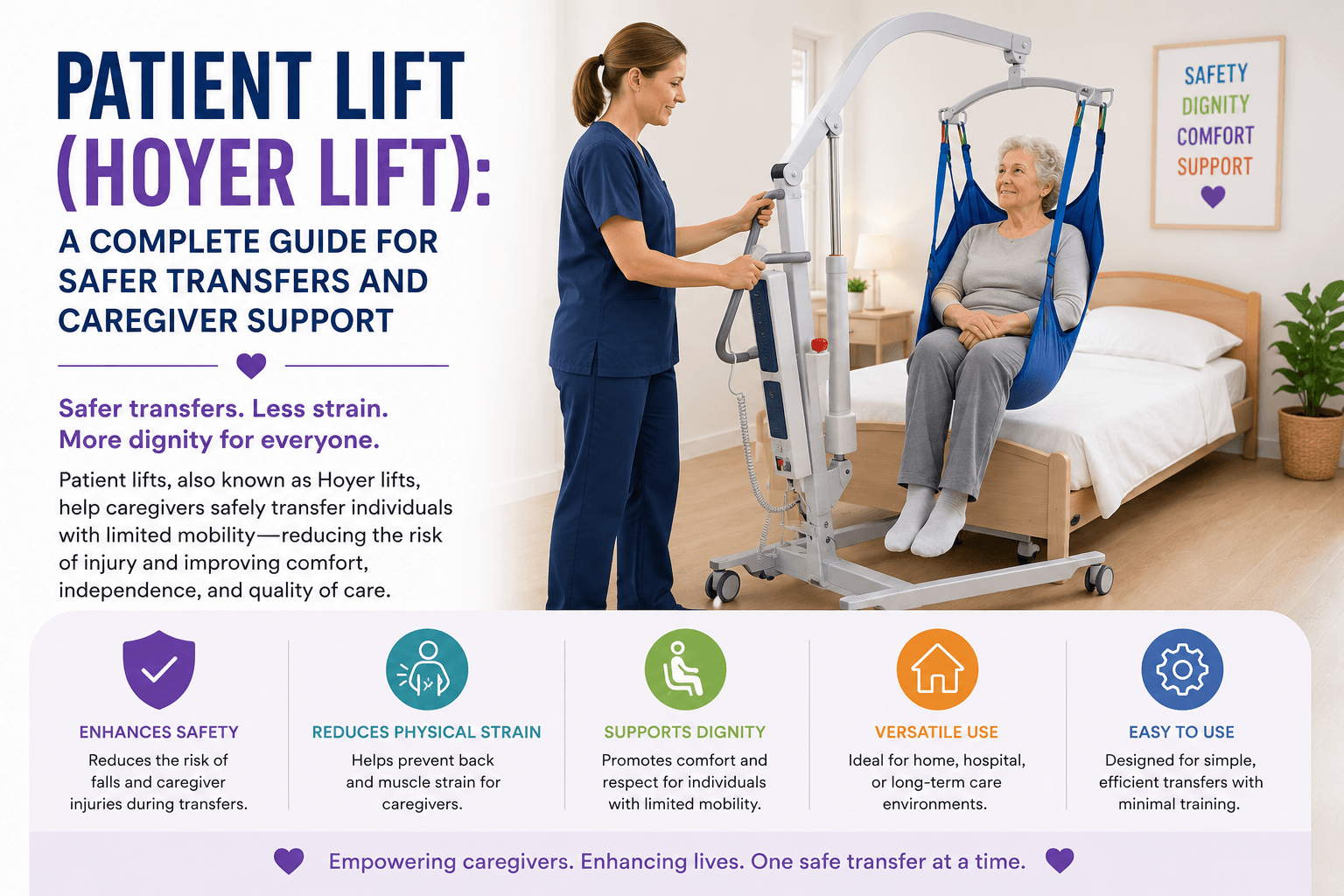
- Patient lifts
- Wheelchair ramps
- Canes and crutches
- Standers
- Supportive seating
Explore Mobility Products, Wheelchairs, Special Needs Strollers, Gait Trainers, Transfer Aids, and Lifts and Slings.
Meywalk 2000 Small Gait Trainer
$5,175.00
$5,750.00
The new Junior sized Small Meywalk gait trainer is now available!Small Meywalk designed for a child of approx 7-11 years of age. The Small Meywalk, like the larger Medium and Large Meywalk gait trainers, provides a dynamic assisted lift during… read more

Household Chores and Home Management Skills
Household chores can help individuals practice independence, sequencing, responsibility, motor skills, and participation in family routines. Chores should be matched to the person’s ability, safety level, and interests.
Household skills may include:
- Sorting laundry
- Folding towels
- Putting clothes in a hamper
- Wiping tables
- Organizing toys
- Feeding household routines with support
- Putting dishes away
- Matching socks
- Making a bed
- Sweeping with adapted tools
- Using labels or picture systems
- Following a chore checklist
Helpful supports may include:
- Visual checklists
- Color coded bins
- Adaptive grips
- Reachers
- Lightweight tools
- Step by step routines
- Timers
- Task baskets
- Picture labels
Explore Reachers, Grips and Holders, and Daily Living Aids.
Raptor Reacher
$20.15
This all-plastic reacher is low cost, durable and lightweight. Unlike other reachers, Raptor features a contemporary design. The jaw opens a full 2-1/2", and provides a tight grip on even the smallest items, such as coins, or bulky things, like… read more

Communication and Social Daily Living Skills
Communication is a daily living skill because it helps people express needs, make choices, ask for help, participate socially, and advocate for themselves.
Communication and social skills may include:
- Requesting help
- Making choices
- Saying yes or no
- Communicating pain or discomfort
- Asking for a break
- Greeting others
- Following social routines
- Using AAC
- Using picture cards
- Sharing preferences
- Participating in group activities
- Understanding visual supports
Assistive technology and communication tools may support individuals who are non speaking, minimally speaking, or who need extra help expressing needs.
Explore AAC and Communication, Choice Making, Single Message Communicators, Sequential Communicators, and Assistive Technology.
AbleNet QuickTalker FT 12 Communication Device – AAC Speech Generating Device
$265.00
Simple, Reliable Communication for Everyday Interactions The AbleNet QuickTalker FT 12 Communication Device, model 10000037, is a durable, easy-to-use AAC (Augmentative and Alternative Communication) device designed to help individuals with speech and language challenges communicate effectively. Featuring 12 message locations… read more

How to Use a Daily Living Skills Checklist
A daily living skills checklist helps caregivers, therapists, teachers, and support teams identify which skills a person can do independently, which skills need support, and which skills may be ready for practice.
A daily living skills checklist may include categories such as:
- Personal hygiene
- Dressing
- Toileting
- Feeding
- Mobility
- Transfers
- Communication
- Home routines
- Safety
- Community participation
- Meal preparation
- Chores
- Self advocacy
When using a checklist, look beyond whether the person can complete the task. Also consider how much help is needed, what prompts work, what adaptive tools are used, how consistent the skill is, and whether the skill transfers to different settings.
What Is a Functional Life Skills Checklist and How Does It Differ?
A functional life skills checklist often includes broader independence skills beyond basic self care. While a daily living skills checklist may focus heavily on ADLs, a functional life skills checklist may include home management, community safety, money skills, employment readiness, communication, transportation, and social participation.
A functional life skills checklist pdf may be useful when planning long term goals for teens, adults, transition programs, vocational programs, or independent living support.
A daily living skills checklist is often most useful for basic routines and self care. A functional life skills checklist is often better for broader life planning.
Daily Living Skills Checklist for Autism: Key Considerations
A daily living skills checklist autism support plan should consider more than task completion. Autism can affect sensory processing, communication, transitions, flexibility, executive functioning, motor planning, and anxiety.
When using a daily living skills checklist for autism, consider:
- Sensory triggers
- Preferred routines
- Visual supports
- Communication method
- Prompting style
- Need for predictability
- Transition difficulty
- Motor planning needs
- Fine motor challenges
- Food texture preferences
- Bathroom sensory concerns
- Clothing sensitivities
- Safety awareness
- Need for breaks
- Reinforcement strategies
For example, a child may know how to brush their teeth but avoid the task because of toothpaste flavor, brush texture, bathroom lighting, or sound sensitivity. The checklist should capture those barriers so the support plan is realistic.
Daily Living Skills Checklist for Adults With Disabilities
A daily living skills checklist for adults should focus on independence, dignity, safety, and participation in adult routines. It may include basic self care along with home, community, communication, and care coordination skills.
A daily living skills checklist for adults may include:
- Personal hygiene
- Bathing
- Toileting
- Dressing
- Meal preparation
- Medication routine participation
- Mobility
- Transfers
- Home safety
- Laundry
- Cleaning
- Communication
- Technology use
- Community navigation
- Money management with support
- Appointment participation
- Transportation routines
- Work or day program routines
- Self advocacy
- Emergency planning
Adult checklists should respect the person’s preferences, goals, culture, privacy, and support needs.
How to Download and Use a Daily Living Skills Checklist PDF
A daily living skills checklist pdf can be helpful for organizing goals and tracking progress. Families, therapists, teachers, and care teams can use a checklist during planning meetings, therapy sessions, home practice, IEP discussions, transition planning, or caregiver training.
To use a checklist effectively:
- Choose a checklist that matches the person’s age and needs
- Start with a few priority routines
- Mark what the person can do independently
- Note what type of help is needed
- Identify adaptive tools already used
- Add sensory or communication barriers
- Choose one or two skills to practice first
- Break skills into smaller steps
- Track progress over time
- Update goals as skills improve
- Share the checklist with the care team
A checklist should guide support, not limit expectations. Skills can be revisited as the person grows, changes, or gains access to better tools.
Best Adaptive Equipment and Tools to Support Daily Living Skills
Adaptive equipment can reduce barriers and make daily living skills more achievable. The goal is to support participation, comfort, safety, and independence.
Bathing and Toileting Aids: Promoting Hygiene Independence
Bathing and toileting aids can support safety, privacy, caregiver access, and dignity during personal care routines.
Helpful equipment may include:
- Shower chairs
- Bath chairs
- Commode chairs
- Over the toilet chairs
- Transfer benches
- Grab bars
- Handheld shower heads
- Non slip surfaces
- Long handled sponges
- Toileting supports
- Bathing support chairs
Explore Bathing Products, Toileting Products, Shower Chairs, Bath Chairs, and Bathing and Toileting.
Adaptive Seating and Positioning Equipment
Seating and positioning can affect almost every daily living task. A person who is not seated comfortably may have more difficulty using their hands, eating, communicating, learning, or participating.
Adaptive seating and positioning may support:
- Trunk stability
- Head control
- Hip positioning
- Foot support
- Upright posture
- Safe feeding
- Hand use
- Visual attention
- Comfort
- Pressure management
- Caregiver access
Helpful products may include adaptive chairs, positioning cushions, seating systems, activity chairs, mobile seating, standers, and support accessories.
Explore Adaptive Seating, Chairs and Seating, Positioning Products, and Standers and Standing Aids.
Daily Living Aids for Fine Motor Tasks: Feeding, Dressing, Writing
Fine motor challenges can make daily routines more difficult. Adaptive tools can help with grip, stability, control, reach, and positioning.
Helpful tools may include:
- Built up utensils
- Angled utensils
- Weighted utensils
- Universal cuffs
- Non slip mats
- Plate guards
- Scoop dishes
- Adaptive cups
- Pencil grips
- Slant boards
- Adaptive scissors
- Button hooks
- Zipper pulls
- Sock aids
- Reachers
- Adaptive handles
Explore Utensils, Grips and Holders, Handwriting Tools, Scissors and Cutting Aids, and Reachers.
Special Needs Clothing for Easier Dressing and Grooming
Adaptive clothing can make dressing more accessible for people who struggle with fasteners, limited range of motion, sensory sensitivities, wheelchair use, braces, or caregiver assisted dressing.
Helpful adaptive clothing features may include:
- Magnetic closures
- Velcro closures
- Elastic waistbands
- Open back designs
- Side opening pants
- Tagless fabrics
- Soft materials
- Larger openings
- Easy pull tabs
- Seated wear designs
- Clothing that works with braces or medical devices
Mobility Equipment to Support Independence at Home and in the Community
Mobility equipment can support daily living skills by helping individuals access the bathroom, bedroom, kitchen, classroom, therapy space, workplace, or community.
Helpful mobility equipment may include:
- Wheelchairs
- Special needs strollers
- Gait trainers
- Walkers
- Canes
- Crutches
- Transfer aids
- Patient lifts
- Standers
- Wheelchair ramps
- Power scooters
Explore Mobility Products, Wheelchairs, Special Needs Strollers, Gait Trainers, Transfer Aids, and Wheelchair Ramps.
Sensory and Deep Pressure Tools That Support Regulation for Daily Tasks
Sensory regulation can affect daily living skills. A person may have the physical ability to complete a task but struggle because the sensory environment is overwhelming.
Sensory tools may support regulation before or during routines such as dressing, grooming, bathing, eating, schoolwork, transitions, or community outings.
Helpful sensory tools may include:
- Weighted lap pads
- Weighted blankets
- Compression tools
- Fidgets
- Chewable sensory tools
- Sensory seating
- Deep pressure products
- Tactile tools
- Calming sensory products
- Noise reducing tools
- Sensory room equipment
- Movement tools
Explore Weighted Products, Deep Pressure Products, Sensory Products, Calming Sensory Products, and Sensory Motor Tools.
Activities of Daily Living Exercises: Practical Strategies for Home and Therapy
Activities of daily living exercises are practical ways to practice daily routines in small, manageable steps. These exercises are often most effective when they are built into real routines instead of practiced only as isolated activities.
Examples of activities of daily living exercises include:
- Practicing handwashing steps before meals
- Pulling socks over toes during dressing
- Scooping dry cereal with an adaptive spoon
- Opening and closing clothing fasteners
- Reaching for grooming tools
- Transferring from chair to bed with support
- Practicing toothbrushing with a visual timer
- Matching utensils to place settings
- Sorting laundry by color
- Pouring water from a small pitcher
- Wiping a table after snacks
- Following a picture recipe
- Practicing bathroom routines with a visual checklist
The best exercises are meaningful, repeatable, and connected to everyday life.
Task Analysis: Breaking Down Daily Living Skills Into Manageable Steps
Task analysis means breaking a larger skill into smaller teachable steps. This can make daily living skills easier to teach and easier to track.
For example, brushing teeth can be broken into:
- Go to the sink
- Get toothbrush
- Put toothpaste on brush
- Turn on water
- Wet toothbrush
- Brush top teeth
- Brush bottom teeth
- Spit
- Rinse mouth
- Rinse toothbrush
- Put toothbrush away
- Wipe mouth
A caregiver, therapist, or teacher can teach one step at a time, provide prompts, fade support gradually, and celebrate progress.
Using Visual Schedules and Checklists to Reinforce Routines
Visual schedules and checklists can help individuals understand what to do, what comes next, and when a routine is finished. They are especially helpful for individuals with autism, communication delays, cognitive disabilities, anxiety, or difficulty with transitions.
Visual supports may include:
- Picture schedules
- First then boards
- Written checklists
- Step cards
- Routine charts
- Timers
- Choice boards
- Visual recipes
- Bathroom routine charts
- Dressing sequence cards
Visual tools can reduce verbal prompting and help the person participate more independently.
Practicing ADL Skills in Natural Environments
Daily living skills are often easiest to generalize when they are practiced in real environments. A person may practice handwashing at the actual sink, dressing in their bedroom, eating at the family table, using mobility equipment in the home, or setting the table before a real meal.
Tips for natural practice include:
- Practice during real routines
- Start with one small step
- Use the same tools consistently
- Keep supplies in the same place
- Offer visual supports
- Give enough time
- Use simple language
- Avoid rushing
- Adapt the environment
- Celebrate participation
- Build on strengths
- Repeat often
Small daily practice can lead to meaningful progress over time.
Why Daily Living Skills Are Important
Daily living skills support independence, dignity, confidence, and participation across home, school, therapy, work, and community life. Whether the goal is brushing teeth, getting dressed, using adaptive utensils, transferring safely, communicating needs, or completing household routines, the right combination of teaching strategies and adaptive tools can make daily life more accessible.
A daily living skills checklist, functional life skills checklist pdf, daily living skills checklist autism plan, or daily living skills checklist for adults can help caregivers and professionals identify strengths, barriers, and next steps. Activities of daily living exercises, task analysis, visual schedules, and real life practice can turn large goals into manageable steps.
Explore Daily Living Aids, Bathing and Toileting, Adaptive Seating, Mobility Products, Assistive Technology, and Sensory Products at eSpecial Needs to find adaptive tools that support independence in everyday routines.
FAQs
What are daily living skills?
Daily living skills are the everyday skills people use to care for themselves, participate in routines, and manage life at home, school, work, therapy, and in the community.
Daily living skills may include personal hygiene, bathing, toileting, dressing, grooming, eating, mobility, transfers, communication, household chores, meal preparation, and community participation.
What is a daily living skills checklist for adults?
A daily living skills checklist for adults focuses on independence, dignity, safety, and participation in adult routines. It may include self care, home management, mobility, communication, community access, work routines, day program routines, and self advocacy.
Adult checklists should respect personal preferences, privacy, goals, culture, and support needs.
What should a daily living skills checklist for adults include?
A daily living skills checklist for adults may include:
- Bathing
- Grooming
- Toileting
- Dressing
- Meal preparation
- Eating and drinking
- Medication routine participation
- Mobility
- Transfers
- Home safety
- Laundry
- Cleaning
- Communication
- Technology use
- Transportation routines
- Appointment participation
- Work or day program routines
- Money management with support
- Self advocacy
- Emergency planning
Who can benefit from daily living skills support?
Daily living skills support may benefit children, teens, and adults with autism, cerebral palsy, Down syndrome, intellectual disabilities, developmental delays, sensory processing differences, motor delays, neurological conditions, mobility limitations, brain injuries, or complex medical needs.
Support may also benefit seniors, caregivers, schools, therapy clinics, and adult care programs.
What are the 7 activities of daily living?
The 7 activities of daily living are basic self care tasks that help a person maintain health, hygiene, safety, and everyday independence.
They commonly include:
- Bathing
- Dressing
- Grooming
- Toileting
- Eating and feeding
- Mobility
- Transferring
Some care teams may use slightly different categories. For example, grooming and personal hygiene may be grouped together, while continence may be listed separately. The main goal is to understand how much support a person needs with essential daily routines.
What are instrumental activities of daily living?
Instrumental activities of daily living are more complex daily tasks that support independence at home and in the community. They go beyond basic self care and often require planning, problem solving, communication, memory, organization, or mobility.
Instrumental activities of daily living may include:
- Preparing meals
- Managing medications with support when needed
- Cleaning
- Laundry
- Shopping
- Using transportation
- Managing money
- Using the phone or technology
- Scheduling appointments
- Organizing belongings
- Completing household chores
- Participating in community routines
For children and teens, these skills may be taught gradually. For adults with disabilities, they may be supported with visual checklists, adaptive equipment, assistive technology, caregiver support, or structured routines.
How are activities of daily living assessed?
Activities of daily living are assessed by looking at how a person completes everyday self care tasks and how much help they need. Assessments may be completed by occupational therapists, physical therapists, nurses, physicians, case managers, caregivers, school teams, or other care professionals.
An ADL assessment may review whether the person can:
- Complete the task independently
- Complete the task with verbal prompts
- Complete the task with visual supports
- Complete the task with adaptive equipment
- Complete part of the task
- Complete the task with hands on assistance
- Complete the task only with full caregiver support
- Complete the task safely and consistently across settings
The assessment may include observation, caregiver interviews, checklists, standardized tools, home safety reviews, school reports, and therapy evaluations.
What are the levels of impairment in activities of daily living?
Levels of impairment in activities of daily living describe how much support a person needs to complete everyday self care tasks. The exact wording may vary by provider, school, insurer, or assessment tool, but common levels include:
- Independent: The person completes the task safely without help
- Modified independent: The person completes the task using adaptive equipment, extra time, or environmental supports
- Supervision or setup help: The person needs someone nearby, reminders, or supplies prepared
- Minimal assistance: The person does most of the task but needs a small amount of hands on help
- Moderate assistance: The person completes part of the task but needs regular hands on help
- Maximal assistance: The caregiver does most of the task, while the person participates in a small part
- Total assistance or dependent: The caregiver completes the task for the person
These levels help care teams understand independence, safety, caregiver workload, therapy needs, and equipment needs.