Creating a soft play sensory room for children is an incredible way to nurture their development in a safe and engaging environment. We will delve into the numerous benefits such a space offers, mainly focusing on cognitive development and growth, motor skills enhancement, problem-solving abilities, relaxation, language acquisition, and social skills development. Additionally, we will recommend the types of equipment that can be included in these sensory rooms to maximize their effectiveness.
1. Cognitive Development and Growth
Soft play sensory rooms are exceptional tools for cognitive development in children. These rooms provide a variety of stimuli that help children process information through their senses. Sensory play strengthens brain development by creating neural pathways that improve a child's ability to complete more complex learning tasks. This can improve memory, attention span, and decision-making skills.
Recommended Equipment:
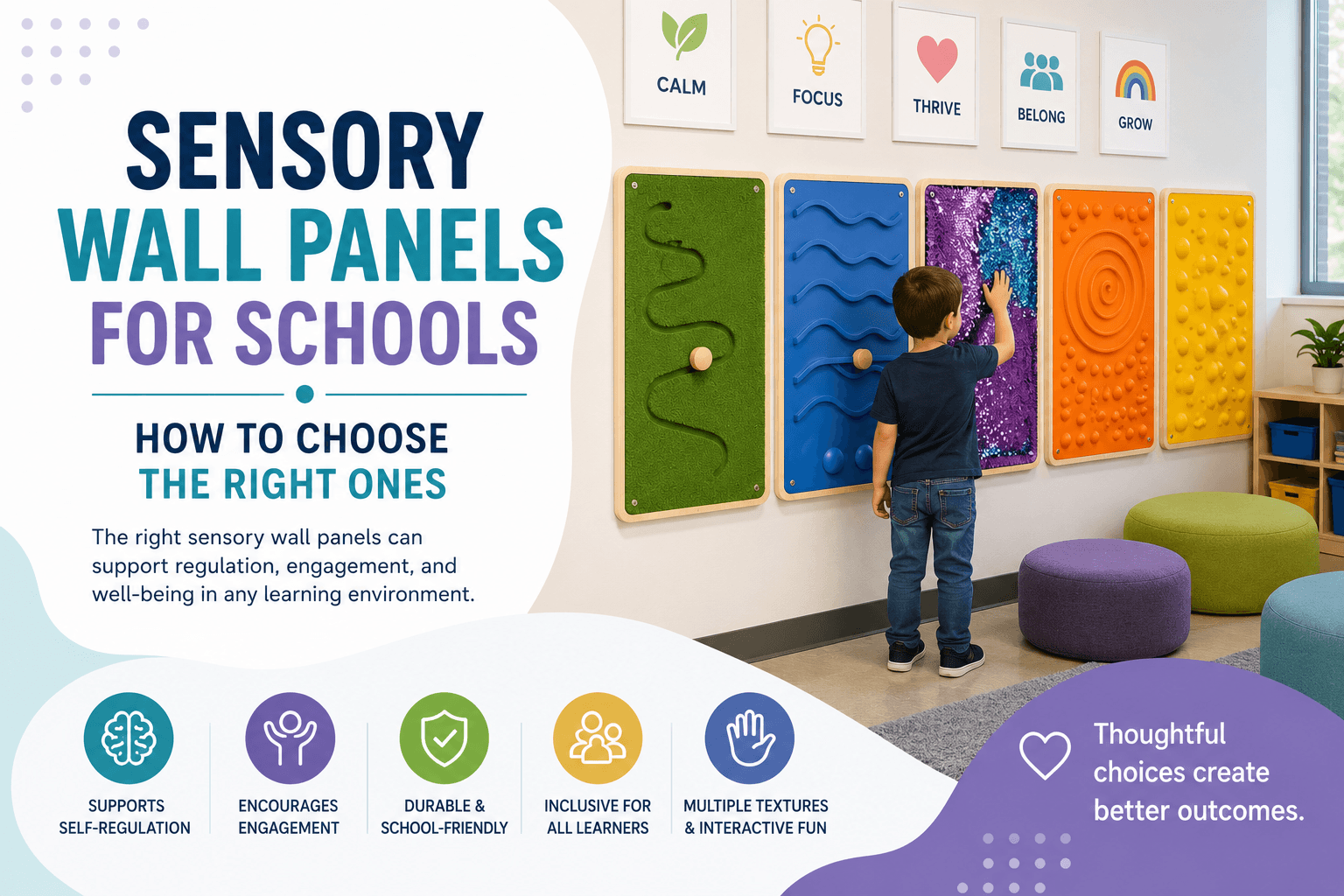
- Interactive Wall Panels: These panels come with various textures, colors, and patterns that stimulate visual and tactile senses.
- Light Tubes and Fiber Optics: These lighting elements can change colors and patterns, aiding in visual tracking and perception skills.
2. Enhancement of Motor Skills
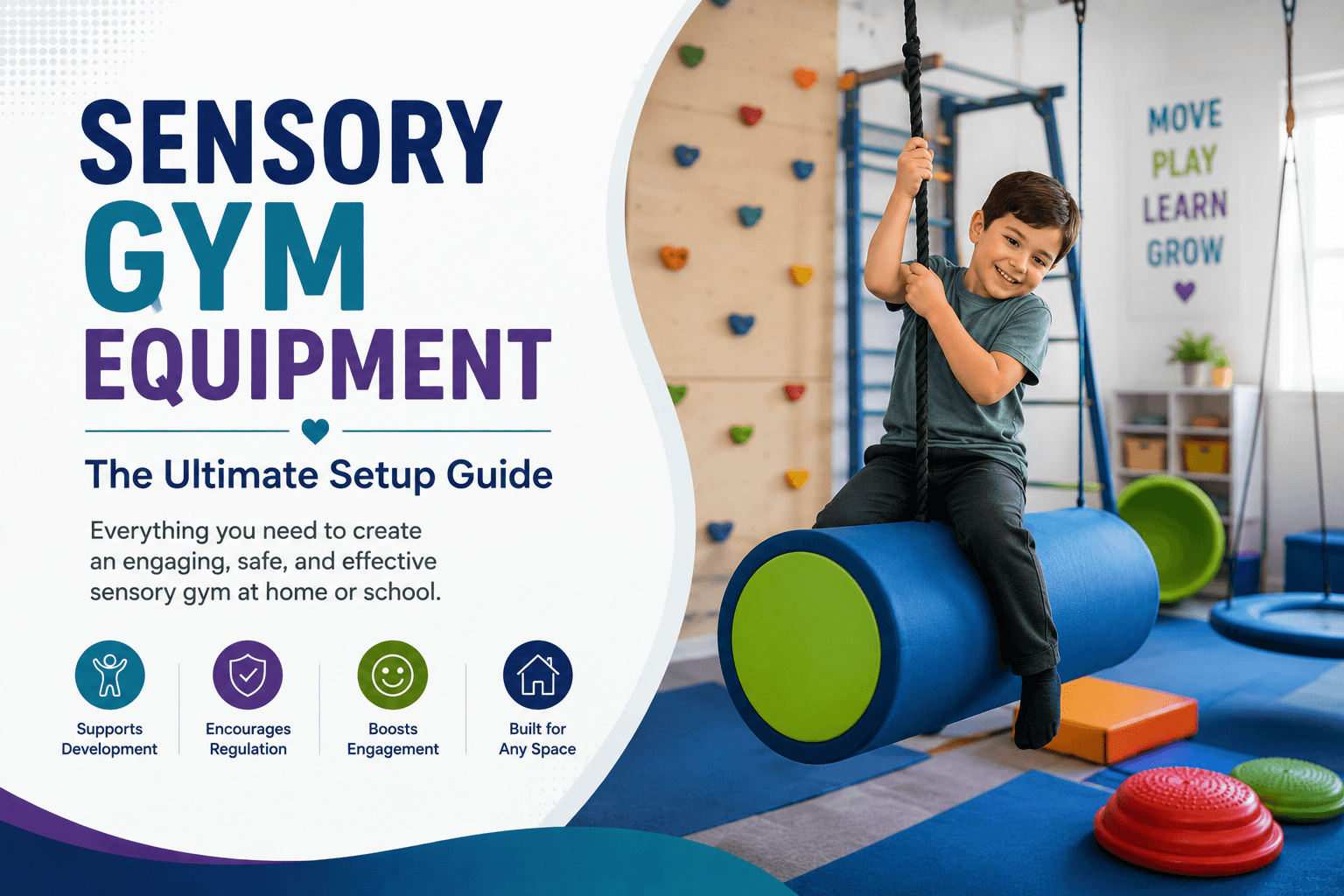
Motor skills, both fine and gross, are critical for a child's overall development. A sensory room with soft play equipment allows children to engage in activities that build strength, coordination, and balance.
Recommended Equipment:
- Soft Play Blocks and Shapes: These can be stacked, arranged, or moved, aiding in developing fine motor skills and hand-eye coordination.
- Balance Beams and Soft Mats: These encourage gross motor skills like walking, jumping, and balancing.
3. Problem Solving Abilities
Soft play sensory rooms are not just about physical activities; they also offer excellent opportunities for children to develop problem-solving skills. Through interactive play, children learn to experiment, understand cause and effect, and develop solutions to challenges.
Recommended Equipment:
- Puzzle Mats: Children must think and strategize as they fit pieces together.
- Interactive Games: Certain games that require problem-solving and strategic thinking can be set up.
4. Relaxation and Stress Relief
Sensory rooms are designed for active play and relaxation, crucial for children's emotional well-being. In these calming environments, children can de-stress and manage sensory overload, which is particularly beneficial for children with special needs, such as those on the autism spectrum.
Recommended Equipment:
- Soft Lighting and Projectors: Creating a soothing atmosphere with visuals like stars or underwater scenes.
- Bean Bags and Soft Seating: Providing a comfortable space for children to relax and unwind.
5. Language Development
Engaging in play in a sensory room can also foster language development. As children interact with various stimuli, they learn new words and concepts, enhancing their vocabulary and communication skills.
Recommended Equipment:
- Story Corners: A section with books and storytelling aids.
Sound-Producing Toys: Instruments or toys that make sounds encourage vocalization and listening skills.
6. Social Skills Development
Soft play sensory rooms are also excellent environments for developing social skills. Children learn to share, take turns, communicate, and play cooperatively with others in a shared space, which is crucial for their social and emotional development.
Recommended Equipment:
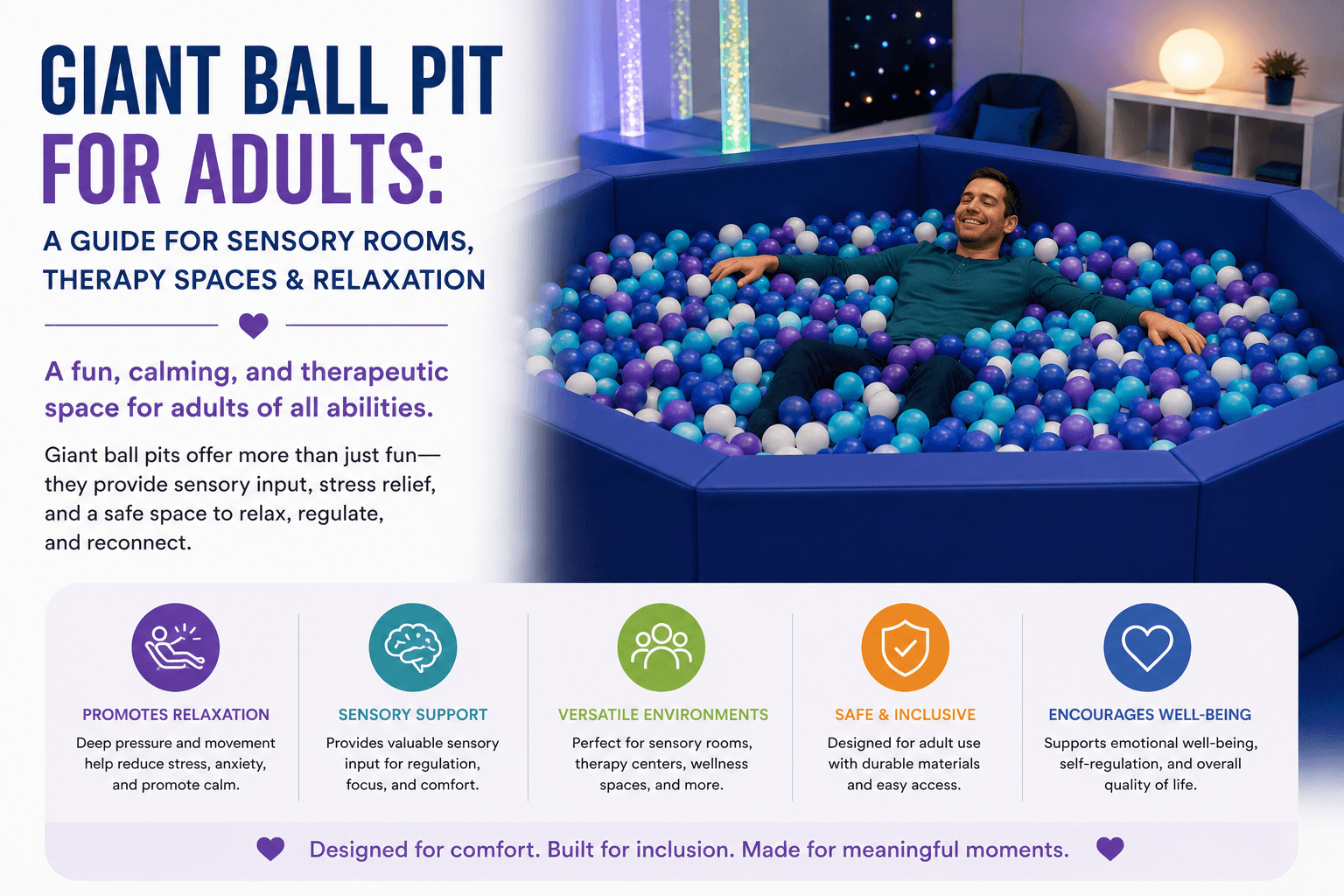
- Group Play Elements include ball pits or large construction blocks encouraging cooperative play.
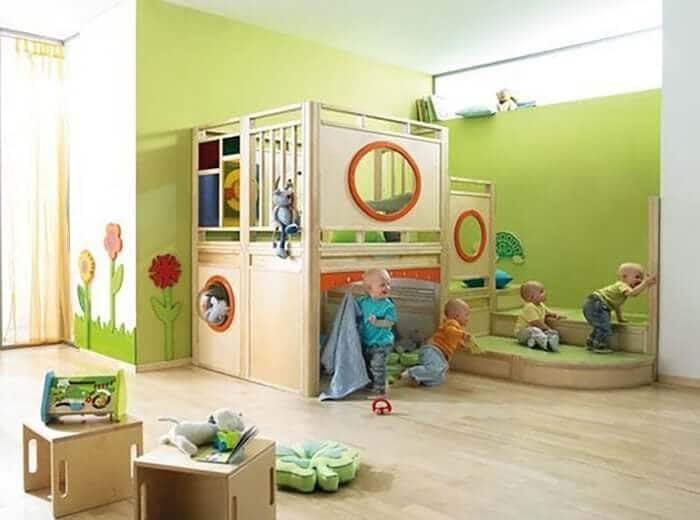
- Role-Playing Areas: Spaces where children can engage in pretend play, which is great for social interaction.
Conclusion
A soft play sensory room is a valuable addition to any educational or recreational setting for children. It offers a safe and stimulating environment for physical activity and significantly contributes to a child's cognitive, social, emotional, and language development. By carefully selecting equipment that caters to various aspects of child development, these rooms can become a cornerstone for nurturing young minds and bodies.
Through thoughtful design and the incorporation of diverse and engaging equipment, a sensory room can be a magical place where children learn, grow, and thrive in all aspects of their development.