Table of Contents
- What Are Sensory Integration Tools?
- The Science Behind Sensory Integration Therapy
- How Sensory Integration Tools Differ From Regular Toys and Equipment
- Who Can Benefit From Sensory Integration Tools?
- Children With Sensory Processing Differences
- Sensory Products for Autism: Addressing Unique Sensory Profiles
- Sensory Activities and Tools for Adults With Sensory Challenges
- Recognizing Signs That Your Child May Need Sensory Support
- Sensory Seeking Behaviors and the Tools That Help
- Sensory Avoiding Behaviors and the Tools That Calm
- The Complete Beginner's Breakdown of Sensory Integration Tools
- Deep Pressure Sensory Tools for Adults and Children
- Sensory Motor Tools for Gross Motor Development and Body Awareness
- Tactile Sensory Products: Textures, Fidgets, and Touch Based Tools
- Vestibular and Proprioceptive Equipment: Swings, Rockers, and More
- Visual and Auditory Sensory Products for Calm and Focus
- Sensory Products for Autism: Category by Category Recommendations
- Setting Up a Sensory Friendly Space at Home
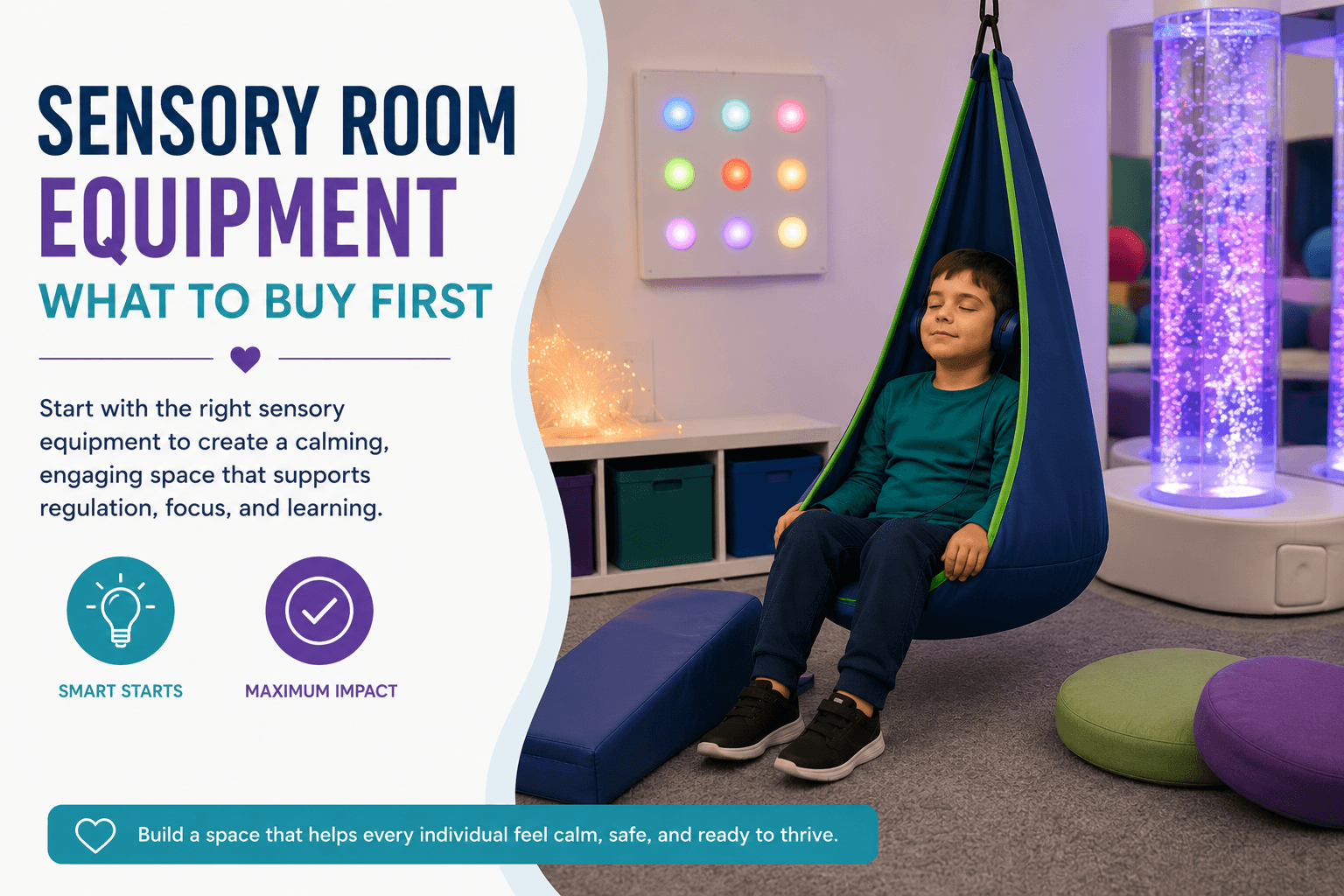
- What to Include in a Home Sensory Corner or Sensory Room
- Indoor Therapy Gym Equipment for Everyday Use
- Sensory Wall Panels and Environmental Tools
- How to Create a Sensory Diet Using the Right Tools
- What Is a Sensory Diet and How Does It Work?
- Sensory Activities for Adults: Adapting Tools Beyond Childhood
- Sample Daily Sensory Routine for Home and School
- How to Choose the Right Sensory Integration Tools for Your Child
- Partnering With an Occupational Therapist for Equipment Guidance
- Age Appropriate Sensory Tool Selection Tips
- Safety Considerations When Buying Sensory Products Online
- Funding, Financing, and Saving on Sensory Products
- Using Letters of Medical Necessity for Sensory Equipment
- Medicaid, Insurance, and Other Funding Options
- Price Match Guarantees and Flexible Financing for Families
- Why eSpecial Needs Is Your Go To Source for Sensory Integration Tools
- Expert Quote Requests and Personalized Product Recommendations
- A Broad Catalog of Sensory Products for Every Need and Budget
- Start Shopping Sensory Integration Tools Today
- FAQs
Sensory Integration Tools: A Parent's Starter Guide
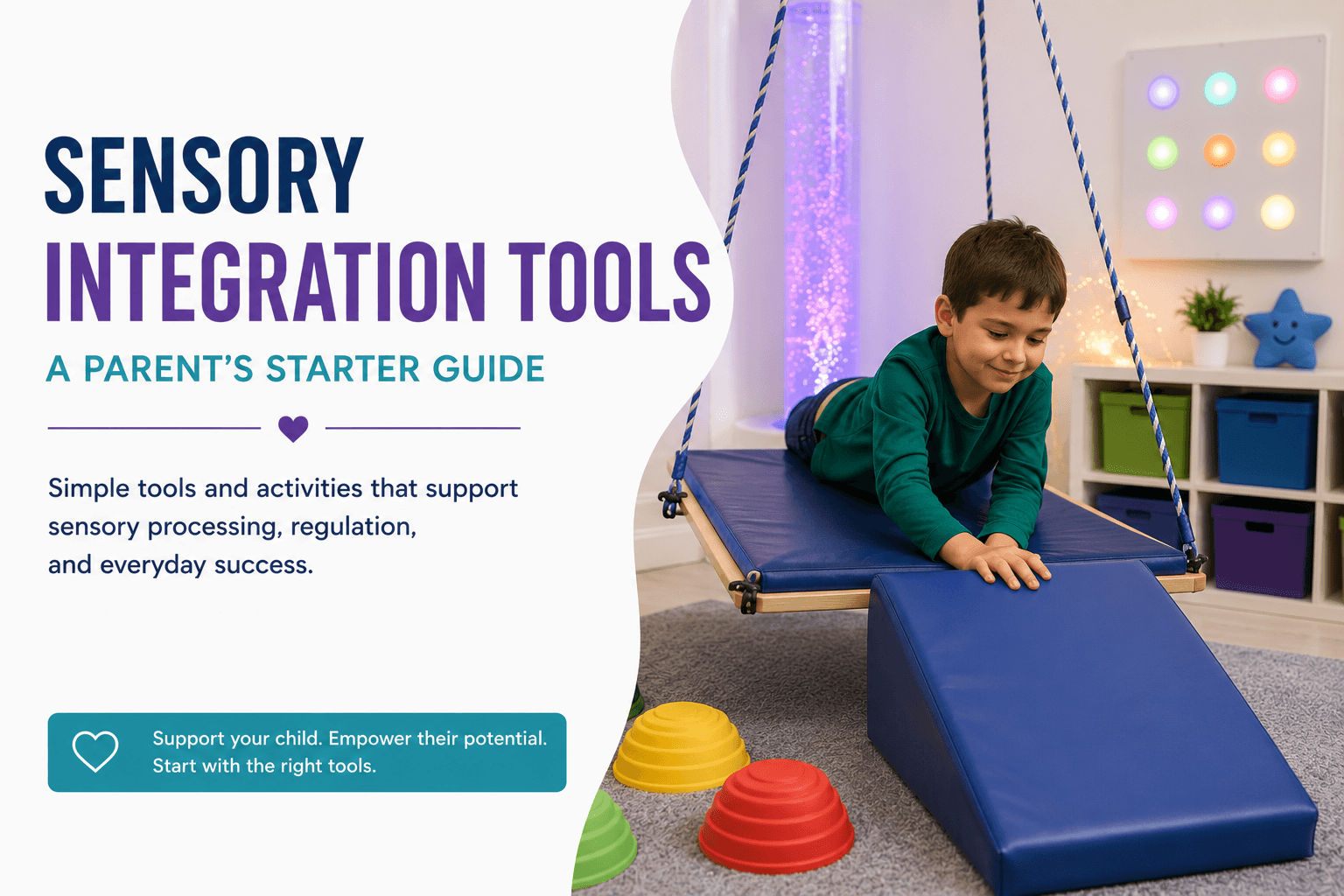
Sensory integration tools can help children explore movement, touch, sound, visual input, and body awareness in ways that feel more organized, calming, or engaging. For parents who are just beginning to learn about sensory needs, it can be hard to know where to start. There are many sensory products available, but the best choices depend on what your child enjoys, avoids, seeks out, and needs help managing during everyday routines.
Some children need more movement before they can sit for meals, schoolwork, or a car ride. Others may need quiet sensory tools that help them settle after a loud or busy activity. Some may benefit from deep pressure, tactile play, visual calming tools, or a predictable sensory routine throughout the day.
Sensory integration tools are not meant to change who your child is. They are meant to provide supportive options that may help your child feel more comfortable, participate more fully, and build skills through play, movement, and daily activities.
Families, schools, therapists, and care teams can explore Sensory Motor Tools, Sensory Room Equipment, Sensory Bundles and Kits, Tactile Stimulation Products, Therapy and Exercise Balls, and Vestibular Motion Products through eSpecial Needs.
What Are Sensory Integration Tools?
Sensory integration tools are products designed to support sensory exploration, movement, calming, focus, body awareness, fine motor skills, and participation in daily routines. They may provide input through touch, pressure, movement, sound, light, texture, balance, or physical activity.
Common sensory integration tools include:
Weighted lap pads and weighted blankets
Compression products
Fidget tools
Putty and tactile toys
Therapy balls
Balance tools
Sensory swings
Rockers
Crash pads
Bubble tubes
Fiber optic lights
Sensory wall panels
Visual timers
Noise reducing products
Sensory seating
Fine motor activities
Sensory bins and kits
The purpose of these tools is not to provide constant stimulation. The goal is to give children appropriate sensory choices that may help them regulate, engage, move, rest, learn, and participate.

The Science Behind Sensory Integration Therapy
Every person receives sensory information from the world around them and from their own body. The brain processes input from touch, movement, sound, sight, smell, taste, balance, muscles, and joints.
For some children, sensory information can feel difficult to organize. They may become overwhelmed by noise, avoid certain textures, seek constant movement, chew on objects, struggle with transitions, have difficulty sitting still, or react strongly to everyday sensations.
Sensory integration therapy is often guided by an occupational therapist. It uses structured activities and sensory input to support participation in daily life. A therapist may recommend specific activities or tools based on how a child responds to movement, pressure, touch, sound, visual input, and motor tasks.
Sensory tools can be useful at home, school, or in therapy when they are chosen for a clear purpose and used safely. A product that helps one child may not be helpful for another, so observation and professional guidance matter.
How Sensory Integration Tools Differ From Regular Toys and Equipment
Many regular toys provide sensory experiences, but sensory integration tools are often designed with a more specific purpose in mind. They may support movement, body awareness, tactile exploration, deep pressure, balance, fine motor skills, or structured sensory routines.
For example:
A standard ball may be used for play, while a therapy ball may support balance, core strength, movement breaks, and body awareness.
A regular chair may provide a place to sit, while sensory seating may offer rocking, wobbling, deep pressure, or a defined calming space.
A typical toy may be entertaining, while a tactile tool may encourage squeezing, pulling, pressing, rolling, or fine motor practice.
A regular light may brighten a room, while a bubble tube or fiber optic light may provide controlled visual input for calming or engagement.
Sensory products should still be enjoyable. The difference is that they are selected around a child’s needs, routines, and sensory profile.

Who Can Benefit From Sensory Integration Tools?
Sensory integration tools may benefit children, teens, and adults with a wide range of needs. They can also be helpful for people without a diagnosis who benefit from structured movement, calming input, sensory breaks, or hands on activities.
Sensory products are commonly used by individuals with:
Autism
Sensory processing differences
ADHD
Developmental delays
Down syndrome
Cerebral palsy
Low muscle tone
Fine motor challenges
Motor planning differences
Anxiety
Learning differences
Intellectual disabilities
Brain injury
Mobility limitations
Communication needs
The best sensory tools are based on the individual. A diagnosis may provide helpful context, but it should not be the only factor used to choose equipment.
Children With Sensory Processing Differences
Children with sensory processing differences may react more strongly or less strongly to certain types of input. Some children may seek movement, pressure, texture, or sound. Others may avoid loud noise, bright lights, messy textures, certain clothing, or unexpected touch.
Sensory integration tools may help support children who:
Need frequent movement breaks
Have trouble sitting for daily tasks
Seek jumping, crashing, climbing, or spinning
Avoid certain textures
Become overwhelmed in busy environments
Struggle with transitions
Chew on clothing or objects
Need support with body awareness
Have difficulty calming after active play
Benefit from predictable routines
Parents do not need to solve every sensory need at once. Start by noticing patterns and choosing one or two tools that fit the most difficult part of the day.
Sensory Products for Autism: Addressing Unique Sensory Profiles
Sensory products for autism should be selected around the person’s individual preferences and needs. Some autistic children enjoy intense movement, tactile input, deep pressure, visual stimulation, or repetitive sensory activities. Others may prefer low stimulation spaces, quiet activities, dim lighting, and predictable routines.
A child who seeks movement may enjoy:
Therapy balls
Rockers
Balance tools
Swings
Crash pads
Tunnels
Heavy work activities
Active sensory motor tools
A child who prefers calmer input may enjoy:
Weighted lap pads
Soft sensory seating
Fiber optic lights
Bubble tubes
Quiet fidgets
Tactile panels
Visual timers
A calm sensory corner
The most helpful sensory products for autism are often the ones that can be used regularly during real routines, such as before school, after school, before meals, during homework, or before bedtime.
Large Razzle-Dazzle Marble LED Sensory Wall Panel - Visual & Tactile Stimulation
$1,500.00
$1,650.00
The Large Razzle-Dazzle Marble LED Sensory Wall Panel is an interactive sensory wall panel designed to support visual, tactile, and auditory stimulation in sensory rooms, therapy spaces, classrooms, and care environments. With more than 2,000 colored marbles, built-in LED lighting,… read more

Sensory Activities and Tools for Adults With Sensory Challenges
Sensory needs do not end in childhood. Sensory activities for adults can support comfort, focus, relaxation, movement, and emotional regulation at home, at work, in supported living settings, or in day programs.
Adults may use sensory tools for:
Stress management
Workplace breaks
Quiet time
Relaxation routines
Concentration
Tactile input
Movement breaks
Anxiety support
Community participation
Daily living routines
Helpful sensory items for adults with autism may include adult sized weighted lap pads, durable fidgets, calming lights, visual projectors, tactile wall panels, therapy balls, comfortable seating, sound management tools, and adult appropriate movement equipment.
When shopping for autism products for adults, consider comfort, privacy, body size, weight capacity, durability, and whether the product fits naturally into an adult home, office, lounge, or shared space.
Recognizing Signs That Your Child May Need Sensory Support
Every child has preferences, and sensory differences can look different from one child to another. Some behaviors may suggest that a child could benefit from additional sensory support or an occupational therapy evaluation.
Possible signs include:
Frequently seeking movement
Constant jumping, crashing, or climbing
Difficulty sitting for meals or schoolwork
Covering ears during everyday sounds
Avoiding messy play or certain clothing textures
Chewing on clothing, pencils, or toys
Becoming upset in crowded or noisy places
Struggling with transitions
Needing intense pressure such as tight hugs
Bumping into people or furniture often
Difficulty judging personal space
Becoming overwhelmed after school or community outings
Needing repeated movement to stay focused
Difficulty calming after exciting activities
These signs do not automatically mean a child has a sensory disorder. They can be helpful observations to share with a pediatrician, occupational therapist, teacher, or other qualified professional.
Sensory Seeking Behaviors and the Tools That Help
Sensory seeking behaviors happen when a child looks for more input through movement, pressure, touch, sound, or visual activity. A sensory seeking child may appear constantly active, enjoy rough play, seek tight squeezes, spin, jump, touch everything, chew on objects, or look for intense movement.
Helpful sensory integration tools may include:
Therapy balls
Balance boards
Body socks
Crash pads
Sensory swings
Rockers
Tactile tools
Resistance activities
Weighted lap pads
Tunnels
Scooters
Gross motor equipment
The goal is to provide safe, structured ways to access the input the child is seeking. For example, a child who jumps on furniture may benefit from planned movement breaks, a safe crash pad, or a therapy ball activity.
Sensory Avoiding Behaviors and the Tools That Calm
Sensory avoiding behaviors happen when a child becomes uncomfortable or overwhelmed by sensory input. A child may cover their ears, avoid crowded places, dislike certain textures, resist grooming, become distressed by bright lights, or need extra personal space.
Calming sensory tools may include:
Weighted lap pads
Soft seating
Low stimulation lights
Bubble tubes
Fiber optic lighting
Quiet fidget tools
Noise reduction products
Visual timers
Sensory tents or calm corners
Gentle tactile activities
Children who avoid sensory input should never be forced to use sensory tools or touch textures they dislike. Offer choices and let the child control the pace whenever possible.
The Complete Beginner's Breakdown of Sensory Integration Tools
Most sensory integration tools fit into a few main categories. Understanding these categories can help parents build a more balanced sensory setup.
Deep Pressure Tools
Deep pressure tools may provide firm, steady input through weight, compression, soft resistance, or supportive seating.
Examples include:
Compression garments
Body socks
Crash pads
Bean bag seating
Soft foam seating
Sensory Motor Tools
Sensory motor tools support movement, balance, coordination, body awareness, and gross motor development.
Examples include:
Rockers
Tunnels
Stepping stones
Crawling equipment
Gross motor play tools
Tactile Tools
Tactile tools provide opportunities to touch, squeeze, pull, press, roll, twist, sort, and explore texture.
Examples include:
Sensory bins
Textured balls
Therapy dough
Fine motor toys
Touch and texture tools
Vestibular Tools
Vestibular tools provide movement and balance input.
Examples include:
Rockers
Balance equipment
Therapy balls
Movement boards
Visual and Auditory Tools
Visual and auditory tools can help shape the environment for calming, focus, engagement, or sensory exploration.
Examples include:
Light panels
Sound machines
Noise reducing headphones
Deep Pressure Sensory Tools for Adults and Children
Deep pressure sensory tools for adults and children may provide a comforting feeling of pressure or resistance. Some people find this input calming, grounding, or helpful during seated tasks, transitions, quiet time, or relaxation.
Common deep pressure products include:
Weighted blankets
Weighted lap pads
Compression garments
Weighted vests
Body socks
Crash pads
Large floor cushions
Supportive bean bag chairs
Weighted lap pads can be especially practical because they may be used during meals, reading, homework, car rides, classroom activities, or quiet breaks. Weighted blankets are often used during rest or bedtime routines.
Always follow manufacturer guidance for age, size, supervision, and safe use. Talk with an occupational therapist, physician, or qualified provider when there are concerns about respiratory needs, mobility, positioning, circulation, or safe independent use.
Sensory Motor Tools for Gross Motor Development and Body Awareness
Sensory motor tools encourage movement through activities such as balancing, pushing, pulling, crawling, jumping, climbing, rolling, and reaching. These activities may support gross motor development, coordination, body awareness, motor planning, and physical confidence.
Helpful sensory motor tools include:
Therapy balls
Balance cushions
Stepping stones
Rockers
Crawling tunnels
Scooter boards
Soft play blocks
Resistance activities
Movement games
Crash pads
A simple sensory motor routine may include rolling on a therapy ball, crawling through a tunnel, stepping across balance tools, and then moving to a quieter activity such as a puzzle or fidget task.
Browse Sensory Motor Tools, Therapy and Exercise Balls, and Vestibular Motion Products for movement based sensory tools.
Tactile Sensory Products: Textures, Fidgets, and Touch Based Tools
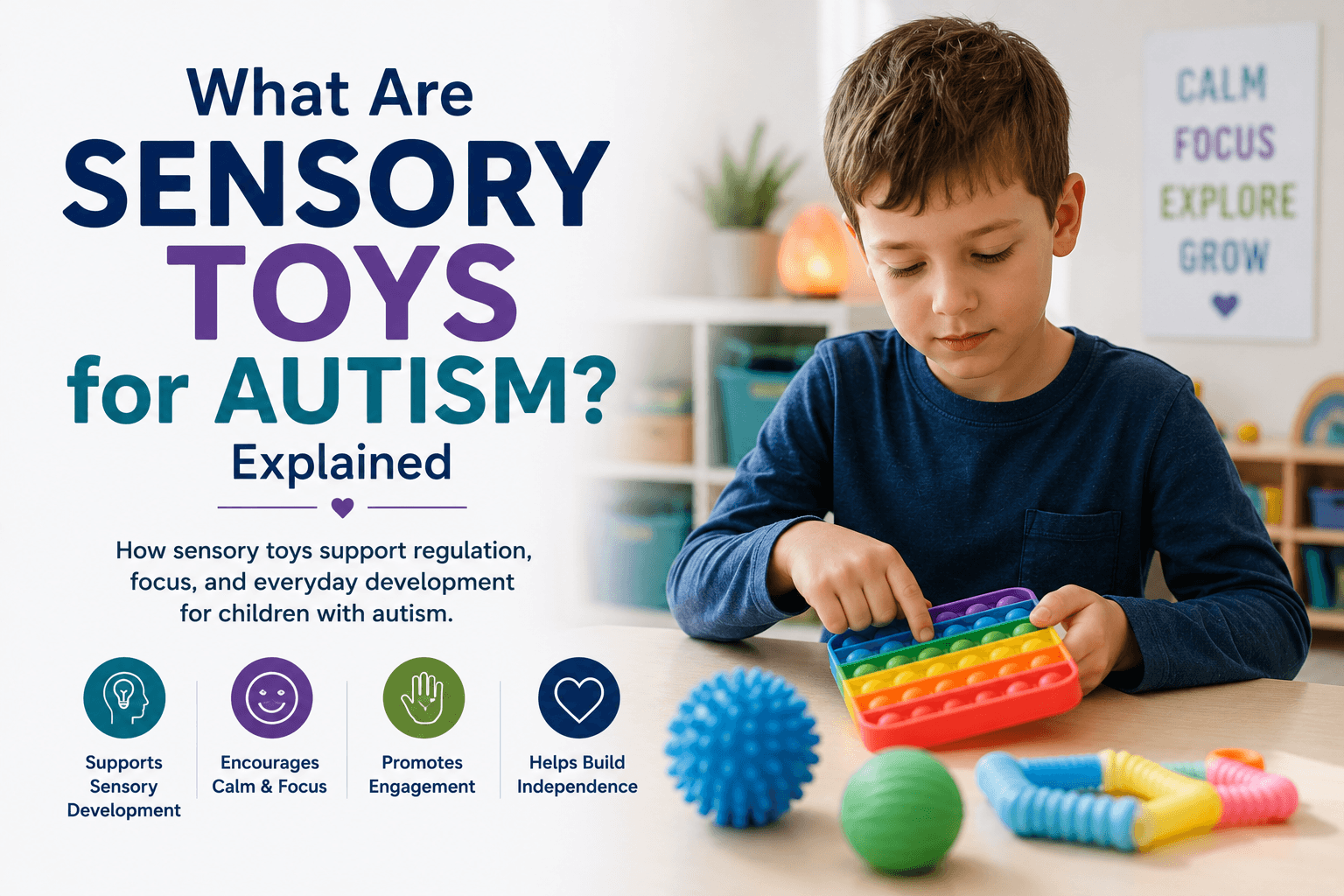
Tactile sensory products give children opportunities to use their hands in purposeful ways. They can support touch exploration, fine motor skills, grip strength, hand coordination, and calm engagement.
Helpful tactile sensory products may include:
Fidget tools
Putty
Sensory bins
Textured balls
Tactile mats
Touch boards
Lacing activities
Fine motor games
Textured wall panels
Therapy dough
Sorting tools
A tactile activity can be useful during transitions, waiting periods, quiet time, long car rides, or before a task that requires fine motor control.
Browse Tactile Stimulation Products and Sensory Bundles and Kits for hands on sensory activities.
Vestibular and Proprioceptive Equipment: Swings, Rockers, and More
Vestibular input relates to movement and balance. Proprioceptive input relates to body position, pressure, muscle effort, and joint movement. These two systems work together during activities such as climbing, crawling, swinging, pushing, carrying, balancing, and jumping.
Vestibular and proprioceptive equipment may include:
Sensory swings
Rockers
Therapy balls
Balance boards
Crawling tunnels
Crash pads
Resistance tools
Scooter boards
Stepping paths
Indoor movement equipment
A child may enjoy swinging but become overstimulated after too much spinning or fast movement. Start slowly, supervise closely, and watch how the child responds. Movement should help the child become more organized and ready for the next activity, not more distressed or out of control.
Visual and Auditory Sensory Products for Calm and Focus
Visual and auditory sensory products can create a calmer or more engaging environment depending on how they are used. Some children enjoy watching light patterns, bubbles, moving colors, or projected images. Others may prefer low lighting, quieter rooms, and minimal visual activity.
Helpful visual and auditory products may include:
Bubble tubes
Fiber optic lights
Sensory projectors
Light panels
Visual timers
Sound machines
Noise reducing headphones
Gentle music tools
Interactive cause and effect products
Explore Bubble Tubes, Sensory Fiber Optic Lights and Strands, Projectors, and Sensory Room Equipment.
Sensory Products for Autism: Category by Category Recommendations
Sensory products for autism should match the user’s sensory preferences and daily needs.
For movement seekers, consider:
Therapy balls
Sensory swings
Rockers
Balance tools
Crash pads
Crawling tunnels
Active sensory motor tools
For children who benefit from deep pressure, consider:
Weighted lap pads
Weighted blankets
Compression products
Bean bag seating
Body socks
Soft foam seating
For tactile exploration, consider:
Fidget tools
Putty
Sensory bins
Tactile panels
Textured balls
Fine motor activities
For visual calming, consider:
Bubble tubes
Fiber optic lights
Projectors
Light panels
Mirrors
Visual timers
For a quieter sensory space, consider:
Soft seating
Noise reduction tools
Low stimulation lights
Weighted lap pads
Tactile fidgets
A predictable calm corner routine
Start with the product category that best addresses the most difficult time of day.
Setting Up a Sensory Friendly Space at Home
A sensory friendly home space can be as small as a bedroom corner, section of a playroom, or quiet spot in the living room. You do not need a separate room to create a useful sensory area.
Start by identifying the purpose of the space.
Your sensory corner may be designed for:
Calm breaks
Active movement
Fine motor play
Homework support
Post school decompression
Morning routines
Bedtime wind down
Therapy carryover
Safe sensory exploration
A basic home sensory corner may include:
Soft seating
Weighted lap pad
Small fidget basket
Visual timer
Therapy ball
Tactile activity
Simple sensory light
Storage bin
Keep the space easy to use and free from clutter. A few high use sensory integration tools are usually more helpful than a crowded room filled with too many options.
What to Include in a Home Sensory Corner or Sensory Room
A home sensory room can grow over time. Begin with the essentials and add equipment based on what your child uses most.
A practical starter list may include:
One calming seat
One deep pressure tool
One tactile activity
One movement tool
One visual support
One storage solution
Clear safety rules
For a larger setup, you may add:
Sensory wall panels
Bubble tubes
Fiber optic lights
Therapy balls
Crash pads
Sensory swings
Soft play equipment
Floor mats
Sensory room packages
Browse Sensory Room Packages for curated starting options that can help families create a more balanced sensory space.
Indoor Therapy Gym Equipment for Everyday Use
Indoor therapy gym equipment can provide structured movement opportunities at home. It may be helpful for children who need to crawl, balance, push, pull, climb, jump, or use their bodies before transitioning to quieter tasks.
Useful home friendly options may include:
Therapy balls
Balance tools
Tunnels
Stepping stones
Rockers
Crash pads
Soft play pieces
Scooter boards
Floor mats
Movement games
Choose equipment that fits the child’s size, physical abilities, supervision needs, and available floor space. A small movement routine can be just as helpful as a large indoor therapy gym when it is used consistently.
Sensory Wall Panels and Environmental Tools
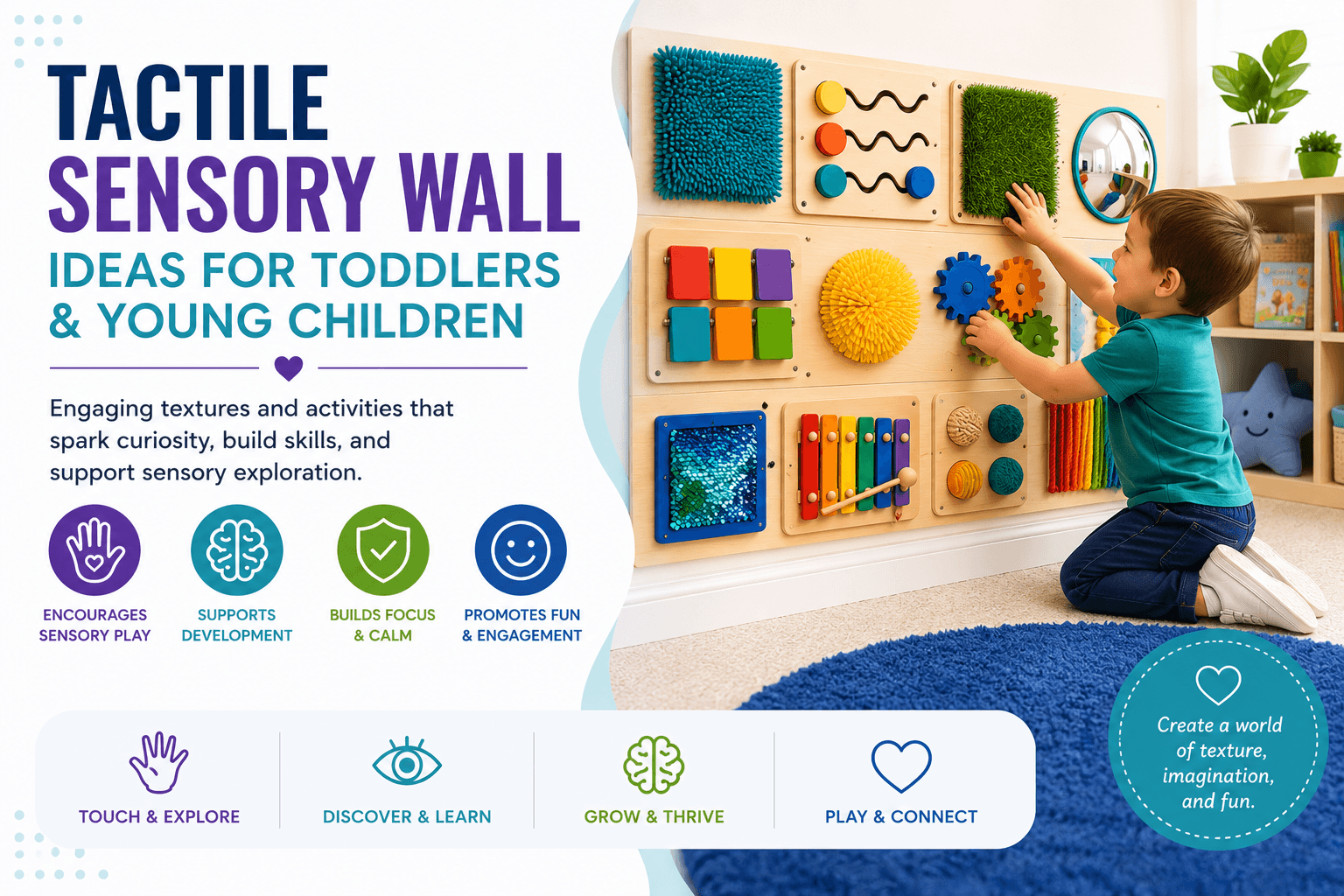
Sensory wall panels can create hands on sensory activities without using much floor space. They may include gears, spinners, mirrors, bead tracks, textured surfaces, sliding pieces, puzzles, and other interactive features.
Sensory wall panels may support:
Fine motor practice
Reaching
Cause and effect learning
Tactile exploration
Visual tracking
Bilateral coordination
Waiting time activities
Calm engagement
Independent play
Wall based equipment can work especially well in bedrooms, hallways, therapy rooms, classrooms, waiting areas, and small sensory spaces.
How to Create a Sensory Diet Using the Right Tools
A sensory diet is a planned routine of sensory activities that may help a person get the input they need throughout the day. It is not about food. It is a schedule of activities that may include movement, deep pressure, tactile play, calming tools, visual supports, or quiet breaks.
An occupational therapist may help create a sensory diet based on the child’s needs, school schedule, home routines, and sensory preferences.
Sensory integration tools can make a sensory diet easier to use at home and school. For example, a child may use a therapy ball activity before breakfast, a weighted lap pad during schoolwork, tactile tools during transitions, and calming lights before bedtime.
What Is a Sensory Diet and How Does It Work?
A sensory diet is an individualized plan that uses sensory activities at specific times of day. The goal is to support regulation, participation, and comfort before challenges occur.
A sensory diet may include:
Movement breaks
Heavy work activities
Deep pressure tools
Tactile play
Calming seating
Visual timers
Balance activities
Quiet sensory breaks
Fine motor tasks
Outdoor movement
A sensory diet should be flexible. If an activity is not helping, it can be adjusted. Occupational therapy guidance can be especially helpful when your child has complex sensory, physical, behavioral, or safety needs.
Sensory Activities for Adults: Adapting Tools Beyond Childhood
Sensory activities for adults can be simple, private, and easy to include in daily routines. Adults may use sensory tools during work breaks, while commuting, after social activities, before sleep, or when recovering from sensory overload.
Adult sensory activities may include:
Using a weighted lap pad while reading
Taking a short movement break
Using a durable fidget during meetings
Sitting in a calm sensory space
Using a therapy ball for gentle movement
Listening to preferred soundscapes
Using soft lighting during quiet time
Engaging with tactile wall panels
Practicing breathing with a visual timer
The best autism products for adults are products that support independence, comfort, and real daily routines.
Sample Daily Sensory Routine for Home and School
Every sensory routine should be individualized, but this example can help parents think about where sensory integration tools may fit into a typical day.
Morning
Short movement activity before getting dressed
Therapy ball activity or animal walks
Compression or deep pressure tool during breakfast if appropriate
Visual schedule for the morning routine
Before School or Learning Time
Five minutes of heavy work or active movement
Tactile tool during transition
Visual timer for the next activity
Supportive seating for table tasks
Midday
Movement break after seated work
Fine motor activity or tactile play
Quiet sensory tool during reading or waiting
Short calm break if the environment feels busy
After School
Active outdoor or indoor movement
Therapy ball, crash pad, swing, or balance activity
Snack in a calm setting
Quiet sensory corner before homework
Evening
Low stimulation light
Tactile fidget or fine motor activity
Weighted lap pad during reading or relaxation
Visual timer for bedtime routine
Use this as a starting point, not a strict schedule. The best routine is one that works for your child and can be maintained consistently.
How to Choose the Right Sensory Integration Tools for Your Child
Before choosing a sensory product, ask what challenge you are trying to support.
Consider:
Does your child seek or avoid sensory input?
Is the goal calming, movement, focus, fine motor play, or body awareness?
What time of day is the hardest?
What sensory experiences does your child already enjoy?
Does your child need support at home, school, or both?
Is the product safe for your child’s age and abilities?
Will your child need supervision?
Does the product fit your space?
Is there a weight capacity or sizing requirement?
Will the product be used often enough to justify the purchase?
Would occupational therapy guidance be helpful?
Start with one or two sensory integration tools that match the clearest need. Observe how your child responds before buying more.
Partnering With an Occupational Therapist for Equipment Guidance
An occupational therapist can help parents understand a child’s sensory needs and choose sensory tools that fit therapy goals, home routines, and safety requirements.
An occupational therapist may help with:
Sensory profile observations
Sensory diet planning
Fine motor development
Body awareness activities
Calming routines
Classroom strategies
Seating and positioning needs
Safe swing or movement recommendations
Equipment sizing
Funding documentation
Professional guidance can be especially valuable before buying larger equipment, weighted products, movement equipment, sensory swings, or products for children with mobility or safety needs.
Age Appropriate Sensory Tool Selection Tips
Toddlers
Choose simple, durable, supervised products with no small loose parts. Helpful options may include textured toys, large tactile panels, soft play, simple fidgets, therapy balls, and easy movement activities.
Preschool Children
Preschoolers may enjoy sensory bins, balance tools, tactile activities, simple swings, fidget tools, crash pads, visual timers, and fine motor toys.
School Age Children
School age children may benefit from sensory tools that fit classroom routines, homework, movement breaks, fine motor activities, calming spaces, and social participation.
Teens
Teens may prefer products that feel more mature and private, such as adult style fidgets, calming lighting, weighted lap pads, supportive seating, therapy balls, music tools, and sensory room products that fit their personal space.
Adults
Adults need appropriately sized and durable products that support comfort, relaxation, movement, focus, and independence. Consider weight capacity, privacy, ease of use, and personal style.
Safety Considerations When Buying Sensory Products Online
Safety should be part of every sensory product decision.
Before buying sensory integration tools online, check:
Recommended age range
Weight capacity
Product dimensions
Materials
Cleaning instructions
Mounting requirements
Choking hazard warnings
Supervision needs
Return policy
Replacement part availability
Room clearance requirements
Manufacturer guidance
Product reviews and support information
For swings, climbing products, therapy balls, crash pads, and other active sensory equipment, make sure the product matches the child’s size, motor skills, and supervision needs.
Funding, Financing, and Saving on Sensory Products
Sensory products can range from small, affordable tools to larger investments such as swings, sensory room packages, bubble tubes, or therapy equipment. Families may be able to spread out purchases, pursue funding, or start with smaller products that have a high daily impact.
Possible funding options may include:
Medicaid waiver programs
Private insurance
Flexible spending accounts
Health savings accounts
School funding
Therapy program funding
Nonprofit grants
Community support
Local fundraising
Direct purchase
Financing
Coverage and eligibility vary by product, plan, state, diagnosis, and documentation. Confirm requirements with the funding source before making a purchase.
Using Letters of Medical Necessity for Sensory Equipment
A letter of medical necessity may help support funding requests for sensory equipment connected to safety, positioning, mobility, communication, therapy goals, or daily participation.
A strong letter may include:
Diagnosis or functional need
Current sensory or physical challenges
Recommended sensory products
Why standard household items are not enough
How the equipment supports daily routines
Expected functional benefits
Provider recommendation
Product quote
Details about safety or participation needs
Families can review eSpecial Needs Letters of Medical Necessity resources when preparing for possible funding requests.
Medicaid, Insurance, and Other Funding Options
Medicaid coverage for sensory products varies widely by state, plan, waiver program, and the reason the equipment is requested. Some products may be considered recreational, while products linked to mobility, positioning, safety, communication, therapy, or daily living may have stronger funding potential.
Families may also explore:
State waiver programs
Private insurance
Nonprofit grants
Disability specific organizations
School district funding
Therapy program budgets
Local service organizations
Community fundraising
Flexible spending accounts
Health savings accounts
A case manager, therapist, physician, or insurance representative may help explain what documentation is required.
Price Match Guarantees and Flexible Financing for Families
Budget matters when choosing sensory integration tools. eSpecial Needs offers a Price Match Guarantee and Affirm Financing options that may help eligible customers manage sensory product purchases.
Families should review available terms, eligibility requirements, product pricing, payment schedules, and total purchase costs before selecting a financing option.
Why eSpecial Needs Is Your Go To Source for Sensory Integration Tools
eSpecial Needs offers sensory integration tools for home, school, therapy, clinic, and care settings. Families and professionals can shop sensory products for movement, tactile exploration, deep pressure, visual engagement, fine motor development, sensory rooms, and daily support.
Helpful categories include:
Expert Quote Requests and Personalized Product Recommendations
Choosing sensory products can feel overwhelming, especially when you are comparing multiple categories, building a sensory room, planning a school purchase, or selecting equipment for a child or adult with complex needs.
eSpecial Needs offers Quote Requests for families, schools, clinics, and organizations that need help planning purchases, gathering pricing, or sourcing larger sensory equipment needs.
Before requesting a quote, gather:
Product links or categories of interest
User age and size when relevant
Room measurements
Budget range
Setting where the products will be used
Therapy or sensory goals
Delivery needs
Purchase order information when applicable
A Broad Catalog of Sensory Products for Every Need and Budget
Sensory needs can change over time, so it helps to shop with a supplier that offers a wide range of sensory products. Some families may need a few smaller tactile tools. Others may be planning a full sensory room with visual lighting, movement equipment, deep pressure products, seating, and wall panels.
eSpecial Needs offers sensory products for:
Home sensory corners
School calm down spaces
Special education classrooms
Occupational therapy clinics
Physical therapy settings
Early intervention programs
Day programs
Supported living environments
Adult sensory rooms
Community sensory spaces
Start with what will support the user most today, then build over time as needs, space, and budget allow.
Start Shopping Sensory Integration Tools Today
Sensory integration tools can help create more supportive routines for children and adults who need movement, calming input, tactile exploration, visual engagement, or a comfortable way to reset.
Start with one goal. Choose one or two products that fit your child’s needs, your home or school space, and your daily routine. A weighted lap pad, therapy ball, tactile kit, visual timer, calming chair, or sensory light can be a meaningful first step.
Explore eSpecial Needs sensory products to find tools that support comfort, participation, movement, sensory exploration, and everyday confidence.
FAQs
What are sensory integration tools?
Sensory integration tools are products that provide structured sensory input through movement, touch, pressure, sound, light, balance, or body awareness. They can help children and adults explore sensory experiences in ways that may support calming, focus, play, participation, and daily routines.
Who can benefit from sensory integration tools?
Sensory integration tools may benefit children, teens, and adults with autism, sensory processing differences, ADHD, developmental delays, cerebral palsy, Down syndrome, low muscle tone, fine motor challenges, anxiety, mobility needs, and communication differences. They may also help people without a diagnosis who benefit from movement breaks, tactile activities, or calming sensory routines.
Are sensory integration tools only for children?
No. Sensory needs can continue into adolescence and adulthood. Sensory activities for adults may support relaxation, workplace focus, stress management, movement breaks, tactile input, quiet time, and daily regulation routines.
What is the difference between sensory tools and regular toys?
Regular toys may provide sensory experiences, but sensory integration tools are selected for a more specific purpose. They may support body awareness, balance, movement, tactile exploration, deep pressure, fine motor practice, calming routines, or therapy goals.
What are the main types of sensory integration tools?
Common categories include:
- Deep pressure products
- Sensory motor tools
- Tactile sensory products
- Vestibular movement equipment
- Proprioceptive tools
- Visual sensory products
- Auditory sensory products
- Fine motor tools
- Sensory seating
- Sensory wall panels
- Sensory room equipment
- Sensory bundles and kits
What are deep pressure sensory tools?
Deep pressure sensory tools provide steady, firm input through weight, compression, soft resistance, or supportive seating. Some children and adults find this type of input calming or grounding.
Common deep pressure products include weighted blankets, weighted lap pads, compression garments, body socks, crash pads, bean bag seating, and soft foam seating.
What visual sensory products are helpful?
Helpful visual sensory products may include bubble tubes, fiber optic lights, sensory projectors, light panels, mirrors, visual timers, and interactive light features. These products can provide calming visual focus, cause and effect learning, or engaging sensory exploration.