Table of Contents
- What Are Special Needs Helmets?
- Why Head Protection May Be Needed
- Special Needs Helmets for Home Use
- Special Needs Helmets for School
- Soft Shell Helmets
- Hard Shell Helmets
- Helmets With Face Protection
- Halo Helmets and Partial Coverage Options
- Guardian Helmets
- How to Choose a Special Needs Helmet
- Measuring and Fit Matter
- Supporting Helmet Tolerance
- Shop Special Needs Helmets at eSpecial Needs
- FAQs
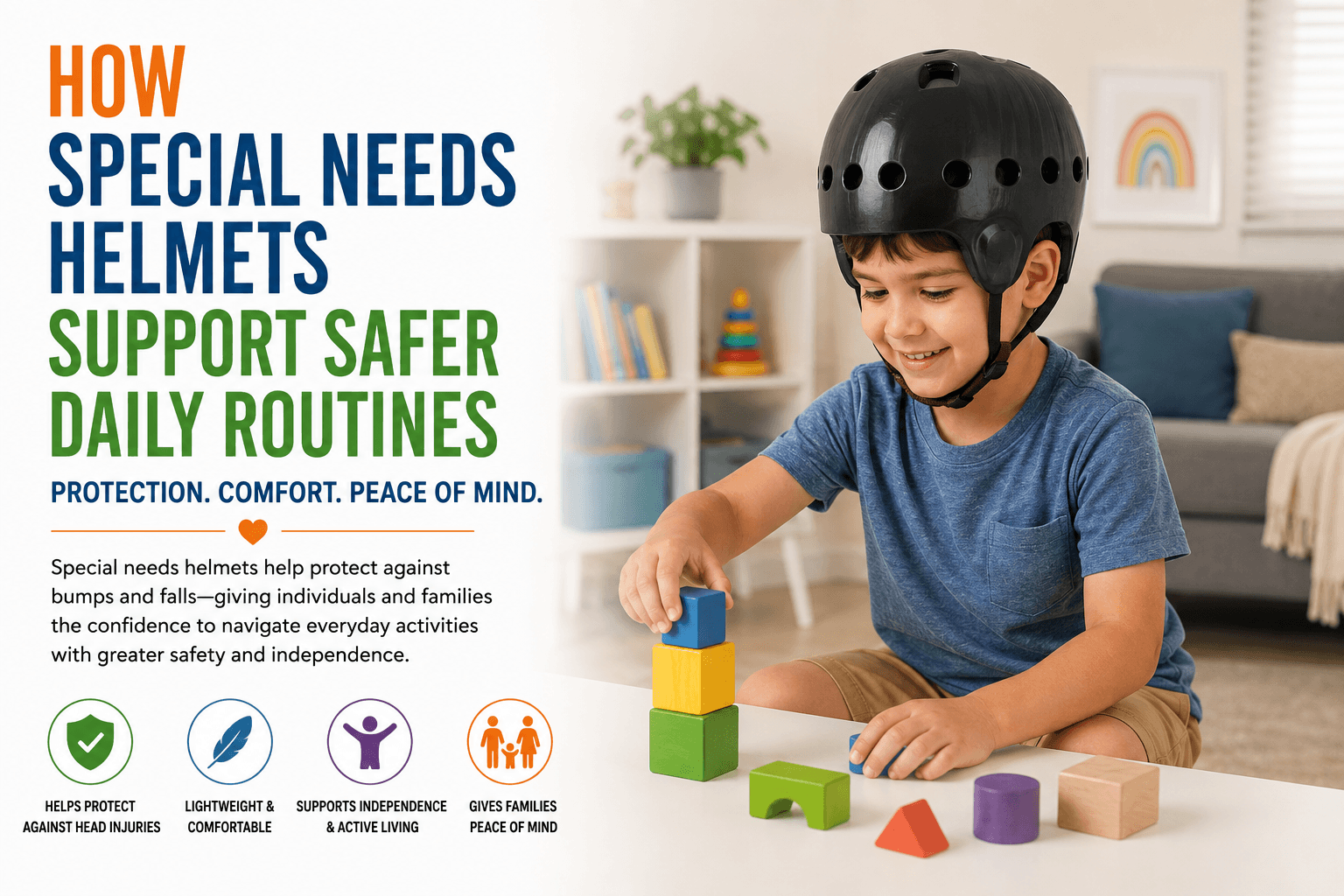
Special needs helmets can help protect children and adults who are at greater risk for falls, bumps, accidental head impact, seizures, head banging, balance challenges, or unsafe contact during daily activities. For families, caregivers, teachers, therapists, and care teams, the right helmet can provide added peace of mind while helping the user stay more active, engaged, and comfortable throughout the day.
At eSpecial Needs, the Helmets collection includes protective headgear options for children and adults with special needs. These helmets are designed to support safety, comfort, and everyday participation at home, school, therapy, and in community settings.
What Are Special Needs Helmets?
Special needs helmets are protective helmets designed for individuals who need more head protection than a standard hat or cap can provide. They may be used by people with autism, seizure disorders, developmental disabilities, mobility challenges, poor balance, low muscle tone, head banging behaviors, or other medical, sensory, or behavioral support needs.
Unlike sports helmets, many special needs helmets are designed for daily wear. They may include soft foam, cushioned interiors, adjustable closures, breathable materials, full coverage designs, face guards, or hard shell protection depending on the user’s needs.
Common types of protective headgear include:
Soft shell helmets
Hard shell helmets
Full coverage helmets
Helmets with face guards
Helmets with face bars
Halo style helmets
Infant protective helmets
Medical protective helmets
Autism helmets
Seizure helmets
The best choice depends on the user’s head protection needs, comfort preferences, daily activities, and professional recommendations.
Why Head Protection May Be Needed
Some individuals need extra head protection because daily routines involve a higher risk of impact. A child may fall during walking practice. A student may bump their head during transitions. A person with seizures may need added protection during unpredictable events. Another user may need protection because of head banging or self injurious behavior.
Special needs helmets may support safer routines during:
Walking and mobility practice
School transitions
Therapy sessions
Play activities
Community outings
Home routines
Classroom participation
Outdoor recreation
Seizure related safety planning
Daily care activities
A helmet does not remove all risk, and it does not replace supervision, medical care, behavior support, or a safe environment. However, it can be one helpful layer of protection when head impact is a concern.
Special Needs Helmets for Home Use
At home, a protective helmet may help during daily routines where a child or adult is more likely to fall, bump into furniture, or engage in unsafe head impact behaviors. Families may use helmets during movement time, play, transfers, walking practice, therapy carryover, or higher risk periods of the day.
Home safety planning may also include soft surfaces, wall padding, floor mats, clear walkways, corner guards, supervision, and support from medical or therapy professionals.
Related safety categories include Protective Mats and Padding, Wall Padding, Safety Mats, and Crash Pads.
Special Needs Helmets for School
Schools may use protective helmets as part of a student’s safety support plan when head injury risk affects participation. A helmet may help a student move through the classroom, attend therapy, use adaptive equipment, participate in gross motor activities, or access the school environment with added protection.
School teams should consider:
When the helmet should be worn
Who helps put it on and remove it
How fit will be checked
Where the helmet is stored
How the helmet is cleaned
How staff will monitor comfort
Whether helmet use is included in an IEP, health plan, behavior plan, or therapy plan
What professional guidance is needed
A helmet should be used respectfully and only for safety related support. It should not be used as punishment or unnecessary restriction.
Schools and organizations can also review Purchase Orders, Quote Requests, and Schools and Government Agencies for purchasing support.
Soft Shell Helmets
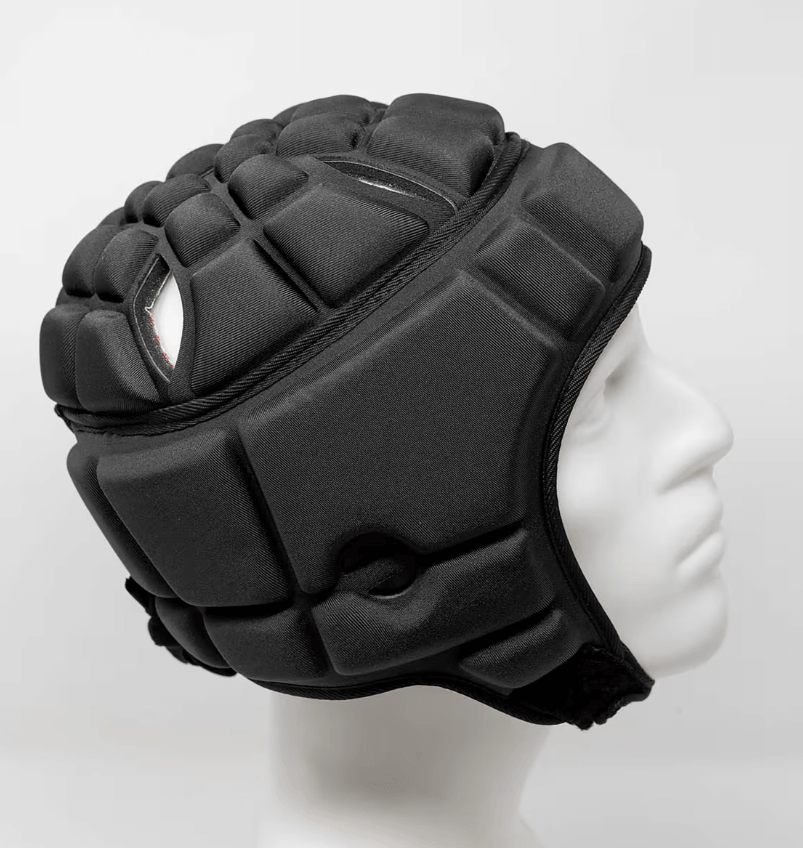
Soft shell helmets are often chosen when comfort and regular wear are important. These helmets may provide cushioned head protection without the harder feel of rigid sports style helmets. A soft foam helmet or soft shell helmet may be useful for users who need flexible protection during home, school, therapy, or care routines.
Soft shell options may be helpful for:
Daily wear
Mild to moderate bump protection
Users who need comfort
Individuals sensitive to rigid materials
Classroom and home routines
Users who need lightweight headgear
The Danmar Full Coverage Soft Shell Helmet, Danmar Soft Shell Helmet, and Toppen 77 Soft Shell Helmet are examples of soft protective headgear options available through eSpecial Needs.
Hard Shell Helmets
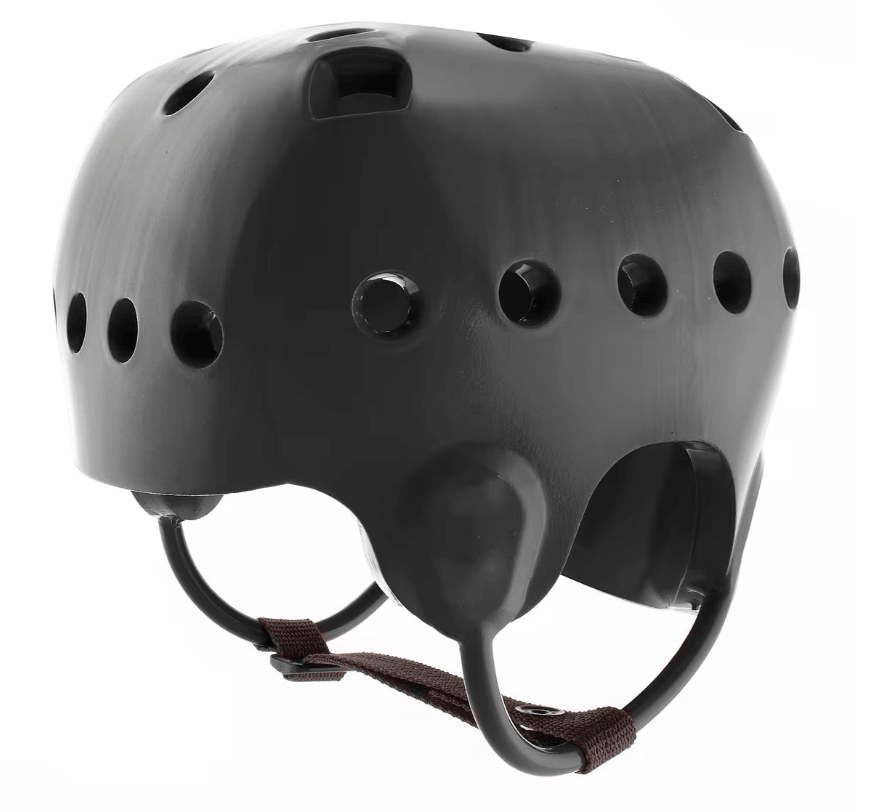
Hard shell helmets may be chosen when a user needs more rigid protection. These helmets can be useful for individuals with higher impact concerns, more frequent falls, or situations where a stronger outer shell is recommended.
Hard shell options may include:
Standard hard shell coverage
Face guard options
Face bar options
Full coverage designs
Adjustable fit features
Cushioned interiors
Products such as the Danmar Hard Shell Helmet, Danmar Hard Shell Helmet with Faceguard, and Danmar Hard Shell Helmet with Face Bar are designed for users who need protective headgear with more structured coverage.
Helmets With Face Protection
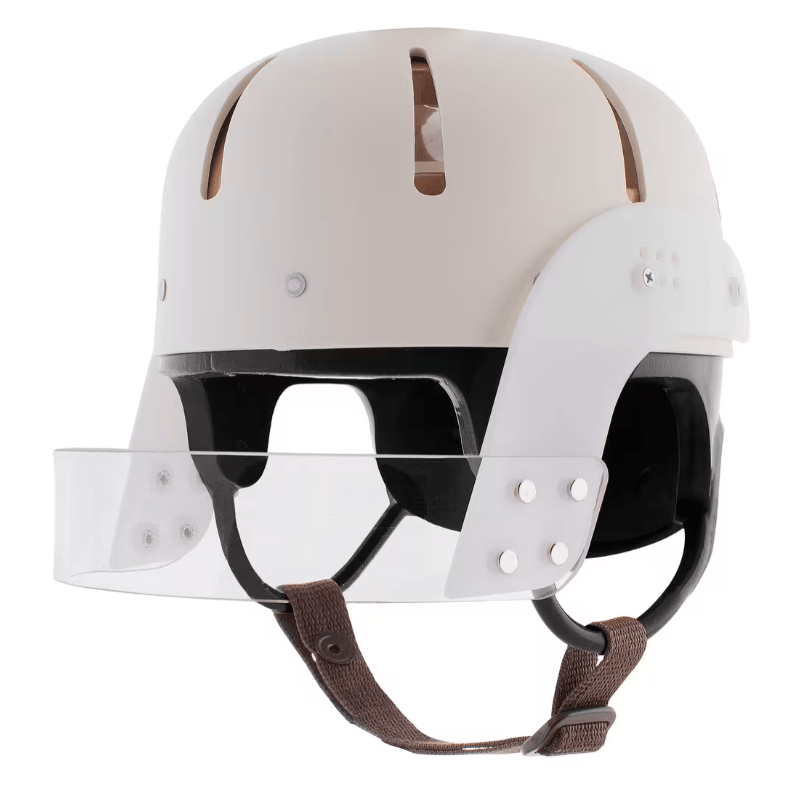
Some users may need more than head coverage. A helmet with a faceguard or face bar may be considered when there is risk of facial impact, forward falls, or contact that could affect the face. These helmets should be chosen carefully because facial protection needs, visibility, comfort, breathing space, and tolerance all matter.
A professional may recommend face protection when the user has:
Forward fall risk
Facial impact risk
Seizure related safety concerns
Head banging or impact behaviors
Limited protective reflexes
Difficulty bracing during falls
Always review product details and sizing carefully before choosing a helmet with face protection.
Halo Helmets and Partial Coverage Options
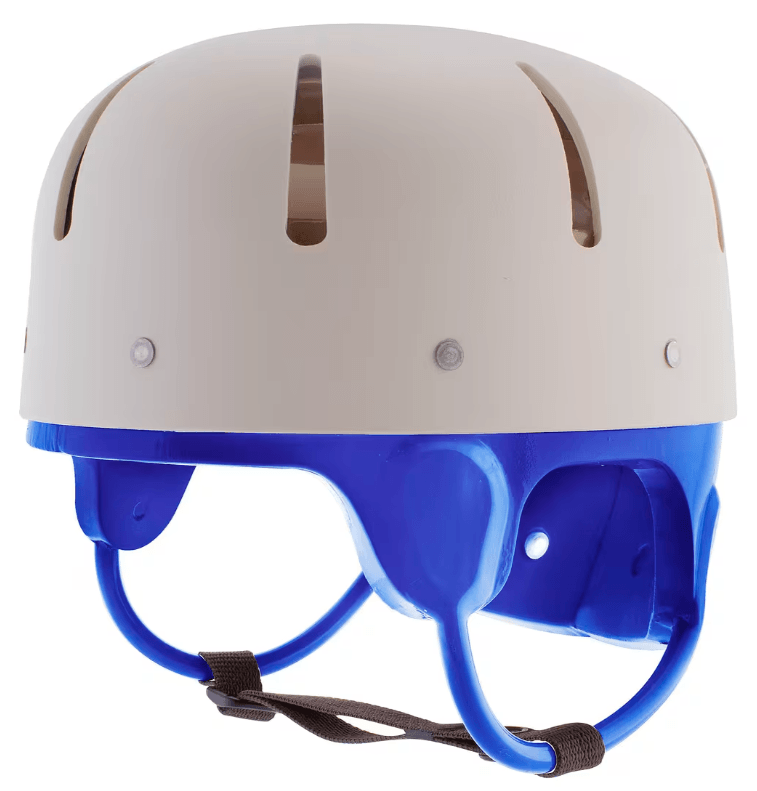
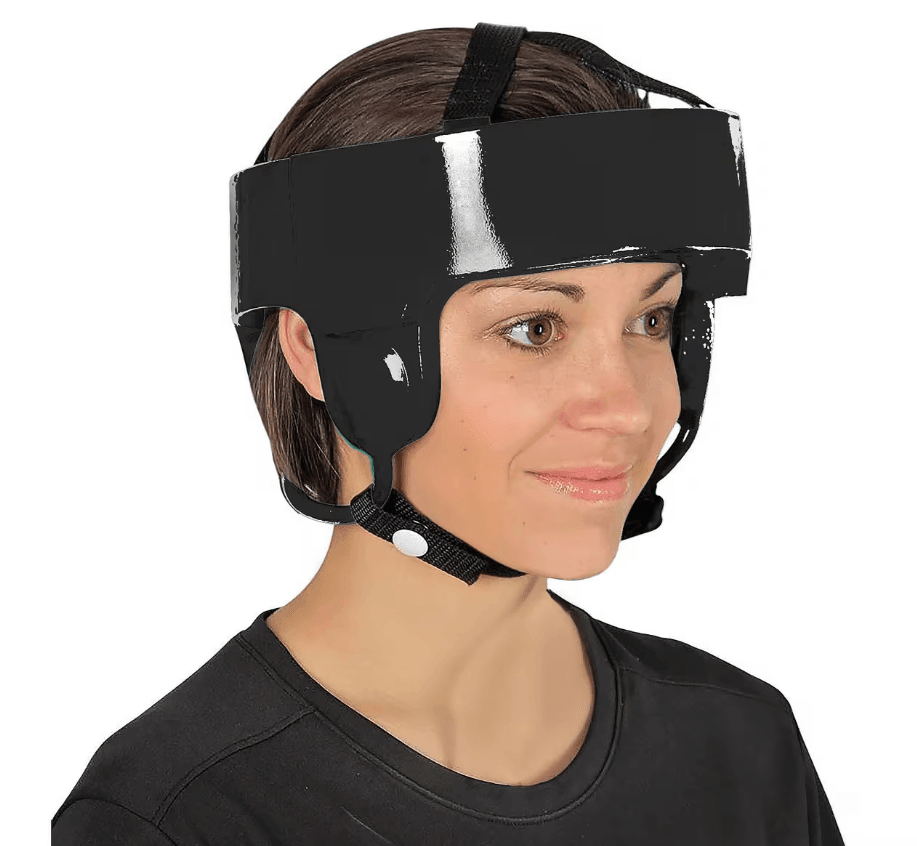
Some individuals need protection in specific areas rather than full helmet coverage. The Danmar Halo Helmet is designed for individuals who require head protection without full coverage. It may be considered for users who need partial protection, depending on their risk pattern and professional guidance.
Partial coverage options may be helpful when:
Full coverage is not needed
Heat buildup is a concern
The user needs protection around certain head areas
Comfort and tolerance are priorities
A care team recommends limited coverage
A partial coverage helmet is not appropriate for every user. The protection area must match the person’s actual risk.
Guardian Helmets
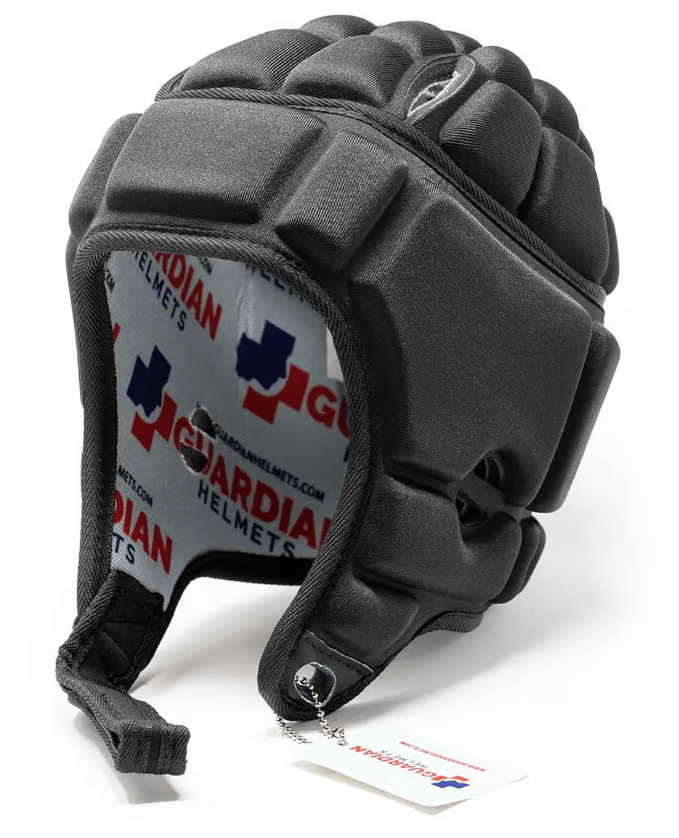
The Guardian Helmet is another protective headgear option available at eSpecial Needs. The product page describes a hook and loop chin strap with adjustable laces in the back to help create a custom fit. Guardian Helmets are also available as a related brand category for protective headgear.
This type of helmet may be considered when adjustability, soft protective headgear, and comfort are important parts of the buying decision.
How to Choose a Special Needs Helmet
Choosing the right special needs helmet starts with understanding the user’s risks and daily routines. The best helmet is not always the most protective looking option. It is the helmet that fits properly, covers the right areas, feels tolerable, and supports safe participation.
Before choosing, consider:
User age and head size
Type of impact risk
Fall direction
Seizure history
Head banging or self injury concerns
Balance and mobility needs
Need for face protection
Soft shell versus hard shell protection
Full coverage versus partial coverage
Chin strap and closure style
Breathability
Daily wear tolerance
Cleaning needs
School or care plan requirements
Medical or therapy recommendations
A physician, occupational therapist, physical therapist, behavior specialist, or equipment professional can help guide helmet selection when safety needs are complex.
Measuring and Fit Matter
A helmet must fit correctly to provide useful protection. A helmet that is too loose may shift out of place. A helmet that is too tight may cause discomfort, pressure, or refusal to wear it.
When measuring for a helmet, follow the product’s sizing instructions. In many cases, head circumference and other measurements may be needed. Check fit often, especially for children who are growing.
A good fit should:
Stay secure during movement
Cover the intended areas
Feel comfortable enough for the routine
Avoid pressure points
Allow appropriate visibility and breathing
Work with glasses, hearing aids, or other supports when needed
Be easy for caregivers or staff to put on correctly
Supporting Helmet Tolerance
Some users may resist wearing a helmet at first, especially if they have sensory sensitivities. A gradual introduction can help.
Helpful strategies may include:
Letting the user explore the helmet before wearing it
Starting with short wear times
Pairing the helmet with preferred activities
Using a visual schedule or timer
Practicing during calm moments
Checking for discomfort or pressure
Avoiding forced use unless there is an urgent safety plan
Getting professional help if helmet refusal creates safety concerns
Comfort, fit, and routine consistency can make helmet use easier over time.
Shop Special Needs Helmets at eSpecial Needs
The Helmets collection at eSpecial Needs includes protective headgear for children and adults who need added head protection during daily activities, mobility, school, therapy, and care routines. The collection includes soft shell helmets, hard shell helmets, full coverage helmets, face protection options, halo helmets, Danmar helmets, Guardian helmets, and other protective headwear solutions.
You can also explore related categories, including Head Protection and Support, Danmar Helmets, Guardian Helmets, Safety Products, Mobility, and Sensory Products.
FAQs
When should someone consider a special needs helmet?
A special needs helmet may be considered when a child or adult has a higher risk of head impact from falls, seizures, balance challenges, head banging, mobility difficulties, or unsafe contact with hard surfaces. A care team can help decide when protective headgear is appropriate.
Are special needs helmets the same as bike helmets?
No. Bike helmets are designed for cycling related impact. Special needs helmets are designed for daily safety support and may include soft shell padding, hard shell protection, face guards, full coverage designs, or partial coverage depending on the user’s needs.
Can a helmet prevent all head injuries?
No. A helmet can help reduce risk during certain impacts, but it cannot prevent every injury. Helmet use should be combined with supervision, environmental safety changes, medical guidance, therapy support, and a clear care plan.
What is the difference between a soft shell helmet and a hard shell helmet?
A soft shell helmet is usually more flexible and cushioned, which may make it more comfortable for daily wear. A hard shell helmet has a more rigid outer surface and may be chosen when stronger impact protection is needed.
When is a helmet with a face guard helpful?
A helmet with a face guard may be helpful when there is concern about forward falls, facial impact, seizure related injury, or unsafe contact involving the face. The user’s visibility, breathing, comfort, and tolerance should always be considered.
How do I measure for a special needs helmet?
Follow the sizing instructions on the product page. Most helmet sizing starts with head circumference, but some products may require additional measurements. A proper fit is important because a helmet that is too loose or too tight may not work as intended.