Table of Contents
- What Are Gripping Aids for Hands?
- Definition and Purpose of Gripping Aids
- How Gripping Aids Differ from Standard Adaptive Equipment
- The Role of Gripping Aids in Occupational Therapy
- Who Needs a Gripping Aid?
- Limb Differences and Amputations
- Arthritis and Joint Pain
- Spinal Cord Injuries and Paralysis
- Cerebral Palsy and Neurological Conditions
- Muscular Dystrophy and Weakness Related Conditions
- Top Gripping Aids for Hands: What to Consider
- Grip Aids for Arthritic Hands
- Gloves for Disabled Hands
- Other Gripping Aid Options Worth Considering
- How to Choose the Right Gripping Aid for Your Situation
- Assessing Your Functional Needs and Activity Goals
- Sizing, Fit, and Comfort Considerations
- Material, Durability, and Washability
- Getting Guidance from an Occupational Therapist
- Using Gripping Aids in Daily Life
- Kitchen and Meal Preparation
- Exercise, Sports, and Physical Therapy
- Work, School, and Educational Settings
- Funding, Insurance, and Letters of Medical Necessity for Gripping Aids
- Does Insurance or Medicaid Cover Gripping Aids?
- Purchase Orders for Schools and Therapy Clinics
- Where to Buy Gripping Aids for Hands Online
- Why Shop at a Specialized Adaptive Equipment Store?
- What to Look for in a Trusted Retailer
- Shop Gripping Aids and Daily Living Tools at eSpecial Needs
- FAQs
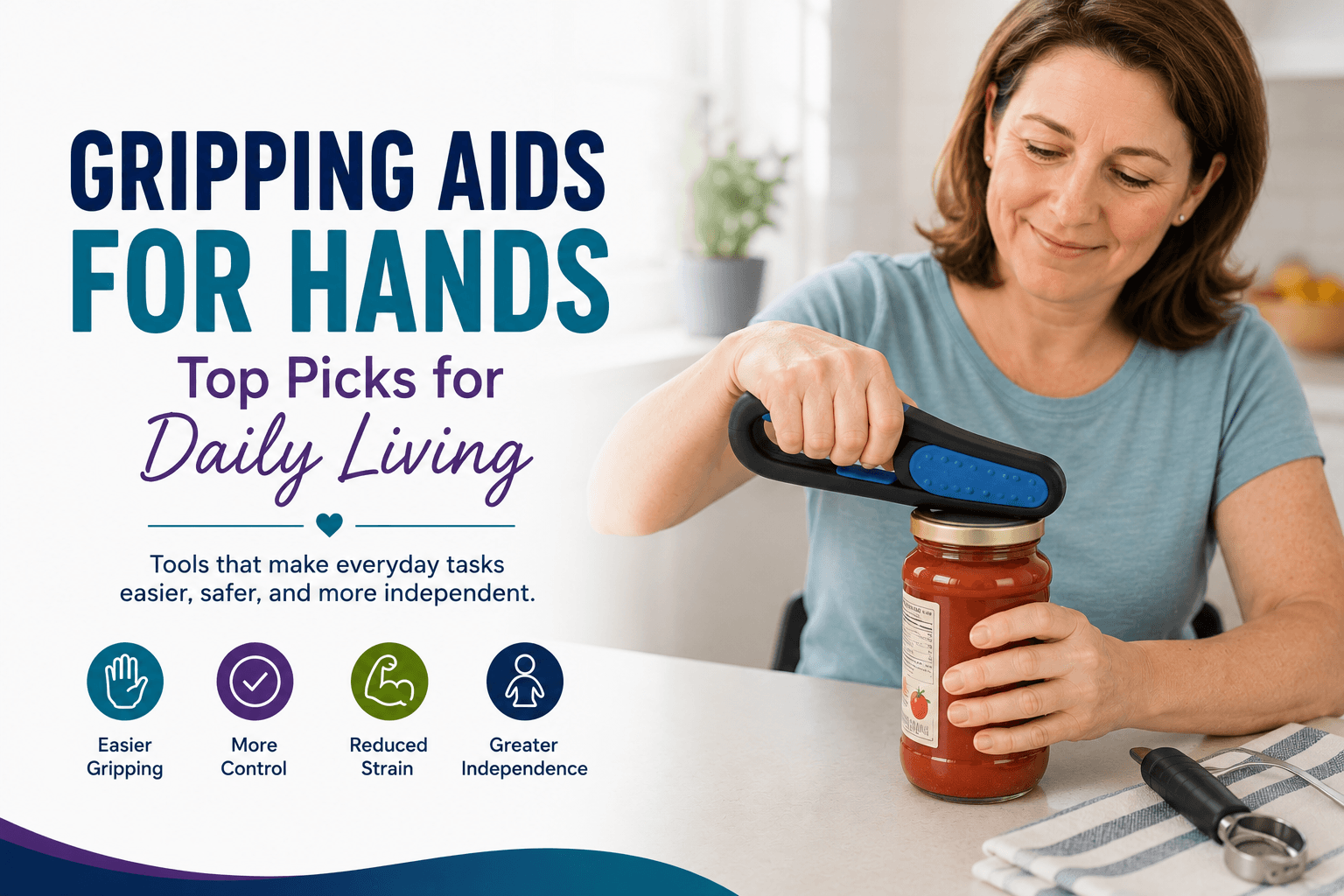
Gripping Aids for Hands: Top Picks for Daily Living
Gripping aids for hands are adaptive tools designed to help people hold, grasp, stabilize, and use everyday objects when hand strength, finger control, wrist movement, or grip endurance is limited. For children, adults, seniors, and individuals with disabilities, the right gripping aid can make daily routines easier, safer, and more independent. These tools may support eating, writing, cooking, grooming, exercise, therapy, work tasks, school activities, hobbies, and recreation.
When someone has arthritis, cerebral palsy, spinal cord injury, limb difference, muscular dystrophy, hand weakness, paralysis, joint pain, or reduced dexterity, simple tasks can become difficult. Holding a fork, gripping a toothbrush, using exercise equipment, carrying a tool, or writing with a pen may require more effort than the hand can provide. Gripping aids for hands help bridge that gap by securing objects to the hand, improving control, reducing strain, and supporting function.
This guide explains what gripping aids are, who benefits from them, how The Active Hands Company designs specialized grip supports, how to compare Active Hands gloves and gloves for disabled hands, and how to choose the right grip aids for arthritic hands, limb differences, paralysis, and daily living needs.
For a helpful starting point, browse Grips and Holders at eSpecial Needs or explore broader Daily Living Aids for Special Needs.
What Are Gripping Aids for Hands?
Gripping aids for hands are assistive devices that help users hold objects when grip strength or hand control is reduced. Some gripping aids wrap around the hand and object. Others use straps, gloves, cuffs, loops, padded handles, or supportive materials to help secure the item in place.
They may be used to hold:
- Eating utensils
- Pens and pencils
- Toothbrushes
- Cups
- Cooking tools
- Exercise bars
- Dumbbells
- Garden tools
- Sports equipment
- Therapy tools
- Handles
- Computer accessories
- Personal care items
For many users, gripping aids for hands support independence by making everyday items easier to use without constant caregiver assistance.
Universal Feeding Cuff
$8.95
Adjustable hook and loop strap with pocket utensil holder makes everyday use of utensils and other prodicts easier. Ideal for individuals with limited hand dexterity. Features Has thumb loop making it easier to put on an take off Fits any… read more

Definition and Purpose of Gripping Aids
A gripping aid is a hand focused adaptive device that compensates for reduced grip strength, poor finger control, pain, weakness, or limited hand movement. Instead of requiring the user to fully close the fingers around an object, the gripping aid helps hold the item against the hand.
The purpose is to support:
- Better object control
- Reduced hand fatigue
- Less joint strain
- Increased independence
- Improved daily function
- Safer participation in activities
- More consistent grip during therapy or exercise
- Better access to hobbies and recreation
A good gripping aid does not just help someone hold something. It helps them participate in tasks that matter.
How Gripping Aids Differ from Standard Adaptive Equipment
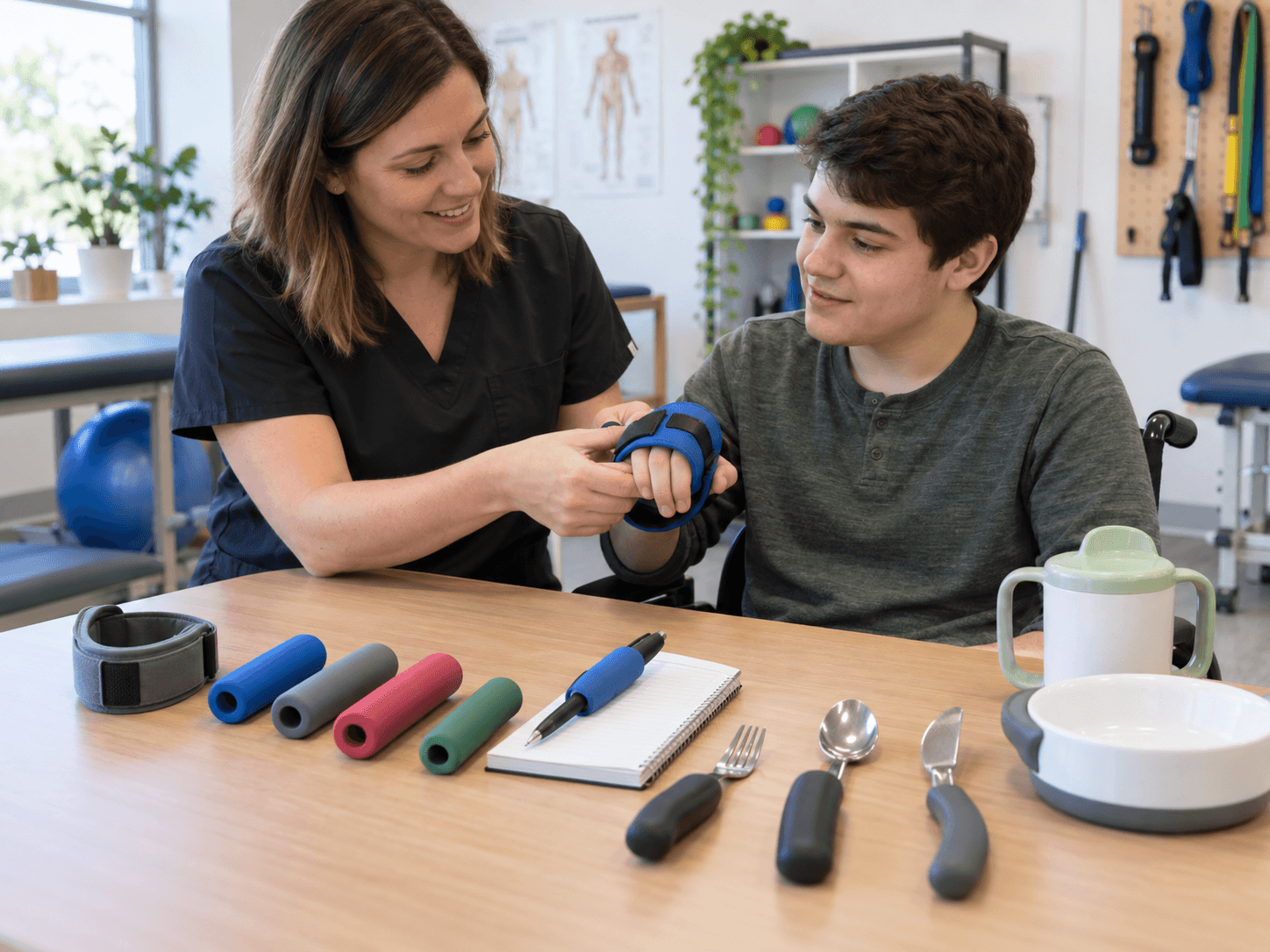
Adaptive equipment is a broad category. It includes mobility aids, bathing supports, feeding tools, dressing aids, communication devices, seating systems, and daily living products.
Gripping aids are more specific. They focus on hand function. They are designed for users who need support with grasping, holding, stabilizing, or maintaining contact with an object.
For example, adaptive utensils may have larger or weighted handles, while a gripping aid may help the user hold the utensil even if the fingers cannot close securely. You can explore related mealtime support products in the Weighted Utensils and Adaptive Eating Tools collection.
A reacher may help pick up objects, while a gripping aid may help the user hold a tool once it is in hand. For reaching and grasping support, browse Reacher Grabber Tools and Daily Living Aids.
The Role of Gripping Aids in Occupational Therapy
Occupational therapists often recommend gripping aids as part of a daily living or hand function plan. An OT may evaluate hand strength, range of motion, sensation, coordination, pain, joint stability, task goals, and the user’s home or work routines.
An OT may recommend gripping aids for hands to support:
- Self feeding
- Grooming
- Writing
- Cooking
- Therapy exercises
- Wheelchair use
- School participation
- Work tasks
- Adaptive sports
- Strength building
- Recreational activities
- Independent living skills
Therapists may also teach users how to put the aid on, position the object, clean the product, and build endurance safely.
Danmar Adaptive Utensil Handle
$0.00
$25.00
The Danmar adaptive utensil holder offers an easy-to-grip solution for individuals with limited hand strength or dexterity. Designed with a soft, built-up foam handle and a secure adjustable strap, it allows for hands-free support during meals. The handle fits snugly… read more

Who Needs a Gripping Aid?
A gripping aid may help anyone who struggles to hold objects because of weakness, pain, disability, injury, or reduced motor control.
Common users include people with:
- Arthritis
- Limb differences
- Amputations
- Spinal cord injuries
- Paralysis
- Cerebral palsy
- Muscular dystrophy
- Stroke
- Multiple sclerosis
- Parkinson’s disease
- Hand weakness
- Joint pain
- Reduced dexterity
- Low muscle tone
- Neurological conditions
- Fine motor limitations
The right gripping aid depends on the person’s hand function, goals, and activity level.

Limb Differences and Amputations
People with limb differences or amputations may need support holding objects securely. A standard glove or cuff may not fit correctly if the user has a partial hand, residual limb, missing fingers, or unique limb shape.
Specialized gripping aids for hands can help users with limb differences participate in activities such as:
- Eating
- Writing
- Cooking
- Exercise
- Weight training
- Cycling
- Gardening
- Personal care
- School tasks
- Work tasks
- Recreation
Some products are designed specifically to wrap around a residual limb or partial hand so the user can hold equipment more securely.
For recreation and cycling related needs, families may also find adaptive riding solutions in the Adaptive Tricycles collection.
Arthritis and Joint Pain
Grip aids for arthritic hands can help reduce strain on painful joints. Arthritis can make it difficult to squeeze, pinch, twist, hold, or maintain grip for long periods. Swelling, stiffness, pain, and reduced range of motion can make daily tasks harder.
Grip aids for arthritic hands may support:
- Holding utensils
- Opening light containers
- Using grooming tools
- Holding pens
- Cooking
- Gardening
- Crafting
- Household tasks
- Exercise
- Therapy routines
Comfort is especially important for arthritis. Look for soft materials, easy fastening, low pressure points, and designs that do not require painful finger movement. For mealtime support, visit Adaptive Eating Utensils. For handwriting support, browse Handwriting Tools for Special Needs.
Spinal Cord Injuries and Paralysis
People with spinal cord injuries or paralysis may have limited or no voluntary hand movement. Some users can move the arm but cannot close the fingers. Others may have partial wrist or hand function but need support maintaining grip.
Gripping aids for hands may help users with spinal cord injuries participate in:
- Exercise and strength training
- Eating
- Writing or drawing
- Wheelchair propulsion practice
- Therapy activities
- Computer access
- Personal care
- Household tasks
- Sports and recreation
For these users, the gripping aid must be secure, durable, and easy to position with available movement or caregiver assistance.
Cerebral Palsy and Neurological Conditions
Cerebral palsy and other neurological conditions can affect tone, coordination, hand opening, finger control, wrist stability, and motor planning. Some users may have spasticity, weakness, involuntary movement, or difficulty maintaining a steady grasp.
Gripping aids may support users with cerebral palsy by helping stabilize objects during:
- Feeding
- Writing
- Therapy
- Play
- School tasks
- Exercise
- Recreation
- Grooming
- Daily living routines
A child who struggles with cutting during classroom or therapy activities may also benefit from adaptive cutting tools. Explore Scissors and Cutting Aids for related fine motor support.
Muscular Dystrophy and Weakness Related Conditions
Muscular dystrophy and other progressive weakness conditions can make gripping harder over time. A person may still have the motivation and coordination to complete a task but lack the strength to maintain a reliable hold.
Gripping aids for hands may help users conserve energy and continue participating in important routines.
Helpful tasks may include:
- Holding utensils
- Using grooming tools
- Holding adaptive writing tools
- Gripping exercise equipment
- Participating in hobbies
- Holding handles or tools
- Using therapy equipment
As strength changes, equipment may need to be updated or adjusted. Caregivers can browse Daily Living Aids to find a broader range of tools that support changing independence needs.
Top Gripping Aids for Hands: What to Consider
The best gripping aids for hands are selected based on real life needs. A person who wants to lift weights may need a different product than someone who needs help holding a fork or pencil.
When comparing products, consider:
- Grip strength
- Finger movement
- Wrist stability
- Hand size
- Skin sensitivity
- Pain level
- Activity goals
- Ease of putting on
- Need for caregiver help
- Washability
- Durability
- Object size
- Frequency of use
- Right hand or left hand needs
A good gripping aid should be secure enough to help but comfortable enough for regular use.
Grip Aids for Arthritic Hands
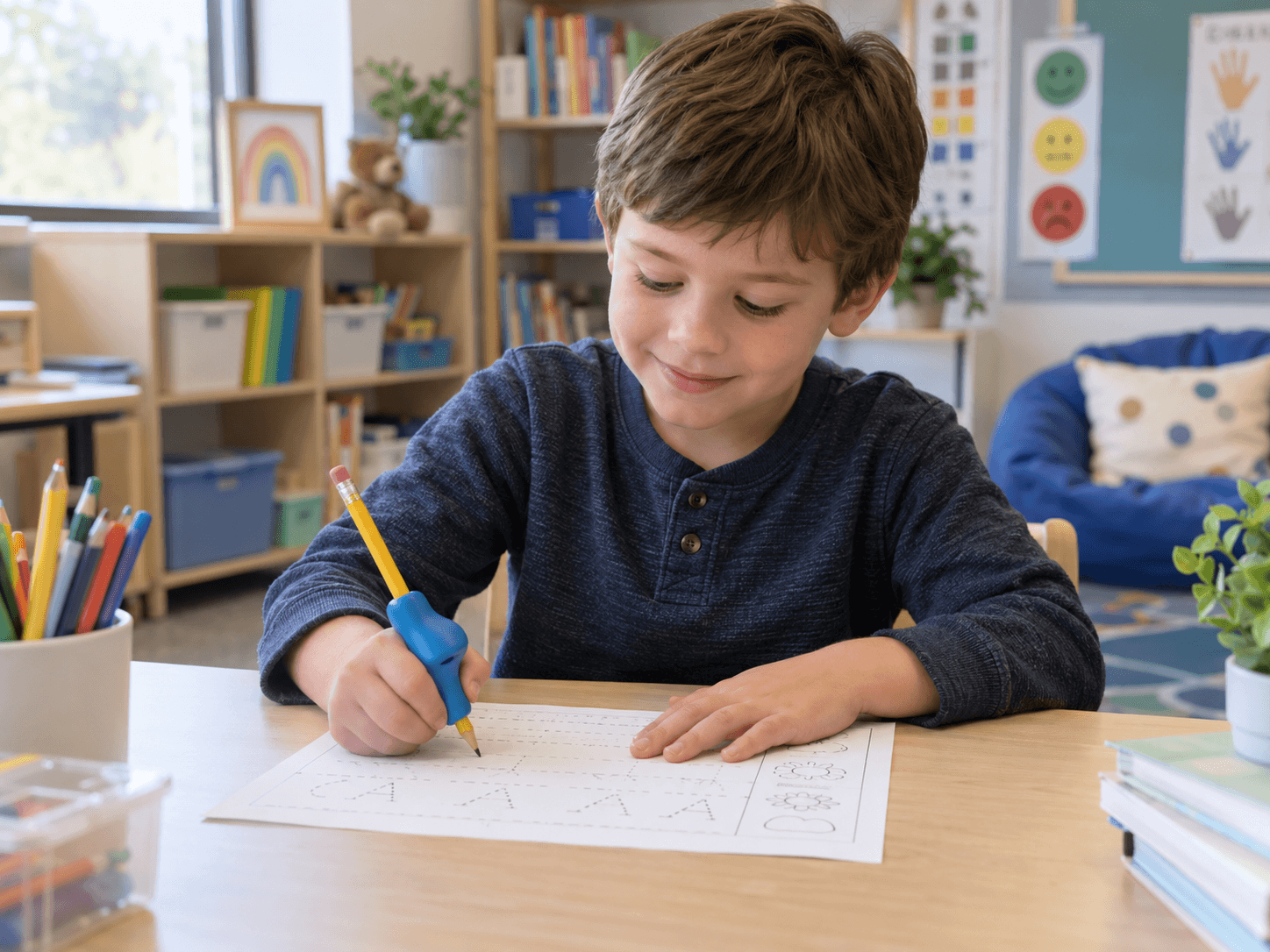
Grip aids for arthritic hands should focus on comfort, ease of use, and reduced joint strain. Arthritis users may not need heavy duty strapping for sports. They may need gentle support that makes everyday tasks less painful.
Comfort focused options may include:
- Built up handles
- Soft grip sleeves
- Universal cuffs
- Adaptive utensils
- Easy grip writing tools
- Jar and bottle aids
- Padded hand straps
- Lightweight gripping supports
- Gloves with soft support
For arthritis, avoid products that require strong pulling, tight fastening, or painful finger positioning. Browse Adaptive Eating Utensils, Handwriting Tools, and Grips and Holders for products that may support easier daily tasks.
Gloves for Disabled Hands
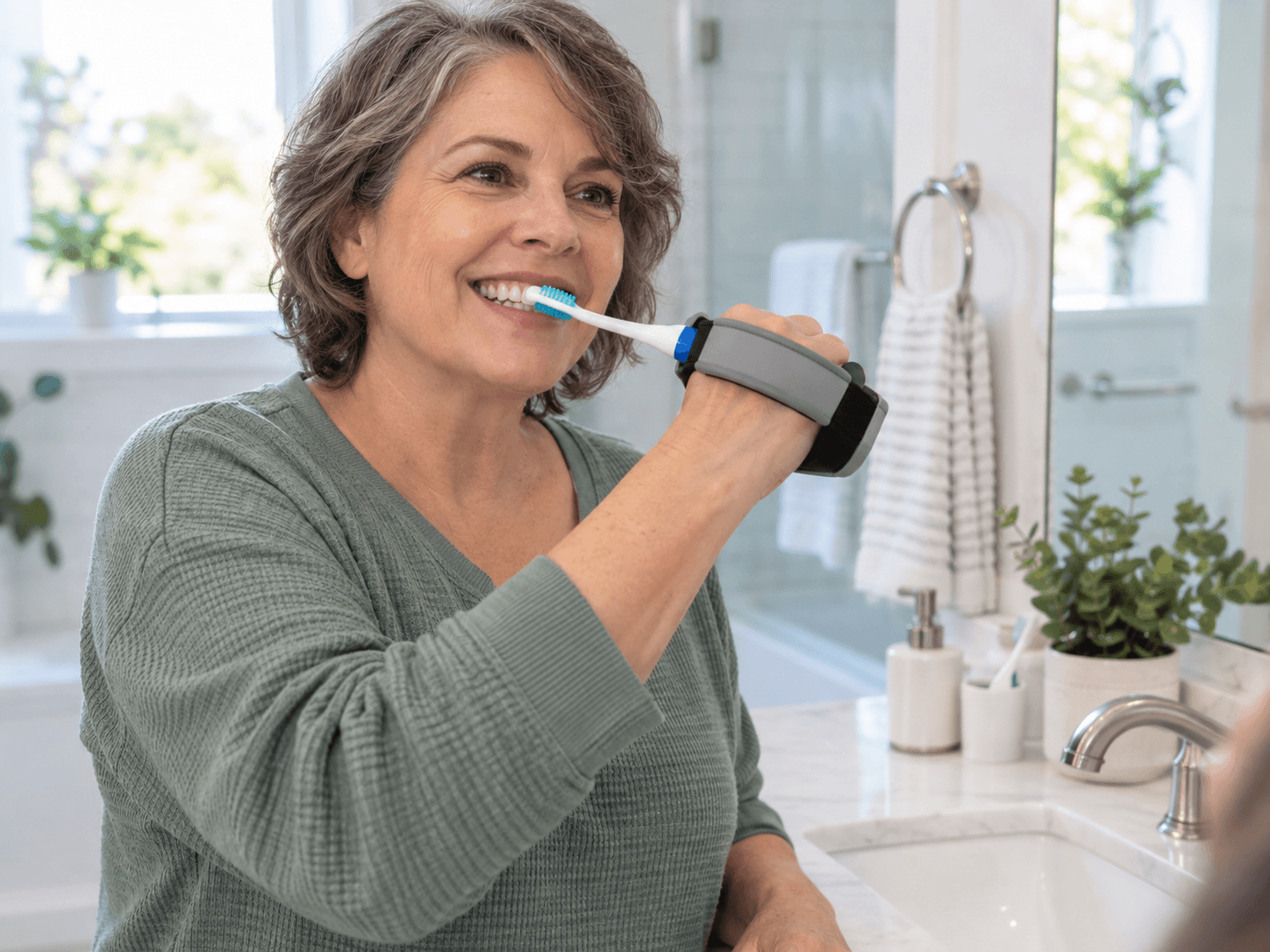
Gloves for disabled hands can vary widely. Some are designed for warmth and protection. Others are designed for grip, compression, support, or activity participation.
Types of gloves for disabled hands may include:
- Grip support gloves
- Activity gloves
- Wheelchair gloves
- Compression gloves
- Arthritis gloves
- Adaptive sports gloves
- Gloves with fastening support
- Gloves that help hold tools or handles
The right glove depends on whether the main need is grip, joint comfort, warmth, skin protection, pressure, or activity support.
Other Gripping Aid Options Worth Considering
The Active Hands Company is a strong choice for many users, but there are also other gripping aids and related products that may help depending on the task.
Options may include:
- Universal cuffs
- Built up foam handles
- Adaptive eating utensils
- Pencil grips
- Reachers
- Grip and holder tools
- Adaptive scissors
- Writing supports
- Fine motor aids
- Daily living tools
Helpful eSpecial Needs collections include:
- Grips and Holders
- Daily Living Aids
- Adaptive Eating Utensils
- Handwriting Tools for Special Needs
- Scissors and Cutting Aids
- Reacher Grabber Tools
How to Choose the Right Gripping Aid for Your Situation
Choosing the right gripping aid starts with the task. Do not begin with the product. Begin with the problem you want to solve.
Ask:
- What object is hard to hold?
- Is the problem weakness, pain, coordination, or limited finger movement?
- Does the user have wrist control?
- Can the user put the aid on independently?
- Is caregiver help available?
- Will the aid be used at home, school, work, therapy, or the gym?
- Does the user need one tool or several task specific tools?
- Is the skin sensitive?
- Is the aid easy to clean?
- Does the user need right hand, left hand, or both hand support?
The best gripping aids for hands should fit the user’s body, activity, and routine.
Assessing Your Functional Needs and Activity Goals
A gripping aid should match the user’s goals. Someone who wants to cook independently may need a different aid than someone who wants to lift weights or use a wheelchair more comfortably.
Common goals include:
- Eating without dropping utensils
- Holding a toothbrush
- Writing more comfortably
- Using kitchen tools
- Participating in physical therapy
- Gripping exercise equipment
- Returning to adaptive sports
- Improving work access
- Reducing caregiver assistance
- Increasing independence with daily living tasks
Clear goals make product selection easier.
Sizing, Fit, and Comfort Considerations
Fit affects safety and success. A gripping aid that is too loose may not hold objects securely. One that is too tight may cause discomfort, skin irritation, or circulation issues.
Consider:
- Hand size
- Wrist size
- Finger position
- Residual limb shape
- Skin sensitivity
- Swelling
- Pain areas
- Strap placement
- Activity duration
- Whether the user needs help putting it on
If possible, review sizing guidance carefully and ask for professional input when needs are complex.
Material, Durability, and Washability
Gripping aids for hands may be made from fabric, leather, neoprene, hook and loop materials, rubber, foam, or reinforced textiles. The best material depends on the use.
For daily living, comfort and easy cleaning may matter most. For sports and exercise, durability and secure grip may be more important. For arthritis, soft materials and low pressure fastening are key.
Look for:
- Comfortable contact surfaces
- Strong stitching
- Easy to clean materials
- Durable straps
- Skin safe fabric
- Moisture control
- Secure fastening
- Low bulk when possible
Products used during exercise may need more frequent cleaning.
Getting Guidance from an Occupational Therapist
An occupational therapist can help determine which gripping aid is appropriate based on hand function, task demands, safety, and independence goals.
An OT may assess:
- Grip strength
- Pinch strength
- Wrist control
- Range of motion
- Pain
- Skin safety
- Coordination
- Sensation
- One hand use
- Activity goals
- Home setup
- School or work needs
OT guidance is especially valuable for users with spinal cord injury, cerebral palsy, amputations, progressive weakness, severe arthritis, or complex hand positioning needs.
Using Gripping Aids in Daily Life
Gripping aids work best when they are practiced during real routines. Start with one or two tasks and build confidence before using the aid for longer or more complex activities.
Kitchen and Meal Preparation
Gripping aids may help with cooking and mealtime tasks such as:
- Holding forks and spoons
- Holding a cup
- Stabilizing kitchen tools
- Holding mixing spoons
- Gripping lightweight pans
- Holding adaptive knives
- Using bottle openers
- Holding measuring tools
For users with arthritis or weakness, adaptive utensils with larger handles may also reduce strain. Browse Weighted Utensils and Adaptive Eating Tools for mealtime options.
Exercise, Sports, and Physical Therapy
Many people use gripping aids for hands during exercise, therapy, and recreation. They may help users hold bars, handles, weights, resistance equipment, rowing handles, bike handlebars, or gym machines.
Activities may include:
- Weight training
- Cycling
- Rowing
- Physical therapy
- Adaptive sports
- Resistance exercises
- Wheelchair skills
- Stretching routines
- Strength building
Active Hands gloves and other sport focused aids may be especially helpful in these settings.
Work, School, and Educational Settings
Gripping aids can support participation in work and school tasks. A student may need help holding a pencil, marker, paintbrush, ruler, or classroom tool. An adult may need support holding work tools, computer accessories, grooming tools, or daily office supplies.
Helpful tools may include:
- Pencil grips
- Universal cuffs
- Writing aids
- Grip assist gloves
- Built up handles
- Adaptive scissors
- Handwriting supports
- Reachers
- Tool holders
For classroom and writing support, visit Handwriting Tools for Special Needs and Scissors and Cutting Aids.
Funding, Insurance, and Letters of Medical Necessity for Gripping Aids
Gripping aids may be purchased out of pocket, but funding may be available in some situations when the product supports medical, therapeutic, educational, or functional needs.
Does Insurance or Medicaid Cover Gripping Aids?
Insurance or Medicaid may cover some gripping aids when they are considered medically necessary. Coverage depends on the product, diagnosis, funding source, state rules, and documentation.
Some products may be considered daily living aids and may not always be covered. Others may be funded through Medicaid waivers, therapy programs, school budgets, grants, or flexible spending options.
Documentation may include:
- Diagnosis
- Functional limitations
- Therapy evaluation
- Product recommendation
- Letter of medical necessity
- Product quote
- Prior authorization request
Purchase Orders for Schools and Therapy Clinics
Schools, therapy clinics, rehabilitation programs, and government agencies may use purchase orders to buy gripping aids and hand function tools.
Purchase orders may be useful for:
- Therapy departments
- Special education classrooms
- School based OT programs
- Rehabilitation clinics
- Adult day programs
- Government agencies
- Group purchasing needs
eSpecial Needs supports quote requests and institutional purchasing for schools, clinics, and organizations that need adaptive equipment for daily living, therapy, and classroom participation.
Where to Buy Gripping Aids for Hands Online
Families, adults, caregivers, therapists, and schools should buy gripping aids from a trusted adaptive equipment supplier that understands disability related needs, therapy goals, and daily living function.
Relevant eSpecial Needs collections include:
- Grips and Holders
- Daily Living Aids for Special Needs
- Weighted Utensils and Adaptive Eating Tools
- Handwriting Tools for Special Needs
- Scissors and Cutting Aids
- Reacher Grabber Tools
- Benik Pediatric and Adult Orthotic Bracing Solutions
Why Shop at a Specialized Adaptive Equipment Store?
A specialized adaptive equipment store can help buyers find products based on function, not just product name. This matters because the right tool depends on the person’s diagnosis, hand function, daily routine, age, and support needs.
A specialized store can help with:
- Product comparison
- Adaptive daily living options
- Therapy focused recommendations
- Quote requests
- School and clinic purchasing
- Product categories designed for disability needs
- Caregiver friendly support
- Better fit for real life routines
General marketplaces may list products, but they often do not explain which adaptive tools fit specific hand function needs.
What to Look for in a Trusted Retailer
When shopping for gloves for disabled hands, grip aids for arthritic hands, Active Hands gloves, or other gripping aids for hands, look for a retailer that offers:
- Adaptive equipment expertise
- Clear product descriptions
- Easy to browse collections
- Quote request support
- School and clinic purchase order options
- Customer service support
- Transparent pricing
- Product variety
- Related daily living tools
- Support for families and professionals
Shop Gripping Aids and Daily Living Tools at eSpecial Needs
eSpecial Needs offers gripping aids, adaptive utensils, handwriting tools, reachers, cutting aids, daily living products, and related adaptive equipment for children, adults, seniors, caregivers, schools, therapists, and clinics.
Whether you need grip aids for arthritic hands, gloves for disabled hands, Active Hands style grip support, adaptive eating tools, writing aids, or products that support greater independence in daily routines, eSpecial Needs provides practical solutions for home, school, therapy, work, and recreation.
Start with the task that is hardest. Then choose the gripping aid or adaptive tool that supports the user’s body, goals, and daily routine. The right gripping aids for hands can make everyday activities more comfortable, more accessible, and more independent.
FAQs
What are gripping aids for hands?
Gripping aids for hands are adaptive tools that help people hold, grasp, stabilize, or use everyday objects when hand strength, finger control, wrist movement, or grip endurance is limited. They may help with eating, writing, grooming, cooking, exercise, therapy, school tasks, work activities, and recreation.
Who can benefit from gripping aids for hands?
Gripping aids for hands may benefit people with arthritis, cerebral palsy, spinal cord injuries, paralysis, limb differences, amputations, muscular dystrophy, stroke, multiple sclerosis, Parkinson’s disease, low muscle tone, hand weakness, joint pain, reduced dexterity, or other conditions that affect grip.
How do gripping aids work?
Gripping aids work by helping secure an object to the hand, wrist, or residual limb. Some use straps, cuffs, gloves, loops, padded handles, or supportive materials so the user does not need to rely fully on finger strength to hold an item.
What are gripping aids used for?
Gripping aids may be used for eating, drinking, brushing teeth, writing, cooking, gardening, exercise, physical therapy, adaptive sports, wheelchair use, grooming, computer access, classroom activities, work tasks, and hobbies.
Are gripping aids only for people with disabilities?
No. Gripping aids may help anyone who has difficulty holding objects due to pain, weakness, injury, aging, arthritis, neurological conditions, or temporary hand limitations. They are commonly used by children, adults, seniors, caregivers, therapists, and rehabilitation patients.
What are grip aids for arthritic hands?
Grip aids for arthritic hands are adaptive products that help reduce strain on painful joints while making objects easier to hold. They may include built up handles, soft grip sleeves, universal cuffs, adaptive utensils, easy grip writing tools, padded straps, and lightweight gripping supports.
How do grip aids help arthritic hands?
Grip aids for arthritic hands can reduce the need for tight squeezing or pinching. This may make daily tasks more comfortable by helping users hold utensils, pens, grooming tools, kitchen tools, and household items with less joint stress.
What are the best grip aids for arthritic hands?
The best grip aids for arthritic hands are usually soft, easy to put on, lightweight, and comfortable. Helpful options may include adaptive utensils, built up handles, universal cuffs, jar aids, pencil grips, dressing aids, and soft hand support products.
Can gripping aids help with hand weakness?
Yes. Gripping aids for hands can help people with hand weakness hold objects more securely. They may be useful when the user can move the arm but cannot maintain a strong or steady grip.
Can gripping aids help with poor finger control?
Yes. Gripping aids can help users who have difficulty closing the fingers, keeping the fingers around an object, or maintaining grip during movement. They may secure the object to the hand so less finger control is required.
Can gripping aids help with paralysis?
Yes. Some gripping aids are designed for people with limited or no voluntary hand movement. They may help users with spinal cord injuries or paralysis hold exercise equipment, utensils, grooming tools, therapy items, or daily living objects.
Can gripping aids help after a spinal cord injury?
Yes. People with spinal cord injuries may use gripping aids to support eating, exercise, therapy, wheelchair skills, grooming, writing, recreation, and daily living tasks. An occupational therapist can help choose the right style based on level of injury and hand function.
Can gripping aids help people with cerebral palsy?
Yes. Gripping aids may help people with cerebral palsy who have spasticity, weakness, poor coordination, limited wrist stability, or difficulty maintaining a steady grasp. They can support feeding, writing, therapy, school activities, grooming, and play.
Can gripping aids help people with muscular dystrophy?
Yes. People with muscular dystrophy or progressive weakness may use gripping aids to conserve energy and maintain independence with tasks like eating, grooming, writing, therapy, exercise, and holding daily living tools.
What is a universal cuff?
A universal cuff is an adaptive device that holds an item against the hand when the user cannot grip it securely. It may be used with utensils, toothbrushes, pens, grooming tools, or other small objects.
Are universal cuffs considered gripping aids?
Yes. Universal cuffs are a common type of gripping aid. They help users hold objects without needing full finger grip, making them useful for people with hand weakness, paralysis, arthritis, or poor dexterity.
What gripping aids help with eating?
Gripping aids for eating may include universal cuffs, adaptive utensils, built up handles, weighted utensils, angled utensils, plate guards, non slip mats, and grip supports that help the user hold forks, spoons, cups, or other mealtime tools.
What gripping aids help with writing?
Writing grip aids may include pencil grips, built up pens, weighted pens, universal cuffs, adaptive writing tools, hand supports, and grips that make it easier to hold pencils, markers, or pens.
What gripping aids help with cooking?
Cooking grip aids may include universal cuffs, built up handles, adaptive utensils, jar aids, bottle aids, non slip mats, cutting aids, reachers, and grip supports for holding kitchen tools more securely.
Can gripping aids help children at school?
Yes. Gripping aids can help students hold pencils, markers, scissors, classroom tools, adaptive utensils, therapy items, and art supplies. They may support handwriting, cutting, feeding, classroom participation, and occupational therapy goals.
What should I consider before buying gripping aids for hands?
Consider hand size, wrist size, grip strength, finger movement, skin sensitivity, pain level, activity goals, washability, durability, ease of putting on, need for caregiver help, and whether the aid is needed for the right hand, left hand, or both hands.
How do I know what size gripping aid I need?
Review the product sizing guide carefully and measure as directed. Important measurements may include hand width, wrist size, palm size, finger position, and residual limb shape. If needs are complex, ask an occupational therapist for help.
When should I ask an occupational therapist about gripping aids?
Ask an occupational therapist if the user has significant weakness, pain, paralysis, spasticity, limb difference, hand deformity, progressive weakness, skin sensitivity, or difficulty completing important daily tasks.
Why buy gripping aids from a specialized adaptive equipment store?
A specialized adaptive equipment store can help buyers find products based on function, diagnosis, daily routines, therapy goals, and support needs. This can make it easier to choose tools that match real life tasks.
How can eSpecial Needs help with gripping aids for hands?
eSpecial Needs offers gripping aids, grips and holders, daily living aids, adaptive utensils, handwriting tools, reachers, cutting aids, and related adaptive equipment for children, adults, seniors, caregivers, schools, therapists, and clinics.