Table of Contents
- What Makes a Special Education Classroom Setup Truly Effective?
- Understanding the Diverse Needs of Your Students
- How the Physical Environment Impacts Learning and Behavior
- Step 1: Map Out Your Classroom Zones
- Tips for Small or Shared Classrooms
- Step 2: Choose Adaptive Furniture and Seating for Every Learner
- Adaptive Seating Options
- Chill Out Chairs and Sensory Seating
- Adaptive Furniture for Life Skills
- Matching Seating to IEP Goals
- Step 3: Build a Special Education Classroom Supply List
- Sensory Motor Tools
- Deep Pressure Products
- Sensory Wall Panels and Interactive Room Equipment
- Sensory Bundles and Kits
- Amazon vs Adaptive Specialty Suppliers
- Step 4: Set Up Movement Therapy and Positioning Equipment
- Indoor Therapy Gym Equipment
- Positioning Equipment
- Mobility Aids and Wheelchair Access
- Step 5: Add Assistive Technology and Learning Tools
- Communication Tools
- Interactive Websites and Digital Learning Tools
- Fine Motor and Cognitive Development Tools
- Step 6: Create a Supply List for Parents
- Communicating Sensory and Adaptive Needs to Families
- Step 7: Fund and Procure Classroom Equipment
- Purchase Orders and Quote Requests
- Letters of Medical Necessity and Insurance Resources
- Price Match and Financing Options
- Special Education Classroom Must Haves Checklist
- Designing a Special Needs Classroom Where Every Student Can Thrive
- FAQs
Special Education Classroom Setup: How to Design a Room Where Every Student Can Thrive
A thoughtful special education classroom setup can make a major difference in how students learn, communicate, regulate emotions, and participate throughout the school day. For students with autism, cerebral palsy, sensory processing challenges, ADHD, developmental delays, physical disabilities, or complex communication needs, the classroom environment is more than a place to learn. It is a support system.
An effective classroom does not happen by accident. It requires structure, accessibility, sensory awareness, adaptive furniture, the right learning tools, and equipment that aligns with each student’s IEP goals. When the room is designed with purpose, students are better able to focus, transition, self regulate, practice independence, and engage with teachers and peers.
This guide walks through how to create a special education classroom setup that supports a wide range of learners. Whether you are designing a new classroom, improving an existing space, or building a supply list for the school year, these steps can help you create a more organized, inclusive, and functional learning environment.
What Makes a Special Education Classroom Setup Truly Effective?
A successful special education classroom setup is built around three core principles: structure, flexibility, and individual support. Students in special education classrooms often have very different needs. One student may need a quiet sensory corner to reduce overstimulation. Another may need adaptive seating to maintain posture. Another may need movement breaks, communication supports, or daily living practice built into the schedule. The goal is not to create a one size fits all classroom. The goal is to create a classroom that can adapt.
An effective setup should support:
Predictable routines
Clear classroom zones
Sensory regulation
Safe movement
Accessibility
Communication
Independent work
Small group learning
Functional life skills
Student specific IEP goals
The physical environment should make it easier for students to know where to go, what to do, how to ask for help, and how to regulate when the day becomes overwhelming.
Understanding the Diverse Needs of Your Students
Before purchasing furniture, sensory tools, or classroom supplies, it is important to understand the students who will use the space. A student with autism may need visual supports, sensory tools, and a calm down area. A student with cerebral palsy may need positioning equipment, adaptive seating, and wider pathways for mobility. A student with ADHD may need movement based seating, fidgets, or scheduled sensory breaks. A student with sensory processing disorder may need access to deep pressure tools, tactile activities, or noise reduction supports.
A strong special education classroom setup starts with questions like:
What diagnoses and support needs are represented in the classroom?
Which students need sensory regulation tools?
Which students require mobility access?
Which students need communication devices or visual supports?
Which students have daily living or functional IEP goals?
Which students need help transitioning between activities?
Which students need quiet space, movement, or deep pressure input?
These answers should guide the layout, furniture, equipment, and supplies.
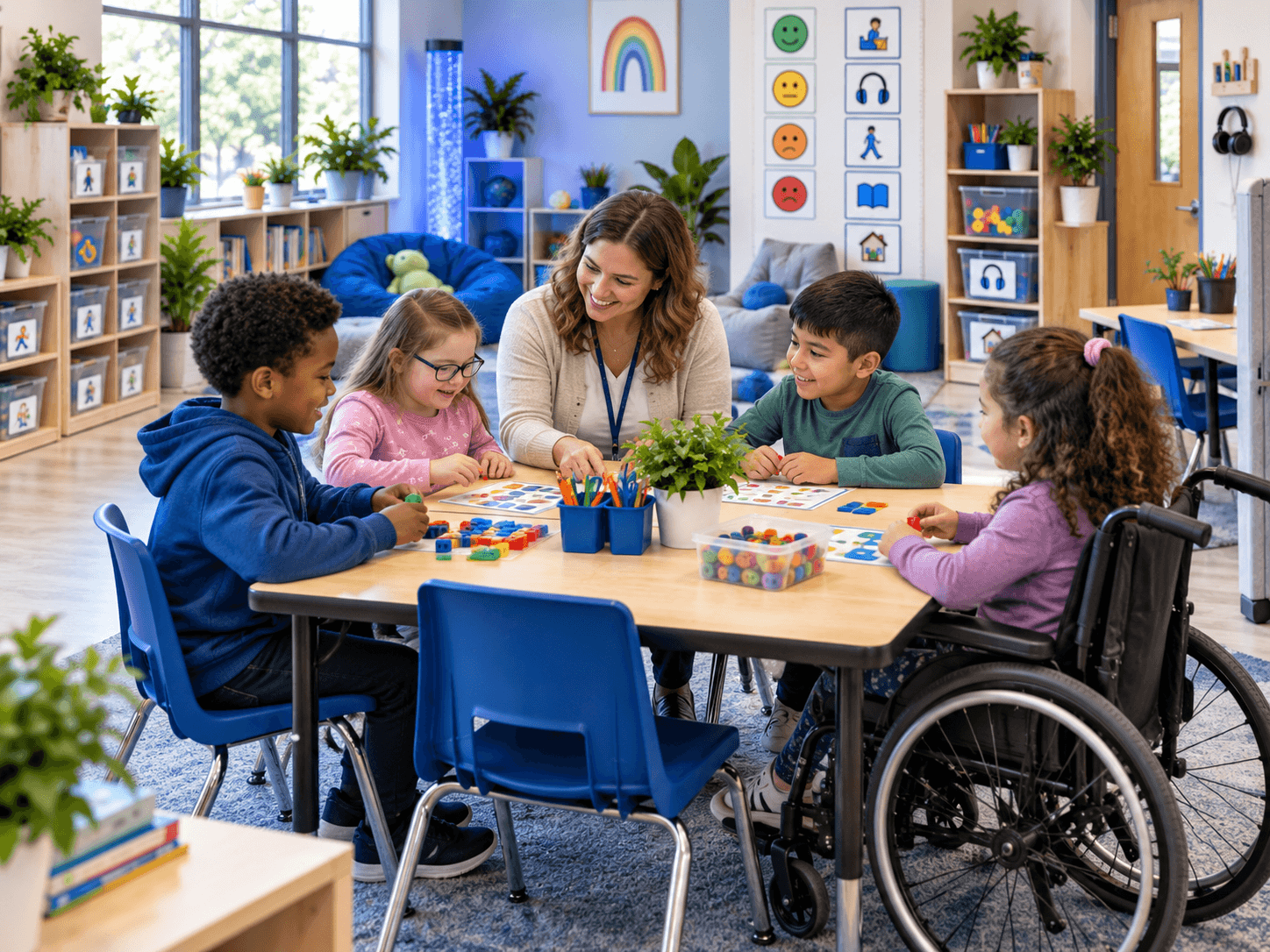
How the Physical Environment Impacts Learning and Behavior
Classroom layout affects attention, transitions, emotional regulation, and behavior. A crowded, noisy, visually busy room can be overwhelming for students who already struggle to process sensory input. A room without clear zones can make transitions confusing. A room without movement options can make it harder for sensory seeking students to stay regulated. A well planned special education classroom setup can reduce unnecessary stress by making the room predictable and purposeful.
Helpful environmental features include:
Clear traffic paths
Reduced clutter
Defined learning areas
Accessible materials
Calming spaces
Safe movement areas
Consistent routines
Organized supplies
When students understand the space, they are more likely to move through the day with confidence.
Step 1: Map Out Your Classroom Zones
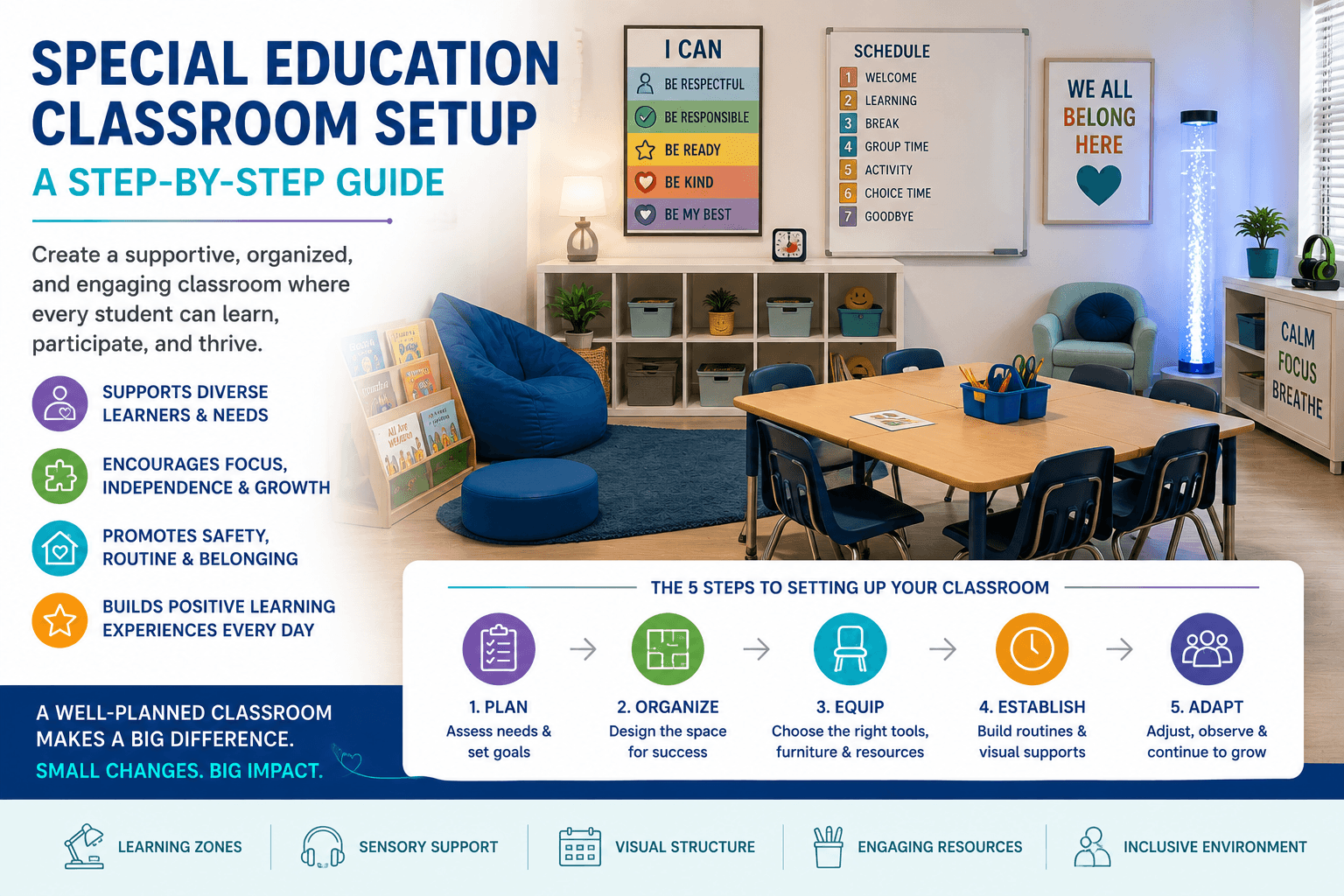
Zone based design is one of the most practical ways to organize a special education classroom. Each zone has a specific purpose, which helps students understand expectations and move between activities more successfully. A strong special education classroom setup may include the following zones.
Structured Learning Zone
The structured learning zone is where direct instruction, academic work, and teacher led lessons happen.
This area should be calm, predictable, and low distraction. Keep visual clutter limited and make sure students can clearly see the teacher, board, or instructional materials.
Helpful items include:
Individual desks or tables
Task boxes
Work bins
Simple storage systems
This zone works best when materials are easy to access but not visually overwhelming.
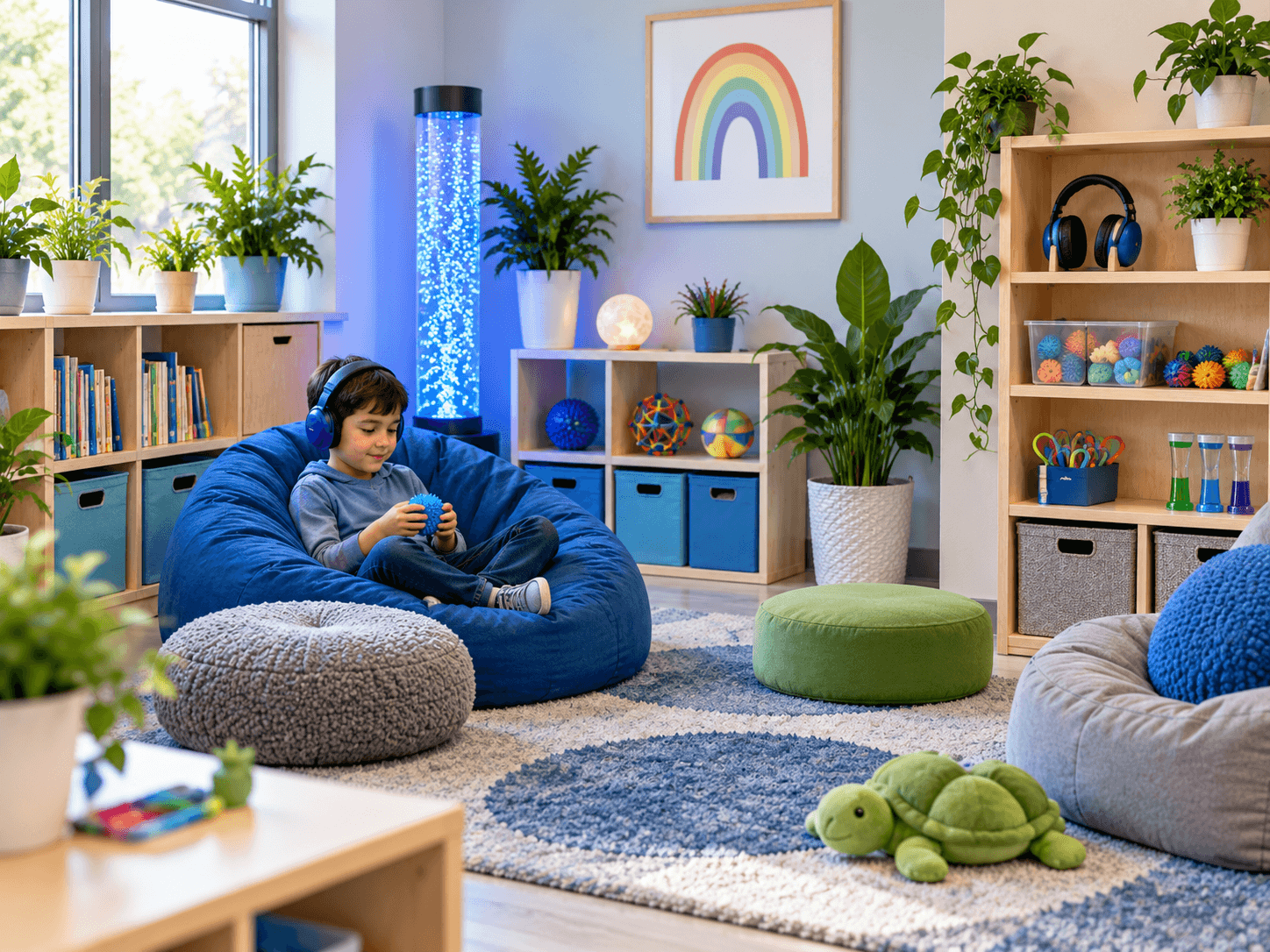
Sensory Regulation and Calm Down Zone
A calm down zone gives students a safe space to regulate without leaving the classroom. This area should never feel like punishment. It should feel supportive, predictable, and available when a student needs help managing sensory overload or emotional stress.
A sensory regulation zone may include:
Soft seating
Soft lighting
Sensory bottles
Tactile tools
Calm down cards
Breathing visuals
Including this area in your special education classroom setup helps students learn self regulation skills in a safe and structured way.
Gross Motor and Movement Zone
Many students need movement to stay focused and regulated. A movement zone gives students an appropriate place to stretch, balance, push, pull, climb, or complete therapy based movement activities.
Depending on space and supervision, this zone may include:
Resistance bands
Mini trampoline designed for therapy use
Foam blocks
Wall pushup space
Movement cards
This zone should be clearly defined and safely arranged. Equipment should be selected based on student age, ability, supervision, and therapy recommendations.
Independent Work and Daily Living Skills Zone
Many special education classrooms include functional learning goals. Students may practice sorting, matching, dressing skills, hygiene routines, food preparation steps, money skills, or other daily living activities.
This zone may include:
Task boxes
Dressing boards
Hygiene visuals
Life skills bins
Practice fasteners
Visual step by step instructions
This part of the room should support independence while still allowing staff to provide assistance when needed.
Small Group and Collaborative Work Zone
Small group areas support peer interaction, therapist led sessions, social skills practice, and collaborative learning.
This zone may include:
Round table or small group table
Flexible seating
Communication boards
Social story materials
Fine motor tools
Manipulatives
Shared task bins
Visual rules for group work
A thoughtful special education classroom setup gives students opportunities to work individually and with others.
Tips for Small or Shared Classrooms
Not every classroom has extra space. Teachers working in small or shared rooms can still create functional zones with creative planning.
Try these strategies:
Use rugs or floor tape to define areas
Choose mobile storage carts
Use folding tables when possible
Store sensory tools in labeled bins
Use wall mounted sensory panels to save floor space
Create portable calm down kits
Use room dividers or bookshelves to reduce distractions
Rotate equipment instead of keeping everything out
Keep pathways clear for mobility devices
A small special education classroom setup can still be effective when every item has a purpose.
Step 2: Choose Adaptive Furniture and Seating for Every Learner
Seating matters. If a student is uncomfortable, poorly positioned, or constantly seeking movement, learning becomes much harder.
Adaptive seating can support posture, attention, sensory regulation, and participation.
Adaptive Seating Options
Common adaptive seating choices include:
Adaptive activity chairs
Seat cushions
Wobble stools and movement cushions may help students who need gentle motion to focus. Positioning chairs may support students with low muscle tone, poor trunk control, cerebral palsy, or physical disabilities. Floor seats can support students during circle time, play, or low table activities.
The best seating option depends on the student’s body, sensory needs, attention span, and IEP goals.
Chill Out Chairs and Sensory Seating
Chill out chairs and sensory seating are useful for calming spaces, sensory corners, and classroom regulation areas.
These products can help students who need:
Enclosed seating
Soft support
A quiet reset space
Reduced sensory overload
A defined area for calming
Sensory seating should be used as a support tool, not a reward or punishment. The goal is to help students recognize when their bodies need a break and choose tools that help them return to learning.
Adaptive Furniture for Life Skills
Functional learning often requires furniture that supports real world practice. Adaptive tables, activity stations, adjustable desks, and supportive chairs can make life skills activities easier and safer.
Examples include:
Accessible work surfaces
Activity stations
Supported seating for fine motor work
Storage systems for daily living tools
A complete special education classroom setup should include furniture that supports both academic and functional goals.
Height Adjustable Tilting Benches - Medium
$289.95
The Height Adjustable Tilting Benches - Medium provides supportive seating designed to help children maintain better posture, stability, and alignment during seated activities, therapy sessions, and everyday developmental work. Created for users who do not need full back support but… read more

Matching Seating to IEP Goals
IEP goals should guide seating and furniture decisions.
For example:
A student working on handwriting may need stable seating and foot support
A student working on attention may benefit from sensory seating
A student working on feeding may need postural support
A student using AAC may need a table that positions the device within reach
A student with mobility challenges may need wheelchair accessible workspaces
Teachers should collaborate with occupational therapists, physical therapists, and families before choosing specialized seating.
Step 3: Build a Special Education Classroom Supply List
A strong supply list includes more than pencils, folders, and glue sticks. Students may need sensory tools, communication supports, adaptive writing tools, daily living materials, and regulation equipment.
A well rounded special education classroom setup may include supplies from these categories.
Sensory Motor Tools
Sensory motor tools help students regulate their bodies, improve attention, and participate in classroom activities.
Useful tools include:
Chair bands
These tools should be organized, labeled, and used intentionally.
Deep Pressure Products
Deep pressure products provide firm, calming sensory input that can help some students feel more grounded.
Examples include:
Weighted blankets used with supervision
Body socks
Deep pressure tools should be matched to the student’s needs and used according to school policy, therapist recommendations, and safety guidelines.
Sensory Wall Panels and Interactive Room Equipment
Sensory wall panels are especially helpful in classrooms because they provide sensory engagement without taking up floor space.
They may support:
Fine motor skills
Visual tracking
Cause and effect learning
Tactile exploration
Independent engagement
Sensory breaks
Interactive room equipment can make the classroom more engaging while supporting therapy and regulation goals.
Sensory Bundles and Kits
Sensory bundles are a practical starting point for teachers building a new classroom or calm down area. Bundles often include a mix of tactile tools, fidgets, weighted items, visual supports, and calming products.
They can be more efficient than buying every item separately and can help teachers quickly build a functional sensory toolkit.
Amazon vs Adaptive Specialty Suppliers
Many teachers search for special education classroom must haves on Amazon because it is familiar and fast. While Amazon may be useful for basic supplies, adaptive specialty suppliers offer advantages when purchasing therapeutic or specialized equipment.
| Buying Source | Best For | Considerations |
|---|---|---|
| Amazon | Basic classroom supplies, storage bins, simple fidgets | Product quality and therapeutic suitability can vary |
| Adaptive specialty supplier | Sensory equipment, adaptive seating, therapy tools, positioning products | Better fit for special education, therapy, and sensory needs |
For products that affect safety, posture, mobility, sensory regulation, or therapy goals, specialty suppliers are often the better choice.
Step 4: Set Up Movement Therapy and Positioning Equipment
Movement and positioning are important parts of many special education classrooms. Students may need support for gross motor development, posture, body awareness, and physical participation.
Indoor Therapy Gym Equipment
Indoor therapy equipment can support gross motor development and sensory regulation.
Examples include:
Foam shapes
This equipment should be used with appropriate supervision and installed according to safety guidelines.
Positioning Equipment
Students with cerebral palsy, low muscle tone, physical disabilities, or orthopedic needs may require positioning support to participate safely.
Positioning equipment may include:
Lateral supports
Head supports
Foot supports
Proper positioning can support comfort, breathing, feeding, communication, writing, and classroom engagement.
Mobility Aids and Wheelchair Access
A strong special education classroom setup must allow students using mobility aids to move safely and independently whenever possible.
Consider:
Wider pathways
Accessible desks
Clear storage areas
Safe transfer spaces
Wheelchair accessible tables
Charging areas for powered devices
Space for walkers, standers, and gait trainers
Easy access to classroom materials
Accessibility should be built into the room layout from the beginning.
Step 5: Add Assistive Technology and Learning Tools
Assistive technology helps students communicate, access lessons, and participate more fully.
Communication Tools
For nonverbal students or students with communication challenges, assistive technology may include:
Communication boards
Picture exchange systems
Switches
Speech generating devices
Visual choice boards
Tablet based communication tools
Mounting systems
Communication tools should be easy to access throughout the day, not stored away until specific activities.
Interactive Websites and Digital Learning Tools
Free interactive websites can support engagement, repetition, and differentiated instruction. Teachers may use digital tools for early literacy, math practice, social stories, visual schedules, cause and effect learning, and communication support.
When choosing digital tools, consider:
Student reading level
Accessibility features
Visual simplicity
Audio options
Fine motor demands
Data privacy
Ease of use
Digital learning should support IEP goals, not add unnecessary distraction.
Fine Motor and Cognitive Development Tools
Hands on learning tools can support fine motor skills, problem solving, matching, sorting, sequencing, and early academics.
Helpful items include:
Cause and effect toys
Visual matching tasks
Counting tools
These supplies support academic growth while also building functional hand skills.
Step 6: Create a Supply List for Parents
Teachers can help families support classroom success by creating a clear parent facing supply list.
This list may include:
Extra clothing
Noise reduction headphones
Comfort item if appropriate
Preferred fidgets
Adaptive utensils if needed
Communication notebook
Diapers or toileting supplies if needed
Wipes
Extra snacks when allowed
Sensory tools approved by the teacher or therapist
Medical or emergency supplies when applicable
Parent lists should be written clearly and sensitively. Avoid making families feel responsible for expensive equipment that should be provided through the school, district, or funding process.
Communicating Sensory and Adaptive Needs to Families
When discussing sensory or adaptive equipment with families, use respectful, practical language.
Instead of saying, “Your child cannot sit still,” say, “Your child seems to focus better when they have movement support. We are trying seating options that help their body stay regulated during learning.”
Good communication should explain:
What the need is
What support is being used
How it helps the student
Whether the family can use similar strategies at home
Whether therapist input is recommended
Whether documentation or funding may be needed
Families are more likely to support strategies when they understand the purpose behind them.
Step 7: Fund and Procure Classroom Equipment
Special education equipment can be expensive, especially when purchasing adaptive seating, sensory room equipment, positioning tools, or therapy equipment.
Schools may use several funding and procurement options.
Purchase Orders and Quote Requests
Many districts require purchase orders for classroom equipment. A quote request can help teachers, therapists, and administrators gather product details, pricing, and documentation before submitting a purchase request.
Purchase orders are helpful for:
Adaptive seating
Sensory room equipment
Therapy gym products
Mobility aids
Classroom sensory kits
Positioning equipment
Bulk classroom supplies
A quote can also help schools compare options and plan budgets.
Letters of Medical Necessity and Insurance Resources
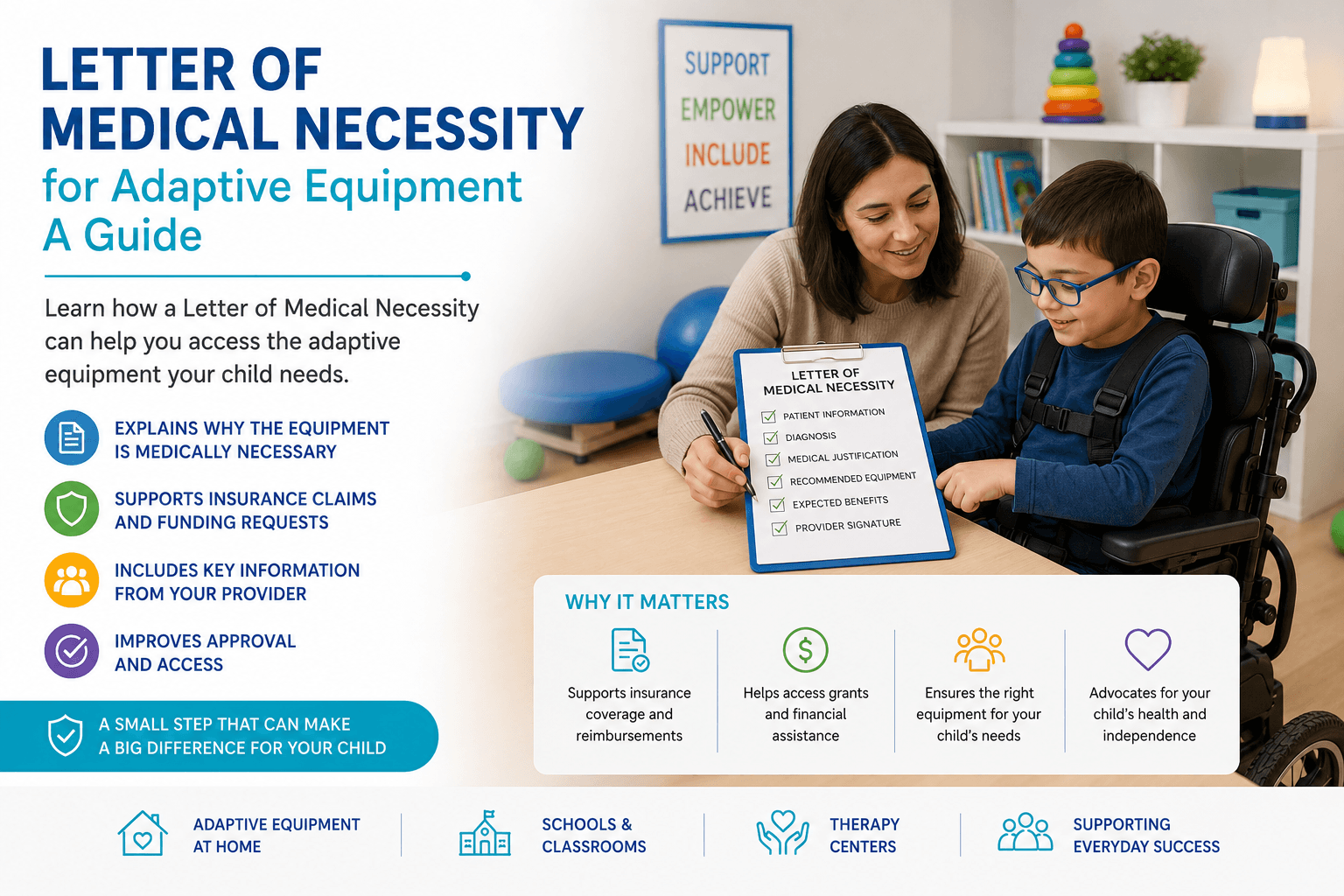
Some equipment may require a letter of medical necessity, especially if insurance, Medicaid, or outside funding is involved.
A letter of medical necessity may include:
Student diagnosis
Functional limitations
Requested equipment
Clinical justification
Expected benefit
Provider signature
Teachers, occupational therapists, physical therapists, and families may work together to gather supporting documentation.
Price Match and Financing Options
Budget conscious schools should compare pricing, warranty coverage, shipping, product quality, and support options before purchasing.
Helpful purchasing options may include:
Price match guarantees
Financing options when available
Grants
DonorsChoose campaigns
PTA support
District special education budgets
Local community funding
Bulk purchasing
Quote request services
The cheapest item is not always the best value if it is not durable, safe, or appropriate for student needs.
Special Education Classroom Must Haves Checklist
Use this checklist to plan your classroom setup.
| Category | Must Have Items |
|---|---|
| Structure | Visual schedules, labeled bins, timers, transition cues |
| Learning | Adaptive writing tools, task boxes, manipulatives, communication supports |
| Sensory regulation | Fidgets, weighted lap pads, calm down tools, noise reduction headphones |
| Seating | Adaptive chairs, wobble stools, floor seats, cushions, chill out chairs |
| Movement | Crash mats, resistance bands, balance tools, therapy balls |
| Daily living | Dressing boards, hygiene visuals, adaptive utensils, life skills bins |
| Communication | AAC devices, picture cards, communication boards, switches |
| Accessibility | Clear pathways, wheelchair accessible tables, safe transfer areas |
| Storage | Labeled bins, carts, shelves, individual student supply systems |
| Safety | Mats, secure installation, supervision rules, cleaning supplies |
A complete special education classroom setup does not require every item at once. Start with the tools that match your students’ highest priority needs, then add equipment over time.
Designing a Special Needs Classroom Where Every Student Can Thrive
A well planned special education classroom setup helps students feel safe, supported, and ready to learn. The best classrooms are structured but flexible, organized but not overwhelming, and equipped to meet a wide range of sensory, physical, communication, and learning needs.
Start with your students. Review their IEP goals, sensory profiles, mobility needs, communication systems, and daily routines. Then design the room around those needs.
When you combine clear classroom zones, adaptive furniture, sensory regulation tools, movement equipment, assistive technology, daily living materials, and thoughtful procurement planning, you create an environment where students can participate more fully.
The right special education classroom setup is not just about supplies. It is about giving every learner the support they need to succeed.
eSpecial Needs can help schools, teachers, therapists, and administrators find adaptive seating, sensory tools, therapy equipment, classroom supplies, sensory room products, and special education equipment that support safer, more inclusive learning environments.
FAQs
What is a special education classroom setup?
A special education classroom setup is the way a classroom is arranged, equipped, and organized to support students with disabilities, developmental delays, sensory needs, communication challenges, physical disabilities, or individualized learning goals. A strong setup includes structured learning zones, adaptive furniture, sensory regulation tools, assistive technology, movement equipment, and clear routines.
Why is classroom setup important in special education?
Classroom setup affects how students focus, move, communicate, regulate emotions, and participate in learning. A well planned environment can reduce distractions, support transitions, improve accessibility, encourage independence, and help students feel safer and more prepared throughout the school day.
What should be included in a special education classroom?
A special education classroom should include structured learning areas, a calm down zone, adaptive seating, sensory tools, communication supports, visual schedules, task boxes, movement equipment, life skills materials, accessible storage, and supplies that align with student IEP goals. The exact setup should depend on the needs of the students in the room.
How do you organize a special education classroom?
The best way to organize a special education classroom is to divide the room into clear zones. Common zones include a structured learning area, sensory regulation area, movement zone, independent work area, daily living skills area, and small group instruction area. Each zone should have a clear purpose and easy access to the tools students need.
What are the most important classroom zones for special education?
Important classroom zones include a direct instruction zone, independent work zone, sensory regulation zone, gross motor or movement zone, small group zone, and daily living skills zone. These spaces help students understand expectations and transition more easily between activities.
What is a calm down zone in a special education classroom?
A calm down zone is a quiet, supportive area where students can regulate emotions, manage sensory overload, or take a break before returning to learning. It may include soft seating, weighted lap pads, fidgets, noise reduction headphones, visual timers, calming visuals, tactile tools, and breathing supports.
Is a calm down corner the same as a time out space?
No. A calm down corner should not be used as punishment. It is a supportive regulation area where students can use sensory tools and coping strategies. The goal is to help students build self regulation skills, not isolate or discipline them.
What sensory tools should every special education classroom have?
Helpful sensory tools may include fidgets, weighted lap pads, therapy putty, resistance bands, noise reduction headphones, sensory cushions, visual timers, tactile balls, chair bands, sensory bottles, and calming cards. Classrooms with more space may also include crash mats, sensory wall panels, body socks, or therapy balls.
What adaptive seating works best in a special education classroom?
Common adaptive seating options include wobble stools, floor seats, positioning chairs, cube chairs, therapy ball chairs, rocking chairs, sensory cushions, and supportive classroom chairs. The best seating depends on the student’s posture, mobility, sensory needs, attention, and IEP goals.
How do I choose adaptive seating for a student?
Start with the student’s functional needs. Consider whether the student needs movement, postural support, foot support, trunk stability, sensory input, or help staying engaged. Teachers should collaborate with occupational therapists, physical therapists, and families before choosing specialized seating.
What is a sensory regulation area?
A sensory regulation area is a classroom space that provides tools to help students calm, focus, or organize their bodies. It may include deep pressure tools, tactile items, movement supports, soft seating, low lighting, and visual calming strategies.
What deep pressure tools can be used in special education classrooms?
Deep pressure tools may include weighted lap pads, compression vests, weighted blankets used with supervision, body socks, crash pads, deep pressure pillows, sensory tunnels, and chill out chairs. These tools can support students who benefit from firm, calming sensory input.
Are weighted blankets safe in classrooms?
Weighted blankets may be appropriate for some students when used with supervision, proper sizing, and school approval. They should never restrict breathing, cover the face, or prevent a student from moving or getting up independently. An occupational therapist should help determine whether a weighted item is appropriate.
What movement equipment is useful for special education classrooms?
Useful movement equipment may include crash mats, therapy balls, balance boards, resistance bands, scooter boards, foam blocks, sensory tunnels, chair bands, and movement cards. Larger classrooms or therapy spaces may also include swings, climbing equipment, or soft play structures when safely installed and supervised.
How can movement breaks help special education students?
Movement breaks can help students release energy, improve body awareness, reduce restlessness, support focus, and regulate sensory input. For some students, movement before academic work can improve attention and participation.
How should a classroom be arranged for students using wheelchairs or mobility aids?
Classrooms should have wide pathways, accessible tables, clear transfer areas, easy access to supplies, and enough space for wheelchairs, walkers, standers, or gait trainers. Mobility equipment should be considered during the initial classroom layout, not added as an afterthought.
What equipment supports students with cerebral palsy in the classroom?
Students with cerebral palsy may benefit from adaptive seating, positioning chairs, standers, wedges, lateral supports, head supports, foot supports, wheelchair accessible tables, adaptive writing tools, communication devices, and bathing or toileting supports when needed in school settings.
What assistive technology should be included in a special education classroom?
Assistive technology may include AAC devices, communication boards, switches, speech generating devices, visual choice boards, tablets with accessibility tools, adaptive keyboards, mounting systems, and switch adapted toys. Communication tools should be accessible throughout the day.
What are classroom must haves for students with autism?
Classroom must haves for autistic students may include visual schedules, sensory tools, communication supports, calm down areas, noise reduction headphones, predictable routines, structured work systems, social stories, fidgets, adaptive seating, and transition supports.
What are classroom must haves for students with ADHD?
Helpful tools for students with ADHD may include flexible seating, movement breaks, fidgets, visual timers, task checklists, chair bands, weighted lap pads, organized workstations, reduced visual clutter, and clear routines.
What should be on a special education classroom supply list?
A special education classroom supply list may include visual schedules, timers, fidgets, adaptive writing tools, manipulatives, task boxes, communication supports, sensory tools, cleaning supplies, labeled bins, life skills materials, extra clothing, hygiene supplies, and student specific adaptive items.
What should teachers ask parents to provide?
Parent facing supply lists may include extra clothing, preferred comfort items, approved fidgets, communication notebooks, wipes, hygiene supplies, snacks when allowed, diapers or toileting supplies if needed, and any personal sensory tools used at home. Expensive adaptive equipment should usually be handled through school, district, insurance, or funding processes.
How can teachers explain sensory needs to parents?
Teachers should use respectful and practical language. Instead of describing a student as difficult or disruptive, explain what support helps the student participate. For example, “Your child focuses better when they have movement breaks” or “A weighted lap pad seems to help during seated work.”
How do I set up a special education classroom in a small space?
Use portable sensory kits, labeled bins, rolling carts, folding tables, wall mounted sensory panels, rugs or tape to define zones, and multipurpose furniture. Keep pathways clear and rotate equipment instead of keeping every item out at once.
Are sensory wall panels good for special education classrooms?
Yes. Sensory wall panels are useful because they provide tactile, visual, and interactive input without taking up floor space. They can support fine motor development, independent engagement, sensory exploration, and calm down routines.
Should schools buy special education classroom supplies from Amazon or a specialty supplier?
Amazon may be useful for basic supplies, but adaptive specialty suppliers are often better for therapeutic equipment, adaptive seating, sensory room products, positioning devices, and products tied to safety or IEP goals. Specialty suppliers usually offer more appropriate product categories and better support.
How can schools fund special education classroom equipment?
Schools may use special education budgets, district funds, grants, DonorsChoose campaigns, PTA support, Medicaid or insurance when applicable, purchase orders, quote requests, and community funding. Funding options depend on the equipment type and how it supports student needs.
What is a purchase order for special education equipment?
A purchase order is a school or district purchasing document used to order approved equipment from a vendor. Purchase orders help schools manage procurement for adaptive seating, sensory equipment, therapy tools, positioning equipment, classroom kits, and other special education supplies.
When is a letter of medical necessity needed?
A letter of medical necessity may be needed when adaptive equipment is being requested through insurance, Medicaid, grants, or certain school funding pathways. It explains why the equipment is necessary for the student’s diagnosis, safety, function, therapy goals, or classroom participation.
How can teachers align classroom equipment with IEP goals?
Teachers can align equipment with IEP goals by identifying what each student needs to participate. For example, adaptive seating may support writing goals, AAC devices may support communication goals, sensory tools may support regulation goals, and life skills materials may support independence goals.
What is the best first step when setting up a special education classroom?
The best first step is to review student needs and IEP goals before buying equipment. Identify sensory, mobility, communication, behavioral, academic, and daily living needs. Then build classroom zones and supply lists around those priorities.
How can eSpecial Needs help with special education classroom setup?
eSpecial Needs offers adaptive seating, sensory tools, therapy equipment, classroom supplies, sensory room products, positioning equipment, deep pressure tools, and special education equipment. Schools, teachers, therapists, and administrators can compare products, request quotes, and find equipment that supports inclusive classroom design.