Table of Contents
- What Is Sensory Integration Therapy?
- The Science Behind Sensory Integration From an OT Perspective
- Who Benefits Most From Sensory Integration Therapy?
- Key Benefits of Sensory Integration Therapy
- Benefits for Children With Autism
- Benefits for Kids With Sensory Processing Disorder
- Sensory Integration Therapy Techniques Used by OTs
- Deep Pressure Therapy Techniques
- Vestibular and Proprioceptive Input Techniques
- Tactile Desensitization Techniques
- Sensory Integration Activities You Can Try at Home
- Activities for Toddlers and Young Children
- Activities for School Age Kids
- Sensory Integration Therapy Examples in Daily Routines
- Recommended Tools and Equipment for Home Sensory Integration
- Deep Pressure and Calming Products
- Indoor Therapy Gym and Movement Equipment
- Sensory Kits and Bundles for Home Use
- How to Build a Sensory Routine That Sticks
- Working With Your Child’s OT for a Home Sensory Diet
- Sensory Integration Therapy Near Me
- Sensory Integration Therapy PDF and Book Resources
- Shop Home Sensory Integration Tools at eSpecial Needs
- FAQs
Sensory Integration Therapy at Home: Tips That Work
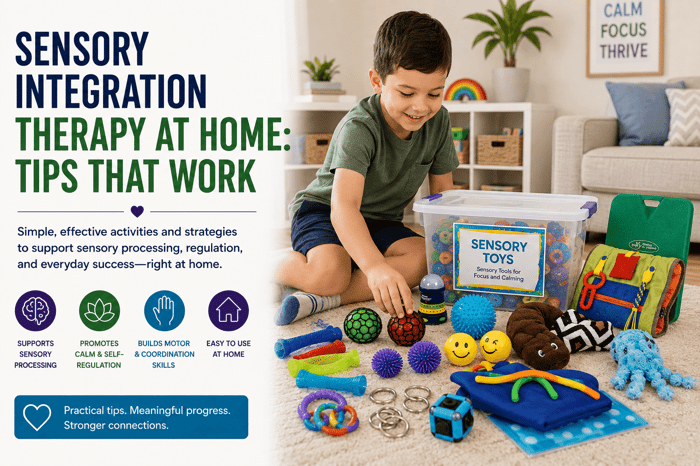
Sensory integration therapy at home can help children practice calming, movement, tactile, and body awareness activities between occupational therapy sessions. While true sensory integration therapy is usually guided by a trained occupational therapist, parents and caregivers can use therapist recommended sensory routines at home to support regulation, focus, confidence, and daily participation.
A home sensory routine may include deep pressure, swinging, crawling, pushing, pulling, tactile play, sensory bins, obstacle courses, weighted tools, and calming spaces. The goal is not to overwhelm a child with activities. The goal is to offer the right sensory input at the right time so the child can feel more organized and ready for daily routines.
Explore Sensory Products, Deep Pressure Products, Sensory Motor Tools, Sensory Room Equipment, and Sensory Bundles and Kits at eSpecial Needs.
What Is Sensory Integration Therapy?
Sensory integration therapy is an occupational therapy approach that helps the brain process and respond to sensory input more effectively. Sensory input includes what a child sees, hears, touches, tastes, smells, and feels through movement and body position.
Some children have difficulty organizing sensory information. They may become overwhelmed by noise, avoid certain textures, constantly seek movement, struggle with transitions, dislike grooming, or have trouble staying focused. Sensory integration therapy uses carefully planned activities to help the child respond to sensory input in a more regulated way.
Sensory integration therapy may support:
Sensory regulation
Motor planning
Focus and attention
Body awareness
Balance and coordination
Emotional regulation
Tolerance for textures, sounds, and movement
Participation in daily routines
Classroom readiness
Play skills
Self calming strategies
Large Razzle-Dazzle Marble LED Sensory Wall Panel - Visual & Tactile Stimulation

$1,500.00
$1,650.00
The Large Razzle-Dazzle Marble LED Sensory Wall Panel is an interactive sensory wall panel designed to support visual, tactile, and auditory stimulation in sensory rooms, therapy spaces, classrooms, and care environments. With more than 2,000 colored marbles, built-in LED lighting,… read more
The Science Behind Sensory Integration From an OT Perspective
Sensory integration OT approaches are often connected to Ayres Sensory Integration, a framework developed by occupational therapist A. Jean Ayres. This approach focuses on how the nervous system takes in, organizes, and uses sensory information to support movement, learning, behavior, and participation. AOTA describes OT using Ayres Sensory Integration as an intervention based on sensory integration theory, developmental science, neuroplasticity, and occupational therapy principles.
From an OT perspective, sensory integration is not just about calming a child. It is about helping the brain and body work together so the child can participate more successfully in real life activities.
Important sensory systems include:
Tactile input from touch
Vestibular input from movement and balance
Proprioceptive input from muscles and joints
Auditory input from sound
Visual input from sight
Oral sensory input from the mouth
Interoceptive input from internal body signals
When these systems are difficult to process, everyday activities can feel harder. Getting dressed, brushing teeth, sitting in class, playing with peers, eating meals, moving through a busy store, or falling asleep may become stressful. Sensory integration strategies can help build more supportive routines.
Who Benefits Most From Sensory Integration Therapy?
Sensory integration therapy may benefit children who struggle with sensory processing, movement, regulation, attention, or daily routines. It is often used for children with autism, sensory processing disorder, ADHD, developmental delays, cerebral palsy, coordination challenges, trauma histories, anxiety, or other sensory related needs.
Children may benefit if they:
Avoid certain textures or clothing
Cover their ears often
Seek spinning, swinging, jumping, or crashing
Dislike grooming or toothbrushing
Have frequent meltdowns after sensory overload
Struggle with transitions
Have poor body awareness
Bump into furniture or people
Have difficulty sitting for learning
Seek deep pressure or tight spaces
Are sensitive to lights, sounds, smells, or movement
Need help calming after busy environments
Sensory integration therapy for adults may also be helpful. Adults with autism, ADHD, anxiety, sensory processing differences, trauma histories, or neurological conditions may use sensory tools and routines to support work, sleep, travel, stress management, and daily living.
Key Benefits of Sensory Integration Therapy
The benefits of sensory integration therapy can vary, but many families and therapists use sensory strategies to support daily functioning. Sensory based therapies often include vestibular, proprioceptive, auditory, and tactile input, according to the American Academy of Pediatrics. AAP also recommends that families monitor whether these approaches are actually helping the child’s functional goals.
Possible benefits of sensory integration therapy may include:
Improved sensory regulation
Better focus during daily tasks
Improved motor planning
Increased tolerance for textures and sounds
Better transitions
Improved balance and coordination
Calmer bedtime routines
Improved classroom participation
Greater body awareness
Reduced sensory seeking distress
More confidence during play
Better participation in grooming, meals, and dressing
Portable Bubble Tube With Base

$899.00
$950.00
The Portable Bubble Tube brings the calming experience of a larger sensory bubble tube into a more compact format. Its smaller footprint makes it a practical choice for homes, classrooms, therapy offices, sensory rooms, clinics, calming corners, and other spaces… read more
Benefits for Children With Autism
Sensory integration therapy for autism may be helpful because many autistic children experience sensory input differently. Some children are hypersensitive and easily overwhelmed. Others are hyposensitive and seek stronger movement, pressure, or tactile input. Many children experience both.
Sensory integration activities may help autistic children:
Prepare for transitions
Recover after overstimulation
Tolerate daily routines more comfortably
Build body awareness
Support motor planning
Practice calming strategies
Participate in play
Improve tolerance for tactile experiences
Return to learning after sensory breaks
The goal is not to stop autistic behaviors or change who the child is. The goal is to support comfort, communication, safety, and participation.
Benefits for Kids With Sensory Processing Disorder
Children with sensory processing disorder may struggle to respond to everyday sensory input in a way that feels manageable. A child may avoid touch, seek strong movement, dislike loud sounds, become upset by clothing, or need extra body input to stay organized.
Sensory integration activities occupational therapy providers may recommend can help children gradually experience sensory input in a supported way.
For example:
A child who avoids textures may start with dry sensory bins before trying messier materials
A child who seeks movement may use swinging or obstacle courses before seated work
A child who becomes overwhelmed by noise may use headphones and calming routines
A child who seeks pressure may use weighted lap pads, compression, or heavy work tasks
Sensory Integration Therapy Techniques Used by OTs
Sensory integration therapy techniques are usually chosen based on the child’s sensory profile, motor skills, safety needs, and goals. Occupational therapists may use a combination of movement, touch, deep pressure, visual input, auditory support, and body awareness activities.
Common sensory integration therapy techniques include:
Deep pressure activities
Proprioceptive heavy work
Vestibular movement activities
Tactile play
Gradual texture exposure
Therapy swings
Obstacle courses
Compression tools
Weighted products
Sensory brushing when professionally recommended
Balance activities
Motor planning games
Sensory room routines
Parents should work with an OT before starting intense vestibular activities, brushing protocols, joint compressions, or any routine that could be unsafe if done incorrectly.
Institutional Tickle Me Giant Tunnel

$198.75
$297.99
Giant Sensory Tunnel for Inclusive Play The Institutional Tickle Me Giant Tunnel creates an engaging sensory play experience for children of different abilities. Its large 9 1/2 foot design gives children room to crawl, move, explore, and interact while supporting… read more
Deep Pressure Therapy Techniques
Deep pressure input provides firm, steady pressure to the body. It may be calming for some children because it gives clear proprioceptive feedback through the muscles and joints.
Deep pressure techniques may include:
Weighted blankets when safe and appropriate
Body socks
Firm pillow squeezes
Deep pressure hugs with consent
Therapy ball pressure guided by an OT
Heavy work activities
Explore Deep Pressure Products, Weighted Products, Weighted Blankets, and Weighted Lap Pads.
Vestibular and Proprioceptive Input Techniques
Vestibular input comes from movement and balance. Proprioceptive input comes from muscles and joints. These two systems often work together during sensory integration activities.
Vestibular activities may include:
Swinging
Rocking
Rolling
Crawling
Balance activities
Therapy ball movement
Scooter board activities with supervision
Proprioceptive activities may include:
Wall push ups
Animal walks
Carrying laundry
Pushing a heavy box
Pulling resistance bands with supervision
Jumping into a crash pad
Crawling through tunnels
Climbing soft play shapes
Explore Swings, Vestibular Motion, Crash Pads, Soft Play, and Indoor Therapy Gyms.
Tactile Desensitization Techniques
Tactile desensitization helps children gradually tolerate touch, textures, and messy materials. The key is to move slowly and avoid forcing the child to touch something distressing.
Tactile activities may include:
Water play
Play foam
Putty
Soft fabrics
Textured balls
Finger painting when tolerated
Sand play
Scooping and pouring activities
Texture matching games
Some brushing protocols are used by trained therapists, but they should not be started without professional instruction.
Explore Tactile Stimulation Products, Fidget Toys, and Sensory Products.
Sensory Integration Activities You Can Try at Home
Home activities can reinforce OT goals between therapy sessions. Keep activities short, safe, and matched to your child’s needs. A sensory activity should help the child feel more organized, not more overwhelmed.
Good home activities include:
Obstacle courses
Wall push ups
Heavy work chores
Crawling games
Swinging when safely installed
Rolling on mats
Jumping onto crash pads
Weighted lap pad reading time
Tactile play with putty
Calming corner routines
Visual timer breaks
Track what helps. If an activity makes your child more upset, unsafe, dizzy, or disorganized, stop and ask your OT for guidance.
Activities for Toddlers and Young Children
Toddlers and young children need simple, closely supervised sensory activities. Start with short play sessions and watch for signs of fatigue or overstimulation.
Helpful sensory integration activities include:
Water play with cups
Dry sensory bins with large safe items
Rolling a ball back and forth
Rocking in a chair
Crawling through a tunnel
Walking over pillows
Pushing a laundry basket
Sorting soft textured toys
Playing with sensory putty when age appropriate
Gentle deep pressure with consent
Animal walks
Dancing to music
Avoid small objects for children who mouth items.
Activities for School Age Kids
School age children may enjoy more structured sensory integration therapy examples at home.
Ideas include:
Build an obstacle course
Carry books or laundry
Do wall push ups before homework
Use a weighted lap pad during reading
Swing before seated work when recommended
Jump onto a crash pad
Crawl through a tunnel
Use therapy putty
Do yoga poses
Push a box across the floor
Play catch with a weighted ball when appropriate
Use a visual timer for sensory breaks
These activities can be built into homework routines, after school decompression, morning prep, or bedtime wind down.
Sensory Integration Therapy Examples in Daily Routines
Sensory strategies work best when they fit real life. Instead of adding a long list of extra tasks, build sensory input into daily routines.
Morning routine examples:
Wall push ups before dressing
Compression clothing if tolerated
Visual schedule for steps
Heavy backpack carrying with appropriate weight
Noise reducing headphones for loud mornings
Mealtime examples:
Foot support at the chair
Weighted lap pad during seated meals
Tactile play away from food for texture tolerance
Calm lighting
Choice board for food selection
Bedtime examples:
Dim lights
Weighted lap pad during reading
Firm pillow squeeze with consent
Quiet fidget
Deep pressure blanket only when safe
Predictable visual bedtime routine
Recommended Tools and Equipment for Home Sensory Integration
The right equipment can make sensory integration therapy at home easier to use consistently. Start small with tools that match your child’s needs and build from there.
Helpful home sensory tools may include:
Weighted lap pads
Compression vests
Body socks
Crash pads
Swings
Therapy balls
Sensory seating
Fidgets
Tactile tools
Sensory bins
Noise reducing headphones
Visual timers
Sensory room bundles
Soft play equipment
Deep Pressure and Calming Products
Deep pressure and calming products are helpful for children who seek firm pressure, compression, or calming sensory input.
Options may include:
Weighted blankets
Weighted lap pads
Compression tools
Body socks
Sensory seating
Bean bags
Chill out chairs
Crash pads
Calming sensory kits
Explore Calming Sensory Products, Deep Pressure Products, and Sensory Seating.
Indoor Therapy Gym and Movement Equipment
Indoor therapy gym equipment can support vestibular and proprioceptive goals at home. These tools are especially useful for children who seek movement, climbing, jumping, crashing, or heavy work.
Options may include:
Therapy swings
Crash pads
Foam mats
Balance beams
Soft play shapes
Indoor climbers
Therapy balls
Tunnels
Sensory motor tools
Explore Indoor Therapy Gyms, Sensory Motor Tools, and Soft Play.
Sensory Kits and Bundles for Home Use
Sensory kits and bundles can make it easier for families to start a home sensory routine. Instead of choosing every item separately, a kit may include a combination of calming, tactile, movement, and focus tools.
Sensory kits may be helpful for:
New home routines
Travel
School support
Therapy carryover
Calm down spaces
Sensory breaks
Daily regulation
Explore Sensory Bundles and Kits, Sensory Room Packages, and Travel Sensory Kit.
How to Build a Sensory Routine That Sticks
A sensory routine is easier to follow when it is simple, predictable, and realistic.
Tips for building a home sensory routine:
Start with one or two activities
Use the same time each day
Pair sensory input with daily routines
Use a visual schedule
Track what helps and what does not
Keep sessions short at first
Offer choices
Watch for signs of overload
Adjust based on your child’s response
Share results with your child’s OT
A simple routine might be: wall push ups, weighted lap pad during reading, then homework. Another routine might be: obstacle course, crash pad, water break, then bedtime routine.
Working With Your Child’s OT for a Home Sensory Diet
A sensory diet is a personalized plan of sensory activities used throughout the day. It should be created with professional guidance, especially for children with complex sensory, motor, behavioral, or medical needs.
Ask your child’s OT:
Which sensory systems need support?
Which activities calm my child?
Which activities alert my child?
How long should each activity last?
How often should we use the routine?
What signs mean we should stop?
Are swings or movement tools safe?
Are weighted products appropriate?
Can we use this at school too?
How should we track progress?
A strong home sensory diet should support real life participation, not just sensory play.
Sensory Integration Therapy Near Me
Families searching for sensory integration therapy near me can start by contacting a pediatric occupational therapist, school therapy team, autism clinic, early intervention program, children’s hospital, or outpatient therapy clinic.
When choosing a provider, ask:
Do you provide sensory integration OT?
Are you trained in Ayres Sensory Integration?
Do you offer home sensory diet recommendations?
Can you help with school strategies?
Do you work with autism or sensory processing disorder?
Do you provide caregiver training?
Can you recommend home equipment?
Do you offer written plans or therapy handouts?
A qualified occupational therapist can help determine which strategies are appropriate for your child.
Sensory Integration Therapy PDF and Book Resources
Many parents search for a sensory integration therapy PDF, sensory integration therapy for autism PDF, or sensory integration therapy book PDF to learn more. Educational handouts and books can be useful, but they should not replace an individualized occupational therapy plan.
When reviewing sensory integration resources, look for:
Licensed OT authors or reviewers
Clear safety guidance
Age appropriate activity ideas
Practical home routines
Evidence informed explanations
Advice to consult professionals for complex needs
No promises of guaranteed results
Use PDFs and books as learning tools, then work with your child’s OT to choose the right activities.
Shop Home Sensory Integration Tools at eSpecial Needs
eSpecial Needs offers sensory tools, movement equipment, calming products, tactile supports, deep pressure items, sensory seating, and sensory room equipment for home, school, and therapy use.
Helpful categories include:
FAQs
How do I know if a sensory activity is helping my child?
A sensory activity may be helping if your child seems calmer, more focused, more comfortable, more organized, or better able to transition afterward. Helpful signs may include slower breathing, improved attention, less pacing, smoother transitions, better participation, or fewer signs of distress.
If your child becomes more upset, dizzy, unsafe, overly silly, withdrawn, or unable to settle afterward, the activity may need to be changed or stopped.
Can too much sensory input make things worse?
Yes. Too much sensory input, the wrong type of input, or an activity used at the wrong time can make some children feel more overwhelmed or dysregulated. For example, spinning, bright lights, messy textures, or loud sounds may be too much for some children.
Start slowly, offer choices, and stop if your child shows discomfort or distress.
What should I do if my child refuses a sensory activity?
Do not force it. Refusal may mean the activity feels uncomfortable, confusing, overwhelming, boring, or poorly timed. Offer a different option, reduce the intensity, shorten the activity, or try again another day.
Sensory integration activities should feel supportive and respectful, not like a demand.
Can siblings participate in home sensory activities?
Yes, siblings can often participate when the activity is safe and supervised. Obstacle courses, sensory bins, ball play, crawling games, and movement breaks can become inclusive family activities.
Make sure each child has rules, space, and activities that match their age and abilities.
Can sensory tools be used during homework?
Yes. Some children benefit from sensory supports during homework, such as a weighted lap pad, foot fidget, movement cushion, visual timer, putty, or short movement breaks.
The best tool should support attention without becoming a distraction.