When it comes to ensuring accessibility in your home, ramps can be a transformative addition, especially for individuals with mobility challenges. Whether you're seeking a ramp for yourself or a loved one, the right solution can make navigating steps, thresholds, or uneven surfaces much more accessible. Choosing a ramp that accommodates wheelchairs, scooters, walkers, or canes is crucial for safety and convenience. But with various ramps available, it's essential to consider several key factors to ensure the ramp you choose best suits your unique needs. Here's a comprehensive guide to help you find the right ramp for your home.
Determine Whether You Need a Temporary or Permanent Ramp
The first consideration when selecting a ramp is whether it will be used temporarily or permanently. Temporary ramps are ideal if you need a solution for short-term use—perhaps you're recovering from surgery or hosting a guest with mobility needs. Portable or threshold ramps can easily be placed where needed and removed once they're no longer required.
On the other hand, if the ramp serves a long-term or permanent purpose, such as daily access to your home, a more robust and semi-permanent or permanent ramp is likely a better investment. Semi-permanent ramps are often made of durable materials and can be installed securely, allowing for future removal or adjustments.
Define the Purpose of the Ramp
Understanding where and how the ramp will be used is critical to selecting the right type. Are you looking for a ramp to use indoors or outdoors? Will it provide access to your front or back door? You may also need a ramp to help navigate a porch, deck, or garage entrance.
Ramps need to withstand weather conditions for outdoor use and have features like slip resistance and drainage. Indoor ramps, meanwhile, should be designed to blend seamlessly with your home's interior while offering secure footing. Determining the ramp's exact purpose and where it will be used will help you choose the suitable materials, design, and size.
Consider Who Will Be Using the Ramp
Another crucial factor is the ramp user's specific needs. Different individuals have varying levels of mobility, and the type of mobility device they use will impact your ramp choice. For example, a power wheelchair will likely require a wider ramp with a greater weight capacity than someone using a cane or walker.
Slope and incline are critical considerations as well. A steeper ramp may be manageable for someone using a walker but could be dangerous for a wheelchair user. Standard guidelines recommend that the ramp should be at least one foot long for every inch of rise to provide a safe and manageable incline. Be sure to measure carefully and consider the comfort and ease of use for the person relying on the ramp.
Assess the Location and Space Available
Next, consider the location where you plan to install the ramp. Whether a few steps lead to your front door or a raised entry threshold, the space available will play a significant role in your ramp selection. Measure the height of the obstacle to determine how long the ramp should be. Longer ramps typically provide a gentler slope, which is safer for the user.
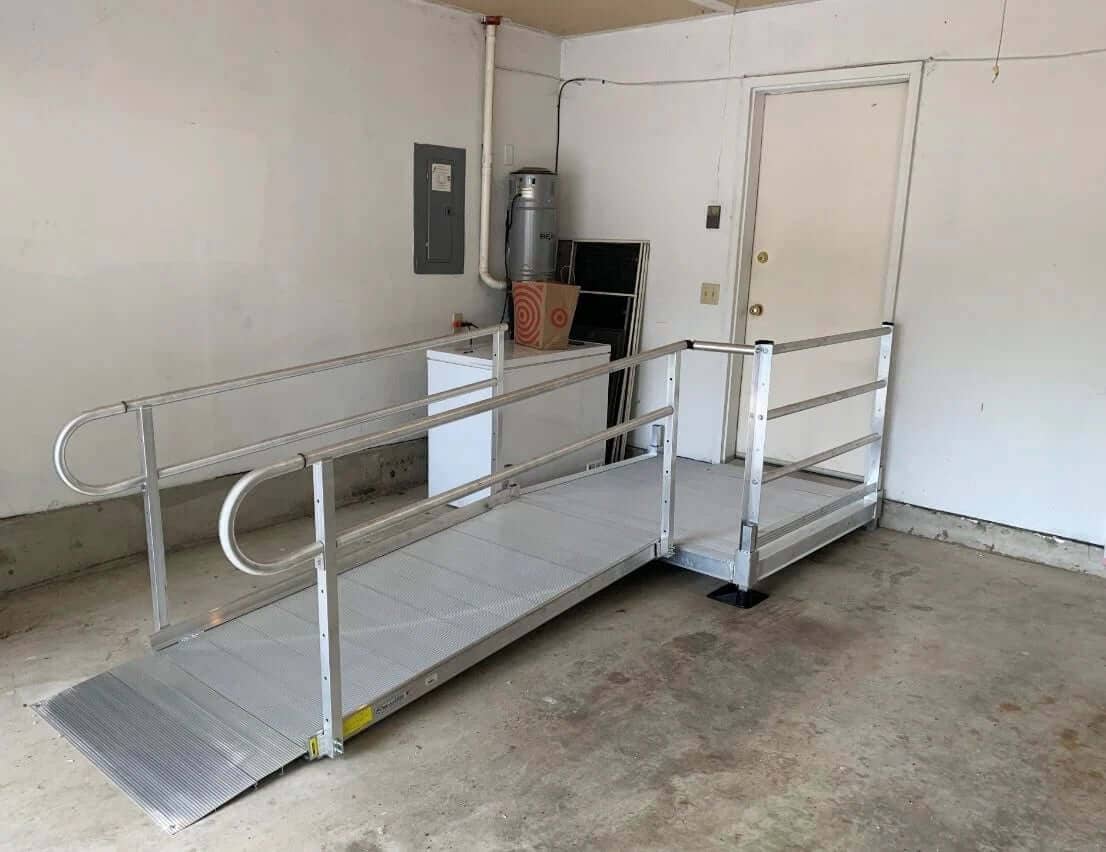
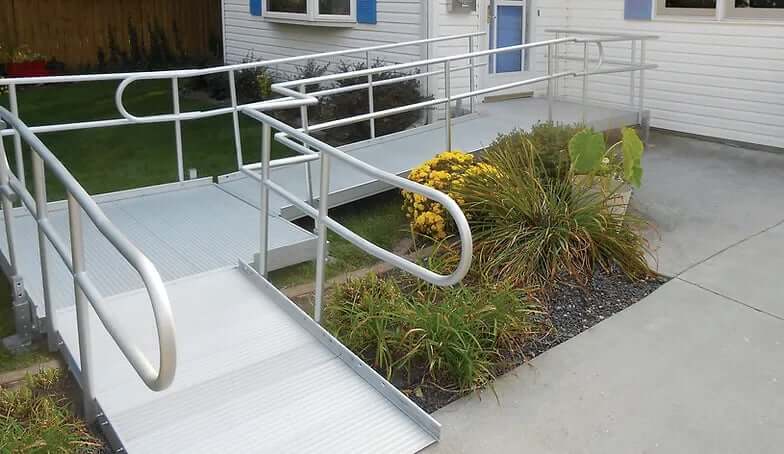
Space constraints, such as the room at the entrance or in a hallway, will also impact whether a straight or platform ramp is best. Platform ramps allow for landings and turns, which can be helpful in confined spaces or when a longer ramp is not feasible.
Additionally, think about the surrounding environment. Is there enough clearance for users to comfortably navigate onto and off the ramp? Is the area prone to weather conditions like rain or snow that could affect traction or safety? Ensuring the ramp is easy to use and accessible from all sides is vital for promoting safe and practical mobility.
Types of Ramps to Consider
Once you've evaluated your needs, it's time to explore the different types of ramps available. At eSpecial Needs, we offer a range of ramp solutions to accommodate various needs and environments:
- Portable Ramps: Ideal for temporary or travel needs, portable ramps are lightweight and easy to set up. They are often foldable, making them perfect for people who require occasional accessibility solutions.
- Threshold Ramps are small ramps designed to help navigate raised doorways or small steps. They're perfect for indoor use and are often made from aluminum or rubber for durability and ease of installation.
- Modular Ramps: For those who need a longer-term solution, modular ramps are highly customizable and can be built to suit a wide range of entryways. They can be assembled in various configurations to suit your space and mobility requirements.
- Permanent Ramps: These ramps are designed for long-term use and are typically constructed from sturdy materials like aluminum or wood. Permanent ramps provide reliable, durable access to homes and buildings and are securely installed to withstand daily use.
Importance of Safety and Compliance
Ensuring that your ramp meets all safety standards and regulations is critical. Ramps should comply with ADA (Americans with Disabilities Act) guidelines, which outline the necessary dimensions, slope, and weight capacity to ensure safe usage. Depending on your location, local building codes may also require specific features for ramps installed in residential homes.
Safety features such as handrails, non-slip surfaces, and edge barriers are essential for preventing falls or accidents. These features can be particularly helpful in outdoor environments where rain or snow could make surfaces slick. Consult a professional to ensure your ramp is functional and compliant with all applicable guidelines.
Conclusion
Selecting the right ramp for your home requires careful thought and planning. By assessing the ramp's intended use, its location, and the needs of the individual who will be using it, you can make an informed choice that ensures everyone's safety and ease of access. At eSpecial Needs, we offer a wide range of ramp solutions to fit any situation, from portable ramps for short-term use to permanent ramps for everyday accessibility.
If you need help figuring out where to start, our team is ready to help guide you through the selection process, ensuring you find the right ramp to meet your needs. You can also use our Ramp Selector tool to help you identify the best options based on your specific requirements.
Whether you need a threshold ramp for a small entryway or a more extensive modular system to navigate multiple steps, eSpecial Needs is here to provide you with the highest quality products and services. Contact us today to learn more!