As summer winds down, teachers all over the country are preparing their classrooms for the beginning of a new school year. To create the best learning environment for all their students, they must take every child's individual needs into consideration. This is especially true when it comes to students on the autism spectrum. Students with autism face unique challenges in the classroom. They can be overactive, lack focus and sometimes cause disruption to others due to their behavior. This doesn't have to be the case, though. With careful planning, autistic students can learn right alongside their classmates with ease. So how can teachers keep students on the spectrum engaged and focused in the classroom? Let's take a look.
Working Together With Parents
Talking with the parents of the autistic student entering the class is the most important step in creating an effective environment for that child. Find out what difficulties they've faced and then devise a plan for addressing those concerns. Once you know more about your students from the people who know them best, you'll be better prepared for the school year ahead. And for parents, keep in mind that learning doesn't stop once the school bell rings. What is applied at school should also be applied at home as well as during outings and playtime. This is especially true for kids who use communication devices (books or electronic) and need reinforcement to learn items used both in the school group and the home group.
Making Seating Arrangements
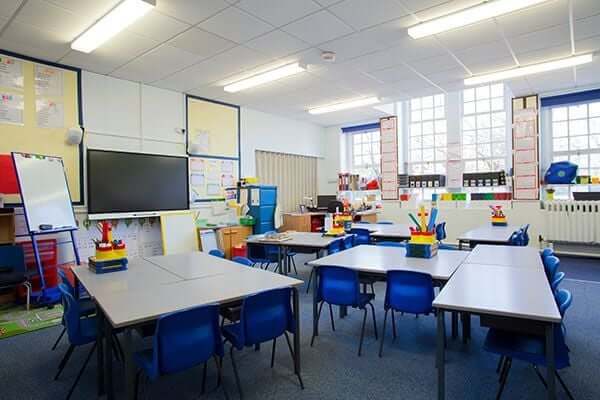
Because some students with autism start out with focus problems, finding a place to sit where distractions are at a minimum is important. Hallway noise, open windows and dynamic wall displays can keep an autistic child's focus from the lesson at hand. Seating the child close to a sensory area where they can go for calming may help them relax, boosting focus. Sitting next to an understanding child who might provide a helping hand can also have a profound effect on helping them stay on task.
Active Sitting
While most people don't think of sitting as "active," adding some wiggle or bounce to how someone sits can have a drastic effect on how they focus on seated activities. Active seating options like exercise ball and wobble chairs have kept working adults engaged for years now. So why not bring some active seating into a learning environment? A
kid-sized ball chair,
wobble stool or
air cushion can be great additions to any classroom. Along with improved posture and increased blood flow, they provide the constant motion some children with autism need to be more attentive. We'll cover
some great active seating options in more detail in a later blog post, so consider subscribing to our newsletter or blog to stay up-to-date.
Foot and Finger Fidgets
Some students always have to be doing something, whether they're tapping their foot, pumping their leg or drumming their fingers. This kind of activity can be disruptive for classmates and the instructor, but necessary for the fidgety child to stay engaged. Active seating can solve some of these issues, but it can be quite a drain on a classroom budget.
Foot and
finger fidgets can provide some of the same focus and calm as active seating at a more agreeable price. An
exercise band around the legs of the chair can also be an option for kids with active feet. These items allow a student the foot or finger activity they crave so that they can pay attention in class in a less disruptive way.
Weighted Lap Pads
For other fidgety students, some gentle pressure in the form of a
weighted lap pad can go a long way in increasing attention span and focus. The stimulus provided by that pressure calms nervous muscles, making it easier for a child to sit still and learn. Like foot and finger fidgets, they're also low-key and don't call attention to the child's focus issues.
Classroom Lighting Filters
Some aspects of fluorescent lights a negative effect on learning and productivity for almost everyone, and especially for kids on the spectrum. Adding
diffusive filters to those lights can end their harsh flicker and glare, creating a more relaxed classroom for all students, not just those with autism.
Focusing on the Classroom
We'd love to hear more tips from teachers and instructors who work with children with autism every day. What works and what doesn't in your classrooms? What items or techniques have you tried that were particularly effective? How have you approached some of your more difficult challenges? Share your tips and stories in the comments below! Photo Credit: "
after view of my classroom" by
LizMarie_AK, used under
CC BY / Cropped from original