How supportive classroom seating can increase attention and participation.
Have you ever ridden in a roller coaster or amusement park ride where your feet were dangling? Most people's first instinct is to swing or kick them back and forth. Gravity is now pulling down on your legs and there's a since of loss of control of your own body. If you go out for dinner or drinks and sit at a tall top with barstools or tall chairs, most people's feet do not touch the floor. Instead, you seek to find the bars installed on the seat to plant or wrap your feet around or some adults sit with their legs pulled up in their seat/booth. Your feet need support, even as an adult.
Having your feet grounded provides many positional and cognitive benefits. Starting out, an infant's foot support is important for postural engagement and awareness during mealtimes. A baby is working hard on refining how they pick up their foods, visually scanning what foods they have, not falling to one side or the other, chewing and swallowing their food appropriately, among many other things. When a highchair does not have a foot plate all of these skills can become increasingly more challenging.
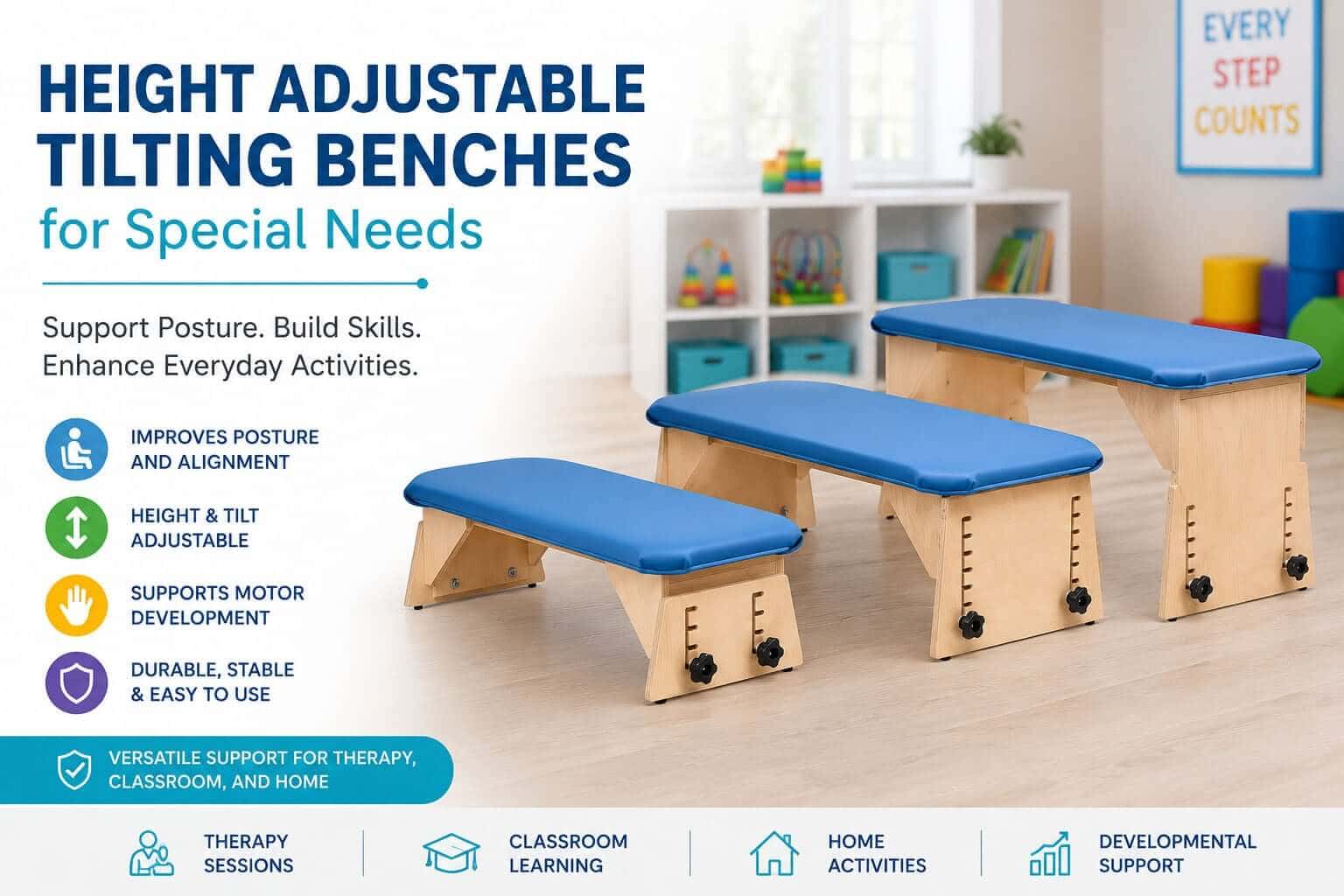
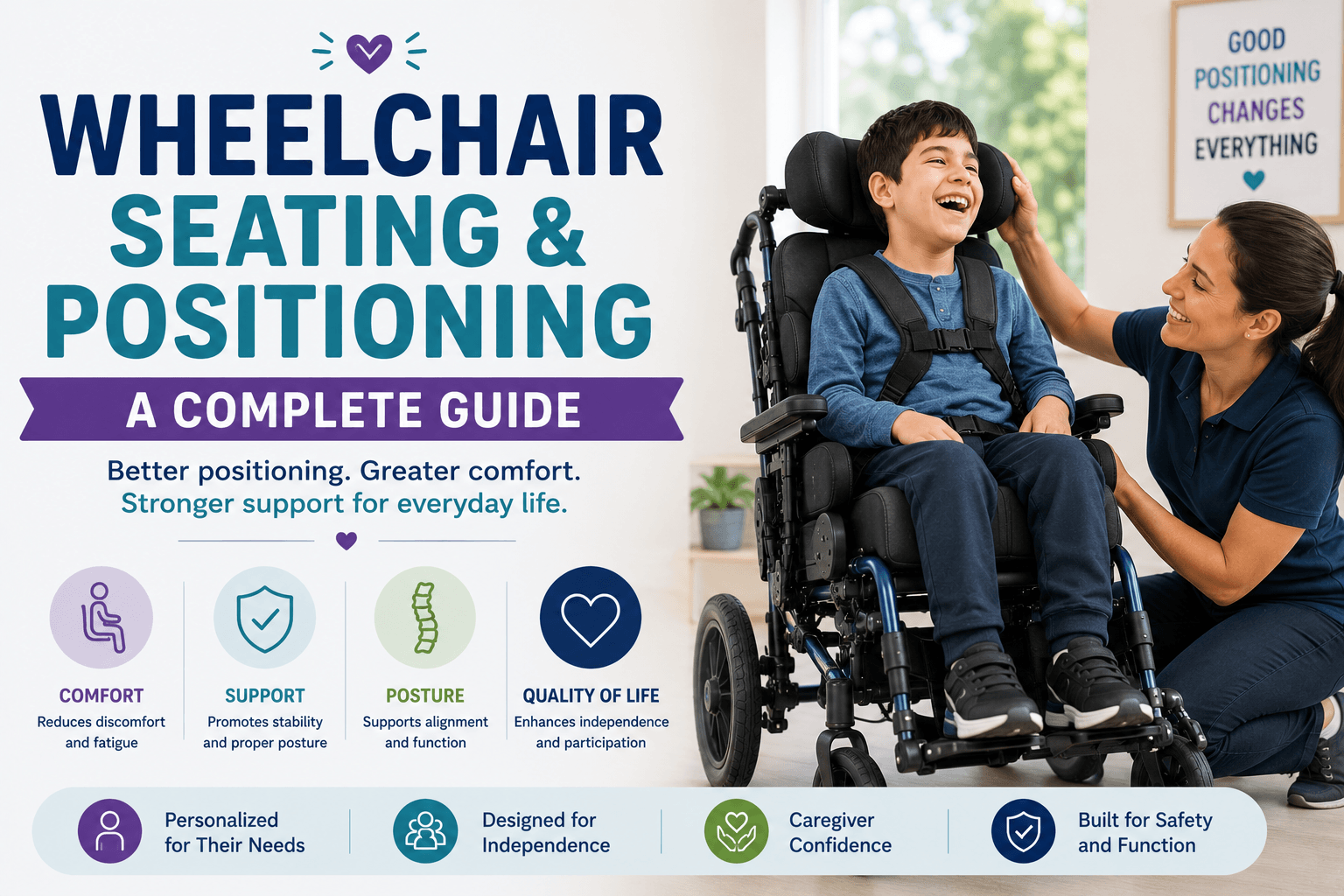
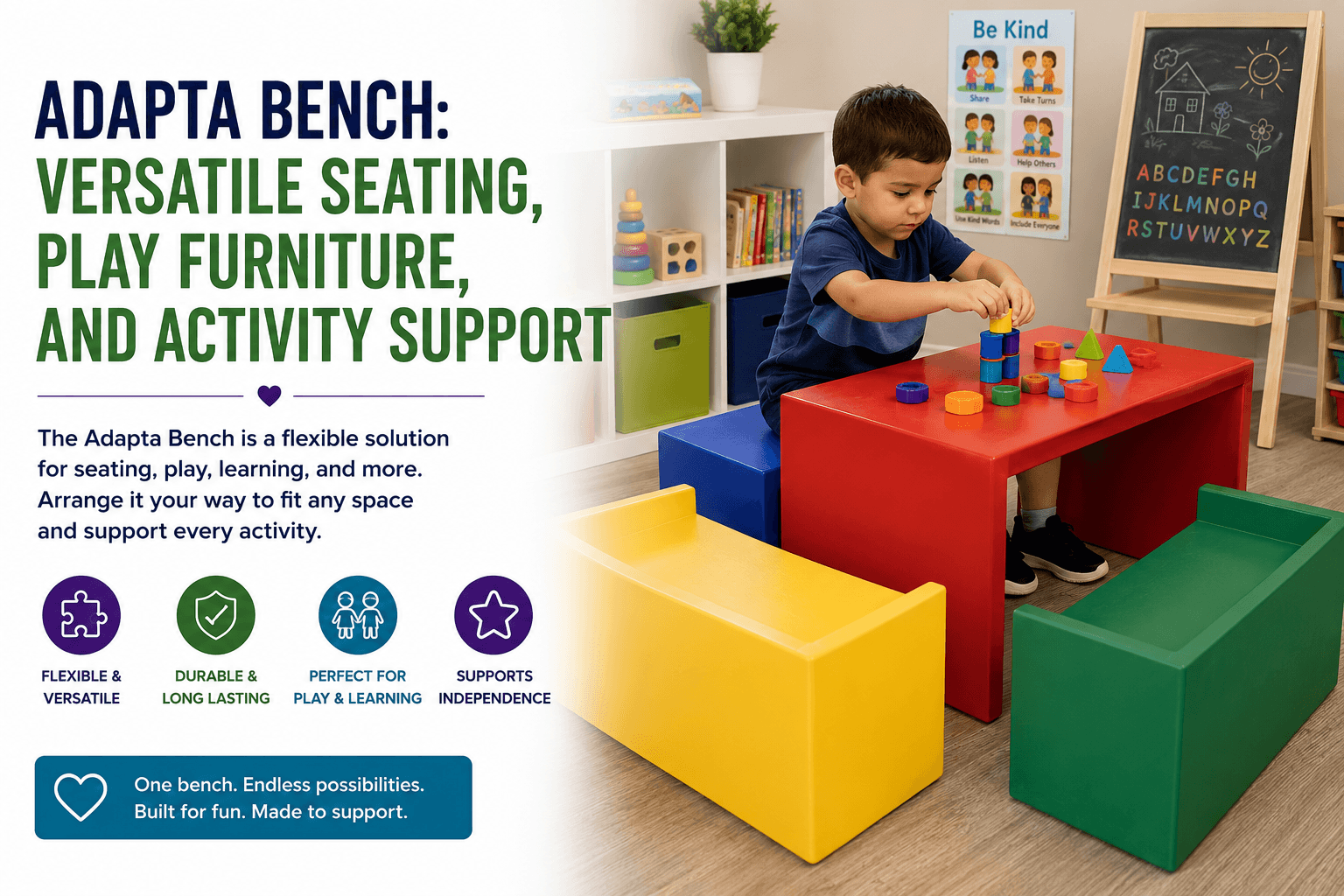
Most school furniture does not meet the positioning needs of our students. Table surfaces are often too high, and chairs are often too tall for little bodies. An ideal sitting posture for a child or adult is having hips and knees at a 90 degree angle. An ideal table surface would be at chest height.
For a child who has core weakness, if their feet are not able to touch the ground, they will be spending energy and focus on engaging their core to support sitting upright which makes it more difficult to concentrate on the task they are supposed to be engaging in.
Many chair designs also slope hip angles back and down which in turn pulls feet away from the floor. This design works for easy storage but pulls your students back and away from their activities, often causing a slouching posture instead of being forward and over the work surface. This can be especially difficulty for students who may have difficulty with body awareness or balance. Having their feet firmly on the floor provides information through the hips and spine to engage in an appropriate sitting position.
If your furniture is not adjustable consider the following ways you could modify them for your students.
- Use a stool or stacked phone books/text books under your child's feet until their hip angle reaches 90 degrees
- Bouncy Bands for foot support
- Step-A-Roo Footrest for foot support
- Use a balance disc under your students feet
With supportive seating for your students you will notice less wiggly bodies and increased attention and participation with activities.
Shannon Wylie, MOT, OTR/L