Table of Contents
- What Is a Sensory Room?
- Who Benefits from a Sensory Room?
- Sensory Room Ideas for Different Needs
- Calming Sensory Room Setup
- Active Sensory Room Setup
- Multi Sensory Room Design
- Classroom Sensory Corner Ideas
- Home Sensory Room Ideas
- Essential Sensory Room Equipment
- Bubble Tubes and Water Features
- Sensory Wall Panels
- Soft Play Equipment
- Sensory Lighting
- Sensory Ball Pits
- Sensory Swings and Movement Tools
- Deep Pressure Products
- Tactile and Interactive Panels
- Designing an Effective Sensory Room
- Space Layout
- Sensory Balance
- Safety and Accessibility
- Personal Sensory Preferences
- Sensory Room Equipment Planning Table
- Benefits of Sensory Rooms
- How to Choose Sensory Room Equipment
- Sensory Room Ideas by Budget
- Starter Sensory Room
- Mid Range Sensory Room
- Full Sensory Room
- Why Sensory Rooms and Sensory Room Equipment Matter
- FAQs
Creating a sensory room is one of the most effective ways to support children and adults with sensory processing challenges, autism, ADHD, anxiety, developmental disabilities, and other sensory related needs. A thoughtfully designed sensory space gives users a safe, supportive environment where they can relax, self regulate, explore sensory input, build developmental skills, and participate in calming or movement based activities. In this article, we'll go over some sensory room ideas and various sensory room equipment.
Sensory rooms are used in homes, schools, occupational therapy clinics, hospitals, special education programs, and community care settings. While every sensory room looks different, the goal is always the same: to create a flexible space that helps the individual feel more comfortable, organized, and supported.
Some users need a quiet place to calm down after overstimulation. Others need active movement to improve focus and body awareness. Many need a combination of both. That is why the best sensory room design starts with the user’s needs, not just the equipment.
Whether you are building a home sensory room, classroom calm down corner, school sensory room, therapy clinic space, or multi sensory environment, the right combination of sensory room equipment can make a meaningful difference.
This guide covers practical sensory room ideas, essential sensory room equipment, layout tips, safety considerations, and product categories to help you create a space that supports sensory regulation, relaxation, movement, and development.
What Is a Sensory Room?
A sensory room is a specially designed space that uses controlled sensory input to support regulation, comfort, focus, and exploration. Sensory rooms may include lighting, textures, sounds, movement tools, soft surfaces, tactile panels, deep pressure products, and interactive equipment.
Unlike a typical room, a sensory room is designed intentionally. The colors, lighting, equipment, textures, seating, and layout all work together to create an environment that can be calming, stimulating, or both.
Sensory rooms are commonly used in:
- Homes
- Schools
- Special education classrooms
- Occupational therapy clinics
- Pediatric therapy centers
- Hospitals
- Autism support programs
- Day programs
- Community care settings
A sensory room can help users self regulate, reduce stress, engage in sensory exploration, practice motor skills, or prepare for learning and daily routines.
Who Benefits from a Sensory Room?
Sensory rooms can support a wide range of children, teens, and adults. They are often used for individuals with autism, sensory processing disorder, ADHD, anxiety, developmental disabilities, cerebral palsy, trauma related stress, and other neurological or physical conditions.
A sensory room may be helpful for someone who:
- Becomes overwhelmed by loud sounds, bright lights, crowds, or transitions
- Seeks movement, pressure, or tactile input
- Struggles with emotional regulation
- Needs a safe space to calm down
- Benefits from visual stimulation or calming lighting
- Has difficulty focusing in busy environments
- Needs support with body awareness or coordination
- Uses occupational therapy strategies as part of a sensory diet
- Needs a structured space for relaxation, play, or therapy
The best sensory room equipment depends on the individual. Some people respond well to soft lighting and weighted products. Others need movement tools like swings, balance boards, and crash pads. A flexible sensory room gives users choices so they can access the type of sensory input that helps them most.
Sensory Room Ideas for Different Needs
Not every sensory room should be designed the same way. A successful space should match the needs, age, abilities, and sensory preferences of the people using it.
Calming Sensory Room Setup
A calming sensory room is designed to reduce overstimulation and help users relax. This type of sensory room is ideal for children or adults who become overwhelmed by noise, bright lights, crowded spaces, transitions, or emotional stress.
A calming sensory room may include:
- Soft seating
- Bean bags
- Crash pads
- Weighted blankets
- Weighted lap pads
- Bubble tubes
- Fiber optic lights
- Soft LED lighting
- White noise machines
- Calming music
- Sensory wall panels
- Deep pressure products
- Chill out chairs
The goal of a calming space is to create a peaceful environment with predictable sensory input. Lighting should be adjustable, sounds should be gentle, and equipment should support relaxation rather than overstimulation.
Calming sensory rooms work well in homes, classrooms, therapy centers, and school support areas. They can be especially helpful for students who need a quiet reset before returning to learning.
Active Sensory Room Setup
Some children and adults need movement based sensory input to feel regulated. An active sensory room is designed for users who seek physical movement, jumping, swinging, climbing, crawling, pushing, pulling, or crashing safely into soft surfaces.
Active sensory room equipment may include:
- Sensory swings
- Platform swings
- Hammock swings
- Lycra swings
- Mini trampolines
- Balance boards
- Crash mats
- Foam climbing blocks
- Crawling tunnels
- Scooter boards
- Therapy balls
- Soft play equipment
- Indoor therapy gym equipment
Active sensory rooms can support vestibular input, proprioceptive input, balance, coordination, strength, and body awareness. These spaces are commonly used in occupational therapy clinics, school sensory rooms, and home therapy areas.
For safety, active sensory rooms need enough open space for movement. Equipment should be installed properly, supervised when needed, and selected based on age, size, and ability level.
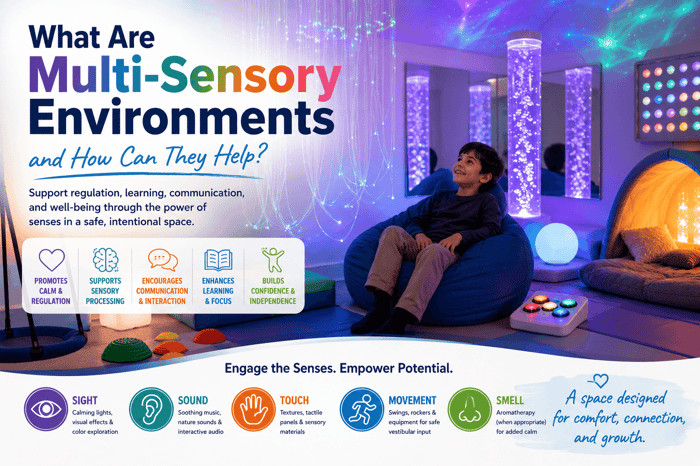
Multi Sensory Room Design
A multi sensory room combines calming and active elements so users can choose the type of input they need in the moment. This approach is ideal for schools, therapy clinics, and shared spaces where many different users may access the room.
A balanced multi sensory room may include:
- LED sensory lighting
- Bubble tubes
- Sensory wall panels
- Soft seating
- Crash pads
- Movement equipment
- Tactile tools
- Weighted products
- Interactive panels
- Calming music
- Fine motor activities
- Visual sensory equipment
Multi sensory rooms are especially useful because sensory needs can change throughout the day. A child may need movement in the morning, calming support after lunch, and tactile exploration during therapy. A well designed room can support all of these needs in one flexible space.
Classroom Sensory Corner Ideas
Not every school has space for a full sensory room. A classroom sensory corner can still provide meaningful support in a smaller area.
A sensory corner may include:
- Weighted lap pads
- Fidget tools
- Flexible seating
- Noise reduction headphones
- Visual timers
- Tactile toys
- Calming lights
- Small sensory wall panels
- Soft floor mats
- A bean bag or chill out chair
Classroom sensory corners help students access sensory regulation tools without leaving the learning environment. They are often used as part of behavior support plans, IEP accommodations, or classroom calming strategies.
Home Sensory Room Ideas
A home sensory room can be a dedicated room, bedroom corner, basement space, playroom area, or quiet nook. The best home sensory room is practical, safe, and easy to use consistently.
Home sensory room ideas include:
- A calming corner for bedtime routines
- A movement area with crash pads and soft play equipment
- A tactile play station with sensory bins and textured toys
- A deep pressure area with weighted blankets and compression tools
- A visual sensory area with bubble tubes or projector lights
- A quiet space with soft seating and noise reduction tools
Families should focus on the equipment that supports the child’s daily routines. For example, if transitions are difficult, a calming corner near the main living area may be helpful. If bedtime is challenging, weighted products and soft lighting may be more useful.
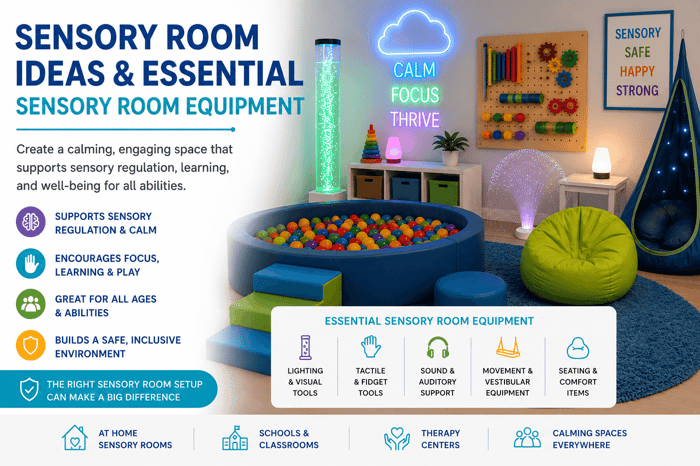
Essential Sensory Room Equipment
The right sensory room equipment can support calming, movement, tactile exploration, visual engagement, deep pressure, and motor development. Below are the most important categories to consider.
Bubble Tubes and Water Features
Bubble tubes are one of the most popular sensory room products. They provide gentle movement, soft lighting, and visual tracking opportunities. The slow movement of bubbles combined with changing colors creates a calming focal point that many users find relaxing.
Bubble tubes may support:
- Visual attention
- Calming
- Relaxation
- Tracking skills
- Sensory engagement
- Quiet observation
They work well in calming sensory rooms, therapy clinics, school sensory rooms, and multi sensory environments.
TFH Budget Bubble Tube

$729.00
Durable, affordable TFH Bubble Tube perfect for promoting calming in a bedroom or small sensory room. The colors cycle brightly in a darkened room and the bubbles tumble up and down the tube. It is switch-adaptable to turn it on… read more
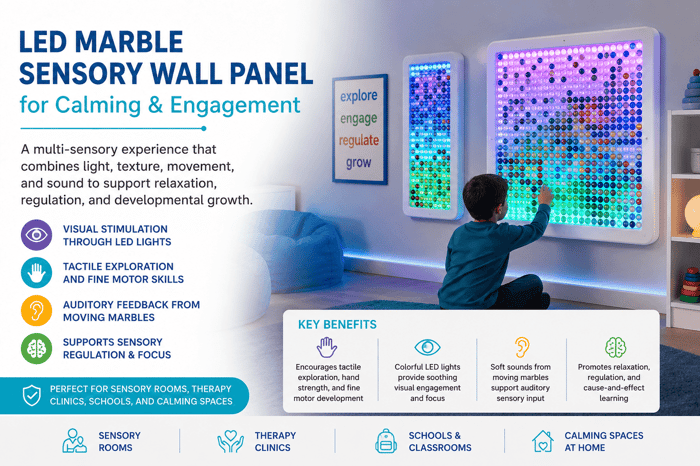
Sensory Wall Panels
Sensory wall panels provide interactive sensory input without taking up much floor space. They are especially useful for classrooms, hallways, small sensory rooms, therapy spaces, and waiting areas.
Common sensory wall panel options include:
- LED marble walls
- Tactile activity boards
- Light up panels
- Busy boards
- Cause and effect panels
- Fine motor panels
- Textured sensory panels
- Interactive visual panels
Sensory wall panels can support fine motor skills, hand eye coordination, visual tracking, tactile exploration, cause and effect learning, and sensory engagement.
For small spaces, wall mounted equipment is a smart way to add sensory value while keeping the floor open and safe.
Large Razzle-Dazzle Marble LED Sensory Wall Panel - Visual & Tactile Stimulation

$1,328.00
The Large Razzle-Dazzle Marble LED Sensory Wall Panel is an interactive sensory wall panel designed to support visual, tactile, and auditory stimulation in sensory rooms, therapy spaces, classrooms, and care environments. With more than 2,000 colored marbles, built-in LED lighting,… read more
Soft Play Equipment
Soft play equipment gives users a safe way to climb, crawl, roll, balance, and explore movement. It is especially useful for children who need active sensory input and gross motor practice.
Common soft play products include:
- Foam blocks
- Crash mats
- Soft steps
- Ramps
- Wedges
- Bolsters
- Padded climbing shapes
- Foam tunnels
- Soft obstacle course pieces
Soft play equipment supports gross motor development, coordination, motor planning, confidence, and safe movement exploration. It is often used in therapy clinics, schools, daycare programs, and home sensory rooms.
11 piece Junior Gym Set

$1,681.75
$1,850.00
Soft set ups with different densities of foam and reversible supports. Use individual pieces or progressively in groups. The wipe-clean vinyl mats are kids stay safe as they play. All heavy duty 14 oz. vinyl coated covers meet CA TB117… read more
Sensory Lighting
Lighting plays a major role in the mood of a sensory room. Harsh lighting can feel overwhelming, while soft and adjustable lighting can help create a calming environment.
Sensory lighting options include:
- Color changing LED lights
- Fiber optic strands
- Projector lights
- Bubble tubes
- Lava lamps
- Light panels
- Star projectors
- Dimmable lamps
Adjustable lighting allows the room to shift between calming and engaging activities. Soft blue, purple, or warm lighting may create a relaxing mood, while brighter color changes may support visual engagement and interactive play.
TFH Interactive Bubble Tube 48"

$2,299.00
Bring the power of choice to your Bubble Tube. TFH's Interactive Bubble Tubes provide users with the ability to control their environment with the included 4 Button Wired Color Controller. Truly a multi-sensory experience.See the beautiful colors and bubbles. Plug… read more
Sensory Ball Pits
Sensory ball pits provide tactile, proprioceptive, and movement based input. They are often a favorite in home sensory rooms, therapy clinics, and pediatric sensory spaces.
Ball pits may support:
- Body awareness
- Coordination
- Tactile exploration
- Deep pressure input
- Interactive play
- Motor planning
- Calming through full body pressure
The pressure of the balls around the body can feel organizing and soothing for some users. Ball pits also encourage active play, reaching, crawling, and social interaction.
When choosing a ball pit, consider size, wall height, ball quantity, cleaning needs, and supervision requirements.
Giant Budget Ball Pit

$2,009.38
The Giant Budget Ball Pit is a durable, large-format ball pit designed for sensory play, active movement, and therapy use in homes, schools, clinics, and care settings. It offers the size and function of a larger recreational ball pit for… read more
Sensory Swings and Movement Tools
Sensory swings are commonly used for vestibular input, which relates to balance and movement. Many children who seek movement benefit from swinging, rocking, spinning, or gentle linear motion.
Types of sensory swings include:
- Platform swings
- Hammock swings
- Lycra swings
- Cocoon swings
- Bolster swings
- Net swings
Movement tools may also include:
- Balance boards
- Rocking chairs
- Therapy balls
- Scooter boards
- Mini trampolines
- Wobble cushions
Sensory swings and movement tools can support regulation, balance, coordination, core strength, and body awareness. Because installation and safety are important, swings should be selected and mounted carefully.
Swing seat frame, indoor or outdoor

$850.00
This is the swing seat frame only. The swing pictured is sold separately. Ideal for indoor or outdoor installation, this frame provides a sturdy foundation for suspended seating solutions. Compatible with standard swing seats and hardware (not included). Perfect for… read more
Deep Pressure Products
Deep pressure products provide firm, calming input that can help users feel grounded and regulated. Many individuals with autism, sensory processing challenges, ADHD, or anxiety benefit from deep pressure tools.
Common deep pressure products include:
- Weighted blankets
- Weighted lap pads
- Weighted shoulder wraps
- Compression vests
- Sensory body socks
- Deep pressure pods
- Crash pads
- Chill out chairs
Deep pressure equipment can be used in calming corners, sensory rooms, classrooms, therapy spaces, and home routines.
Double Squeeze Machine - Calming Deep Pressure Aid, Clinical Therapy

$699.00
$799.00
The Double Squeeze Machine is a calming deep pressure sensory tool designed to provide even, consistent proprioceptive input for children who benefit from structured sensory regulation. Often used as a squeeze machine or hug machine, it helps support self-regulation, body… read more
Tactile and Interactive Panels
Tactile panels encourage users to explore textures, movement, sound, and cause and effect activities.
They may include:
- Textured surfaces
- Spinning pieces
- Locks and latches
- Buttons
- Lights
- Sound effects
- Mirrors
- Beads
- Gears
- Switches
These panels are valuable for fine motor development, sensory exploration, hand strength, attention, and interactive learning.
Paradiddle Percussion Activity Wall Panel

$856.95
Explore rhythm and sound as your child creates their own musical masterpiece on our new Paradiddle Percussion Busy Board. This wall panel comes jam-packed with lots of ways to "jam," such as bells, drum panels, a xylophone, and much more.… read more
Designing an Effective Sensory Room
A sensory room should be safe, organized, flexible, and easy to use. Before purchasing equipment, think carefully about the layout and goals of the space.
Space Layout
Start by measuring the room and identifying how much open floor space is available. Avoid overcrowding. Too much equipment can make the room feel chaotic and unsafe.
A good layout may include separate zones for:
- Calming
- Movement
- Tactile play
- Visual sensory input
- Fine motor activities
- Deep pressure
Make sure users can move safely between areas and that staff or caregivers can supervise easily.
Sensory Balance
A sensory room should include a balance of calming and active tools. Too much stimulation can overwhelm users, while too little variety may not meet different sensory needs.
A balanced room may include:
- Soft seating for calming
- Movement tools for active input
- Lighting for visual engagement
- Weighted products for deep pressure
- Tactile panels for hands on exploration
- Quiet tools for emotional regulation
The goal is to give users choices.
Safety and Accessibility
Safety should always come first.
Sensory room equipment should be:
- Age appropriate
- Properly installed
- Easy to clean
- Durable
- Accessible
- Supervised when needed
- Matched to the user’s abilities
- Free of unnecessary clutter
If the room will be used by individuals with mobility devices, make sure pathways are wide enough and equipment is accessible. Consider floor mats, secure wall mounted products, safe swing installation, and equipment weight limits.
Personal Sensory Preferences
Every person responds differently to sensory input. Some love bright lights and movement. Others prefer quiet spaces and soft textures. Some find deep pressure calming, while others may feel uncomfortable with compression.
A flexible sensory room allows for personalization. Users should be able to choose from different tools and activities based on how they feel that day.
Sensory Room Equipment Planning Table
| Sensory Need | Helpful Equipment | Best Setting |
|---|---|---|
| Calming | Weighted blankets, bubble tubes, soft lighting, chill out chairs | Home, school, therapy clinic |
| Movement | Swings, balance boards, crash mats, therapy balls | Therapy clinic, school, home gym |
| Tactile input | Sensory wall panels, textured toys, sensory bins | Classroom, sensory room, home |
| Visual input | LED lights, projectors, bubble tubes, fiber optics | Calming rooms, multi sensory rooms |
| Deep pressure | Weighted lap pads, body socks, compression tools | School, home, therapy sessions |
| Fine motor skills | Activity panels, manipulatives, tactile boards | Classrooms, clinics, home learning spaces |
Benefits of Sensory Rooms
Sensory rooms can provide many benefits when designed around the individual’s needs.
Potential benefits include:
- Improved emotional regulation
- Reduced anxiety and stress
- Better focus and attention
- Increased body awareness
- Improved motor skill development
- Safe space for calming down
- Greater independence
- More successful transitions
- Support for sensory diets
- Encouragement of play and exploration
- Improved participation in school or therapy
Sensory rooms are not just play spaces. They are supportive environments that can help users feel more comfortable, capable, and regulated throughout the day.
How to Choose Sensory Room Equipment
Before buying sensory room equipment, ask these questions:
- Who will use the room?
- What sensory needs are most common?
- Is the goal calming, movement, therapy, play, or a combination?
- How much space is available?
- What equipment requires installation?
- What is the budget?
- Will the room be used at home, school, or in a clinic?
- Does the user need accessibility accommodations?
- What equipment is easiest to clean and maintain?
- Has an occupational therapist recommended specific tools?
For schools and therapy centers, it may help to create a phased plan. Start with essential equipment, then add more specialized products over time.
Vecta Deluxe Sensory Station

$8,999.00
The Vecta Deluxe Mobile Sensory Station is a complete mobile sensory station designed to turn almost any room into a relaxing, engaging, and interactive multi-sensory environment. Its compact footprint makes it a practical option for classrooms, bedrooms, therapy rooms, living… read more
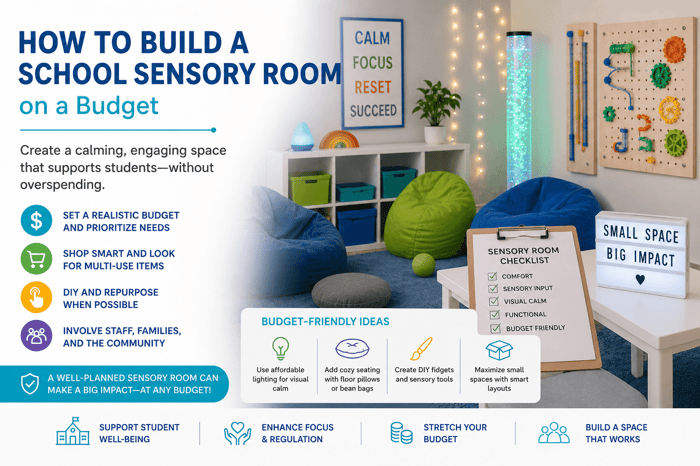
Sensory Room Ideas by Budget
A sensory room does not need to be expensive to be effective.
Starter Sensory Room
A starter setup may include:
- Soft seating
- Fidgets
- Weighted lap pad
- Small sensory light
- Tactile toys
- Noise reduction headphones
- Floor mat
This is a good option for homes, classrooms, and small sensory corners.
Mid Range Sensory Room
A mid range setup may include:
- Bubble tube
- Sensory wall panels
- Crash pad
- Therapy ball
- Weighted blanket
- Soft play shapes
- Adjustable lighting
- Balance tools
This works well for schools, therapy spaces, and shared sensory rooms.
Full Sensory Room
A full sensory room may include:
- Multiple sensory wall panels
- Bubble tubes
- Fiber optic lighting
- Sensory swings
- Ball pit
- Soft play equipment
- Deep pressure products
- Interactive panels
- Therapy gym equipment
- Separate calming and active zones
This type of setup is ideal for clinics, special education programs, and dedicated sensory rooms.
Superactive Sensory Room Bundle

$18,805.50
The Superactive Sensory Room Bundle is a complete starter package designed to help schools, clinics, care facilities, and therapy spaces create a full multi-sensory environment with less guesswork. This bundle includes essential sensory room equipment for visual stimulation, calming input,… read more
Why Sensory Rooms and Sensory Room Equipment Matter
A well designed sensory room can make a meaningful difference for children and adults with sensory needs. The right environment can help users calm down, focus, move safely, explore new sensations, build motor skills, and feel more in control.
Whether you are creating a calming retreat, active therapy space, classroom sensory corner, or complete multi sensory room, the equipment you choose matters.
Sensory wall panels, bubble tubes, sensory lighting, ball pits, swings, soft play equipment, weighted products, tactile panels, and deep pressure tools all serve different purposes. When combined thoughtfully, they create a space that supports comfort, regulation, engagement, and development.
The best sensory room is not the one with the most equipment. It is the one that meets the user’s needs, supports safe exploration, and provides the right sensory input at the right time.
With thoughtful planning and high quality sensory room equipment, you can create a space that helps users feel calmer, more confident, and better supported throughout the day.
Calming Sensory Room Bundle

$9,244.75
$9,575.00
The Calming Sensory Room Bundle is a complete sensory room package designed to support relaxation, de-escalation, and calming sensory input. Built for schools, therapy spaces, care facilities, and sensory rooms, this bundle includes soothing visual, tactile, auditory, and fiber optic… read more
FAQs
What is a sensory room?
A sensory room is a specially designed space that uses lighting, textures, movement, and interactive equipment to help individuals regulate sensory input, relax, or engage in structured sensory activities.
Who can benefit from a sensory room?
Sensory rooms are commonly used by children and adults with autism, ADHD, sensory processing disorder, developmental disabilities, or anxiety. They are also helpful in schools, therapy clinics, and home environments.
What equipment is essential for a sensory room?
Common sensory room equipment includes:
- Sensory lighting (LED lights, fiber optics, projectors)
- Wall panels and interactive boards
- Bubble tubes
- Soft play equipment
- Swings and movement tools
- Sensory ball pits
- Tactile and fidget-based tools
How do I choose the right sensory room setup?
The best setup depends on the individual’s needs. Some users benefit more from calming tools like soft lighting and weighted items, while others need active movement equipment like swings or climbing tools.
What are some calming sensory room ideas?
Calming sensory rooms often include:
- Soft or dimmable lighting
- Comfortable seating like bean bags
- Bubble tubes or slow-moving visuals
- Weighted blankets or lap pads
- Quiet music or sound machines
What are some active sensory room ideas?
Active sensory rooms may include:
- Sensory swings
- Balance equipment
- Climbing and crawling structures
- Mini trampolines
- Movement tunnels
These help with energy release, coordination, and focus.
Can sensory rooms be used at home?
Yes. Many families create home sensory rooms or small calming corners using compact equipment like wall panels, lighting systems, soft seating, and tactile toys.
Are sensory rooms only for children?
No. Sensory rooms can benefit people of all ages, including teens and adults, especially those who need sensory regulation support or therapeutic environments.
How much space do I need for a sensory room?
Sensory rooms can be designed for any space size. Even small rooms or corners can be transformed using wall-mounted equipment and compact sensory tools.