Table of Contents
- What Are Occupational Therapy Products for Adults?
- OT Supplies vs Physical Therapy Supplies
- How OT Products Support Rehabilitation and Independence
- Who Uses Adult Occupational Therapy Products?
- Daily Living Aids for Adults
- Dressing, Grooming, and Feeding Adaptive Tools
- Adaptive Seating and Positioning Equipment
- Wheelchair Cushions, Postural Supports, and Positioning Aids
- Bathing and Toileting Aids for Adults with Disabilities
- Shower Chairs, Transfer Benches, and Hygiene Aids
- Mobility Aids and Physical Therapy Rehabilitation Equipment
- Walkers, Transfer Boards, and Gait Training Tools
- Sensory Motor Tools and Deep Pressure Products for Adults
- Weighted Blankets, Compression Garments, and Sensory Integration Tools
- Assistive Technology Devices for Communication and Independence
- Movement Therapy and Indoor Rehabilitation Equipment
- Adaptive Furniture for Home and Clinical Settings
- How to Choose the Right Occupational Therapy Supplies for Adults
- Assess Functional Goals with Your OT or PT
- Matching Products to Specific Conditions
- Understanding Durable Medical Equipment Classifications
- How to Write or Request a Letter of Medical Necessity
- Funding and Paying for Physical Therapy Supplies and OT Products
- Using Medicaid and Insurance for Adaptive Equipment
- Flexible Financing Options for OT Products
- Grants and Funding Resources for Adults with Disabilities
- Where to Buy Occupational Therapy Products for Adults Online
- Benefits of Shopping a Full Rehab Catalog Online
- Physical Therapy Supplies Wholesale and Bulk Purchasing for Clinics
- Purchase Orders for Hospitals, Rehab Centers, and Government Agencies
- Price Match Support and Expert Quote Assistance
- FAQs
Occupational therapy products for adults help people complete daily routines with greater safety, comfort, confidence, and independence. These products are often used after injury, surgery, stroke, illness, disability, aging related changes, or long term health conditions that affect movement, strength, coordination, balance, sensory regulation, communication, or self care. From adaptive utensils and dressing aids to bathing supports, mobility products, positioning equipment, sensory tools, and assistive technology, occupational therapy products for adults are designed to support real life function.
Adults may use these products at home, in rehabilitation centers, hospitals, therapy clinics, long term care facilities, adult day programs, or community living settings. The goal is not simply to provide equipment. The goal is to help adults do the activities that matter most, including eating, bathing, dressing, toileting, cooking, writing, communicating, moving safely, and participating in daily life.
At eSpecial Needs, adults, caregivers, clinicians, and facilities can explore helpful categories such as Daily Living Aids, Bathing and Toileting Aids, Adaptive Furniture, Mobility Products, Weighted Blankets, Sensory Wearables, and Assistive Technology.
What Are Occupational Therapy Products for Adults?
Occupational therapy products for adults are adaptive tools, therapy supplies, and daily living supports that help adults perform meaningful activities more independently. These products are often recommended by occupational therapists, physical therapists, rehabilitation teams, caregivers, case managers, or medical providers.
They may support:
- Dressing
- Grooming
- Bathing
- Toileting
- Feeding
- Cooking
- Mobility
- Transfers
- Positioning
- Communication
- Sensory regulation
- Hand function
- Home safety
- Work participation
- Community access
Unlike general medical supplies, occupational therapy products for adults are usually selected around function. The question is not only what condition the person has. The question is what daily task is difficult and what product can help make that task safer or easier.
Scooper Bowl with Suction Cup Base
$16.25
The Scooper Bowl simplifies independent dining while preventing spills and messes. Features Elevated rim and reverse curve on one side, helps to easily scoop food onto utensils Rubber suction base on the bottom of the dish to prevent skidding and… read more

OT Supplies vs Physical Therapy Supplies
OT supplies and physical therapy supplies often overlap, but they are not exactly the same.
Occupational therapy supplies usually focus on daily function. They help adults complete self care, home routines, fine motor tasks, sensory regulation, communication, and independent living activities.
Physical therapy supplies usually focus on movement, strength, balance, gait, endurance, transfers, and mobility.
For example:
- An occupational therapist may recommend adaptive eating equipment to help an adult feed themselves.
- A physical therapist may recommend gait training tools to help an adult walk more safely.
- Both therapists may recommend transfer equipment, positioning aids, wheelchair cushions, or mobility supports.
Many adults benefit from both OT and PT products because independence depends on both movement and daily function.
How OT Products Support Rehabilitation and Independence
Occupational therapy products for adults can support rehabilitation by helping adults practice skills safely and consistently. After a stroke, surgery, injury, or neurological change, a person may need tools that make tasks possible while strength, coordination, or confidence improves.
OT products may help adults:
- Complete tasks with less caregiver help
- Reduce fall risk
- Improve comfort
- Reduce joint strain
- Support safe transfers
- Increase participation in therapy
- Build confidence at home
- Protect skin and posture
- Conserve energy
- Maintain dignity during personal care
- Continue hobbies and routines
The right product can make the difference between a task being avoided and a task becoming manageable again.
Who Uses Adult Occupational Therapy Products?
Occupational therapy products for adults may be used by many different people, including:
- Stroke survivors
- Adults with arthritis
- Adults with cerebral palsy
- Adults with autism
- Adults with multiple sclerosis
- Adults with Parkinson’s disease
- Adults with spinal cord injuries
- Adults with traumatic brain injury
- Adults with muscular dystrophy
- Seniors with balance or mobility concerns
- Adults recovering from surgery
- Adults with low vision or cognitive changes
- Wheelchair users
- Long term care residents
- Rehabilitation patients
Caregivers, therapists, hospitals, schools, adult day programs, and rehab centers may also purchase these products to support daily care and therapy goals.
Daily Living Aids for Adults
Daily living aids for adults are some of the most common occupational therapy products for adults. These tools help with everyday activities that can become difficult due to weakness, pain, fatigue, poor coordination, limited reach, or reduced hand strength.
Examples include:
- Reachers
- Dressing sticks
- Button hooks
- Zipper pulls
- Adaptive utensils
- Built up handles
- Non slip mats
- Adaptive cups
- Writing grips
- Grooming tools
- Jar aids
- Grip aids
- Long handled tools
Browse Daily Living Aids, Grips and Holders, Reacher Tools, and Handwriting Tools for practical supports.
Cord Type Zipper Pull Dressing Aid
$13.95
The Cord Type Zipper Pull makes dressing easier by giving users greater control of clothing zippers and helping them overcome reduced hand mobility and low fine motor control. A split ring is attached through the hole in the zipper tab… read more

Dressing, Grooming, and Feeding Adaptive Tools
Dressing, grooming, and feeding are key daily living skills. When these routines become hard, adults may feel frustrated or dependent. Adaptive tools can reduce effort and support greater independence.
Helpful dressing tools may include:
- Dressing sticks
- Sock aids
- Long handled shoehorns
- Elastic shoelaces
- Button hooks
- Zipper pulls
- Reachers
Helpful grooming tools may include:
- Long handled brushes
- Built up toothbrush handles
- Adaptive nail care tools
- Grip supports
- Universal cuffs
Helpful feeding tools may include:
- Weighted utensils
- Built up utensils
- Angled utensils
- Scoop plates
- Plate guards
- Adaptive cups
- Non slip mats
For mealtime support, visit Adaptive Eating Utensils. For dressing and hand support, browse Daily Living Aids and Grips and Holders.
Adaptive Seating and Positioning Equipment
Adaptive seating and positioning products help adults maintain safer, more comfortable postures during daily routines. Good positioning can support breathing, eating, communication, pressure relief, hand use, and overall comfort.
Adaptive seating may help adults who experience:
- Poor trunk control
- Fatigue while sitting
- Sliding in a chair
- Poor head control
- Pressure risk
- Pain while seated
- Difficulty using hands
- Need for wheelchair support
- Difficulty with mealtime posture
Helpful categories include Adaptive Furniture, Rifton Adaptive Equipment, Positioning Products, and Standard Wheelchairs.
Wheelchair Cushions, Postural Supports, and Positioning Aids
Wheelchair cushions and postural supports are important for adults who sit for long periods. The right seating setup can help reduce pressure risk, improve comfort, and support better posture during mobility and daily activities.
Common supports include:
- Seat cushions
- Back supports
- Lateral supports
- Headrests
- Foot supports
- Positioning belts
- Arm supports
- Wedges
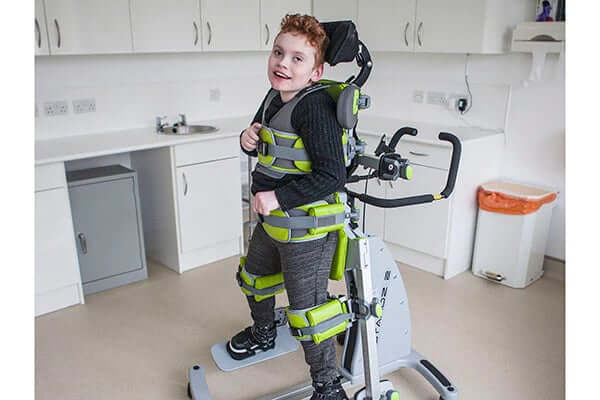
- Standers
- Adaptive seating systems
Adults who use wheelchairs should work with a therapist or seating specialist when selecting postural supports, especially if there is pain, skin redness, scoliosis, poor trunk control, or pressure injury risk.
Bathing and Toileting Aids for Adults with Disabilities
Bathing and toileting aids are essential occupational therapy products for adults because bathroom routines carry a high risk of falls, fatigue, and caregiver strain. These products support safety, dignity, privacy, and independence.
Common products include:
- Shower chairs
- Bath chairs
- Transfer benches
- Bath lifts
- Commodes
- Over the toilet chairs
- Toilet safety frames
- Grab bars
- Non slip mats
- Hygiene aids
- Transfer supports
Explore Bathing and Toileting Aids, Reclining Bath Chairs, and Over the Toilet Chairs.
Shower Chairs, Transfer Benches, and Hygiene Aids
Shower chairs and transfer benches help adults sit safely during bathing and reduce the need to stand on wet surfaces. Transfer benches can also help users move into and out of a tub with less risk.
These tools may help adults with:
- Balance issues
- Weakness
- Fatigue
- Stroke recovery
- Arthritis
- Neurological conditions
- Limited standing tolerance
- Fear of falling
- Caregiver assisted bathing
A therapist can help determine whether a shower chair, reclining bath chair, transfer bench, or more supportive bathing system is the safest option.
Mobility Aids and Physical Therapy Rehabilitation Equipment
Mobility aids and physical therapy rehabilitation equipment support movement, balance, walking, transfers, and safe participation at home or in the community.
Common mobility and rehab products include:
- Walkers
- Wheelchairs
- Gait trainers
- Transfer boards
- Standers
- Balance tools
- Exercise supports
- Adaptive tricycles
- Therapy equipment
- Pool and beach mobility products
Explore Mobility Products, Standard Wheelchairs, Dynamic and Mobile Standers, and Pool and Beach Wheelchairs.
Walkers, Transfer Boards, and Gait Training Tools
Walking and transferring safely are major goals for many adults in rehabilitation. A physical therapist may recommend gait training tools, while an occupational therapist may focus on how safe mobility supports bathroom routines, kitchen tasks, dressing, and home access.
These products may support:
- Safer transfers
- Standing tolerance
- Walking practice
- Balance support
- Caregiver safety
- Home mobility
- Community access
- Reduced fall risk
Adults should be properly measured and trained before using mobility and transfer equipment.
Sensory Motor Tools and Deep Pressure Products for Adults
Some adults need sensory support for calming, focus, anxiety, body awareness, or regulation. Sensory motor tools and deep pressure products are not only for children. Adults with autism, anxiety, ADHD, sensory processing differences, neurological conditions, or developmental disabilities may benefit from adult appropriate sensory supports.
Helpful products may include:
- Weighted blankets
- Weighted lap pads
- Compression garments
- Sensory wearables
- Sensory seating
- Therapy swings
- Sensory brushes
- Tactile tools
- Vibration tools
- Calming sensory products
Browse Weighted Blankets, Sensory Wearables, Mobile Sensory Equipment, Adaptive Swings and Sensory Gyms, and Sensory Brushes.
Weighted Blankets, Compression Garments, and Sensory Integration Tools
Weighted blankets and compression garments provide different kinds of sensory input. Weighted products provide calming pressure through weight. Compression products provide snug body input through fabric pressure.
These tools may be used during:
- Rest breaks
- Anxiety management routines
- Sensory overload recovery
- Sleep routines
- Therapy sessions
- Adult day programs
- Home relaxation
- Quiet time
A therapist can help decide whether weight, compression, vibration, movement, or tactile input is best for the adult’s sensory profile.
Assistive Technology Devices for Communication and Independence
Assistive technology supports communication, access, independence, learning, and daily participation. Adults may use assistive technology after a stroke, brain injury, progressive neurological condition, developmental disability, or speech change.
Examples include:
- AAC devices
- Switches
- Communication buttons
- Mounts
- Choice making tools
- Visual supports
- Adaptive computer access tools
- Environmental access tools
- Cause and effect devices
Explore Assistive Technology, AAC and Communication, Single Message Communication Devices, Wireless Switches, and Mounts.
BIGmack Communicator AAC Speech Device
$155.00
With the BIGmack Communicator or BIGmac AAC device, record any single message up to two minutes in length and press its activation surface for playback. Connect a toy or appliance for additional motivation. With its large 5-in/12.7-cm activation surface, the… read more

Movement Therapy and Indoor Rehabilitation Equipment
Movement therapy products help adults build strength, coordination, balance, endurance, and confidence. These products may be used in home therapy routines, outpatient clinics, rehabilitation centers, or adult day programs.
Helpful options include:
- Therapy balls
- Balance boards
- Adaptive swings
- Indoor therapy gyms
- Standers
- Exercise tools
- Adaptive bikes
- Sensory motor equipment
- Transfer supports
Browse Adaptive Swings and Sensory Gyms, Indoor Therapy Gyms, Sensory Motor Tools, and Adaptive Tricycles.
Dirt King Adult Dually Tricycle
$449.00
For the inner child inside all of us! The Dirt King® Adult Dually Trike is hand welded and constructed of heavy duty 14 and 16 gauge steel. It comes equipped with all-terrain “dual” pneumatic tires mounted on heavy duty steel… read more

Adaptive Furniture for Home and Clinical Settings
Adaptive furniture can make home, therapy, and care environments safer and more accessible. Adults may need furniture that supports posture, transfers, positioning, relaxation, sensory needs, or daily living activities.
Examples include:
- Adaptive chairs
- Supportive seating
- Positioning chairs
- Therapy tables
- Reclining seating
- Sensory seating
- Accessible furniture
- Classroom or clinic seating
- Long term care seating
Explore Adaptive Furniture, Classroom Seating, and Rifton Adaptive Equipment.
Height Adjustable Tilting Benches - Large
$339.95
The Height Adjustable Tilting Benches - Large provides supportive seating designed to help older children and larger users maintain better posture, stability, and alignment during seated activities, therapy sessions, and functional daily work. Created for users who do not need… read more

How to Choose the Right Occupational Therapy Supplies for Adults
Choosing occupational therapy products for adults starts with the person’s goals, not the product category. A product should solve a real functional challenge.
Ask:
- What task is difficult?
- Is the issue strength, balance, pain, coordination, cognition, sensory regulation, or access?
- Will the product be used at home, clinic, work, or community settings?
- Does the adult need caregiver assistance?
- Is the product safe for the person’s size and condition?
- Has an OT or PT recommended it?
- Is the product easy to clean?
- Is the product appropriate for long term use?
- Will insurance or Medicaid be involved?
- Is a quote or letter of medical necessity needed?
Assess Functional Goals with Your OT or PT
An occupational therapist or physical therapist can help identify which products are most appropriate. Therapy recommendations can also support insurance, Medicaid, grant, or facility purchasing requests.
Possible functional goals include:
- Bathe more safely
- Eat with less help
- Dress independently
- Transfer with less risk
- Sit with better posture
- Communicate needs
- Reduce caregiver strain
- Improve balance
- Improve hand use
- Increase community participation
- Return to hobbies
- Support sensory regulation
When goals are clear, product selection becomes much easier.
Matching Products to Specific Conditions
Different conditions often require different types of occupational therapy products for adults.
Stroke survivors may need adaptive utensils, transfer aids, dressing tools, communication supports, and positioning products.
Adults with multiple sclerosis may need energy saving daily living aids, mobility products, bathroom safety equipment, cooling supports, and adaptive seating.
Adults with cerebral palsy may need positioning equipment, adaptive seating, grip supports, bathing aids, feeding tools, and communication devices.
Adults with autism may benefit from sensory wearables, weighted products, assistive technology, adaptive seating, communication supports, and calming sensory tools.
Adults with arthritis may need grip aids, adaptive utensils, dressing tools, jar aids, reachers, and bathroom safety equipment.
Adults with spinal cord injuries may need transfer equipment, wheelchair supports, gripping aids, bathing aids, toileting aids, and assistive technology.
Understanding Durable Medical Equipment Classifications
Some occupational therapy products for adults may be considered durable medical equipment, often called DME. DME usually refers to equipment that is medically necessary, durable, reusable, and used in the home.
Examples may include:
- Wheelchairs
- Walkers
- Commodes
- Bath chairs
- Hospital beds
- Transfer benches
- Certain positioning products
- Some communication devices
- Some mobility products
DME classification matters because insurance and Medicaid may have specific coverage rules. Families should check payer requirements before purchasing when reimbursement is expected.
How to Write or Request a Letter of Medical Necessity
A letter of medical necessity explains why a product is needed for health, safety, function, or daily living. It may be required for insurance, Medicaid, grants, or facility purchasing.
A strong letter may include:
- Diagnosis
- Functional limitations
- Daily tasks affected
- Product recommendation
- Why standard equipment is not enough
- Expected benefits
- Safety concerns
- Therapist or provider signature
- Product quote
An occupational therapist, physical therapist, physician, speech language pathologist, or rehabilitation specialist may help write or support the letter depending on the product.
Funding and Paying for Physical Therapy Supplies and OT Products
Funding pathways may include:
- Medicaid
- Private insurance
- Medicare when applicable
- Medicaid waiver programs
- Veterans benefits
- Grants
- Nonprofit programs
- Flexible spending accounts
- Health savings accounts
- Facility budgets
- Purchase orders
- Financing options
- Direct family purchase
Coverage depends on the product, diagnosis, documentation, payer rules, and medical necessity.
Using Medicaid and Insurance for Adaptive Equipment
Medicaid and insurance may cover some adaptive equipment when it is medically necessary. Documentation often matters as much as the product itself.
Families may need:
- Therapy evaluation
- Physician prescription
- Letter of medical necessity
- Product quote
- Prior authorization
- Diagnosis information
- Functional documentation
- Proof that lower cost options are not enough
eSpecial Needs can help customers request product quotes for many adaptive equipment categories.
Flexible Financing Options for OT Products
Some families and facilities need equipment quickly but cannot pay the full cost upfront. Financing options may help spread payments when available. eSpecial Needs may offer financing options such as Affirm on eligible purchases.
Financing may be helpful for:
- Adaptive furniture
- Mobility products
- Bathing equipment
- Sensory room products
- Therapy equipment
- Adult rehab products
- Daily living aids
Always review payment terms carefully before choosing financing.
Grants and Funding Resources for Adults with Disabilities
Adults with disabilities may qualify for grants or assistance through nonprofit organizations, disability foundations, community groups, veterans programs, waiver services, or local agencies.
Grant applications often require:
- Product quote
- Diagnosis
- Explanation of need
- Provider recommendation
- Letter of medical necessity
- Income information when required
- Description of how the product improves function
A clear quote can make the process easier.
Where to Buy Occupational Therapy Products for Adults Online
A trusted online retailer should offer product variety, clear categories, helpful descriptions, quote support, institutional purchasing, customer service, and adaptive equipment experience.
At eSpecial Needs, adults, caregivers, therapists, clinics, and organizations can explore categories such as:
- Daily Living Aids
- Bathing and Toileting Aids
- Adaptive Furniture
- Mobility Products
- Assistive Technology
- Weighted Blankets
- Sensory Wearables
- Adaptive Swings and Sensory Gyms
- Rifton Adaptive Equipment
Benefits of Shopping a Full Rehab Catalog Online
Shopping a full rehab catalog online can save time because families and professionals can compare multiple categories in one place. This is especially helpful when an adult needs more than one type of support.
For example, a stroke survivor may need adaptive utensils, a shower chair, a transfer bench, a wheelchair cushion, and a communication tool. A full adaptive equipment catalog makes it easier to build a more complete support plan.
Physical Therapy Supplies Wholesale and Bulk Purchasing for Clinics
Therapy clinics, hospitals, rehab centers, adult day programs, and long term care facilities may need multiple products for many users. Bulk purchasing can help organizations manage budgets and standardize care areas.
Clinics may purchase:
- Transfer equipment
- Therapy tools
- Sensory products
- Adaptive seating
- Daily living aids
- Mobility products
- Bathing products
- Communication tools
- Weighted products
- Rehab supplies
Purchase Orders for Hospitals, Rehab Centers, and Government Agencies
Hospitals, rehab centers, schools, government agencies, and therapy clinics may be able to use purchase orders for occupational therapy products for adults. Purchase orders can simplify procurement and help organizations buy needed equipment without using individual payment methods.
Purchase orders may be useful for:
- Rehab departments
- Long term care facilities
- Adult day programs
- Government agencies
- Hospitals
- Therapy clinics
- School transition programs
- Community support programs
Price Match Support and Expert Quote Assistance
A detailed quote can help families and facilities compare products, apply for funding, submit insurance documentation, or complete internal purchasing approvals.
When requesting a quote, include:
- User age
- Diagnosis or condition
- Height and weight when relevant
- Product category
- Therapy recommendation
- Funding source
- Setting where equipment will be used
- Budget range
- Any safety concerns
eSpecial Needs can help customers explore product options and request quotes for occupational therapy products for adults across many categories.
FAQs
What are occupational therapy products for adults?
Occupational therapy products for adults are adaptive tools, therapy supplies, and daily living aids that help adults complete everyday activities with more safety, comfort, and independence. These products may support eating, dressing, bathing, toileting, grooming, mobility, positioning, communication, sensory regulation, and home safety.
Who uses occupational therapy products for adults?
Occupational therapy products for adults may be used by stroke survivors, adults with arthritis, adults with cerebral palsy, adults with autism, people with multiple sclerosis, adults with Parkinson’s disease, spinal cord injury survivors, adults with traumatic brain injury, seniors, wheelchair users, and people recovering from surgery or illness.
How do occupational therapy products help adults?
Occupational therapy products help adults by making daily tasks easier, safer, and more manageable. They may reduce fall risk, improve independence, support posture, conserve energy, improve grip, reduce caregiver strain, and make personal care routines more accessible.
What is the difference between occupational therapy supplies and physical therapy supplies?
Occupational therapy supplies usually focus on daily living skills such as dressing, bathing, eating, grooming, cooking, communication, and self care. Physical therapy supplies usually focus on movement, walking, strength, balance, transfers, and mobility. Many adults benefit from both OT and physical therapy supplies.
What are daily living aids for adults?
Daily living aids for adults are products that help with everyday tasks such as eating, dressing, grooming, bathing, toileting, reaching, writing, cooking, and household routines. Browse helpful options in the Daily Living Aids collection.
What adaptive tools help adults with dressing?
Adaptive dressing tools may include dressing sticks, button hooks, zipper pulls, sock aids, long handled shoehorns, elastic shoelaces, reachers, and grip supports. These tools may help adults dress with less bending, pain, or caregiver assistance.
What adaptive tools help adults with grooming?
Adaptive grooming tools may include long handled brushes, built up toothbrush handles, grip supports, universal cuffs, adapted nail care tools, and easy grip personal care items. These products can help adults with limited hand strength, reach, or coordination.
What adaptive tools help adults with feeding?
Adaptive feeding tools may include built up utensils, weighted utensils, angled utensils, scoop plates, plate guards, non slip mats, adaptive cups, and supportive seating. Browse Adaptive Eating Utensils for mealtime support.
What adult conditions may require adaptive eating equipment?
Adaptive eating equipment may help adults with stroke, arthritis, Parkinson’s disease, cerebral palsy, multiple sclerosis, spinal cord injury, tremors, hand weakness, poor grip, limited coordination, or fatigue during meals.
What are bathing and toileting aids for adults?
Bathing and toileting aids for adults are products that support safer bathroom routines. They may include shower chairs, bath chairs, transfer benches, commodes, raised toilet seats, toilet safety frames, grab bars, hygiene aids, and non slip mats. Explore Bathing and Toileting Aids.
What is the best shower chair for adults with disabilities?
The best shower chair depends on the adult’s balance, strength, transfer ability, size, posture, and caregiver support needs. Some adults need a basic shower chair, while others need a transfer bench, reclining bath chair, or more supportive bathing system.
What is a transfer bench used for?
A transfer bench helps adults move into and out of a bathtub more safely. It allows the user to sit before moving across the tub edge, which may reduce fall risk and caregiver strain.
What are positioning aids for adults?
Positioning aids for adults include wedges, cushions, lateral supports, head supports, seating systems, standers, and postural supports. These products may help maintain safer alignment during sitting, resting, therapy, or mobility.
What occupational therapy products help adults with arthritis?
Adults with arthritis may benefit from built up utensils, jar aids, reachers, button hooks, zipper pulls, long handled tools, adaptive grooming tools, shower chairs, and grip supports.
Does Medicaid cover OT products for adults?
Medicaid may cover some OT products for adults when they support safety, medical needs, daily living, mobility, communication, or home access. Coverage varies by state and program.
Can grants help pay for occupational therapy products for adults?
Yes. Grants from nonprofits, disability foundations, veterans programs, community groups, and local agencies may help pay for occupational therapy products for adults. Many grants require a product quote and explanation of need.
What is the best first step when shopping for OT products?
The best first step is to identify the daily task that is hardest. Then review the adult’s safety needs, functional goals, therapy recommendations, and home or clinic environment before selecting products.