Table of Contents
- What Is Occupational Therapy for Autism?
- Defining OT in the Context of Autism Spectrum Disorder
- Who Benefits from OT for Autism?
- Children with Autism
- Teens with Autism
- Adults with Autism
- Core Goals of Occupational Therapy for Autism
- Sensory Regulation and Sensory Diet
- Fine Motor and Gross Motor Skill Development
- Building Daily Living Skills and Independence
- Social Participation and Communication Support
- How the Right Equipment Supports Autism Therapy
- The Role of Sensory Integration Equipment
- Adaptive Tools That Reduce Barriers
- Essential Occupational Therapy Equipment for Autism by Category
- Sensory Room Equipment and Sensory Wall Panels
- Deep Pressure Therapy Products
- Sensory Motor and Sensory Integration Tools
- Chill Out Chairs and Calming Furniture
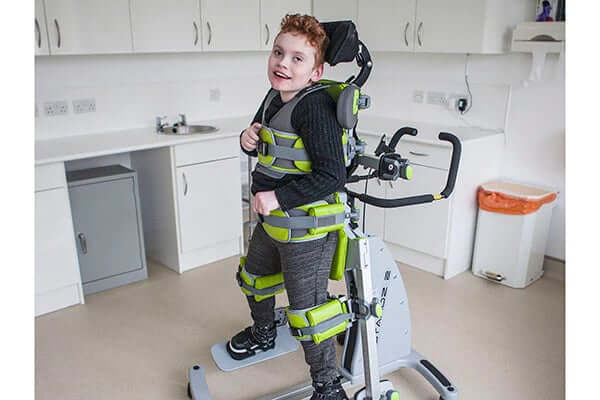
- Adaptive Seating and Positioning Equipment
- Indoor Therapy Gym and Gross Motor Equipment
- Fine Motor and Educational Learning Tools
- Assistive Technology for Nonverbal and Low Communication Individuals
- Special Needs Toys That Double as OT Tools
- Daily Living Aids and Adaptive Self Care Equipment
- Occupational Therapy Equipment for Autism at Home
- How to Set Up a Home Sensory Room or Sensory Corner
- Best Portable OT Tools for Home and Travel
- Sensory Bundles and Kits
- Occupational Therapy Equipment for Autistic Adults
- How Adult OT Needs Differ from Pediatric Needs
- Top OT Products for Adults with Autism
- OT Equipment for Autism in Schools and Therapy Clinics
- Sensory Room Ideas for Classrooms
- Purchasing OT Equipment for Schools
- How to Choose the Right Occupational Therapy Equipment for Autism
- Working with an Occupational Therapist
- Key Features to Look For
- How to Fund Occupational Therapy Equipment for Autism
- Using a Letter of Medical Necessity
- Medicaid, Grants, and Financing Options
- Where to Buy Occupational Therapy Equipment for Autism
- Why eSpecial Needs Is a Trusted Source for OT Equipment
- Why Occupational Therapy Equipment for Autism Matters
- FAQs
Occupational therapy equipment for autism can help children, teens, and adults build sensory regulation skills, improve motor development, increase independence, and participate more successfully at home, school, work, and in the community. For many autistic individuals, daily routines can be affected by sensory sensitivities, movement needs, fine motor challenges, communication differences, or difficulty with self care tasks. The right tools can make therapy more effective and everyday life more manageable. Occupational therapy, often called OT, focuses on helping people develop the skills they need for daily living. For autistic individuals, OT may support sensory processing, emotional regulation, motor coordination, feeding routines, handwriting, dressing, hygiene, play, social participation, communication access, and independence.
Because every autistic person has a unique sensory profile and set of goals, occupational therapy equipment for autism should be selected carefully. A tool that helps one child calm down may be overstimulating for another. A seating option that improves focus for one student may not provide enough postural support for another. That is why families, teachers, and therapists should choose equipment based on individual needs rather than a one size fits all checklist. This guide explains what occupational therapy for autism involves, which equipment categories matter most, how to choose tools for home, school, and therapy clinics, and where families and professionals can find reliable autism OT products.
What Is Occupational Therapy for Autism?
Occupational therapy for autism helps autistic individuals participate more fully in daily activities. The word “occupation” does not only refer to work or jobs. In OT, occupations are the meaningful activities people do every day, such as playing, learning, eating, dressing, communicating, moving, resting, and caring for themselves. For autistic children, occupational therapy may focus on skills like tolerating clothing textures, using utensils, improving handwriting, sitting for learning activities, transitioning between routines, or using sensory tools to calm the body.
For autistic teens and adults, OT may focus on independent living, workplace routines, social participation, sensory management in public spaces, self care, organization, transportation, or adaptive strategies for daily life. Occupational therapy equipment for autism gives therapists and caregivers practical tools to support those goals.
Defining OT in the Context of Autism Spectrum Disorder
Autism spectrum disorder affects people in different ways. Some autistic individuals have strong sensory sensitivities. Others seek movement, pressure, sound, or visual input. Some need support with fine motor skills, gross motor skills, daily routines, feeding, communication, or emotional regulation. OT does not try to change who an autistic person is. Instead, it helps reduce barriers and build skills that support comfort, participation, independence, and quality of life.
An occupational therapist may evaluate:
- Sensory processing patterns
- Fine motor skills
- Gross motor coordination
- Posture and body awareness
- Feeding and oral motor needs
- Daily living skills
- Communication access
- Play and social participation
- School or workplace challenges
- Self regulation strategies
- Equipment needs
After evaluation, the therapist may recommend specific activities, routines, environmental changes, and occupational therapy equipment for autism.
Who Benefits from OT for Autism?
Occupational therapy may support autistic people across the lifespan.
Children with Autism
Children may benefit from OT when sensory, motor, or daily routine challenges affect learning, play, eating, dressing, bathing, toileting, handwriting, or emotional regulation.
Common goals include:
- Improving sensory regulation
- Building fine motor skills
- Supporting classroom participation
- Reducing distress during daily routines
- Improving body awareness
- Building independence with self care
- Supporting play and social participation
Teens with Autism
Autistic teens may benefit from equipment and strategies that support independence, organization, self regulation, school participation, vocational skills, and daily living routines.
Goals may include:
- Managing sensory overload at school
- Preparing for work or community activities
- Building hygiene routines
- Developing cooking or household skills
- Using assistive technology
- Improving self advocacy
- Practicing social participation
Adults with Autism
Autistic adults may use OT equipment and adaptive tools to support sensory regulation, workplace comfort, independent living, stress management, communication, mobility, or daily routines. Adult tools should be age appropriate, durable, discreet when needed, and suited for home, work, or community use.
Core Goals of Occupational Therapy for Autism
Occupational therapy equipment for autism is most effective when it supports a clear goal. Below are the most common OT goal areas for autistic children and adults.
Sensory Regulation and Sensory Diet
Many autistic individuals experience sensory input more intensely or differently than others. Sounds, lights, textures, smells, crowds, clothing, or transitions may feel overwhelming. Others may seek strong sensory input through spinning, jumping, crashing, chewing, touching, or deep pressure. A sensory diet is a planned routine of sensory activities that helps the person stay regulated throughout the day. It may include movement breaks, deep pressure tools, tactile play, calming lighting, sensory seating, or heavy work activities.
Useful tools may include:
- Weighted lap pads
- Compression vests
- Sensory swings
- Body socks
- Fidgets
- Crash pads
- Noise reduction headphones
- Sensory wall panels
- Tactile toys
- Deep pressure seating
The goal is to give the nervous system the type of input it needs before overwhelm becomes unmanageable.
Large Razzle-Dazzle Marble LED Sensory Wall Panel - Visual & Tactile Stimulation
$1,500.00
$1,650.00
The Large Razzle-Dazzle Marble LED Sensory Wall Panel is an interactive sensory wall panel designed to support visual, tactile, and auditory stimulation in sensory rooms, therapy spaces, classrooms, and care environments. With more than 2,000 colored marbles, built-in LED lighting,… read more

Fine Motor and Gross Motor Skill Development
Fine motor skills involve small hand movements used for writing, buttoning, feeding, cutting, building, and manipulating objects. Gross motor skills involve larger body movements such as balance, climbing, jumping, crawling, and coordination.
Autistic children may need support in one or both areas.
Fine motor tools may include:
- Therapy putty
- Pegboards
- Adaptive scissors
- Pencil grips
- Lacing cards
- Sorting activities
- Manipulatives
- Tactile boards
- Cause and effect toys
Gross motor tools may include:
- Therapy balls
- Balance boards
- Scooter boards
- Climbing cushions
- Crash mats
- Sensory swings
- Tunnels
- Indoor therapy gym equipment
Occupational therapy equipment for autism can make skill building more engaging because children learn best when activities feel purposeful and motivating.
Building Daily Living Skills and Independence
OT often helps autistic individuals practice daily routines that support independence.
These may include:
- Dressing
- Bathing
- Toileting
- Grooming
- Feeding
- Meal preparation
- Cleaning up
- Organizing personal items
- Following visual schedules
- Completing hygiene routines
Adaptive tools can make these tasks easier, safer, and more predictable.
Examples include:
- Adaptive utensils
- Dressing boards
- Visual schedules
- Toothbrushing supports
- Bathing aids
- Toileting supports
- Step by step routine cards
- Easy grip tools
- Adaptive clothing
- Timers
For many families, daily living equipment is just as important as sensory equipment because it directly affects morning routines, bedtime routines, school readiness, and independence.
Social Participation and Communication Support
OT can also support social participation and communication access. This does not mean forcing autistic individuals to interact in uncomfortable ways. Instead, it means helping them participate in ways that feel accessible and meaningful.
Equipment may include:
- AAC devices
- Communication boards
- Visual choice cards
- Switch adapted toys
- Social story materials
- Turn taking games
- Sensory tools for group activities
- Adaptive seating for circle time
- Fine motor toys that encourage shared play
When sensory and communication barriers are reduced, autistic individuals may be better able to participate in learning, play, therapy, and social routines.
How the Right Equipment Supports Autism Therapy
Purpose built occupational therapy equipment for autism is different from general toys or classroom supplies. OT tools are designed to support specific sensory, motor, communication, or functional goals.
The right equipment can help:
- Reduce sensory overload
- Improve focus
- Support emotional regulation
- Build body awareness
- Increase participation
- Encourage safe movement
- Support fine motor development
- Improve access to communication
- Build independence with self care
- Create structure at home or school
Equipment should always be matched to the individual’s needs, preferences, safety considerations, and therapy plan.
The Role of Sensory Integration Equipment
Sensory integration equipment helps users receive controlled sensory input in a safe and purposeful way. This may include movement, deep pressure, tactile input, visual input, or body awareness activities. For autistic individuals, sensory integration tools may help create a more organized sensory experience. Examples include swings for vestibular input, crash pads for proprioceptive input, tactile panels for touch exploration, and bubble tubes for calming visual input.
Sensory integration equipment is commonly used in therapy clinics, school sensory rooms, home sensory corners, and autism support programs.
Adaptive Tools That Reduce Barriers
Adaptive equipment helps remove barriers that make daily activities harder. For example, adaptive seating can help a child sit upright during learning. A weighted lap pad can help a student stay regulated during seated work. A communication device can help a nonverbal person express choices. A bath chair can make hygiene safer. Occupational therapy equipment for autism should make participation easier, not more complicated.
Essential Occupational Therapy Equipment for Autism by Category
The best OT equipment depends on the person’s sensory profile, age, setting, and goals. The categories below provide a practical starting point.
Sensory Room Equipment and Sensory Wall Panels
Sensory rooms provide a structured space for regulation, exploration, and therapy. They may be calming, active, or multi sensory.
Common sensory room equipment includes:
- Bubble tubes
- Sensory wall panels
- Fiber optic lights
- Crash pads
- Soft seating
- Therapy swings
- Tactile panels
- Projector lights
- Sensory mats
- Interactive light panels
Sensory wall panels are especially helpful because they provide tactile, visual, and fine motor engagement without using much floor space. They work well in homes, schools, waiting rooms, clinics, and special education classrooms.
Deep Pressure Therapy Products
Deep pressure input can feel calming and grounding for many autistic children and adults.
Common deep pressure products include:
- Weighted blankets
- Weighted lap pads
- Compression vests
- Weighted shoulder wraps
- Sensory body socks
- Deep pressure pods
- Crash pads
- Chill out chairs
Deep pressure tools may help support relaxation, body awareness, and emotional regulation. They should be used safely and selected based on age, size, medical needs, and comfort.
Sensory Motor and Sensory Integration Tools
Sensory motor tools help users combine movement, balance, touch, and body awareness.
Examples include:
- Balance boards
- Scooter boards
- Therapy balls
- Resistance bands
- Tactile balls
- Sensory brushes when recommended by a therapist
- Rocking tools
- Crawling tunnels
- Foam climbing shapes
- Obstacle course equipment
These tools can support coordination, motor planning, body awareness, and sensory regulation.
Chill Out Chairs and Calming Furniture
Chill out chairs and calming furniture create a safe retreat for sensory breaks. They are useful for home sensory corners, classrooms, therapy clinics, and quiet rooms.
Helpful calming furniture may include:
- Cocoon style seating
- Bean bag chairs
- Rocking chairs
- Deep pressure chairs
- Soft floor seating
- Adaptive lounge chairs
- Enclosed sensory seating
A calming furniture area can help autistic individuals step away from overwhelming input and return to activities when ready.
Adaptive Seating and Positioning Equipment
Adaptive seating supports posture, stability, attention, and participation.
Options include:
- Positioning chairs
- Activity chairs
- Floor sitters
- Cube chairs
- Wobble stools
- Therapy ball chairs
- Seat cushions
- Foot supports
- Lateral supports
- Head supports
For autistic individuals who also have low muscle tone, poor posture, motor delays, or physical disabilities, seating can be a major part of successful therapy and classroom participation.
Indoor Therapy Gym and Gross Motor Equipment
Indoor therapy gym equipment gives autistic children safe opportunities to climb, swing, balance, crawl, jump, and crash.
Common equipment includes:
- Sensory swings
- Crash mats
- Soft play blocks
- Foam ramps
- Climbing cushions
- Balance beams
- Therapy balls
- Scooter boards
- Tunnels
- Mini trampolines designed for therapy use
This type of occupational therapy equipment for autism is often used in clinics, schools, and home therapy spaces to support movement needs and gross motor skill development.
Fine Motor and Educational Learning Tools
Fine motor and learning tools help autistic children practice hand skills, problem solving, visual motor coordination, and early academic concepts.
Useful tools include:
- Pegboards
- Puzzles
- Sorting trays
- Therapy putty
- Bead stringing activities
- Adaptive scissors
- Pencil grips
- Writing slant boards
- Manipulatives
- Shape sorters
- Cause and effect toys
- Matching activities
These tools can support both therapy goals and school readiness.
Assistive Technology for Nonverbal and Low Communication Individuals
Assistive technology can help autistic individuals communicate, learn, and participate.
Examples include:
- AAC devices
- Speech generating devices
- Communication boards
- Visual choice cards
- Switches
- Switch adapted toys
- Tablet mounts
- Adaptive keyboards
- Environmental control devices
Speech language pathologists and occupational therapists often work together when communication tools require positioning, access, mounting, or motor planning support.
Special Needs Toys That Double as OT Tools
Many toys can support occupational therapy goals when chosen carefully.
Examples include:
- Cause and effect toys
- Switch adapted toys
- Sensory balls
- Stacking toys
- Lacing toys
- Building toys
- Textured toys
- Musical toys
- Fine motor games
- Pretend play sets
- Sorting and matching games
The best special needs toys are engaging while also supporting sensory, motor, cognitive, communication, or social participation goals.
Daily Living Aids and Adaptive Self Care Equipment
Daily living aids help autistic individuals practice independence and reduce frustration during self care routines.
Products may include:
- Adaptive utensils
- Bath chairs
- Toileting supports
- Dressing aids
- Visual routine cards
- Grooming tools
- Step stools
- Easy grip cups
- Adaptive plates
- Sensory friendly clothing
These tools can make daily routines more predictable, accessible, and successful.
Occupational Therapy Equipment for Autism at Home
Families can reinforce therapy goals at home with simple, consistent tools. A home setup does not need to be large or expensive. It should be practical and based on the child’s needs.
Home OT equipment may include:
- Weighted lap pad
- Fidget tools
- Therapy putty
- Balance board
- Sensory cushion
- Visual schedule
- Body sock
- Crash pad
- Noise reduction headphones
- Adaptive utensils
- Calming lights
- Fine motor toys
A home routine works best when equipment is easy to access and used at predictable times of day.
How to Set Up a Home Sensory Room or Sensory Corner
A sensory corner can be created in a bedroom, playroom, basement, living room, or quiet hallway area.
A basic setup may include:
- Soft mat
- Bean bag or chill out chair
- Weighted lap pad
- Fidgets
- Tactile toys
- Visual timer
- Noise reduction headphones
- Soft lighting
- Small sensory wall panel
A larger sensory room may include:
- Crash pad
- Swing
- Bubble tube
- Sensory wall panels
- Therapy ball
- Body sock
- Balance tools
- Deep pressure seating
The best setup is organized, safe, and matched to the user’s sensory needs.
Best Portable OT Tools for Home and Travel
Portable tools help families maintain regulation strategies outside the home.
Good travel friendly options include:
- Fidgets
- Chewelry when appropriate
- Noise reduction headphones
- Weighted lap pads
- Compression vests
- Visual schedules
- Small tactile toys
- Resistance bands
- Communication cards
- Calming bottles
These tools can be helpful during car rides, appointments, restaurants, school transitions, vacations, and community outings.
Sensory Bundles and Kits
Sensory bundles are a cost effective way to start using occupational therapy equipment for autism at home or in the classroom. They often include a mix of tactile tools, fidgets, calming items, fine motor supports, and sensory regulation products. Bundles are useful when families or teachers are not sure where to begin. They provide variety without requiring a separate search for every item.
Occupational Therapy Equipment for Autistic Adults
Autistic adults may need sensory, adaptive, communication, and daily living tools that fit adult routines and environments.
Adult OT goals may include:
- Workplace sensory regulation
- Independent living
- Meal preparation
- Hygiene routines
- Time management
- Stress reduction
- Communication access
- Social participation
- Home organization
Adult equipment should be age appropriate, durable, discreet when needed, and comfortable.
How Adult OT Needs Differ from Pediatric Needs
Children’s OT often focuses on play, school readiness, motor development, feeding, and early self care. Adult OT may focus more on independence, work, home management, community participation, relationships, and long term sensory regulation.
For example, a child may need a sensory swing and fine motor toys. An adult may need a weighted shoulder wrap, noise reduction tools, adaptive kitchen items, workplace seating, or daily routine supports.
Top OT Products for Adults with Autism
Useful products for autistic adults may include:
- Weighted blankets
- Weighted shoulder wraps
- Compression garments
- Noise reduction headphones
- Adaptive seating
- Visual planners
- Daily living aids
- Fidgets
- Sensory lighting
- Ergonomic work tools
- Assistive technology
- Meal preparation supports
Occupational therapy equipment for autism should support dignity and independence at every age.
OT Equipment for Autism in Schools and Therapy Clinics
Schools and clinics need durable, flexible equipment that can support multiple students or clients.
Useful institutional equipment includes:
- Sensory wall panels
- Therapy swings
- Crash pads
- Adaptive seating
- Fine motor stations
- AAC access tools
- Sensory bundles
- Soft play equipment
- Therapy balls
- Balance tools
- Calm down furniture
- Visual supports
Schools may use OT equipment in special education classrooms, sensory rooms, therapy spaces, resource rooms, and calm down areas.
Sensory Room Ideas for Classrooms
Classroom sensory supports can be simple or comprehensive.
A small sensory corner may include:
- Weighted lap pads
- Fidgets
- Noise reduction headphones
- Flexible seating
- Visual timer
- Tactile tools
- Calm down cards
A larger school sensory room may include:
- Sensory wall panels
- Bubble tubes
- Crash pads
- Swings
- Soft seating
- Body socks
- Balance equipment
- Interactive panels
The goal is to give students access to sensory input that supports learning and regulation.
Purchasing OT Equipment for Schools
Schools, therapy clinics, and government agencies often need purchase order support, quotes, product documentation, and bulk purchasing options.
When purchasing occupational therapy equipment for autism for institutional use, consider:
- Durability
- Cleaning requirements
- Safety features
- Age range
- Weight capacity
- Installation needs
- Warranty
- Multi student use
- Storage
- Therapist recommendations
A specialized supplier can help schools compare products and gather documentation for procurement.
How to Choose the Right Occupational Therapy Equipment for Autism
Choosing the right tools begins with understanding the individual’s needs.
Ask these questions:
- What sensory input helps the person feel regulated?
- What sensory input causes distress?
- Are fine motor skills a concern?
- Are gross motor skills a concern?
- Is posture or seating support needed?
- Does the person need communication support?
- Are daily living routines difficult?
- Will the equipment be used at home, school, work, or in therapy?
- Is supervision required?
- Has an occupational therapist recommended the product?
This process helps prevent unnecessary purchases and ensures each tool has a clear purpose.
Working with an Occupational Therapist
An occupational therapist can help families and schools choose safe, appropriate equipment.
An OT may recommend tools based on:
- Sensory profile
- Motor skills
- Posture
- Daily routines
- Safety needs
- IEP goals
- Home environment
- School participation
- Communication access
- Self care goals
Whenever possible, occupational therapy equipment for autism should be selected with professional guidance, especially for weighted products, swings, positioning equipment, and mobility related tools.
Key Features to Look For
When evaluating autism OT equipment, look for:
- Safety ratings
- Appropriate sizing
- Durable materials
- Easy cleaning
- Adjustable features
- Sensory input type
- Weight capacity
- Age range
- Installation requirements
- Portability
- Comfort
- Warranty
- Fit with therapy goals
The right product should meet the user’s needs while being practical for the setting.
How to Fund Occupational Therapy Equipment for Autism
OT equipment can be expensive, but funding options may be available.
Families and schools may explore:
- Private insurance
- Medicaid
- Medicaid waiver programs
- Grants
- Nonprofit funding
- School district budgets
- IEP related funding
- Health savings accounts
- Flexible spending accounts
- Financing options
- Community fundraising
- Purchase orders for schools
Coverage depends on the product, diagnosis, documentation, and funding source.
Using a Letter of Medical Necessity
A letter of medical necessity is a document from a qualified healthcare provider explaining why a product is needed for medical, developmental, sensory, or functional reasons.
It may include:
- Diagnosis
- Functional limitations
- Requested equipment
- Clinical justification
- Expected outcomes
- Why standard alternatives are not enough
An LMN may help support funding requests for adaptive seating, sensory equipment, therapy tools, communication devices, or daily living aids.
Medicaid, Grants, and Financing Options
Medicaid or waiver programs may cover some adaptive equipment when it is medically necessary and properly documented. Grants and nonprofit programs may also help families purchase sensory tools, therapy equipment, communication devices, or mobility products. Financing options, including buy now pay later programs, may help families spread out the cost of equipment when insurance or grant funding is not available.
Where to Buy Occupational Therapy Equipment for Autism
Families, schools, and therapists should look for a supplier that specializes in adaptive and sensory products.
A trusted supplier should offer:
- A broad product catalog
- Sensory room equipment
- Adaptive seating
- Daily living aids
- Therapy tools
- Communication supports
- Product details and sizing information
- Quote request support
- School purchase order support
- Transparent policies
- Knowledgeable customer service
General retailers may be fine for basic toys or supplies, but specialized OT equipment often requires more careful selection.
Why eSpecial Needs Is a Trusted Source for OT Equipment
eSpecial Needs offers a wide range of sensory products, adaptive equipment, therapy tools, special needs toys, sensory room equipment, daily living aids, mobility supports, and classroom solutions for families, schools, clinics, and caregivers.
For families looking for occupational therapy equipment for autism, eSpecial Needs can help simplify the search by organizing products around real needs such as sensory regulation, fine motor development, movement, adaptive seating, daily living, communication, and classroom participation. Schools and clinics can also request quotes, use purchase order options, and find equipment suitable for therapy rooms, sensory spaces, and special education classrooms.
Why Occupational Therapy Equipment for Autism Matters
Occupational therapy can help autistic children, teens, and adults build skills that support comfort, confidence, independence, and participation. The right equipment makes those goals easier to practice at home, school, work, and in therapy. From sensory room products and deep pressure tools to adaptive seating, fine motor supplies, assistive technology, daily living aids, and indoor therapy gym equipment, each item should serve a clear purpose.
Occupational therapy equipment for autism works best when it is selected around the individual, not the diagnosis alone. Consider the person’s sensory preferences, motor skills, communication needs, daily routines, age, safety, and environment. With the right guidance and the right tools, families and professionals can create supportive spaces that help autistic individuals thrive in daily life.
FAQs
What is occupational therapy equipment for autism?
Occupational therapy equipment for autism includes tools, products, and adaptive supports that help autistic children, teens, and adults build sensory regulation, motor skills, communication, daily living skills, and independence. Common examples include sensory swings, weighted lap pads, compression vests, adaptive seating, fine motor tools, AAC devices, sensory wall panels, and daily living aids.
How does occupational therapy help autistic children?
Occupational therapy helps autistic children participate more successfully in everyday activities. OT may support sensory regulation, fine motor skills, gross motor coordination, feeding, dressing, toileting, handwriting, play, school participation, communication access, and emotional regulation. The therapist chooses activities and equipment based on the child’s individual needs.
Who can use occupational therapy equipment for autism?
Occupational therapy equipment for autism can be used by children, teens, and adults. Families may use it at home, teachers may use it in classrooms, therapists may use it in clinics, and caregivers may use it in daily routines. The right equipment depends on the person’s age, sensory profile, motor skills, safety needs, and therapy goals.
What are the best sensory tools for autistic children?
Helpful sensory tools for autistic children may include fidgets, sensory swings, weighted lap pads, compression vests, sensory body socks, crash pads, noise reduction headphones, tactile toys, therapy balls, balance boards, and sensory wall panels. The best tools depend on whether the child seeks sensory input, avoids sensory input, or needs help regulating throughout the day.
What is sensory integration equipment?
Sensory integration equipment helps provide controlled sensory input through movement, touch, pressure, balance, or visual stimulation. Examples include swings, crash pads, tactile panels, balance boards, body socks, sensory tunnels, bubble tubes, and therapy balls. These tools are often used by occupational therapists to support regulation, body awareness, and motor planning.
What deep pressure products help with autism?
Deep pressure products for autism may include weighted blankets, weighted lap pads, compression vests, weighted shoulder wraps, sensory body socks, deep pressure pods, chill out chairs, and crash pads. These tools may help some autistic individuals feel calmer, more grounded, and better regulated.
Are weighted blankets good for autistic children?
Weighted blankets may help some autistic children relax by providing firm, calming pressure. However, they are not right for every child. Weighted blankets should be properly sized, used safely, and should never restrict breathing or movement. Families should ask an occupational therapist or healthcare provider for guidance, especially for younger children or children with medical concerns.
What is a compression vest used for in occupational therapy?
A compression vest provides firm pressure around the torso. In occupational therapy, it may be used to support sensory regulation, body awareness, focus, and calming during daily routines. Compression vests should fit properly and be used according to professional recommendations.
What is a sensory body sock?
A sensory body sock is a stretchy fabric tool that surrounds the body and provides resistance as the user moves. It can support proprioceptive input, body awareness, motor planning, calming, and sensory exploration. Body socks should be used in a safe space with appropriate supervision.
What adaptive seating is helpful for autistic students?
Adaptive seating for autistic students may include wobble stools, sensory cushions, therapy ball chairs, cube chairs, floor seats, rocking chairs, positioning chairs, and supportive activity chairs. Adaptive seating can help with posture, movement needs, attention, comfort, and classroom participation.
How can occupational therapy equipment help with fine motor skills?
Fine motor equipment helps strengthen the hands and improve coordination for tasks like writing, cutting, buttoning, feeding, and manipulating small objects. Useful tools include therapy putty, pegboards, lacing cards, adaptive scissors, pencil grips, sorting trays, puzzles, manipulatives, and fine motor games.
What gross motor equipment is useful for autism therapy?
Gross motor equipment may include therapy balls, sensory swings, crash mats, scooter boards, tunnels, balance boards, climbing cushions, foam blocks, and indoor therapy gym equipment. These tools support balance, coordination, strength, body awareness, and movement regulation.
Can occupational therapy equipment help with daily living skills?
Yes. Daily living aids can help autistic individuals practice self care and independence. Examples include adaptive utensils, dressing aids, visual routine cards, toileting supports, bath chairs, grooming tools, easy grip cups, adaptive plates, step stools, and sensory friendly clothing.
What assistive technology helps nonverbal autistic individuals?
Assistive technology for nonverbal or low communication autistic individuals may include AAC devices, speech generating devices, communication boards, visual choice cards, switches, switch adapted toys, tablet mounts, adaptive keyboards, and environmental control tools. These supports can help users express needs, make choices, and participate more fully.
What special needs toys can also be used as OT tools?
Special needs toys that support OT goals may include cause and effect toys, switch adapted toys, sensory balls, stacking toys, lacing toys, building toys, textured toys, musical toys, fine motor games, sorting activities, and matching games. These toys combine play with sensory, motor, cognitive, and communication skill development.
Can families use occupational therapy equipment at home?
Yes. Families can use OT tools at home to reinforce therapy goals between clinic sessions. A home setup may include a weighted lap pad, fidgets, therapy putty, visual schedule, balance board, sensory cushion, body sock, crash pad, noise reduction headphones, adaptive utensils, and calming lights.
How do you set up a home sensory corner for autism?
A home sensory corner can be created with a soft mat, chill out chair, weighted lap pad, fidgets, tactile toys, visual timer, noise reduction headphones, soft lighting, and calming tools. Larger spaces may include a crash pad, sensory swing, bubble tube, body sock, or sensory wall panel. The space should be safe, organized, and matched to the user’s sensory needs.
What portable OT tools are helpful for travel?
Portable OT tools for travel may include fidgets, noise reduction headphones, weighted lap pads, compression vests, visual schedules, small tactile toys, resistance bands, communication cards, and calming bottles. These tools can support regulation during car rides, appointments, restaurants, school transitions, and community outings.
What occupational therapy equipment is helpful for autistic adults?
Autistic adults may benefit from weighted blankets, weighted shoulder wraps, compression garments, noise reduction headphones, adaptive seating, visual planners, daily living aids, fidgets, sensory lighting, ergonomic work tools, assistive technology, and meal preparation supports. Adult equipment should be age appropriate, comfortable, and practical for home, work, or community use.
How are OT needs different for autistic adults and children?
Children’s OT often focuses on play, school readiness, sensory regulation, fine motor development, and early self care. Adult OT may focus more on independent living, workplace comfort, stress management, daily routines, social participation, communication access, and home organization.
What occupational therapy equipment should schools have for autistic students?
Schools may benefit from sensory wall panels, weighted lap pads, fidgets, adaptive seating, noise reduction headphones, visual schedules, sensory cushions, therapy balls, crash pads, sensory swings, fine motor tools, AAC access supports, and calm down furniture. Equipment should support IEP goals and classroom participation.
How do I choose the right occupational therapy equipment for autism?
Start by identifying the person’s sensory needs, motor skills, communication needs, daily living challenges, and therapy goals. Consider where the equipment will be used, how much supervision is needed, whether the product is safe and properly sized, and whether an occupational therapist has recommended it.
Should I work with an occupational therapist before buying equipment?
Yes, whenever possible. An occupational therapist can help identify the right equipment based on sensory profile, motor skills, posture, daily routines, safety needs, IEP goals, and home or school environment. Professional guidance is especially important for weighted products, swings, positioning equipment, and mobility related tools.
What features should I look for in autism OT equipment?
Look for appropriate sizing, safety features, durable materials, easy cleaning, adjustable settings, comfort, portability, weight capacity, age range, installation requirements, warranty coverage, and alignment with therapy goals. The best equipment should be both functional and practical for the setting.
Can insurance cover occupational therapy equipment for autism?
Some occupational therapy equipment may be covered by insurance, Medicaid, waiver programs, grants, school funding, or other assistance programs when it is medically necessary. Coverage depends on the product, diagnosis, documentation, payer rules, and provider recommendations.
What is a letter of medical necessity for OT equipment?
A letter of medical necessity is a document from a qualified healthcare professional explaining why a product is needed for medical, developmental, sensory, or functional reasons. It may help support funding requests for sensory equipment, adaptive seating, assistive technology, daily living aids, or therapy tools.
Can Medicaid help pay for occupational therapy equipment?
Medicaid or Medicaid waiver programs may help cover some adaptive or therapy equipment when it is medically necessary and properly documented. Requirements vary by state, product type, and individual needs. Families should check with their Medicaid program or case manager.
Where can I buy occupational therapy equipment for autism?
Families, schools, and therapists should buy from a trusted adaptive equipment supplier that specializes in sensory products, therapy tools, adaptive seating, daily living aids, communication supports, and special needs equipment. A specialty supplier can provide better product categories, support, quotes, and school purchasing options than a general retailer.
How can eSpecial Needs help with occupational therapy equipment for autism?
eSpecial Needs offers sensory products, adaptive equipment, therapy tools, special needs toys, sensory room equipment, daily living aids, classroom solutions, and mobility supports for families, schools, clinics, and caregivers. Families and professionals can compare products, request quotes, and find equipment that supports sensory regulation, motor development, communication, and independence.