Just about everyone hates getting up in the morning. Would you rather be snuggled up in your bed sleeping through the birds chirping, or raring to go with the responsibilities of the day? It's pretty obvious which one sounds a bit more relaxing, but everyone has to get up at some point.
Getting everyone out the door and on their way to work, school, or practice can be a tough ordeal. If you have a child with Autism Spectrum Disorder, things of that nature can be specifically challenging. Kiddos on the spectrum oftentimes have trouble with sequencing, executive functioning, and finishing tasks can be difficult.
The morning can be especially tough, because kiddos may be groggy, grumpy, and a bit less willing to comply in a timely manner, which can infringe on everyone's days. That's where morning routines come in handy.
Morning routines aren't just for Pinterest mood boards or YouTube lifestyle videos. Sure, just about everyone needs a good morning routine. But they can be a handy tool to help a kiddo with ASD visualize and complete tasks that help them get ready to tackle the remainder of the day.
What your morning routine might look like
In short, traditionally, morning routines are a list of tasks that an individual wants to complete before they leave the house for work. Morning routines often look like the following
- Make bed
- Open curtains
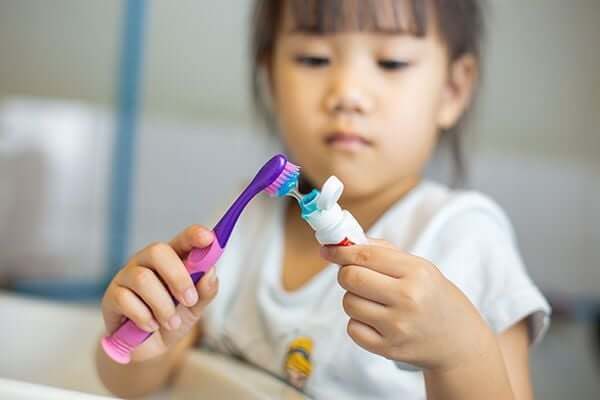
- Brush teeth
- Make breakfast
- Eat breakfast
- Take 2 minutes to meditate
- Drink coffee while listening to Yo-Yo Ma
- Put on clothes for the day
- Put on socks and shoes
What your kiddo with ASD's morning routine might look like
However, for kiddos with Autism, morning routines might be better followed if they're visual...
Oh"¦ what could this be?
A visual morning routine in primary colors that you can print out? Made by eSpecial Needs? Could it be?!
Yes, it is..

Click here to download the PDF.
Mornings don't have to be chaotic.
Sure, it might take a long time for your kiddo to get in the habit of following a visual schedule in the mornings to get out the door. But with time, practice, and patience, they'll be on their way to independently getting themselves ready for school!