Table of Contents
- What Is Sensory Processing Disorder in Adults?
- Understanding the Sensory Processing System
- How Sensory Overload Differs from Everyday Stress or Anxiety
- Is Sensory Processing Disorder a Recognized Diagnosis in Adults?
- Symptoms of Sensory Processing Disorder in Adults
- Sensory Issues Related to Touch
- Sound, Light, and Smell Sensitivities
- Emotional and Behavioral Signs of Sensory Overload
- ADHD and Sensory Issues in Adults
- How Sensory Processing Affects Relationships and Intimacy
- Sensory Issues Examples in Everyday Adult Life
- Tip 1: Create a Low Stimulation Safe Space at Home
- Tip 2: Use Deep Pressure Therapy Products for Immediate Calm
- Tip 3: Modify Your Environment to Reduce Sensory Input
- Tip 4: Develop a Personalized Sensory Diet
- Tip 5: Use Grounding Techniques During Overload
- Tip 6: Use Adaptive Sensory Tools and Calming Equipment
- Tip 7: Pursue Occupational Therapy and Sensory Integration Support
- Tip 8: Communicate and Advocate for Your Sensory Needs
- Treatment for Sensory Processing Disorder in Adults
- Occupational Therapy and Sensory Integration Approaches
- Cognitive Behavioral Therapy for Sensory Related Anxiety
- Lifestyle and Environmental Modifications
- Recommended Sensory Products and Adaptive Equipment for Adults
- Deep Pressure and Weighted Products
- Sensory Room Equipment for Home Use
- Sensory Bundles and Starter Kits
- Funding and Financing for Sensory Equipment
- When to Seek Professional Help
- Why Learning How To Help Sensory Overload In Adults Is Important
- FAQs
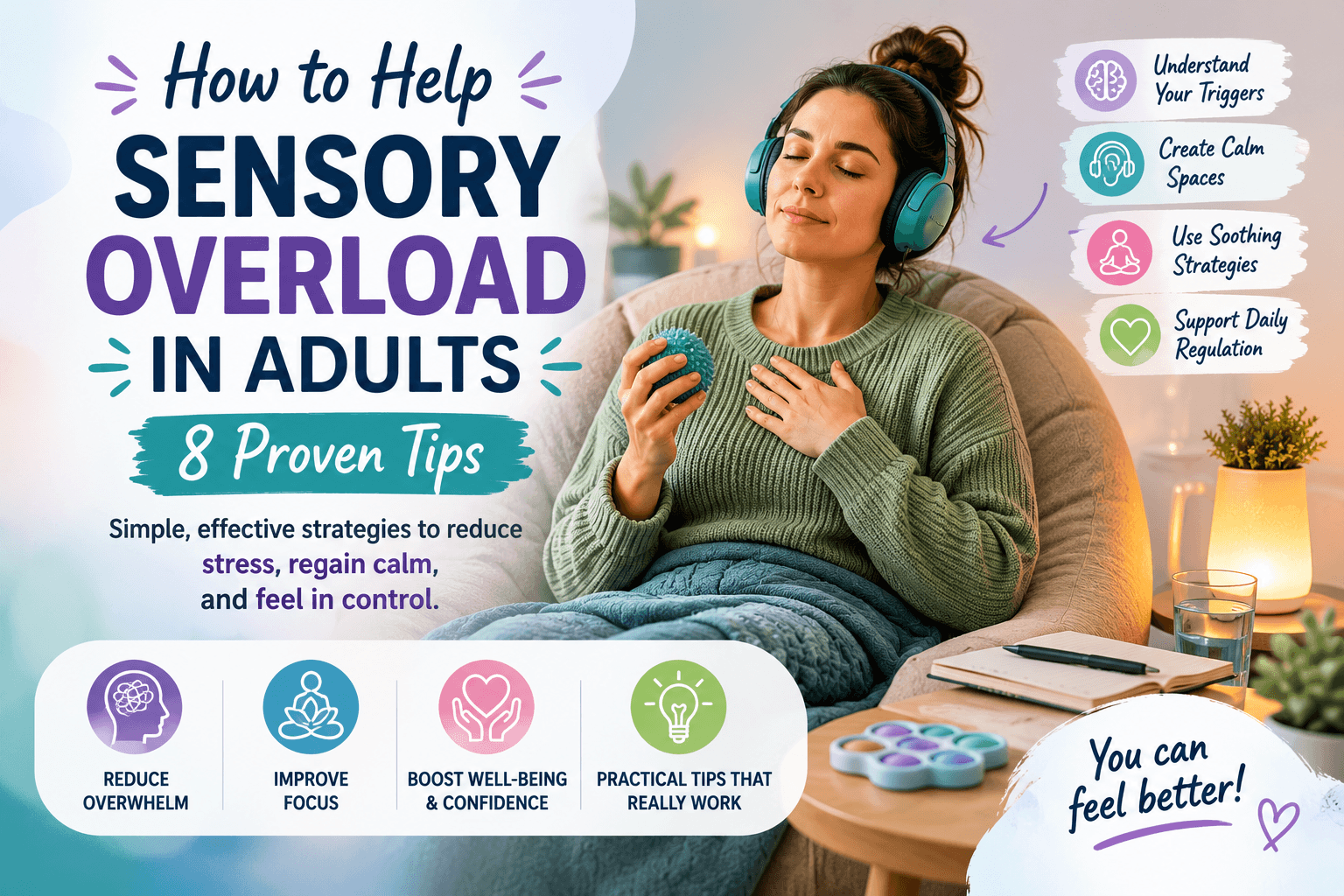
Learning how to help sensory overload in adults starts with understanding that sensory challenges are not just a childhood issue. Many adults live with sensory processing differences that affect work, relationships, errands, sleep, social activities, and daily routines. Bright lights, background noise, crowded stores, strong smells, certain fabrics, unexpected touch, or too many demands at once can push the nervous system into overload. Sensory overload can feel frustrating, embarrassing, exhausting, and hard to explain. An adult may appear anxious, irritable, distracted, withdrawn, or overwhelmed, but the real issue may be that the brain is receiving more sensory input than it can comfortably process.
The good news is that there are practical ways to reduce triggers, create calmer environments, use sensory tools, and build routines that make daily life more manageable. This guide explains what sensory processing disorder can look like in adults, how sensory overload differs from everyday stress, and how to help sensory overload in adults using eight practical strategies.
What Is Sensory Processing Disorder in Adults?
Sensory processing disorder, often called SPD, describes difficulty receiving, organizing, or responding to sensory information. While sensory issues are often discussed in children, many adults continue to experience sensory processing challenges throughout life. Adults with sensory processing differences may be highly sensitive to certain types of input, under responsive to others, or actively seek stronger sensory experiences to feel regulated.
For example, one adult may feel overwhelmed by fluorescent lights and office chatter. Another may need firm pressure, movement, or weighted products to feel calm. Another may struggle with clothing textures, food smells, crowded spaces, or unexpected touch. Sensory processing challenges can affect adults with autism, ADHD, anxiety, trauma histories, developmental disabilities, or other neurological differences. Some adults identify sensory issues long before they receive any formal diagnosis.
Understanding sensory processing is the first step in learning how to help sensory overload in adults in a realistic and compassionate way.
Understanding the Sensory Processing System
The sensory system helps the brain interpret information from the body and the environment. Most people know the five basic senses: sight, sound, smell, taste, and touch. But sensory processing also includes three additional systems that are important for regulation.
The eight sensory systems include:
- Visual input from light, color, movement, and visual clutter
- Auditory input from voices, music, background noise, and sudden sounds
- Tactile input from touch, fabrics, temperature, pressure, and textures
- Taste input from flavor, temperature, and food texture
- Smell input from perfumes, food, cleaning products, smoke, or chemicals
- Vestibular input from movement, balance, rocking, spinning, or motion
- Proprioceptive input from muscles and joints, including pressure, weight, pushing, pulling, and body position
- Interoceptive input from internal body signals such as hunger, thirst, pain, temperature, fatigue, or needing the bathroom
When the brain organizes sensory input well, a person can filter background information and respond appropriately. When sensory processing is difficult, ordinary environments can feel too loud, too bright, too busy, too close, too scratchy, or too unpredictable.
How Sensory Overload Differs from Everyday Stress or Anxiety
Sensory overload can overlap with stress and anxiety, but it is not exactly the same thing. Everyday stress may come from deadlines, responsibilities, conflict, or pressure. Anxiety often involves worry, fear, or nervous anticipation. Sensory overload happens when the nervous system is overwhelmed by sensory input. It may be triggered by loud noise, strong smells, bright lights, crowds, touch, motion, clutter, or multiple inputs happening at the same time.
An adult experiencing sensory overload may feel:
- Irritable
- Panicked
- Shut down
- Angry
- Tearful
- Unable to think clearly
- Physically uncomfortable
- Desperate to escape
- Sensitive to even more input
- Exhausted afterward
Because sensory overload can look like anxiety or anger from the outside, adults may be misunderstood. Learning how to help sensory overload in adults means recognizing the sensory trigger, not just the emotional reaction.
Is Sensory Processing Disorder a Recognized Diagnosis in Adults?
Sensory processing disorder is widely discussed by occupational therapists, families, autistic adults, adults with ADHD, and sensory researchers, but it is not currently listed as a standalone diagnosis in the DSM. That can make diagnosis and insurance coverage complicated. Some adults receive sensory related support through another diagnosis, such as autism, ADHD, anxiety, developmental disability, or neurological condition. Others work with occupational therapists who assess sensory patterns and functional challenges even without a standalone SPD diagnosis.
If sensory issues are affecting work, relationships, safety, daily living, or mental health, it is reasonable to seek professional evaluation. An occupational therapist can help identify sensory triggers, regulation strategies, adaptive tools, and environmental modifications.
Symptoms of Sensory Processing Disorder in Adults
Sensory symptoms in adults can appear across many areas of daily life. Some adults are over responsive to input, meaning sensations feel too intense. Others are under responsive, meaning they need stronger input to notice or respond. Some adults seek sensory input to stay calm or focused.
Sensory Issues Related to Touch
Touch sensitivities can be one of the most disruptive sensory challenges for adults.
Examples include:
- Discomfort with clothing tags, seams, or tight waistbands
- Strong dislike of certain fabrics
- Irritation from light touch
- Avoidance of unexpected hugs or casual contact
- Sensitivity to temperature changes
- Discomfort with haircuts, grooming, or skin care products
- Strong reactions to sticky, wet, rough, or scratchy textures
- Preference for deep pressure over light touch
Some adults seek tactile input instead. They may enjoy weighted blankets, firm pressure, compression clothing, textured objects, or fidget tools.

Sound, Light, and Smell Sensitivities
Auditory, visual, and smell sensitivities are common in adult sensory overload.
Sound triggers may include:
- Office chatter
- Restaurants
- Traffic noise
- Alarms
- Music in stores
- Appliances
- Repetitive sounds
- Multiple conversations at once
Light triggers may include:
- Fluorescent lighting
- Flickering lights
- Bright stores
- Computer glare
- Busy visual environments
- Flashing screens
- Crowded shelves or clutter
Smell triggers may include:
- Perfume
- Cleaning products
- Smoke
- Food smells
- Air fresheners
- Laundry detergent
- Chemical odors
For many adults, sensory overload happens when several triggers combine. A grocery store with bright lights, loud carts, strong smells, crowded aisles, and social expectations can become overwhelming quickly.
Emotional and Behavioral Signs of Sensory Overload
Sensory overload symptoms may include emotional and behavioral responses.
Adults may experience:
- Irritability
- Sudden anger
- Crying
- Panic
- Withdrawal
- Shutdown
- Trouble speaking
- Difficulty concentrating
- Need to leave immediately
- Feeling trapped
- Physical tension
- Headaches
- Fatigue
- Difficulty making decisions
- Avoidance of certain places or activities
Some adults describe sensory overload as feeling like their brain has too many tabs open at once. Others describe it as physical pain, static, pressure, or an urgent need to escape.
ADHD and Sensory Issues in Adults
ADHD and sensory issues often overlap. Adults with ADHD may struggle to filter background noise, ignore visual distractions, tolerate interruptions, or regulate attention when sensory input is intense. Sensory overload can make ADHD symptoms worse. A noisy office may make focus nearly impossible. A cluttered home may increase mental fatigue. A busy social event may make emotional regulation harder.
Common overlapping challenges include:
- Difficulty concentrating in noisy environments
- Strong reactions to interruptions
- Restlessness
- Need for movement
- Sensitivity to clothing or textures
- Trouble transitioning between tasks
- Emotional dysregulation
- Fatigue after sensory heavy environments
For adults with ADHD, learning how to help sensory overload in adults often means combining sensory tools with attention supports, routines, and environmental changes.
How Sensory Processing Affects Relationships and Intimacy
Sensory issues can affect relationships in ways that are easy to misunderstand. An adult may avoid certain restaurants because of noise, reject physical affection because of touch sensitivity, struggle with shared living spaces because of smells or clutter, or need recovery time after social events. Sensory processing can also affect intimacy. Touch, pressure, temperature, scent, sound, lighting, and emotional stress can all influence comfort. A partner may misinterpret sensory avoidance as rejection unless the sensory needs are communicated clearly.
Helpful relationship strategies include:
- Explaining specific triggers
- Naming preferred forms of touch
- Using clear communication
- Creating low stimulation shared spaces
- Planning recovery time after events
- Respecting sensory boundaries
- Choosing sensory friendly date locations
- Reducing assumptions and shame
Understanding sensory needs can improve connection, reduce conflict, and help partners support each other more effectively.
Sensory Issues Examples in Everyday Adult Life
Sensory overload can show up in ordinary situations.
Examples include:
- Feeling drained after grocery shopping
- Avoiding restaurants because of noise
- Struggling to work under fluorescent lights
- Becoming irritable after wearing uncomfortable clothing
- Feeling overwhelmed by strong perfume at work
- Needing silence after social events
- Avoiding public transportation due to crowding and sound
- Feeling unable to focus in open office environments
- Getting headaches from bright screens
- Feeling panicked in busy stores
- Needing weighted pressure to relax at night
These examples are why practical strategies matter. The goal is not to avoid life entirely. The goal is to build supports that make life more manageable.
8 Practical Tips for How to Help Sensory Overload in Adults
There is no single solution that works for everyone. The best approach combines environment changes, regulation tools, professional support, and self advocacy.
Tip 1: Create a Low Stimulation Safe Space at Home
A dedicated calming space gives the nervous system a place to recover. This does not need to be a full sensory room. It can be a bedroom corner, reading chair, closet nook, home office corner, or quiet space with controlled lighting and minimal clutter.
A calming sensory space may include:
- Soft lighting
- Noise reduction headphones
- Weighted blanket
- Comfortable seating
- Soft textures
- Minimal visual clutter
- Calming scents if tolerated
- Fidgets
- A fan or white noise machine
- Blackout curtains
- Soft rug or mat
- Visual timer
- Deep pressure tools
A safe space should be predictable and easy to access. When considering how to help sensory overload in adults at home, this is one of the most useful starting points.
Time Timer 12"
$33.95
$43.95
Introducing the new and improved Time Timer Original 12"! You spoke, and we listened! We have made improvements to the Time Timer 12-inch visual timer - the largest in the Original family! - in order to create a better product… read more

Tip 2: Use Deep Pressure Therapy Products for Immediate Calm
Deep pressure input can feel grounding for many adults. It provides firm sensory feedback through muscles, joints, and skin. Deep pressure tools may help some adults calm their nervous system during or after overload.
Helpful options include:
- Weighted blankets
- Weighted lap pads
- Weighted shoulder wraps
- Compression vests
- Compression clothing
- Deep pressure pillows
- Firm cushions
- Body socks sized for adults
- Heavy quilts
- Foam rollers
Deep pressure should feel comforting, not restrictive. Adults with breathing concerns, circulation issues, pain conditions, pregnancy, trauma related touch sensitivities, or mobility limitations should consult a healthcare professional before using weighted or compression products.
Double Squeeze Hug Machine - Calming Deep Pressure Aid
$699.00
$799.00
The Double Squeeze Machine is a calming deep pressure sensory tool designed to provide even, consistent proprioceptive input for children who benefit from structured sensory regulation. Often used as a squeeze machine or hug machine, it helps support self-regulation, body… read more

Tip 3: Modify Your Environment to Reduce Sensory Input
Environmental changes can prevent overload before it starts.
At home, consider:
- Dimmable lighting
- Blackout curtains
- Lower volume appliances
- Unscented cleaning products
- Soft clothing and bedding
- Decluttered surfaces
- Quiet zones
- Reduced screen brightness
- Separate storage for visually busy items
At work, consider:
- Noise canceling headphones if allowed
- Desk lamp instead of overhead lighting
- Screen filters
- Scent free workspace requests
- Flexible seating
- Breaks away from high traffic areas
- Written instructions instead of verbal overload
- Remote work options when possible
Small changes can reduce the amount of sensory input the brain must process.
Tip 4: Develop a Personalized Sensory Diet
A sensory diet is a planned routine of sensory activities that helps regulate the nervous system throughout the day. It is not a food diet. It is a schedule of sensory input.
For adults, a sensory diet may include:
- Morning stretching
- Weighted blanket time before work
- Movement breaks every few hours
- Noise reduction during focused tasks
- Deep pressure after errands
- Fidget tools during meetings
- Calming music during transitions
- A quiet recovery period after social events
- Evening compression or weighted products
- Regular exercise or resistance work
An occupational therapist can help build a sensory diet based on specific triggers and needs. A strong sensory diet is proactive. Instead of waiting until overload happens, it gives the nervous system support throughout the day.
Tip 5: Use Grounding Techniques During Overload
Grounding techniques can help interrupt overload in the moment.
One common method is the 5 4 3 2 1 technique:
- Name 5 things you can see
- Name 4 things you can feel
- Name 3 things you can hear
- Name 2 things you can smell
- Name 1 thing you can taste
For some adults, this method may be too much during overload. Other grounding options include:
- Pressing feet firmly into the floor
- Holding an ice pack wrapped in cloth
- Using a weighted lap pad
- Taking slow breaths with longer exhales
- Naming one safe object in the room
- Focusing on a textured item
- Counting backward
- Moving to a quieter place
- Using a calming phrase
- Drinking cold water
When learning how to help sensory overload in adults, grounding works best when practiced before a crisis. That way it feels familiar when overload begins.
Tip 6: Use Adaptive Sensory Tools and Calming Equipment
Purpose built sensory tools can make daily regulation easier.
Useful sensory tools for adults may include:
- Weighted blankets
- Lap pads
- Compression garments
- Noise reduction headphones
- Fidgets
- Sensory seating
- Rocking chairs
- Chill out chairs
- Soft lighting
- Tactile tools
- Sensory bundles
- Visual timers
- Calming room equipment
- White noise machines
Chill out chairs and supportive sensory seating can be especially helpful for adults who need a defined place to decompress. Sensory bundles may be a good starting point for adults who are new to sensory tools and want to try multiple options.
Tip 7: Pursue Occupational Therapy and Sensory Integration Support
Occupational therapy can help adults understand sensory patterns and build practical strategies.
An occupational therapist may help with:
- Identifying triggers
- Creating a sensory profile
- Building a sensory diet
- Recommending tools
- Modifying the home or workplace
- Improving daily routines
- Supporting emotional regulation
- Addressing sensory related avoidance
- Building self advocacy skills
Sensory integration therapy for adults may include movement activities, balance work, deep pressure input, body awareness exercises, environmental planning, and daily life strategies.
To find an OT with sensory experience, ask:
- Do you work with adults who have sensory processing challenges?
- Do you have experience with autism or ADHD in adults?
- Can you help with workplace accommodations?
- Do you create sensory diets for adults?
- Do you recommend adaptive equipment?
- Do you offer home based or telehealth support?
Professional support can be especially helpful when sensory overload is affecting employment, relationships, sleep, or independence.
Tip 8: Communicate and Advocate for Your Sensory Needs
Self advocacy is one of the most important long term tools. Many adults feel pressure to hide sensory needs. But clear communication can prevent misunderstandings and make support more likely.
At work, you might say:
“I focus best in lower noise environments. Would it be possible for me to use noise reducing headphones during independent work?”
Or:
“Fluorescent lighting triggers headaches and sensory overload for me. Could we discuss a desk location with less direct overhead light?”
With friends or family, you might say:
“I want to spend time with you, but loud restaurants are hard for me. Could we choose a quieter place?”
In relationships, you might say:
“Light touch can feel uncomfortable to me, but firm pressure feels better. I can tell you what feels okay.”
Advocacy does not require over explaining. It simply means naming the need and requesting a practical adjustment.
Treatment for Sensory Processing Disorder in Adults
Treatment for sensory processing challenges usually includes a combination of therapy, tools, routines, and environmental adjustments.
Occupational Therapy and Sensory Integration Approaches
OT is often the most direct therapy for sensory processing challenges. An OT can help identify whether an adult is sensory sensitive, sensory seeking, under responsive, or experiencing a combination of patterns.
Treatment may include:
- Sensory education
- Regulation strategies
- Sensory diet planning
- Equipment recommendations
- Home modifications
- Work modifications
- Daily routine support
- Body awareness activities
- Deep pressure strategies
- Movement based regulation
Cognitive Behavioral Therapy for Sensory Related Anxiety
CBT may help when sensory overload has led to anxiety, avoidance, panic, or fear of certain environments.
CBT does not remove sensory sensitivity, but it may help adults:
- Identify anxious thoughts
- Reduce avoidance patterns
- Plan coping strategies
- Communicate needs
- Manage anticipatory anxiety
- Build confidence in difficult settings
For many adults, OT and CBT can work together. OT addresses sensory regulation and environments, while CBT supports the anxiety that can develop around repeated overload.
Lifestyle and Environmental Modifications
Daily lifestyle changes can support long term regulation.
Helpful habits include:
- Consistent sleep routines
- Regular movement
- Reduced clutter
- Meal planning around sensory needs
- Comfortable clothing
- Scheduled breaks
- Lower stimulation transitions
- Planning recovery time after busy events
- Reducing unnecessary sensory triggers
- Keeping sensory tools accessible
The best treatment plan is realistic. It should fit the adult’s actual life, not add more stress.
Recommended Sensory Products and Adaptive Equipment for Adults
Sensory products can help adults manage overload more consistently.
Deep Pressure and Weighted Products
Recommended options include:
- Weighted blankets
- Weighted lap pads
- Weighted shoulder wraps
- Compression vests
- Compression clothing
- Deep pressure pillows
- Body socks for adults
These tools may support calming, body awareness, and recovery after overstimulation.
Sensory Room Equipment for Home Use
Adults can create a home sensory space with:
- Soft seating
- Low lighting
- Bubble tubes
- Sensory wall panels
- Weighted products
- Noise reduction tools
- Tactile items
- Rocking chairs
- Calming visual tools
- Soft mats
- White noise
A sensory room does not need to be large. Even a small calming corner can help.
Sensory Bundles and Starter Kits
Sensory bundles are useful for adults who want to try different tools without choosing every item separately.
A starter kit may include:
- Fidgets
- Tactile tools
- Visual calming items
- Weighted tools
- Stress relief items
- Noise reduction supports
- Grounding tools
Bundles can be a budget friendly way to discover what works.
Funding and Financing for Sensory Equipment
Some sensory equipment may be purchased out of pocket, while other items may qualify for support depending on medical need and funding source.
Options may include:
- Insurance coverage when applicable
- Medicaid or waiver programs
- Flexible spending accounts
- Health savings accounts
- Letters of medical necessity
- Grants
- Financing options such as Affirm
- Price match options when available
A letter of medical necessity may help when a clinician can document that a product supports functional needs, sensory regulation, safety, or daily participation.
When to Seek Professional Help
Seek professional help if sensory issues are interfering with:
- Work
- Relationships
- Sleep
- Hygiene
- Eating
- Leaving the house
- Driving or transportation
- Emotional regulation
- Daily responsibilities
- Physical safety
- Mental health
- Social participation
A primary care provider, occupational therapist, psychologist, psychiatrist, or neurologist may help identify next steps depending on symptoms and history.
Why Learning How To Help Sensory Overload In Adults Is Important
Learning how to help sensory overload in adults means understanding that overload is not weakness, overreaction, or poor coping. It is a nervous system response to too much sensory input. Adults can reduce overload by identifying triggers, modifying environments, using deep pressure tools, building sensory diets, practicing grounding techniques, investing in adaptive sensory equipment, working with occupational therapists, and communicating needs clearly.
The right strategies can make work, home, relationships, errands, and social life more manageable. eSpecial Needs offers sensory products, deep pressure tools, sensory room equipment, calming seating, sensory bundles, and adaptive equipment that can help adults create supportive environments for regulation and comfort.
If you are trying to understand how to help sensory overload in adults, start with one change: reduce one trigger, add one calming tool, or create one safe space. Small steps can lead to a more comfortable and regulated daily life.
FAQs
What is sensory overload in adults?
Sensory overload in adults happens when the brain receives more sensory input than it can comfortably process. Triggers may include loud sounds, bright lights, strong smells, crowded spaces, uncomfortable clothing, unexpected touch, or too many things happening at once. Sensory overload can cause irritability, anxiety, shutdown, panic, fatigue, or an urgent need to leave the environment.
What causes sensory overload in adults?
Sensory overload can be caused by noise, lighting, smells, textures, crowds, movement, visual clutter, social demands, or multiple sensory inputs happening at the same time. Adults with autism, ADHD, anxiety, sensory processing differences, trauma histories, migraines, or neurological conditions may be more likely to experience sensory overload.
Is sensory overload the same as anxiety?
No. Sensory overload and anxiety can overlap, but they are not the same. Anxiety often involves worry, fear, or anticipation. Sensory overload happens when the nervous system becomes overwhelmed by sensory input. Sensory overload may trigger anxiety, and anxiety may make sensory input harder to tolerate.
What are common symptoms of sensory overload in adults?
Common symptoms include irritability, panic, difficulty concentrating, emotional shutdown, crying, anger, fatigue, headaches, muscle tension, sensitivity to sound or light, difficulty speaking, feeling trapped, or needing to leave immediately. Some adults may become quiet and withdrawn, while others may appear frustrated or agitated.
What does sensory overload feel like?
Sensory overload can feel like the brain is receiving too much information at once. Some adults describe it as mental static, pressure, pain, panic, exhaustion, or an urgent need to escape. Lights may seem brighter, sounds may feel louder, clothing may feel unbearable, and decision making may become difficult.
How do you help sensory overload in adults?
To help sensory overload in adults, reduce sensory triggers, move to a quieter space, dim lights, use noise reduction tools, apply deep pressure if helpful, practice grounding techniques, and allow recovery time. Long term support may include a sensory diet, occupational therapy, adaptive sensory tools, and environmental modifications.
What should you do during a sensory overload episode?
During sensory overload, reduce input as quickly as possible. Move away from noise, dim bright lights, stop unnecessary conversation, use headphones, apply calming pressure if tolerated, focus on slow breathing, and give the person time to recover. Avoid touching, crowding, or pressuring the person unless they ask for help.
What should you avoid during sensory overload?
Avoid telling the person to calm down, forcing eye contact, touching them without permission, asking too many questions, increasing noise, blocking their exit, or treating the response as intentional misbehavior. Sensory overload is a nervous system response, not a character flaw.
Can adults have sensory processing disorder?
Yes. Adults can experience sensory processing challenges, even if they were never identified in childhood. Some adults are diagnosed with autism, ADHD, anxiety, or another condition that includes sensory differences, while others work with an occupational therapist to understand their sensory patterns.
Is sensory processing disorder a formal diagnosis for adults?
Sensory processing disorder is widely discussed by occupational therapists and sensory professionals, but it is not currently listed as a standalone diagnosis in the DSM. Adults may still receive support for sensory challenges through occupational therapy, autism evaluations, ADHD care, anxiety treatment, or functional assessments.
What are examples of sensory issues in adults?
Examples include avoiding loud restaurants, feeling overwhelmed in grocery stores, struggling under fluorescent lights, disliking certain fabrics, reacting strongly to perfume, needing silence after social events, becoming distracted by background noise, or needing weighted pressure to relax.
What are common sound sensitivities in adults?
Common sound sensitivities include discomfort with alarms, traffic, office chatter, chewing sounds, music in stores, appliances, crowds, sirens, or multiple conversations at once. Noise reducing headphones or quieter environments may help.
What are common light sensitivities in adults?
Light sensitivities may include discomfort with fluorescent lights, flickering lights, bright stores, screen glare, headlights, flashing visuals, or visually cluttered environments. Dimmable lighting, screen filters, sunglasses, or softer lamps may help reduce overload.
What are common touch sensitivities in adults?
Touch sensitivities may include discomfort with clothing tags, seams, tight waistbands, scratchy fabrics, light touch, unexpected hugs, grooming, temperature changes, sticky textures, or certain bedding materials. Many adults prefer soft clothing, predictable touch, or firm pressure instead of light touch.
Can smells trigger sensory overload?
Yes. Strong smells can trigger sensory overload in some adults. Common smell triggers include perfume, cleaning products, smoke, food odors, air fresheners, laundry detergent, chemicals, and scented candles. Using unscented products and avoiding strong fragrance environments may help.
Can ADHD cause sensory overload in adults?
ADHD can be associated with sensory sensitivity, distractibility, emotional dysregulation, and difficulty filtering background input. Adults with ADHD may become overwhelmed by noise, clutter, interruptions, bright lights, or busy environments. Sensory strategies and attention supports can both be helpful.
Can autism cause sensory overload in adults?
Many autistic adults experience sensory overload because their nervous system may process sound, light, touch, smell, movement, or social input differently. Sensory overload can affect work, relationships, errands, sleep, and daily routines. Supportive environments and sensory tools can help reduce overload.
Can sensory overload affect relationships?
Yes. Sensory overload can affect physical affection, intimacy, social plans, shared living spaces, communication, and emotional regulation. Clear communication about sensory needs can help partners, family members, and friends understand triggers and provide better support.
How can adults explain sensory overload to others?
Adults can explain sensory overload by saying, “My nervous system gets overwhelmed by too much noise, light, or touch. I may need a quiet break to reset.” Simple, direct explanations often work best. It can also help to name specific triggers and preferred supports.
How can adults ask for sensory accommodations at work?
Adults can ask for practical accommodations such as noise reducing headphones, a quieter workspace, reduced fluorescent lighting, written instructions, flexible breaks, remote work options, scent free areas, or permission to step away from overwhelming environments when needed.
What is a sensory diet for adults?
A sensory diet is a planned routine of sensory activities that helps regulate the nervous system throughout the day. For adults, it may include movement breaks, deep pressure tools, quiet time, fidgets, weighted products, calming music, stretching, or recovery time after sensory heavy activities.
Who can create a sensory diet for adults?
An occupational therapist can help create a personalized sensory diet based on the adult’s triggers, sensory preferences, daily routines, work environment, and regulation needs. Adults can also start tracking what helps and what worsens overload.
What are the best sensory tools for adults?
Helpful sensory tools for adults may include weighted blankets, weighted lap pads, weighted shoulder wraps, compression clothing, noise reduction headphones, fidgets, sensory seating, soft lighting, visual timers, tactile tools, and calming sensory bundles.
Can weighted blankets help sensory overload in adults?
Weighted blankets may help some adults feel calmer by providing deep pressure input. They may be useful during rest, sleep routines, anxiety, or recovery after overstimulation. Adults with breathing issues, circulation concerns, mobility limitations, pain conditions, or pregnancy should ask a healthcare provider before use.
What deep pressure products help adults with sensory overload?
Deep pressure products may include weighted blankets, weighted lap pads, weighted shoulder wraps, compression vests, compression garments, deep pressure pillows, body socks sized for adults, foam rollers, and supportive sensory seating.
What is a calming sensory space for adults?
A calming sensory space is a low stimulation area designed for regulation and recovery. It may include soft lighting, comfortable seating, minimal clutter, noise reduction headphones, weighted products, calming textures, blackout curtains, fidgets, and a white noise machine.
How do you make a sensory friendly home?
To make a sensory friendly home, reduce clutter, use soft lighting, choose unscented cleaning products, create quiet zones, use comfortable fabrics, lower screen brightness, add noise control, and keep calming tools accessible. The goal is to reduce unnecessary sensory input.
How do you make a sensory friendly workplace?
A sensory friendly workplace may include quieter seating, headphones, screen filters, task lighting, scent free policies, written instructions, predictable routines, break options, reduced clutter, and flexible work arrangements when possible.
What grounding techniques help sensory overload?
Grounding techniques may include pressing feet into the floor, holding a textured object, using a weighted lap pad, drinking cold water, counting backward, naming objects in the room, focusing on slow breathing, or using the 5 4 3 2 1 method.
What is the 5 4 3 2 1 grounding technique?
The 5 4 3 2 1 method asks you to name five things you see, four things you feel, three things you hear, two things you smell, and one thing you taste. It can help redirect attention during overwhelm, although some adults may prefer simpler grounding tools during intense overload.
Can occupational therapy help sensory overload in adults?
Yes. Occupational therapy can help adults identify sensory triggers, build a sensory diet, modify home or work environments, choose sensory tools, develop regulation strategies, and improve daily routines. Look for an occupational therapist with experience in adult sensory processing, autism, ADHD, or sensory integration.
What does sensory integration therapy look like for adults?
Sensory integration therapy for adults may include movement activities, body awareness exercises, balance work, deep pressure input, environmental planning, regulation strategies, and daily routine support. Sessions are usually tailored to the adult’s goals, triggers, and functional needs.
Can CBT help sensory overload?
CBT may help with anxiety, avoidance, and emotional patterns connected to sensory overload. It does not remove sensory sensitivity, but it can help adults manage anticipatory anxiety, communicate needs, plan coping strategies, and reduce fear around difficult environments.
When should an adult seek professional help for sensory issues?
An adult should seek help if sensory issues interfere with work, relationships, sleep, hygiene, eating, transportation, leaving the house, emotional regulation, daily responsibilities, safety, or mental health. An occupational therapist, physician, psychologist, or psychiatrist may help identify next steps.
Can sensory overload be treated?
Sensory overload can often be managed with the right strategies, tools, therapy, and environmental changes. Treatment may include occupational therapy, sensory diets, adaptive equipment, deep pressure tools, lifestyle routines, workplace accommodations, and support for related anxiety.
Can sensory equipment be covered by insurance?
Some sensory equipment may be covered by insurance, Medicaid, waiver programs, grants, or health spending accounts when it is medically necessary and properly documented. Coverage varies by plan and product type. A letter of medical necessity may help support funding requests.
What is a letter of medical necessity for sensory equipment?
A letter of medical necessity is a document from a healthcare professional explaining why a sensory product is needed for medical, functional, sensory, or daily living needs. It may support insurance, Medicaid, grant, or reimbursement requests.
How can eSpecial Needs help adults with sensory overload?
eSpecial Needs offers sensory products, deep pressure tools, weighted items, calming seating, sensory room equipment, sensory bundles, and adaptive equipment that can help adults create more supportive environments for regulation, comfort, and daily sensory management.