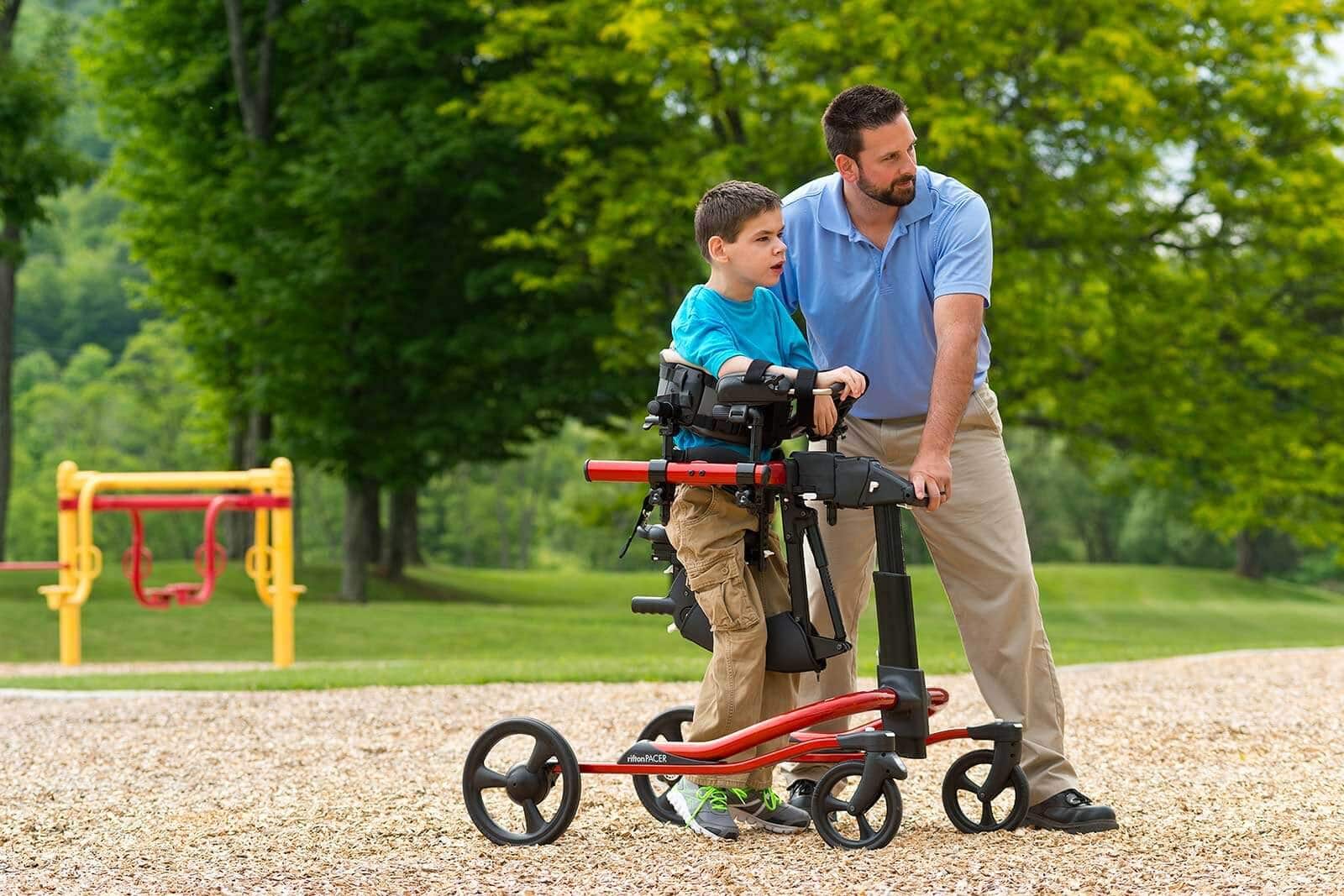
What Is Autism Spectrum Disorder?
Autism Spectrum Disorder, or ASD, is a developmental disability caused by neurological differences. Social communication and interactions, repetitive behaviors, and issues with lack of focus are a few but not all key indicators of ASD.
There are lots of assumptions and harmful misinformation that perpetuates within our society concerning those with autism. If your child has recently been diagnosed with Autism or you suspect that they may be on the spectrum, here are some imperative details that may help you gain a better understanding.
Debunking Autism Myths
Myth #1: Autism is caused by vaccines
According to The Center for Disease Control and Prevention (CDC) a study published in 2013 contributed to previous research showing that vaccines do not cause ASD. "The study focused on the number of antigens given during the first two years of life. Antigens are substances in vaccines that cause the body's immune system to produce disease-fighting antibodies. The results showed that the total amount of antigen from vaccines received was the same between children with ASD and those that did not have ASD."
Myth #2: Autism can be cured
Autistic people are not sick, and autism cannot be cured with medicine. Because there are no individuals who experience Autism the same way, there is no one-size-fits-all treatment. The goal of treatment is to maximize your child's ability to function by addressing areas of development supporting their best way to learn. Support services for individuals with Autism may include Occupational Therapy, Speech & Language Therapy, Applied Behavioral Analysis, Parent education and training, Medication, Music Therapy, Cognitive Behavioral Therapy, etc.
Myth #3: Only boys can have autism
Research studies from 2021 confirm that autism is about 4.2 times more prevalent in boys than girls. This means that for every girl with autism, there are 4 boys with autism. Because signs and symptoms can vary greatly and may be very discrete, both boys and girls may go undiagnosed. Autism can also have a genetic component.
Myth #4: Autistic people are either savant or non-verbal and intellectually disabled
The diagnostic criteria and description of Autism has changed over the years and is guided by the Diagnostic and Statistical Manual of Mental Disorders (DSM). In 2013, the DSM-5 gathered all of the condition subcategories under the umbrella diagnosis of autism spectrum disorder (ASD) and Asperger Syndrome is no longer a separate diagnosis. Autism Spectrum Disorder is now defined by three levels. The levels range from least to most severe, with ASD level 3 describing an individual who has the most severe level of ASD symptoms, and ASD level 1 describing someone with symptoms on the milder end of the spectrum.
The level of ASD someone might be assigned is not concrete"”it can shift as they develop and refine their social skills or other issues common among people with autism. Individuals' ASD level can change or grow more severe. Again, these criteria may be helpful as a starting point but are still very general and board as to what supports may work best for each person. For example, just because a student may perform well academically or communicate well doesn't mean they process information the same as their peers or can't feel extremely anxious at the thought of social situations. School personnel should prioritize understanding the specific needs and challenges of each of their neurodivergent students, however high functioning they appear to be outwardly.
Learn the Facts About Autism
Fact #1: Autistic people can have aggressive behaviors
You may have heard before that "behavior is communication." This also applies to Autistic individuals. Underlying factors that may lead to self-injurious behaviors, aggression toward others, or property destruction may include but is not limited to:
"¢ Being denied access to an object or activity
"¢ Being unable to communicate pain/discomfort/illness
"¢ Either too much or lack of attention
"¢ Seeking or avoiding sensory information
A Functional Behavioral Assessment completed by a Board-Certified Behavioral Analyst may help you determine the function of the individual's behavior and how to best prevent or improve the behaviors.
Fact #2: Autism impacts all races and cultures
In 2020 The CDC determined that "Although no overall difference in ASD prevalence between black and white children aged 8 years was observed, the disparities for black children persisted in early evaluation and diagnosis of ASD. Hispanic children also continue to be identified as having ASD less frequently than white or black children."
An analysis of the CDC database by Maureen Durkin, lead researcher and professor and interim chair of population health sciences at the University of Wisconsin-Madison, determined that "Autism prevalence rose almost evenly among high-, middle- and low-socioeconomic groups between 2002 and 2010, the researchers found. The rates increased from 3.9 to 9.3 per 1,000 children in the low-socioeconomic group, from 6.2 to 11.6 in the middle class and from 7.9 to 13.4 in the high-socioeconomic group."
A study from Donohue M.R. et al. Autism Epub ahead of print (2017) suggests black parents report fewer concerns about social problems, repetitive behaviors, and other autism symptoms than white parents do.
Fact #3: Early detection and intervention is important
Birth to three years of age is prime time for learning skills and creating connections in the brain. The goal of early intervention is to catch children in their early stages of development and provide the support to catch them up with their peers. Early interventions not only give children the best start possible, but also the best chance at continued growth and developing to their full potential.
In Missouri the Early Intervention program is called First Steps. The program develops a Individualized Family Support Plan (IFSP) and provides therapy services to children birth to 3 years of age in the home.
Fact #4: Autistic individuals can be employed
Employment or a post-secondary plan is a pivotal plan for autonomy and purpose when transitioning to adulthood. Agencies such as the Department of Vocational Rehabilitation can be an important resource to assist preparing for employment. Employment may include competitive employment, self-employment, supported employment, or sheltered employment.
Autism Is Not a Hinderance, It's a Diversity
Although autism is a prevalent developmental disability, those with this diagnosis still lead happy, healthy, successful lives. The more we educate ourselves and prioritize the proper training and therapy, the better we'll be at accepting and understanding others' differences.