Table of Contents
Designing Sensory-Smart Spaces That Support Emotional Regulation, Focus, and Self-Soothing
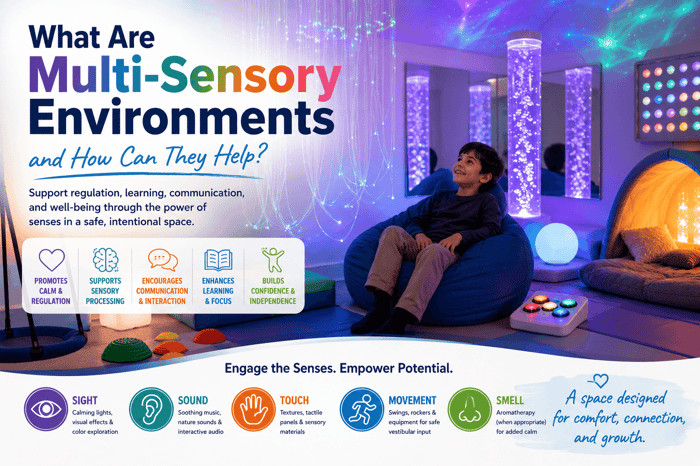
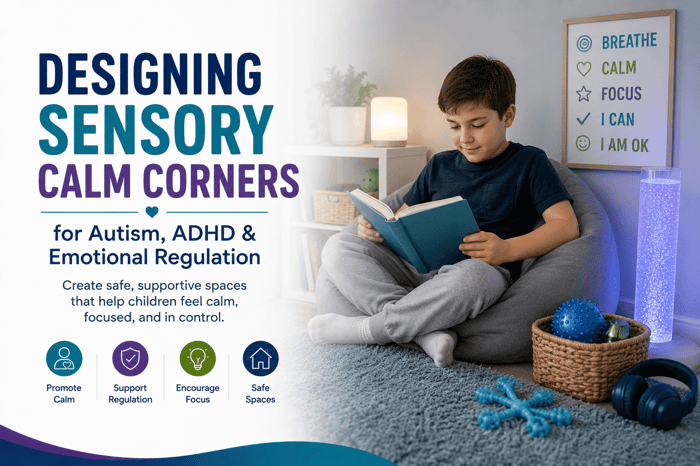
In today’s busy homes and classrooms, children are constantly navigating noise, transitions, expectations, and sensory input. For many—especially those with autism, ADHD, or sensory processing challenges—this can quickly lead to overwhelm. That’s where calm corners come in. A thoughtfully designed calm-down space provides children with a safe, supportive area to reset, regulate emotions, and return to learning feeling more in control.
When built intentionally with the right sensory tools, comfortable seating, and calming elements, calm corners become powerful tools for emotional growth. Below, we’ll explore why they work, what to include, and how to set one up successfully—plus recommended products from
eSpecial Needs to help you create a space that truly supports regulation and independence.
Why Calm Corners Matter
Supporting Emotional Regulation & Self-Soothing
Calm corners are not time-out spaces. Instead, they are proactive tools that teach children how to recognize when they feel overwhelmed and choose healthy coping strategies. By providing access to sensory calming tools, children learn to self-soothe, manage frustration, and build lifelong emotional regulation skills.
Reducing Sensory Overload & Anxiety
Bright lights, loud noises, and constant movement can overwhelm the nervous system. A designated quiet space helps reduce sensory input, giving the brain a chance to reset. For children with autism and ADHD, this reduction in stimulation can significantly decrease anxiety and prevent meltdowns.
Benefits for Autism, ADHD & Sensory Processing Challenges
- Improved emotional regulation
- Fewer meltdowns and behavioral escalations
- Smoother transitions between activities
- Increased independence in managing feelings
- A more inclusive, supportive classroom or home environment
Adult Therapy Rocker Chair

$1,099.95
The Adult Therapy Rocker Chair is a supportive sensory rocker chair designed to provide calming vestibular input for teens and adults who benefit from gentle rocking and secure body support. Its cradling shape helps users relax after sensory overload while… read more
Key Elements of an Effective Calm Corner
1. Comfortable Seating
The foundation of a calming space is physical comfort. Soft seating helps children feel secure and grounded.
Recommended Products:
Classic Bean Bag Chair
A soft, body-conforming seating option that provides gentle pressure and a cozy place to relax.
View Product
Crash Pad
Ideal for children who seek deep pressure input. Crash pads provide a safe way to release energy and regulate the nervous system.
View Product
Chill Out Chairs
Specially designed versatile prone and supine mobility chairs designed to support gross motor development, sensory integration, and independent mobility. Both the Chill Out Roll'er and Rock'er provide a safe, comfortable space that envelops and supports to deliver comfort, calming, and sensory regulation.
Chill Out Roll'er Chill Out Rock'er
2. Sensory Tools & Fidgets
Including tactile and proprioceptive tools gives children options to calm their bodies. The right sensory calming products can help redirect anxious energy into purposeful input.
Tactile Sensory Kit
A versatile collection of handheld fidgets and tactile tools that support self-regulation and sensory exploration.
View Product
Weighted Lap Pad
Provides calming deep pressure input to promote focus and emotional regulation during seated activities.
View Product
Textured Chewy Tube
A durable oral sensory tool for children who benefit from chewing to stay calm and focused.
View Product
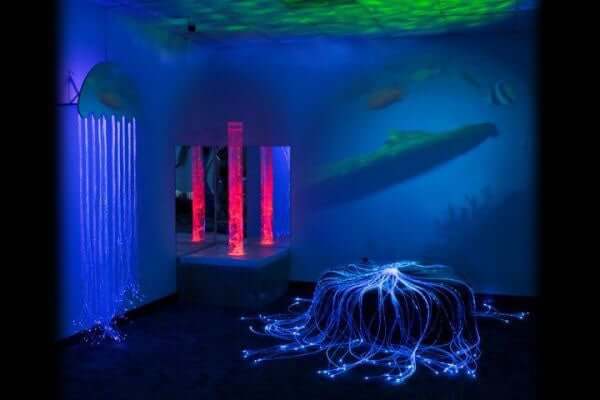
3. Soft Lighting & Visual Calm
Harsh lighting can increase anxiety. Soft, dim lighting or visual calming tools help signal to the brain that it’s time to relax.
Calming Fiber Optic Rain Cloud
The Calming Fiber Optic Rain Cloud creates a calming, tactile, and visually stimulating experience. It's the perfect addition to any sensory room with glowing fiber optics that gradually transition from one color to the next.
View Product
Calming Bubble Tube Lamp
A visually soothing sensory light that creates gentle movement and calming visual stimulation.
View Product
4. Defined Boundaries & Noise Reduction
Calm corners should feel separate from busy areas. Use shelves, rugs, or small tents to create a defined boundary.
HABA Pro Corner Tent Canopy
A cozy enclosed space that reduces visual distractions and creates a secure retreat for regulation.
View Product
NoiseLESS Headphones
NoiseLESS Earphones are designed for your children and adults with noise and auditory sensitivity, these noise reduction earphones are comfortable and user-friendly.
View Product
Practical Tips for Setting Up a Calm Corner
Choose the Right Location
Select a low-traffic area away from loud noises and heavy movement. In classrooms, avoid placing calm corners near doors or busy centers.
Teach How & When to Use It
Model appropriate use. Explain that the calm corner is a tool for managing feelings—not a place for punishment. Practice during calm moments so children know what to do when emotions rise.
Personalize the Space
Every child has unique sensory preferences. Some may prefer deep pressure tools, while others benefit more from tactile fidgets or visual calming aids. Observe and adjust accordingly.
Rotate & Refresh Tools
Keep the space engaging by rotating sensory items periodically while maintaining familiar comfort objects.
Real-Life Benefits of Calm Corners
When implemented consistently, calm corners can transform both homes and classrooms. Educators report smoother transitions and improved classroom climate. Parents notice fewer emotional outbursts and stronger coping skills. Most importantly, children gain confidence in their ability to manage their own emotions.
A well-designed calm corner sends a powerful message: “Your feelings are valid, and you have tools to handle them.”
Start Building Your Calm Corner Today
Whether you're creating a quiet space at home, in a classroom, or in a therapy setting, the right combination of comfort, sensory tools, and structure makes all the difference. Explore calming products and sensory solutions to design a calm corner that truly works. If you have any questions or need assistance designing your Calm Corner or Sensory Room, chat with us online, call, or email and we'll be delighted to help you.