Table of Contents
- Deep Pressure Therapy at a Glance
- What Is Deep Pressure Therapy?
- Defining Deep Pressure Stimulation
- The Neuroscience Behind How Deep Pressure Works
- Deep Pressure Therapy vs Other Sensory Integration Techniques
- Who Benefits Most from Deep Pressure Therapy?
- Children with Autism Spectrum Disorder
- Kids and Adults with ADHD
- Individuals with Sensory Processing Disorder
- Adults Seeking Anxiety and Stress Relief
- Deep Pressure Therapy Benefits
- Anxiety Reduction and Emotional Regulation
- Improved Focus and Attention
- Better Sleep and Nighttime Regulation
- Reduced Frequency and Intensity of Meltdowns
- Enhanced Body Awareness and Proprioceptive Processing
- Social and Communication Support in Autism
- How to Do Deep Pressure Therapy at Home
- Building a Deep Pressure Sensory Diet
- Step by Step Deep Pressure Therapy Exercises
- How to Give a Deep Pressure Hug
- Deep Pressure Head Techniques for Autism and Sensory Needs
- How Adults Can Use Deep Pressure Therapy on Themselves
- Top Deep Pressure Products Recommended by Therapists
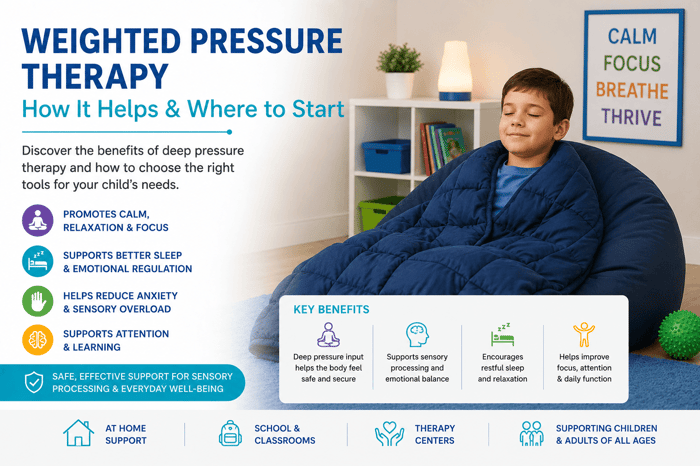
- Weighted Blankets and Lap Pads
- Compression Vests and Special Needs Clothing
- Chill Out Chairs and Deep Pressure Seating
- Sensory Tunnels, Body Socks, and Squeeze Tools
- Sensory Bundles and Kits
- Setting Up a Deep Pressure Corner at Home
- Essential Equipment for a Home Sensory Space
- Sensory Room Ideas That Incorporate Deep Pressure
- Budget Friendly Options and Funding Resources
- Finding Deep Pressure Therapy Near You
- Working with an Occupational Therapist
- How to Request a Letter of Medical Necessity for Deep Pressure Products
- Deep Pressure Therapy for Schools
- Why Deep Pressure Therapy Matters
- FAQs
Deep Pressure Therapy Benefits Every Parent Should Know
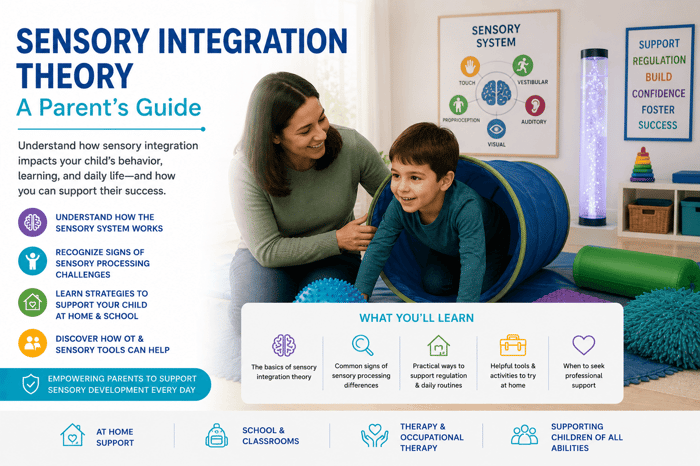
For many children with sensory needs, the world can feel too loud, too bright, too busy, or too unpredictable. A simple transition, clothing tag, noisy classroom, crowded store, or change in routine can quickly lead to stress, avoidance, restlessness, or a meltdown. Parents often describe it as watching their child go from calm to overwhelmed in seconds. Deep pressure therapy is one sensory based strategy that may help.
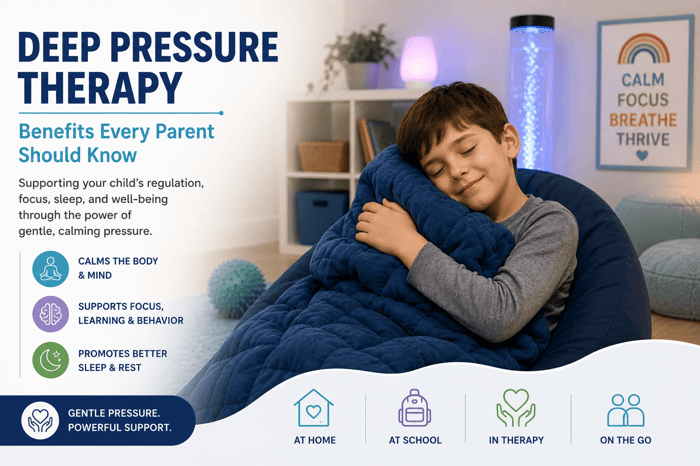
Also called deep pressure stimulation, deep pressure therapy uses firm, calming input to help the body feel more grounded and organized. This input can come from weighted blankets, compression vests, weighted lap pads, sensory body socks, deep pressure seating, therapy balls, crash pads, or parent guided pressure activities.
For children with autism, ADHD, sensory processing disorder, anxiety, developmental disabilities, and other sensory needs, deep pressure can be a practical way to support self regulation at home, school, therapy, and during everyday routines. Deep pressure therapy is not a cure, and it does not replace occupational therapy or medical care. But when used safely and appropriately, it can be a powerful tool for helping children feel calmer, more focused, and more in control of their bodies.
Deep Pressure Therapy at a Glance
| Topic | Quick Answer |
|---|---|
| Also called | Deep pressure stimulation or deep touch pressure |
| Main purpose | Provides firm tactile and proprioceptive input to support regulation |
| Common users | Children with autism, ADHD, SPD, anxiety, developmental disabilities, and adults with sensory needs |
| Common tools | Weighted blankets, lap pads, compression vests, body socks, chill out chairs, sensory tunnels, crash pads |
| Best setting | Home, school, therapy clinics, sensory rooms, classrooms |
| Professional support | Occupational therapists can help choose safe tools and routines |
What Is Deep Pressure Therapy?
Deep pressure therapy is a sensory strategy that applies firm, steady pressure to the body. The pressure may be delivered through a product, activity, or therapist guided technique.
Examples include:
- Lying under a weighted blanket
- Sitting with a weighted lap pad
- Wearing a compression vest
- Crawling through a sensory tunnel
- Using a sensory body sock
- Relaxing in a deep pressure chair
- Receiving a firm hug when the child wants one
- Rolling a therapy ball over the back with safe pressure
- Pushing, pulling, climbing, or carrying weighted items during supervised activities
The goal is to provide sensory input that feels organizing and calming. Many parents compare it to the comfort of a firm hug. For some children, deep pressure helps the nervous system shift from a heightened state into a calmer, more regulated state.
Double Squeeze Machine - Calming Deep Pressure Aid, Clinical Therapy

$699.00
$799.00
The Double Squeeze Machine is a calming deep pressure sensory tool designed to provide even, consistent proprioceptive input for children who benefit from structured sensory regulation. Often used as a squeeze machine or hug machine, it helps support self-regulation, body… read more
Defining Deep Pressure Stimulation
Deep pressure stimulation, often shortened to DPS, refers to firm tactile input applied to the body. It is different from light touch. Light touch is usually surface level, quick, or unexpected. For sensory sensitive children, light touch can feel irritating, ticklish, startling, or uncomfortable. Deep pressure is firmer, slower, and more predictable. It gives stronger feedback to the muscles, joints, and skin, which can help some children feel more secure and aware of their bodies.
| Type of Input | How It May Feel | Example |
|---|---|---|
| Light touch | Ticklish, irritating, startling, or alerting | A shirt tag, a light tap, brushing against someone |
| Deep pressure | Grounding, calming, organizing, or secure | Weighted blanket, compression vest, firm hug |
This is why many occupational therapists use deep pressure therapy as part of sensory based support for children who struggle with regulation, body awareness, or tactile defensiveness.

The Neuroscience Behind How Deep Pressure Works
Deep pressure therapy is believed to influence the nervous system by providing firm sensory input that can reduce stress and support calming. Occupational therapy and sensory integration literature often connects deep pressure with proprioceptive input, which is the sensory information the body receives from muscles and joints. Proprioception helps children understand where their body is in space and how much force to use during movement.
Deep pressure may also help reduce physiological arousal, which is the body’s stress response. Occupational therapy guidance describes weighted blankets as providing deep pressure stimulation that is thought to positively affect sleep, anxiety, and cognitive processes by reducing stress and arousal levels. Some explanations of deep pressure therapy reference the parasympathetic nervous system, serotonin, dopamine, cortisol, and melatonin. These mechanisms are often discussed as possible reasons deep pressure feels calming, but parents should understand that research is still developing. The safest way to explain it is this: deep pressure may help some people feel calmer by giving the nervous system predictable, organizing sensory input.
Deep Pressure Therapy vs Other Sensory Integration Techniques
Deep pressure therapy is one part of a broader sensory support plan.
Other sensory integration and sensory based strategies may include:
- Swinging for vestibular input
- Climbing for motor planning
- Tactile bins for touch exploration
- Visual timers for transitions
- Noise reduction headphones for sound sensitivity
- Heavy work activities for proprioceptive input
- Sensory rooms for structured regulation
Deep pressure is especially useful when a child needs firm tactile and proprioceptive input. It can be easier to use during everyday routines because many tools are portable, wearable, or simple to include in a sensory corner. For example, a weighted lap pad can be used during homework. A compression vest can be worn during transitions. A crash pad can be used after school. A body sock can be added to a home sensory routine.
Who Benefits Most from Deep Pressure Therapy?
Deep pressure therapy may support both children and adults with sensory regulation needs. It is commonly used by families, occupational therapists, schools, and therapy clinics.
Children with Autism Spectrum Disorder
Many autistic children experience sensory input differently. Some are sensitive to sound, clothing, touch, movement, or visual stimulation. Others seek strong sensory input through climbing, crashing, squeezing, or constant movement.
Deep pressure therapy may help autistic children by:
- Supporting sensory regulation
- Reducing feelings of overload
- Providing calming input during transitions
- Helping the child prepare for sleep
- Supporting focus during seated tasks
- Offering a safe alternative to crashing or squeezing behaviors
- Creating a predictable calming routine
Research on weighted blankets and autism is mixed. One randomized trial in children with autism found that weighted blankets did not significantly improve objective sleep measures, although children and parents often preferred them. This means weighted products may still be comforting for some children, but parents should not expect guaranteed sleep or behavioral outcomes.
Kids and Adults with ADHD
Children and adults with ADHD may benefit from deep pressure input because it can provide organizing sensory feedback.
For some users, deep pressure may help with:
- Sitting during homework
- Reducing restlessness
- Improving body awareness
- Supporting attention during seated tasks
- Calming before transitions
- Creating a structured sensory break
A weighted lap pad, compression vest, or movement based heavy work routine may be especially practical for children who need sensory input before learning tasks.
Individuals with Sensory Processing Disorder
Sensory processing disorder, often called SPD, describes challenges with receiving, interpreting, and responding to sensory input. Some children with SPD are over responsive and easily overwhelmed. Others are under responsive and need stronger input to notice sensations. Some seek frequent movement, pressure, or tactile experiences.
Deep pressure may support children with SPD by providing input that is:
- Predictable
- Firm
- Organizing
- Calming
- Body based
- Easy to include in daily routines
An occupational therapist can help determine whether deep pressure is appropriate and which type of tool fits the child’s sensory profile.
Adults Seeking Anxiety and Stress Relief
Deep pressure therapy is also used by adults who experience anxiety, stress, sensory overload, or difficulty relaxing.
Adult friendly options include:
- Weighted blankets
- Weighted shoulder wraps
- Compression clothing
- Weighted lap pads
- Firm pillows
- Foam rolling
- Resistance based exercise
- Self massage
- Deep pressure seating
Weighted blanket research has shown stronger evidence in some adult populations than in children. A 2024 scoping review found more evidence of effectiveness for adults, while noting that parents often report favorable experiences with weighted blankets for children.

Deep Pressure Therapy Benefits
Deep pressure therapy benefits can vary from person to person. Some children respond quickly, while others may not enjoy deep pressure at all. The most important rule is to watch the individual’s response and avoid forcing any sensory input.
Anxiety Reduction and Emotional Regulation
Deep pressure can help some children and adults feel calmer during stressful moments. For a child who becomes overwhelmed by transitions, noise, or emotional frustration, deep pressure may provide a familiar sensory signal that helps the body slow down.
Helpful tools may include:
- Weighted lap pads
- Compression vests
- Deep pressure hugs
- Body socks
- Chill out chairs
- Crash pads
- Weighted blankets
Deep pressure should ideally be used before a child reaches full overload, not only after a meltdown begins. Proactive sensory input often works better than reactive intervention.
Improved Focus and Attention
Some children focus better when their bodies receive enough sensory input. A child who constantly wiggles, leaves their seat, or crashes into furniture may be seeking proprioceptive input. Deep pressure tools can provide that input in a more structured way.
Classroom friendly tools include:
- Weighted lap pads
- Sensory cushions
- Compression vests
- Chair bands
- Weighted shoulder wraps
- Heavy work breaks
- Calm down corners
Occupational therapy practitioners may use sensory based interventions or Ayres Sensory Integration to support a child’s engagement and participation, including school routines.
Better Sleep and Nighttime Regulation
Many families use weighted blankets or compression based tools as part of bedtime routines. Deep pressure may help some children relax before sleep by creating a sense of comfort and body awareness. Some studies suggest weighted blankets may help certain users with sleep, but evidence varies by age group and diagnosis.
Parents should use caution. Weighted blankets should never be used with children under age two, should not cover the head or neck, and should not restrict a child’s ability to move or remove the blanket independently. Gillette Children’s guidance also notes that the blanket should not be so large that it hangs over the bed edges.
Reduced Frequency and Intensity of Meltdowns
Meltdowns often happen when the nervous system becomes overloaded. Deep pressure cannot prevent every meltdown, but it may help some children regulate earlier in the process.
For example:
- A compression vest before a noisy event may help a child stay calmer
- A crash pad after school may help release built up sensory stress
- A weighted lap pad during homework may reduce restlessness
- A deep pressure corner may give the child a safe place to reset
The key is consistency. Deep pressure is often most helpful when it is built into a child’s daily sensory routine.
Enhanced Body Awareness and Proprioceptive Processing
Deep pressure supports proprioception, which helps the body understand position and movement.
Children with poor body awareness may:
- Bump into furniture
- Use too much force
- Crash into people
- Chew on objects
- Struggle with coordination
- Have trouble sitting upright
- Seek rough play
- Misjudge personal space
Deep pressure and heavy work activities can help give the body clearer feedback.
Helpful activities include:
- Animal walks
- Wall pushups
- Carrying a laundry basket
- Pushing a weighted cart
- Crawling through tunnels
- Using a body sock
- Rolling on a therapy ball
- Climbing safely on soft play equipment
Social and Communication Support in Autism
When a child is overwhelmed by sensory input, social interaction and communication can become much harder. Deep pressure may help some autistic children reach a calmer baseline. When the body feels more regulated, the child may be more available for play, communication, learning, and connection. This does not mean deep pressure directly teaches social skills. Instead, it may reduce sensory distress enough for the child to participate more comfortably.
How to Do Deep Pressure Therapy at Home
Parents can use deep pressure strategies at home, but safety and consent are essential. Deep pressure should never feel scary, painful, restrictive, or forced. The child’s comfort matters most.
Building a Deep Pressure Sensory Diet
A sensory diet is a planned routine of sensory activities used throughout the day to help a child stay regulated.
A deep pressure sensory diet might include:
- Morning bear hugs if the child enjoys them
- Heavy work before school
- Weighted lap pad during homework
- Crash pad play after school
- Compression vest during transitions
- Body sock activities before seated work
- Weighted blanket during quiet time
- Deep pressure routine before bed
An occupational therapist can help decide timing, duration, and product choice.
Step by Step Deep Pressure Therapy Exercises
Here are parent friendly options that may be used when appropriate.
1. Firm Pillow Presses
Have your child lie on a soft mat. Gently press a pillow over the child’s back, legs, or arms while avoiding the head, neck, chest restriction, and abdomen. Ask whether the pressure feels good.
2. Therapy Ball Rolling
Have the child lie on their stomach. Roll a therapy ball slowly over the back and legs with gentle pressure. Avoid the head, neck, and spine. Keep communication open.
3. Wall Pushups
Have your child place both hands on a wall and do slow pushups. This gives proprioceptive input through the arms and shoulders.
4. Animal Walks
Bear walks, crab walks, and crawling games provide pressure through the hands, arms, legs, and joints.
5. Crash Pad Breaks
Let the child jump or fall safely into a crash pad with supervision. This can help sensory seeking children get intense input in a safer way.
6. Blanket Burrito
Wrap the child loosely in a blanket like a burrito, keeping the face fully uncovered and allowing the child to get out easily. This should only be used if the child enjoys it and can exit safely.
How to Give a Deep Pressure Hug
A deep pressure hug should always be child led.
Use these guidelines:
- Ask permission first
- Use firm, even pressure
- Avoid squeezing the ribs or restricting breathing
- Keep the hug short
- Let the child say stop at any time
- Watch for signs of discomfort
- Never force a hug as behavior control
Some children love deep pressure hugs. Others dislike them. Either response is valid.
Deep Pressure Head Techniques for Autism and Sensory Needs
Some children enjoy gentle scalp pressure or head massage, but this area requires extra care.
Safe options may include:
- Gentle scalp massage with fingertips
- Firm but comfortable pressure along the scalp
- Slow brushing of hair if tolerated
- A snug but safe hat or hood if the child likes it
Avoid pressure on the face, throat, neck, or anywhere the child resists. Do not use head pressure techniques for children with medical concerns unless a professional recommends them.
How Adults Can Use Deep Pressure Therapy on Themselves
Adults can use deep pressure strategies for anxiety, stress, and sensory regulation.
Options include:
- Weighted blankets
- Weighted lap pads
- Compression clothing
- Foam rolling
- Firm self massage
- Yoga poses
- Resistance band exercises
- Weighted shoulder wraps
- Deep breathing with a weighted item
- Lying under firm pillows
Adults should also consider medical conditions such as circulation issues, respiratory conditions, pain disorders, pregnancy, mobility limitations, or trauma history before using deep pressure products.
Top Deep Pressure Products Recommended by Therapists
Deep pressure products make it easier to build sensory input into daily routines.
Weighted Blankets and Lap Pads
Weighted blankets and lap pads provide steady pressure through added weight. Weighted blankets are often used during rest, quiet time, or bedtime routines. Lap pads are ideal for homework, classroom tasks, car rides, meals, and therapy sessions. A common general guideline is to choose a weighted blanket around 10 percent of body weight, but this is not appropriate for everyone. Always consider age, size, strength, mobility, breathing, and professional guidance.
Compression Vests and Special Needs Clothing
Compression vests provide pressure around the torso and can be worn during daily activities.
They may help during:
- School transitions
- Therapy sessions
- Travel
- Community outings
- Homework
- Group activities
Adaptive and compression clothing may also help children who seek constant pressure or struggle with clothing discomfort.
Chill Out Chairs and Deep Pressure Seating
Chill out chairs and supportive sensory seating can create a calming space for children to reset.
These products are helpful in:
- Sensory rooms
- Bedrooms
- Classrooms
- Therapy clinics
- Calm down corners
- Reading areas
A designated deep pressure seating area gives the child a predictable place to regulate.
Sensory Tunnels, Body Socks, and Squeeze Tools
Full body deep pressure tools can be especially helpful for children who seek intense proprioceptive input.
Options include:
- Sensory tunnels
- Body socks
- Compression tunnels
- Squeeze machines
- Lycra resistance tools
- Crash pads
These tools encourage movement, resistance, and body awareness while giving deep pressure input.
Sensory Bundles and Kits
Sensory bundles and kits are useful for families, teachers, and therapists who want a curated set of tools.
A deep pressure kit may include:
- Weighted lap pad
- Fidgets
- Resistance bands
- Compression tools
- Tactile toys
- Visual calming supports
Bundles can be a budget friendly way to start a home sensory space or classroom calming area.
Setting Up a Deep Pressure Corner at Home
A deep pressure corner gives your child a consistent place to calm, reset, or meet sensory needs.
Essential Equipment for a Home Sensory Space
Consider including:
- Soft mat or rug
- Crash pad
- Weighted lap pad
- Weighted blanket
- Compression vest
- Body sock
- Chill out chair
- Sensory tunnel
- Low lighting
- Noise reduction headphones
- Small tactile tools
- Visual timer
Keep the space simple and organized. Too much equipment can become overwhelming.
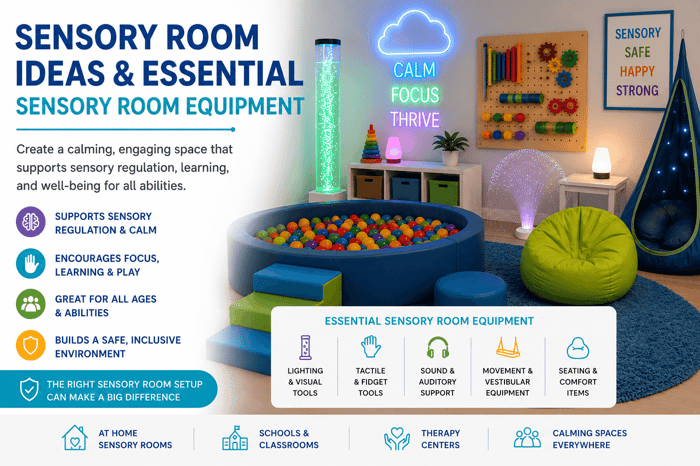
Sensory Room Ideas That Incorporate Deep Pressure
A calming sensory room might include a weighted blanket, bubble tube, soft chair, tactile wall panel, and noise reduction tools. An active sensory room might include a crash pad, sensory tunnel, body sock, therapy ball, and climbing cushions. A classroom sensory corner might include lap pads, compression tools, flexible seating, fidgets, and a quiet visual timer. The best setup depends on the child’s sensory profile and available space.
Budget Friendly Options and Funding Resources
Deep pressure products range from affordable lap pads to larger sensory room equipment.
Families can explore:
- Sensory bundles
- Entry level weighted products
- Flexible financing
- Price match options
- Medicaid or waiver funding
- Insurance coverage when applicable
- Grants
- School based supports
- Letters of medical necessity
A letter of medical necessity may help document why a product is needed for a child’s sensory regulation, safety, therapy goals, or daily function.
Finding Deep Pressure Therapy Near You
If you want professional support, start with an occupational therapist.
Search for:
- Pediatric occupational therapy near me
- Sensory integration therapy near me
- Occupational therapist for sensory processing
- Autism occupational therapy
- Sensory processing disorder therapy
You can also ask your pediatrician, school team, early intervention program, or insurance provider for referrals.
Working with an Occupational Therapist
An occupational therapist can help determine:
- Whether deep pressure is appropriate
- Which products are safest
- How often to use deep pressure
- Whether your child needs vestibular, tactile, or proprioceptive input
- How to build a sensory diet
- How to use tools at home and school
- Whether equipment should be included in an IEP or therapy plan
AOTA notes that sensory integration approaches may be used by occupational therapy practitioners to support engagement and participation.
How to Request a Letter of Medical Necessity for Deep Pressure Products
If you are seeking funding for deep pressure products, ask your provider whether a letter of medical necessity is appropriate.
Steps include:
- Identify the specific product needed
- Ask your OT, physician, or therapist to document the need
- Request a product quote
- Include the diagnosis and functional challenges
- Explain why the product supports regulation or safety
- Submit the letter with insurance, Medicaid, waiver, school, or grant paperwork
The letter should explain why the product is medically or functionally necessary, not just helpful.
Deep Pressure Therapy for Schools
Schools can use deep pressure tools in sensory rooms, calm down corners, special education classrooms, occupational therapy spaces, and behavior support programs.
Classroom appropriate tools include:
- Weighted lap pads
- Compression vests
- Chair bands
- Sensory seating
- Crash pads
- Body socks used under supervision
- Chill out chairs
- Deep pressure sensory kits
Schools and clinics often need quotes, purchase order support, and product recommendations when ordering sensory equipment.
Why Deep Pressure Therapy Matters
Deep pressure therapy can be a valuable tool for children and adults with sensory needs. By providing firm, predictable input, deep pressure may help support calming, emotional regulation, focus, body awareness, sleep routines, and sensory organization. It can be especially useful for children with autism, ADHD, sensory processing disorder, anxiety, and developmental disabilities. The key is choosing the right strategy for the individual.
Start small, watch your child’s response, prioritize safety, and work with an occupational therapist when possible. Deep pressure should feel comforting and supportive, never forced or restrictive. Families, schools, and therapists can use tools like weighted blankets, lap pads, compression vests, sensory tunnels, body socks, chill out chairs, crash pads, and sensory kits to create practical regulation support at home, in the classroom, or in a sensory room.
eSpecial Needs offers a wide range of deep pressure therapy products, sensory room equipment, special needs seating, compression tools, and sensory kits to help families and professionals build supportive environments with confidence.
FAQs
What is deep pressure therapy?
Deep pressure therapy is a sensory support strategy that uses firm, steady pressure to help the body feel calmer and more organized. It may involve weighted blankets, compression vests, weighted lap pads, body socks, crash pads, sensory tunnels, deep pressure seating, or guided pressure activities.
What is deep pressure stimulation?
Deep pressure stimulation, often called DPS, is firm tactile input applied to the body. Unlike light touch, which can feel irritating or alerting for some sensory sensitive children, deep pressure is usually more grounding and predictable.
How does deep pressure therapy work?
Deep pressure therapy provides calming sensory input to the body’s tactile and proprioceptive systems. This input may help the nervous system feel more organized, reduce feelings of overwhelm, and support emotional regulation, focus, and body awareness.
Who can benefit from deep pressure therapy?
Deep pressure therapy may benefit children and adults with autism, ADHD, sensory processing disorder, anxiety, developmental disabilities, and sensory regulation challenges. It is commonly used at home, in schools, in therapy clinics, and in sensory rooms.
Is deep pressure therapy helpful for autism?
Many autistic children and adults find deep pressure calming. Tools like weighted blankets, compression vests, sensory body socks, crash pads, and deep pressure seating may help support regulation, transitions, sensory overload, and calming routines.
Can deep pressure therapy help children with ADHD?
Deep pressure therapy may help some children with ADHD by giving the body organizing sensory input. Weighted lap pads, compression vests, movement breaks, and heavy work activities may support focus, sitting tolerance, and attention during schoolwork or homework.
Can deep pressure therapy help with anxiety?
Deep pressure may help some children and adults feel calmer during stress or anxiety. Weighted products, compression tools, and firm pressure activities can provide predictable sensory input that supports relaxation. Deep pressure therapy should not replace professional mental health care when anxiety symptoms are significant.
Can deep pressure therapy help with sleep?
Some families use weighted blankets or compression based tools as part of a bedtime routine. Deep pressure may help some children relax before sleep, but results vary. Weighted blankets should be used safely and should never restrict breathing, movement, or the ability to get out independently.
What are the main benefits of deep pressure therapy?
Potential benefits of deep pressure therapy include improved calming, reduced sensory overload, better body awareness, improved focus, support during transitions, reduced restlessness, and greater emotional regulation. Benefits vary by individual.
Can deep pressure therapy reduce meltdowns?
Deep pressure therapy may help reduce meltdown frequency or intensity for some children when used proactively. For example, a child may benefit from a weighted lap pad before homework, a compression vest during transitions, or crash pad play after school. It works best as part of a consistent sensory routine.
What is the difference between deep pressure and light touch?
Light touch is usually gentle, quick, or surface level and may feel ticklish, irritating, or uncomfortable to sensory sensitive individuals. Deep pressure is firmer and more consistent, which may feel calming, secure, and organizing.
What are examples of deep pressure therapy?
Examples include weighted blankets, weighted lap pads, compression vests, sensory body socks, deep pressure pods, crash pads, sensory tunnels, firm hugs, therapy ball rolling, wall pushups, animal walks, and heavy work activities.
What are the best deep pressure products for children?
Common deep pressure products for children include weighted lap pads, weighted blankets, compression vests, body socks, sensory tunnels, crash pads, chill out chairs, and sensory kits. The best choice depends on the child’s size, age, sensory preferences, safety needs, and therapy goals.
What are the best deep pressure products for schools?
Classroom friendly deep pressure tools include weighted lap pads, compression vests, sensory seating, chair bands, body socks used with supervision, crash pads, chill out chairs, and sensory kits. Schools may use these tools in sensory rooms, calm down corners, therapy rooms, and special education classrooms.
What is a weighted lap pad used for?
A weighted lap pad provides calming pressure across the legs while a child is seated. It is often used during homework, classroom activities, therapy sessions, car rides, reading time, or meals to support focus and regulation.
What is a compression vest used for?
A compression vest provides firm pressure around the torso. It may help some children feel more organized during transitions, school routines, therapy sessions, travel, or other activities that require focus and regulation.
What is a crash pad used for?
A crash pad gives children a safe place to jump, fall, or crash when they need strong sensory input. It can support proprioception, movement, body awareness, and sensory regulation, especially for children who seek active input.
What is a deep pressure corner?
A deep pressure corner is a small home, classroom, or therapy space set up with calming pressure based tools. It may include a crash pad, weighted blanket, lap pad, chill out chair, body sock, sensory tunnel, soft lighting, and noise reduction tools.
How do you do deep pressure therapy at home?
Parents can use deep pressure at home through weighted products, compression tools, firm pillow presses, therapy ball rolling, wall pushups, animal walks, crash pad play, or blanket burrito activities. Always use safe pressure, watch the child’s response, and stop if the child shows discomfort.
How do you give a deep pressure hug?
Ask permission first, then use firm, even pressure without squeezing too hard or restricting breathing. Keep the hug short, let the child control when it ends, and never force a deep pressure hug as behavior management.
Are deep pressure head techniques safe?
Some children enjoy gentle scalp massage or firm pressure along the scalp, but parents should be careful. Avoid pressure on the face, throat, neck, or any area the child resists. Ask an occupational therapist before using head pressure techniques with children who have medical or sensory concerns.
Is deep pressure therapy safe for all children?
No. Deep pressure therapy is not appropriate for every child. Children with breathing problems, heart conditions, circulation issues, seizure disorders, mobility limitations, trauma related concerns, or difficulty communicating discomfort should be evaluated by a qualified professional before using weighted or compression products.
How often should deep pressure therapy be used?
Frequency depends on the child’s needs and response. Some children benefit from short sensory breaks throughout the day, while others use deep pressure before specific routines like school, homework, transitions, or bedtime. An occupational therapist can help create a safe schedule.
Can deep pressure therapy replace occupational therapy?
No. Deep pressure tools can support sensory regulation, but they do not replace professional occupational therapy. An occupational therapist can evaluate sensory needs, recommend safe tools, and create a plan for home, school, and therapy use.
Can adults use deep pressure therapy?
Yes. Adults may use weighted blankets, shoulder wraps, compression clothing, weighted lap pads, foam rolling, firm self massage, yoga, resistance exercises, or deep pressure seating for stress relief, sensory regulation, and relaxation.
Can insurance cover deep pressure products?
Some deep pressure products may be eligible for insurance, Medicaid, waiver, grant, or school funding when they are medically necessary. Coverage varies by plan and product. Families may need a prescription, therapy recommendation, product quote, and letter of medical necessity.
What is a letter of medical necessity for deep pressure products?
A letter of medical necessity is a document from a healthcare professional explaining why a product is needed for a child’s medical, developmental, sensory, or functional needs. It may help support funding requests for weighted products, compression tools, sensory seating, or sensory room equipment.