Table of Contents
- What Is Sensory Furniture?
- Why Sensory Furniture Can Be Helpful for Autism
- What Is a Sensory Room for Autism?
- How to Choose Sensory Furniture for Autism
- Sensory Furniture for Deep Pressure and Body Awareness
- Bean Bags and Floor Seating
- Sensory Chairs and Pod Seating
- Chill Out Chairs and Calm Seating Areas
- Rocking Chairs and Movement Seating
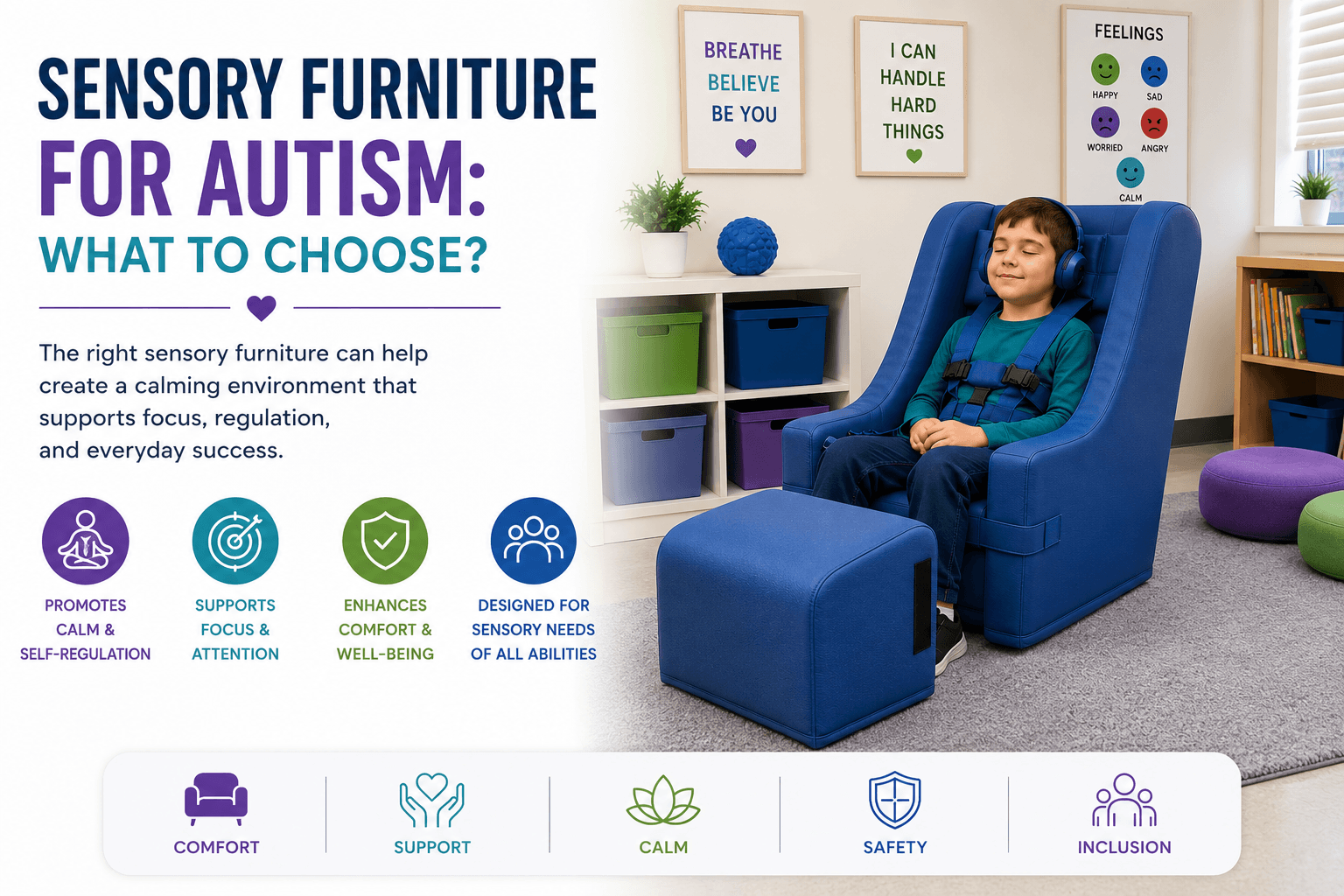
- Adaptive Seating and Positioning Furniture
- Crash Pads and Soft Play Furniture
- Sensory Swings and Indoor Movement Furniture
- Sensory Tents, Canopies, and Enclosed Spaces
- Sensory Bedroom Ideas for Autism
- Sensory Furniture for Autism at Home
- Sensory Furniture for Classrooms
- Sensory Furniture for Therapy Clinics
- Sensory Furniture for Teens With Autism
- Sensory Furniture for Adults With Autism
- Safety Features to Look For
- Easy Cleaning and Maintenance
- How to Build a Sensory Room on a Budget
- How to Prioritize Sensory Furniture Purchases
- How to Choose Sensory Furniture That Grows With the User
- Sensory Furniture Shopping Checklist
- Where to Shop Sensory Furniture for Autism
- FAQs
Sensory Furniture for Autism: What to Choose for Home, School, and Therapy Spaces
Sensory furniture for autism can help create more comfortable, supportive spaces for children, teens, and adults who benefit from calming input, movement opportunities, deep pressure, tactile experiences, predictable seating, or a quiet place to reset. The right furniture does not need to turn a room into a clinic. It should make everyday spaces feel safer, more usable, and more responsive to the individual using them.
Some people need a cozy seat where they can take a quiet break. Others need movement based sensory furniture, supportive seating for posture, a soft area for active play, or a dedicated sensory room that offers choices throughout the day. Sensory furniture for autism may include bean bags, rocking chairs, sensory seating, crash pads, soft play pieces, swings, floor cushions, tents, pod seats, adaptive chairs, and sensory room furniture that supports different regulation needs.
Families, educators, therapists, and care teams can explore supportive options through eSpecial Needs, including Sensory Room Equipment, Sensory Seating, Furniture, Soft Play Products, Crash Pads, Adaptive Swings, and Calming Sensory Products.
What Is Sensory Furniture?
Sensory furniture is furniture or supportive equipment that provides a more intentional sensory experience than a typical chair, sofa, desk, or floor mat. It may offer movement, gentle pressure, soft surfaces, enclosure, tactile feedback, posture support, or a more comfortable space for resting and regulating.
Sensory furniture can be used in:
Bedrooms
Living rooms
Playrooms
Home sensory rooms
Classrooms
School calming corners
Therapy clinics
Day programs
Libraries
Waiting rooms
Group homes
Community spaces
The best sensory furniture for autism depends on the person, not simply the diagnosis. One child may feel calmer in a bean bag chair. Another may benefit from a rocking chair, crash pad, or swing. A teen may prefer furniture that looks more like a modern lounge chair or floor seat than a child focused sensory product.
Why Sensory Furniture Can Be Helpful for Autism
Autistic people can have very different sensory preferences. Some may seek movement, deep pressure, texture, sound, or visual input. Others may become overwhelmed by noise, bright lights, unexpected touch, crowded rooms, or busy environments.
Sensory furniture can help create options for regulation. It may give the person a place to take a break, move safely, reduce stimulation, or choose the type of input that feels most comfortable.
Sensory furniture may support:
Calm down routines
Emotional regulation
Movement breaks
Body awareness
Deep pressure input
Quiet time
Reading or homework
Focus before seated tasks
Sensory seeking needs
Sensory avoidance needs
Classroom participation
Therapy goals
Safe active play
Rest after busy activities
Sensory furniture should never be used as punishment or isolation. The goal is to offer a supportive space that helps the person feel more comfortable and in control.
What Is a Sensory Room for Autism?
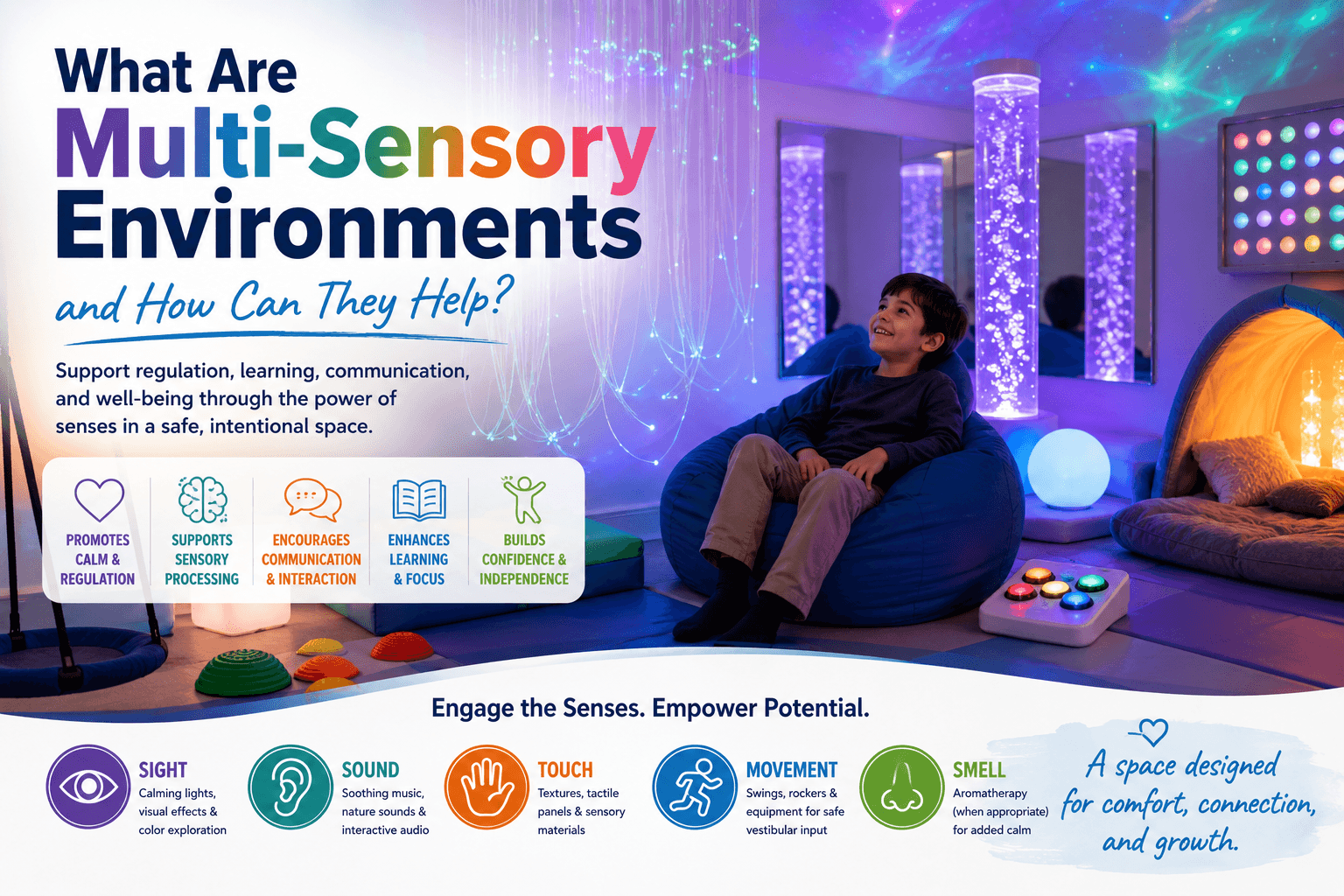
A sensory room for autism is a space designed to offer sensory choices in a more controlled environment. It may include calming equipment, movement tools, soft seating, visual supports, tactile items, lighting, and safe areas for active play or quiet rest.
A sensory room can be a separate room, a small corner of a bedroom, a classroom calm down area, or a section of a therapy clinic. It does not need to be large or expensive to be useful.
A sensory room may include:
Floor cushions
Crash pads
Noise reducing headphones
Tents or canopies
Browse Sensory Room Equipment, Sensory Room Packages, Sensory Wall Panels, and Mobile Sensory Equipment for options that can fit different spaces and budgets.
How to Choose Sensory Furniture for Autism
Before purchasing sensory furniture, start with the person’s needs and everyday routines. Think about what situations are most difficult, what types of sensory input are preferred, and where the furniture will be used.
Helpful questions include:
Does the person seek movement or avoid it?
Do they enjoy deep pressure?
Do they need a quiet retreat from noise or visual stimulation?
Is posture support needed?
Will the furniture be used for reading, homework, meals, therapy, or relaxation?
Is there enough room for safe movement?
Does the person need help entering or exiting the furniture?
Is easy cleaning important?
Will siblings, classmates, or multiple users share the space?
Does the product need to be portable?
Does the furniture need to support a teen or adult sized body?
Is the goal calming, active movement, posture, or all three?
The most successful sensory spaces often offer a balance of active and calming choices.
Sensory Furniture for Deep Pressure and Body Awareness
Deep pressure input may feel calming and grounding for some autistic children, teens, and adults. Furniture that provides soft resistance, contouring, or a secure seated feeling may be useful for people who seek pressure or enjoy being surrounded by soft materials.
Helpful options may include:
Bean bags
Floor cushions
Large body pillows
Weighted lap pads
Crash pads
Soft foam seating
Enclosed pod seating
Soft play pieces
Supportive lounge chairs
Deep pressure preferences are highly individual. Some people may enjoy a soft, enveloping bean bag. Others may dislike the feeling of sinking into soft seating. Offer options and observe what feels comfortable.
Explore Weighted Products, Weighted Lap Pads, Crash Pads, and Sensory Seating.
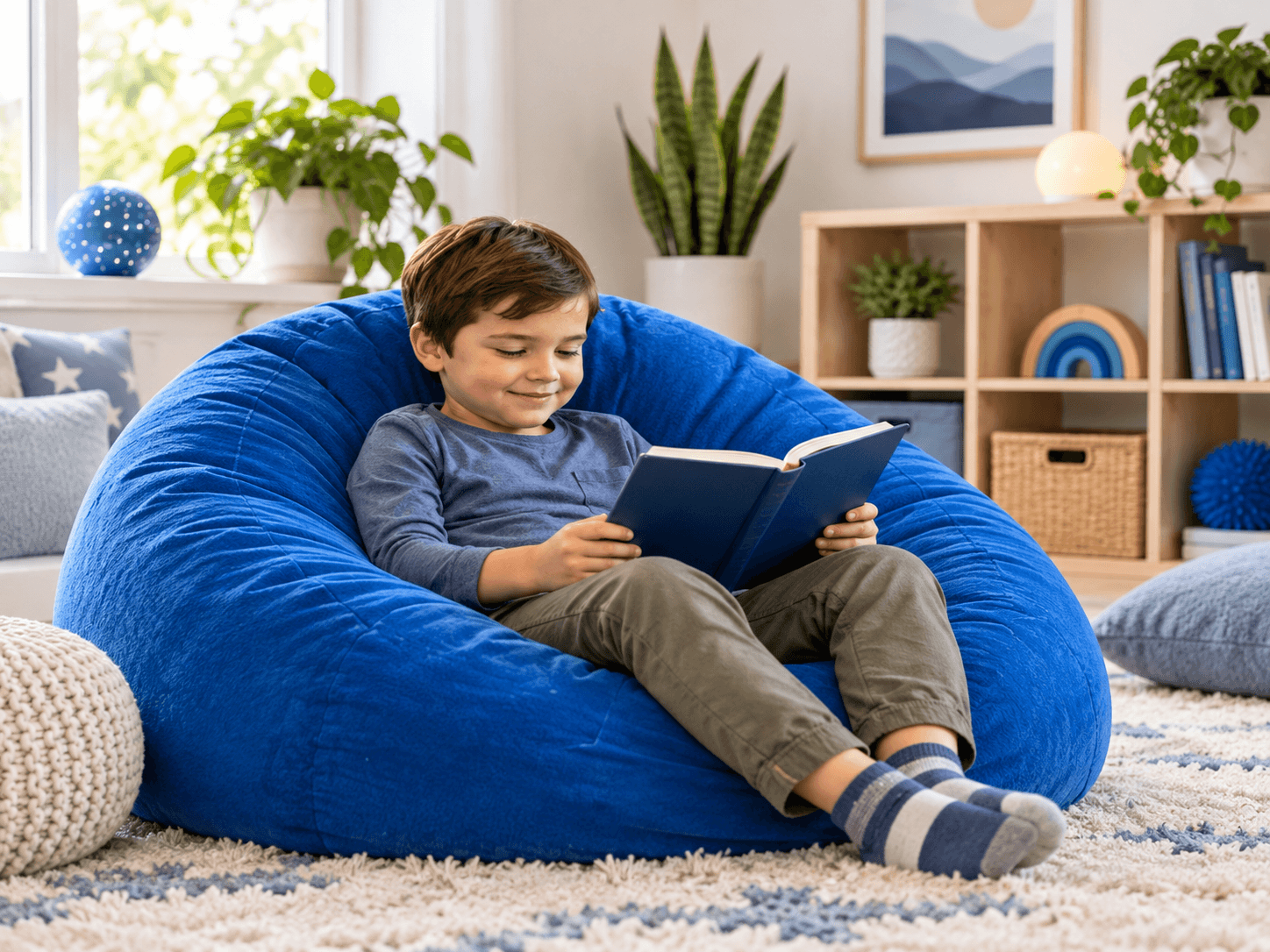
Bean Bags and Floor Seating
Bean bags and floor seating can create an easy, flexible sensory space at home, school, or in therapy. They may support relaxation, reading, quiet play, gaming, listening to music, or a short break between activities.
Bean bags can be helpful because they may:
Contour to the body
Offer a cozy seating option
Create a lower stimulation place to rest
Support casual reading or tablet use
Work in bedrooms, classrooms, or calming corners
Provide an alternative to rigid chairs
Be moved when the room needs to change
When choosing bean bag seating, consider the person’s size, transfer ability, how easily the material can be cleaned, and whether the chair is firm enough for comfortable entry and exit.
Sensory Chairs and Pod Seating
Sensory chairs and pod style seating can provide a defined place to sit and reset. Some people feel more comfortable when the chair creates a sense of personal space or reduces the amount of visual activity around them.
Pod seating may be useful for:
Quiet breaks
Reading
Listening to music
Visual schedules
Tablet or AAC use
Relaxation
Waiting periods
Classroom calm down spaces
Teen sensory rooms
Privacy during busy routines
Pod seating should not block safe supervision when supervision is needed. It should also be easy enough for the user to leave when they are ready.
Chill Out Chairs and Calm Seating Areas
A chill out chair can become a familiar safe spot in the home, classroom, or therapy room. It can be especially useful for people who need a predictable place to sit when they feel overwhelmed, tired, or in need of a break.
A calm seating area may include:
A comfortable sensory chair
Soft lighting
A small basket of fidgets
Noise reducing headphones
A visual timer
A favorite book
A weighted lap pad
A communication board
A calming sensory toy
A soft blanket
The goal is not to create a place where someone is sent away. It is to create a supportive option they can use when they need it.
Rocking Chairs and Movement Seating
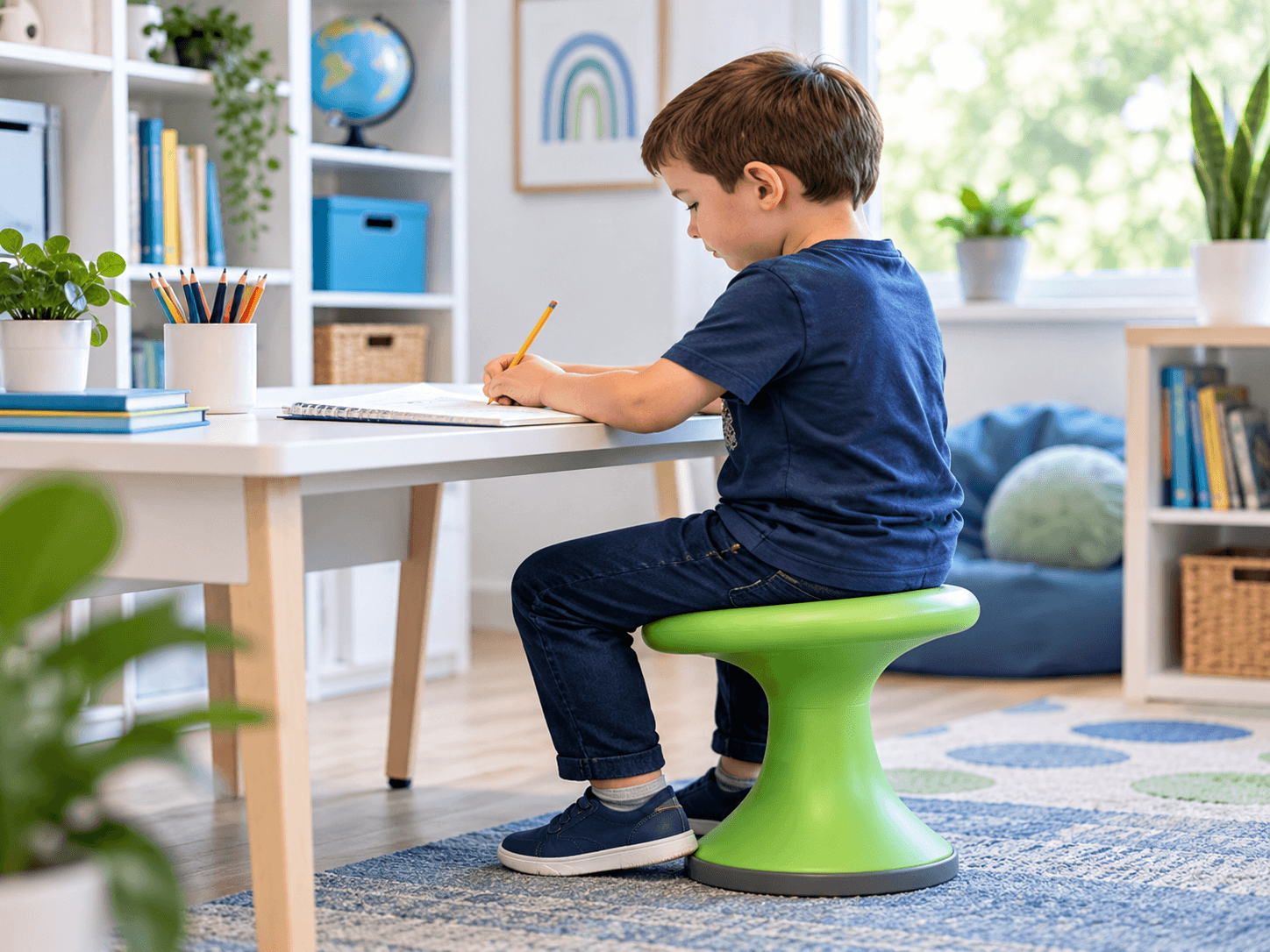
Some autistic people benefit from gentle, predictable movement. Rocking chairs, wobble seating, and certain sensory chairs can provide movement input while allowing the user to remain seated.
Movement seating may help support:
Gentle vestibular input
Attention before seated work
Reading time
Quiet movement breaks
Relaxation
Body awareness
Transition routines
Classroom participation
Movement can be calming for one person and alerting for another. Start with short periods and watch for signs that the person is becoming more settled, more energized, or overstimulated.
For more movement focused options, browse Active Seating, Sensory Motor Tools, and Vestibular Motion Products.
Adaptive Seating and Positioning Furniture
Some autistic children and adults also need physical support for posture, trunk control, feet, hips, or head position. In these cases, sensory furniture may need to include adaptive seating or positioning equipment rather than only soft seating.
Adaptive seating may support:
Upright posture
Table access
Feeding
Communication access
Fine motor activities
Schoolwork
Reduced fatigue
Safer seated participation
Better foot support
More comfortable daily routines
Helpful seating categories include Classroom Seating, Seating Systems, Adaptive Furniture, and Rifton Adaptive Equipment.
A physical therapist, occupational therapist, or seating specialist can help determine whether supportive seating is needed.
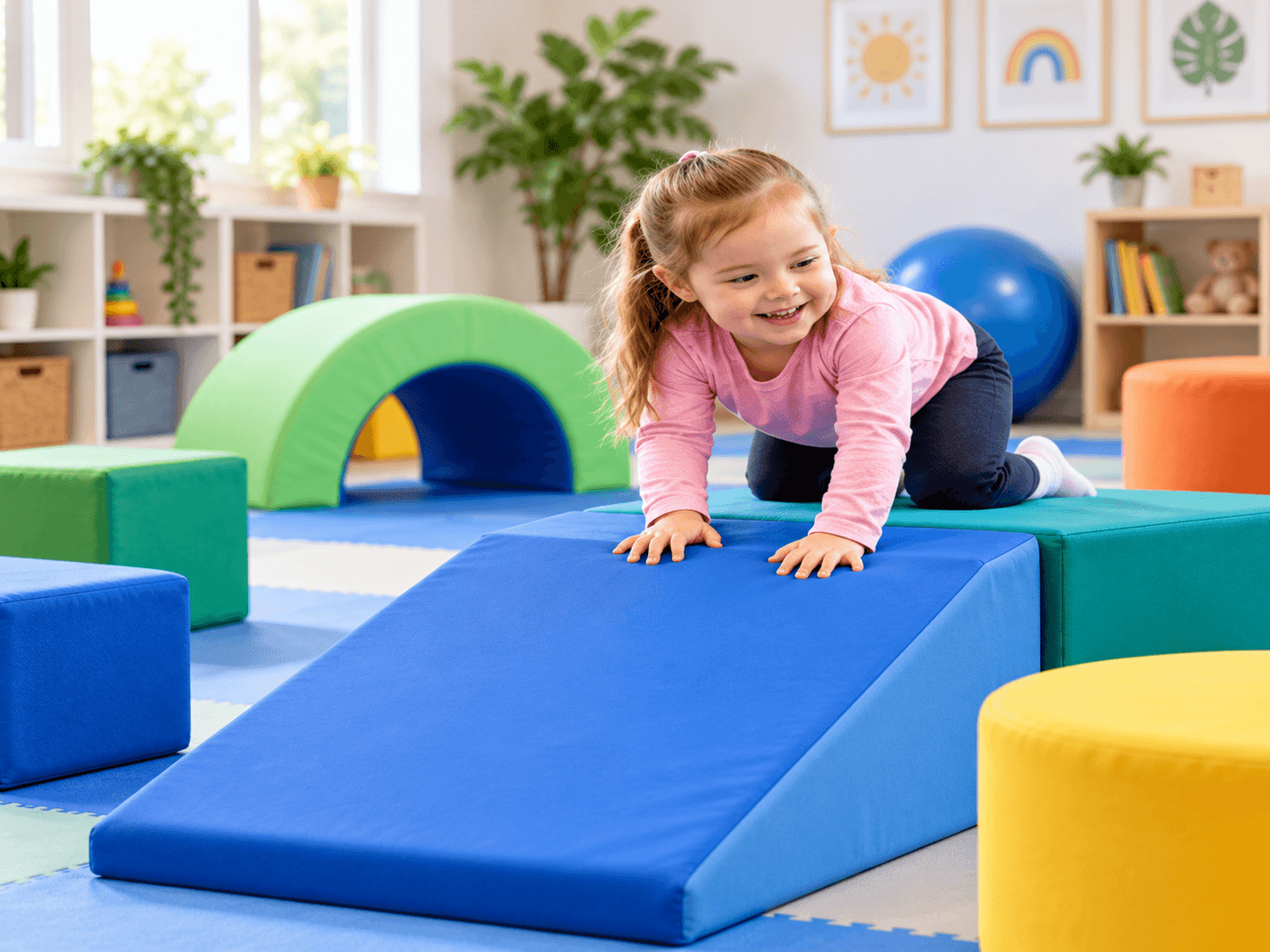
Crash Pads and Soft Play Furniture
Crash pads and soft play furniture can give movement seeking children and adults a safer way to climb, crawl, land, roll, or receive deep pressure input. These products are often used in sensory rooms, therapy clinics, playrooms, classrooms, and active indoor spaces.
Crash pads may support:
Safe landing activities
Deep pressure
Body awareness
Heavy work play
Movement breaks
Motor planning
Active sensory regulation
Therapy activities
Soft play furniture may support:
Climbing
Crawling
Balancing
Building
Pretend play
Obstacle courses
Gross motor practice
Safe indoor movement
Browse Crash Pads, Soft Play Products, Indoor Therapy Gyms, and Movement Products.
Always match the equipment to the user’s size, mobility, supervision needs, and available space.
Sensory Swings and Indoor Movement Furniture
A sensory swing can provide movement, pressure, and body awareness input. Some people enjoy slow rocking or linear swinging, while others prefer more active movement. Swings can be valuable tools, but they require careful setup, appropriate mounting, and supervision.
Sensory swings may support:
Movement breaks
Calming routines
Motor planning
Core strength
Balance practice
Sensory seeking needs
Transition support
Quiet movement
Therapy activities
Before adding a swing, consider ceiling support, frame compatibility, room clearance, floor protection, weight capacity, and whether the user can enter and exit safely.
Explore Adaptive Swings, Swings, and Indoor Therapy Gyms.
Sensory Tents, Canopies, and Enclosed Spaces
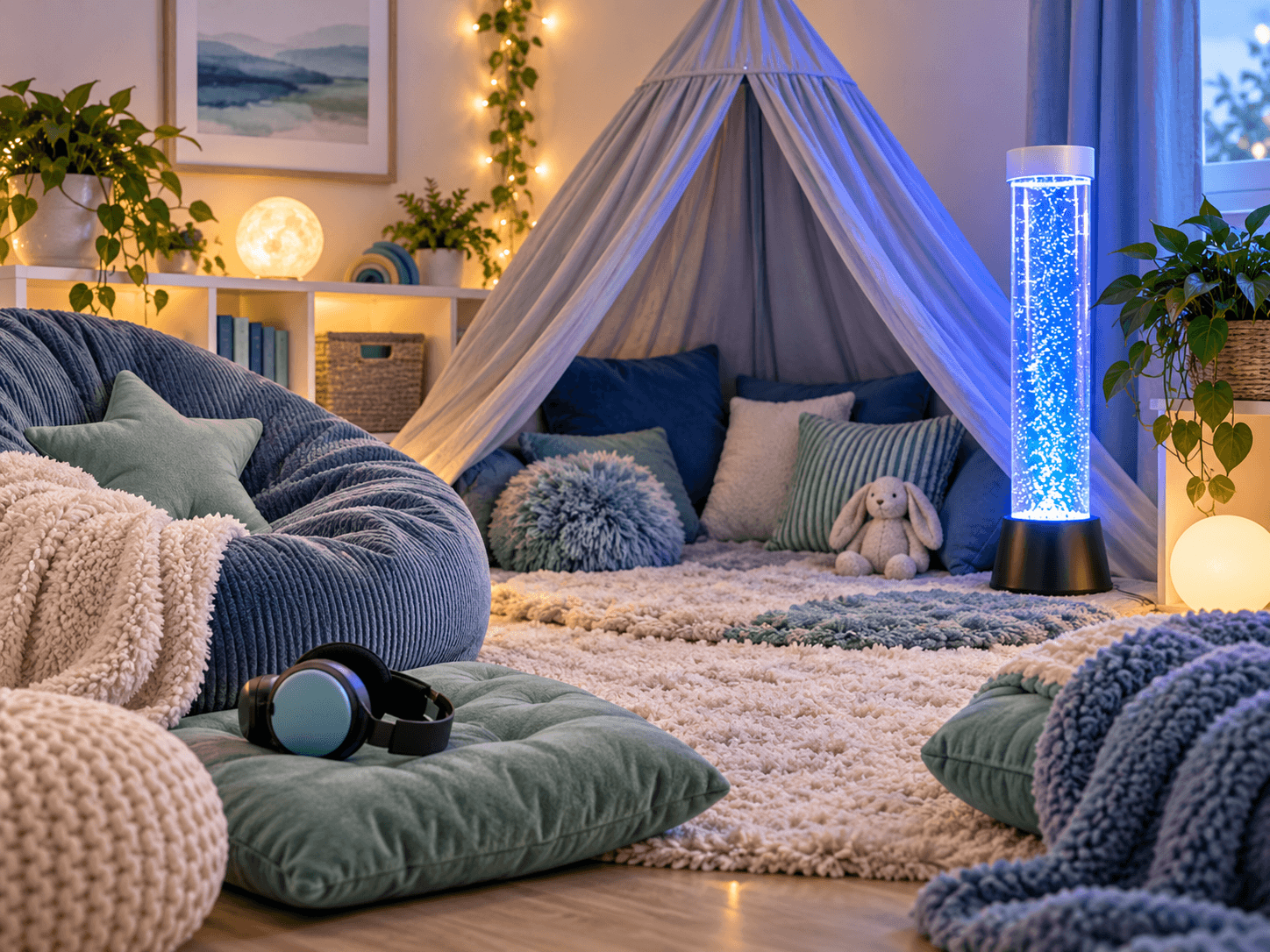
Some people need a quiet enclosed space where they can reduce visual input, step away from noise, or take a short break from a busy environment. Sensory tents, canopies, and enclosed seating can offer that option without requiring a whole separate room.
An enclosed sensory area may be useful for:
Quiet time
Calm down routines
Reading
Listening to music
Visual breaks
Sensory regulation
Transition support
Classroom calming corners
Home sensory spaces
Travel or portable sensory needs
Keep the space welcoming, optional, and easy to leave. Use clear communication, a visual timer, or a simple routine when it helps the person understand how the space will be used.
Sensory Bedroom Ideas for Autism
A sensory bedroom can support rest, comfort, independence, and daily routines. The goal is not to fill the room with every sensory product available. It is to choose a few items that make the room feel more predictable and comfortable.
A sensory bedroom may include:
Comfortable sensory seating
Soft floor cushions
A quiet reading area
Blackout curtains when helpful
Gentle lighting
A visual timer
Weighted products
A canopy or calm corner
Tactile wall tools
Storage for fidgets and comfort items
A supportive bed setup
Soft rugs or floor mats
For some people, the bedroom should be mostly calming. Keep active movement products in another room when they make bedtime harder.
Explore Beds and Cots, Protective Mats and Padding, Calming Sensory Products, and Sensory Room Equipment.
Sensory Furniture for Autism at Home
At home, sensory furniture should fit real routines. A child may need a calming seat after school. A teen may need a private sensory corner for homework breaks. An adult may need supportive seating for relaxation or a soft space for low stimulation activities.
A simple home sensory setup can begin with:
One supportive chair or bean bag
A soft floor cushion or crash pad
A small basket of sensory tools
A visual timer
A quiet light source
A calming activity such as fidget tools or putty
A clear routine for using the space
You do not need a dedicated sensory room to get started. A small corner can be meaningful when it matches the person’s needs.
Sensory Furniture for Classrooms
Classrooms can be busy, loud, and full of visual demands. Sensory furniture can help create a calmer area for students who need movement breaks, flexible seating, posture support, or a short reset during the day.
Classroom sensory furniture may include:
Flexible seating
Floor cushions
Wobble chairs
Calm corner seating
Sensory tents
Small bean bags
Visual timers
Fidget storage
Soft mats
Adaptive classroom seating
Small sensory wall panels
The furniture should support learning, not remove students from instruction unnecessarily. Teachers and support staff can use clear routines so students know when and how to access the space.
Browse Classroom Seating, Education Products, Sensory Wall Panels, and Sensory Seating.
Sensory Furniture for Therapy Clinics
Therapy clinics often need a combination of active and calming sensory furniture. A clinic may use movement equipment for occupational therapy sessions, while also offering quiet seating for regulation before or after activities.
A therapy space may include:
Crash pads
Soft play blocks
Swings
Bean bag seating
Therapy balls
Floor mats
Positioning furniture
Sensory wall panels
Bubble tubes
Fine motor tables
Calm down seating
The best clinic design allows for safe movement, easy cleaning, professional supervision, and a clear purpose for each area.
Explore Sensory Room Packages, Sensory Room Equipment, Sensory Motor Tools, and Installation and Design Services.
Sensory Furniture for Teens With Autism
Teen sensory needs can look different from younger children’s needs. Teens may want furniture that feels age appropriate, stylish, private, and comfortable. They may also need more space, stronger materials, and larger seating options.
Teen friendly sensory furniture may include:
Lounge style bean bags
Floor chairs
Wobble seating
Rocking chairs
Hammock style seating
Supportive desk chairs
Calm pod seating
Weighted lap pads
Soft lighting
Sensory wall panels
Larger crash pads
Quiet reading or gaming chairs
Include the teen in the decision whenever possible. Their preferences matter, especially when furniture will be used in a bedroom, study space, or personal relaxation area.
Sensory Furniture for Adults With Autism
Adults may need sensory furniture for home, day programs, workplace breaks, therapy spaces, or supported living environments. Adult sensory furniture should be durable, comfortable, appropriately sized, and respectful of adult preferences.
Helpful adult options may include:
Adult sized bean bags
Supportive lounge chairs
Rocking chairs
Floor cushions
Weighted lap pads
Sensory seating
Calm spaces with low lighting
Tactile wall tools
Large crash pads
Adaptive seating when needed
Avoid assuming adults need child focused sensory products. Many adults prefer subtle furniture that blends into a home or shared environment while still providing the sensory input they find useful.
Safety Features to Look For
Sensory furniture for autism should support comfort and safety. The right safety features depend on how the furniture will be used and who will use it.
Consider:
Weight capacity
Material durability
Smooth surfaces
No sharp edges
Stable bases
Non slip features
Easy cleaning
Fire safety requirements for schools or facilities
Strong seams and covers
Proper mounting for swings
Safe room clearance
Padded floors for active equipment
Appropriate supervision
For active sensory furniture, always consider the user’s mobility, balance, behavior, and ability to enter and exit safely.
Easy Cleaning and Maintenance
Sensory furniture often gets frequent use, especially in classrooms, clinics, group homes, and busy family spaces. Easy cleaning can make a major difference in how practical the furniture is over time.
Look for:
Wipeable surfaces
Removable washable covers
Durable upholstery
Easy to disinfect materials
Replacement parts or covers
Stain resistant finishes
Simple storage solutions
Products that match facility cleaning routines
For shared spaces, create a clear cleaning schedule and inspect furniture regularly for wear, loose parts, tears, or damaged padding.
How to Build a Sensory Room on a Budget
A useful sensory room does not have to begin with a large purchase. Start with the items that are most likely to support the person’s immediate needs.
A simple budget friendly approach may include:
One calm seating option
One floor based comfort item
One movement or heavy work option
One tactile or fidget activity
One visual support such as a timer
One quiet lighting option
For example, a starter setup could include a bean bag chair, weighted lap pad, small crash pad, visual timer, and fidget basket. Over time, you can add furniture and sensory equipment based on what the person uses most.
How to Prioritize Sensory Furniture Purchases
When budget is limited, prioritize products based on daily use and safety.
Start with:
Seating or floor support that improves comfort right away
A calm down option for overstimulation
A movement or heavy work option for sensory seeking needs
Storage and organization for sensory tools
Larger equipment such as swings, bubble tubes, or soft play pieces
A product that supports daily routines is often more valuable than an item that looks exciting but is only used occasionally.
How to Choose Sensory Furniture That Grows With the User
Children grow, sensory preferences change, and routines evolve. Choosing flexible furniture can help families get more value over time.
Look for:
Adjustable sizing
Strong weight capacity
Removable supports
Versatile use
Adult friendly design
Durable materials
Furniture that works in more than one room
Portable or modular pieces
Covers or accessories that can be replaced
A product that works for reading, calm breaks, and sensory regulation may be more useful long term than a product with only one narrow use.
Sensory Furniture Shopping Checklist
Before choosing sensory furniture for autism, ask:
What type of sensory input does the person seek or avoid?
Is the goal calming, movement, posture support, or active play?
Where will the furniture be used?
How much space is available?
Is the furniture age appropriate?
Does it support the person’s body size and weight?
Does the person need help getting in or out?
Is it easy to clean?
Does it need to be portable?
Will it be shared by multiple people?
Does it fit the home, school, or therapy environment?
Is professional guidance needed?
Is there a funding path to explore?
The best sensory furniture for autism is furniture that the person feels comfortable using and that supports meaningful daily life.
Where to Shop Sensory Furniture for Autism
eSpecial Needs offers sensory furniture, calming equipment, adaptive seating, soft play products, sensory room tools, and therapy supports for home, school, clinic, and care settings.
Helpful collections include:
Sensory Seating
Crash Pads
Calming Sensory Products
Weighted Products
Positioning Products
Large Razzle-Dazzle Marble LED Sensory Wall Panel - Visual & Tactile Stimulation
$1,500.00
$1,650.00
The Large Razzle-Dazzle Marble LED Sensory Wall Panel is an interactive sensory wall panel designed to support visual, tactile, and auditory stimulation in sensory rooms, therapy spaces, classrooms, and care environments. With more than 2,000 colored marbles, built-in LED lighting,… read more

FAQs
What is sensory furniture for autism?
Sensory furniture for autism includes seating, soft play equipment, calming spaces, movement furniture, and supportive products that may help children, teens, and adults feel more comfortable, regulated, and engaged. Examples include bean bags, sensory chairs, crash pads, swings, floor cushions, rocking chairs, pod seating, adaptive chairs, and soft play furniture.
How can sensory furniture help autistic children and adults?
Sensory furniture can offer a comfortable place to rest, move, receive deep pressure, reduce stimulation, or take a sensory break. The right product may support calming routines, body awareness, focus, active play, posture, and participation in home, school, therapy, or community settings.
What types of sensory furniture are best for autism?
The best sensory furniture depends on the person’s sensory preferences and daily needs. Some people may prefer a bean bag chair or pod seat for quiet time. Others may benefit from a crash pad, rocking chair, swing, soft play blocks, or supportive adaptive seating. Start with the person’s needs rather than choosing products based on diagnosis alone.
What is a sensory chair?
A sensory chair is seating designed to provide comfort, movement, gentle pressure, defined personal space, or postural support. It may include rocking chairs, wobble chairs, bean bags, pod seating, floor chairs, lounge seating, or adaptive chairs with added support.
Are bean bags good for autism?
Bean bags can be helpful for some autistic children, teens, and adults because they offer soft, flexible seating that may contour to the body. They can work well for reading, quiet time, tablet use, listening to music, or calming breaks. Consider the user’s size, comfort, ability to get in and out, and whether the material is easy to clean.
What is a sensory pod chair?
A sensory pod chair is an enclosed or partially enclosed seat that creates a more defined personal space. Some people find pod seating calming because it can reduce visual distractions and provide a cozy place for reading, listening to music, using AAC, or taking a break.
Is a sensory tent helpful for autism?
A sensory tent may help some autistic people who need a quiet, lower stimulation space. It can create a predictable area for calm down routines, reading, visual breaks, or sensory regulation. A sensory tent should always be optional, easy to leave, and used as a supportive choice rather than a punishment.
Can sensory furniture help with sensory overload?
Sensory furniture may help during sensory overload by providing a quieter, more predictable place to rest and reset. A calm seating area may include a comfortable chair, soft lighting, a visual timer, noise reducing headphones, a weighted lap pad, fidget tools, and a favorite calming activity.
What is deep pressure sensory furniture?
Deep pressure sensory furniture includes products that may provide gentle resistance, contouring, or a secure feeling around the body. Examples may include bean bags, crash pads, soft foam seating, floor cushions, weighted lap pads, and supportive lounge chairs.
Do I need a separate sensory room?
No. Sensory furniture can be added to a bedroom corner, living room, playroom, classroom, or therapy area. A small, thoughtfully designed calm corner can be just as useful as a dedicated sensory room when it matches the person’s needs.
How do I choose sensory furniture for a teen with autism?
For teens, choose furniture that feels age appropriate, durable, private, and comfortable. Lounge style bean bags, floor chairs, rocking chairs, supportive desk chairs, pod seating, weighted lap pads, soft lighting, and quiet reading chairs may be better choices than products that feel too child focused.
What should I buy first for a sensory space?
Start with the item most likely to support daily routines. For many families, that may be a comfortable sensory chair, bean bag, floor cushion, weighted lap pad, crash pad, or small sensory tool basket. Add larger equipment gradually based on what the person uses and enjoys.
Where can I shop sensory furniture for autism?
Families, schools, therapists, clinics, and care teams can explore sensory furniture and related supports through eSpecial Needs.