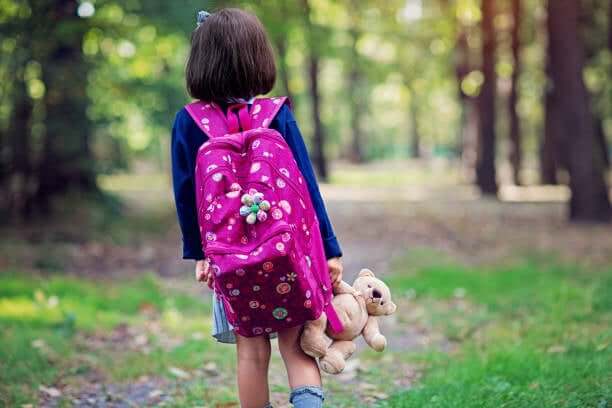
Safety awareness is a part of developmental learning. This includes an individual's awareness of their home and outside of the home. Wandering is common in all toddlers. A typical child may check-in with their caregiver by gaining eye contact or calling for the person. Part of that learning includes joint attention or looking at a person when they hear the word "stop" or "no". If this social and safety skill is not developed a child may be at risk of elopement. Elopement, also known as wandering or bolting, describes an individual's behavior of leaving an area without permission or supervision. This may include wandering off in a grocery store, going out of an open door or gate, or opening a second-floor window and jumping out.
What Causes Elopement in Kids with Autism?
There may be several factors that cause elopement behavior especially in kids with Autism Spectrum Disorder (ASD). They may wander off to avoid an unpleasant situation, to obtain access to an item or to a preferred place, activity, or person, or to meet sensory needs through movement by running. Elopement may also be an escape when a caregiver is distracted or not within eyesight.
What Is the Main Risk Factor for Wandering and Elopement?
An individual with a developmental disability is at risk of harm if elopement occurs. Recent reports confirm that nearly half of people with ASD have attempted to or have successfully eloped from a known adult. Such behavior can be dangerous; the CDC confirms that children with communication, social interaction, attention, and learning disabilities are at a higher risk of becoming lost or injured due to wandering.
How to Stop and Autistic Child from Eloping
Learning how to stop an autistic child from eloping is important to their safety and wellbeing. There are some external supports that can be put in place to for autism elopement prevention or to deter unintentional wandering off. It is important that an individual with a history of eloping behavior has emergency identification on him or her at all times. This may include an identification tag for a shoe, watch with GPS, or necklace with demographic information.
Use Elopement Prevention Devices at Home
Safety modifications for the home can also be beneficial and allow caregivers peace of mind. Door and window alarms or chimes alert caregivers and allow time to react to the attempted elopement or wandering. An autism elopement kit may include a doorknob cover, lever lock, or another elopement prevention device that could help keep kids from opening doors and leaving a safe place.
Safety locks for sliding doors, keypad locks or keyless entry, and plexiglass covering the inside of windows may be beneficial for individuals who can manipulate standard safety latches. Video surveillance is becoming a more universal safety feature for both inside and outside of homes. Having an indoor quiet space or space to meet the individual's sensory needs is important. This gives the individual a safe place to escape to with in the home if they are feeling overwhelmed.
Use Specialized Car Seats, Child-proof Locks, and Seat Belt Blocks
Elopement concerns may also occur in a vehicle. The individual may want to avoid going to a certain location, be bothered by the stopping and starting of the vehicle, or feel uncomfortable with a seatbelt. This can put the individual, passengers, and drivers at risk of safety. In addition to standard child safety locks, specialized equipment including a buckle guard, safety harnesses, or specialized car seats can improve safety in vehicles.
Being Proactive Could Prevent Frightening Incidents in the Future
Kids can depend on parents and caregivers to keep them safe and look out for their best interests. However, caretaking may require extra effort for kids with unique needs and learning abilities. Though they mean no harm, they risk getting into dangerous situations when they wander off and there aren't any preventative measures in place. Elopement prevention devices and strategies help keep your mind at ease and kids safe.